
Le Telecamere Spia Possono Funzionare Senza WiFi? Guida Completa 2026
Sì — alcune telecamere autonome sono progettate specificamente per registrare localmente senza WiFi. Non generalizzare questo comportamento a tutte le telecamere WiFi o a tutte le telecamere con slot microSD; l'avvio offline e la registrazione dopo la perdita di rete dipendono dal modello e dal firmware.
Il WiFi aggiunge visualizzazione remota, notifiche push e configurazione tramite app. Ma aggiunge anche una firma di rete che i team di sicurezza IT possono rilevare, server delle app che vanno offline senza preavviso, aggiornamenti firmware che compromettono la funzionalità dall'oggi al domani e un costo di abbonamento ricorrente per l'archiviazione cloud. Elimina il WiFi dall'equazione e ti rimane un dispositivo che registra dove lo punti e memorizza le riprese finché non le recuperi.
Non è un compromesso. Per molte applicazioni di videosorveglianza occulta, è la soluzione migliore.

Come funzionano le telecamere spia senza WiFi?
Una telecamera spia senza WiFi registra su un supporto di archiviazione locale — tipicamente una scheda MicroSD — e non trasmette dati su alcuna rete. Il processo di registrazione stesso non richiede alcuna connettività: il processore della telecamera scrive i fotogrammi video sulla scheda di memoria attraverso un bus hardware dedicato, indipendentemente da qualsiasi segnale radio.
Il ciclo di registrazione segue questa sequenza:
1. Accendi — tramite adattatore di rete o batteria interna
2. Rilevamento del movimento (se abilitato) monitora la scena attraverso il sensore d'immagine della telecamera
3. La registrazione inizia — il video viene compresso (H.264 è lo standard) e scritto settore per settore sulla scheda MicroSD
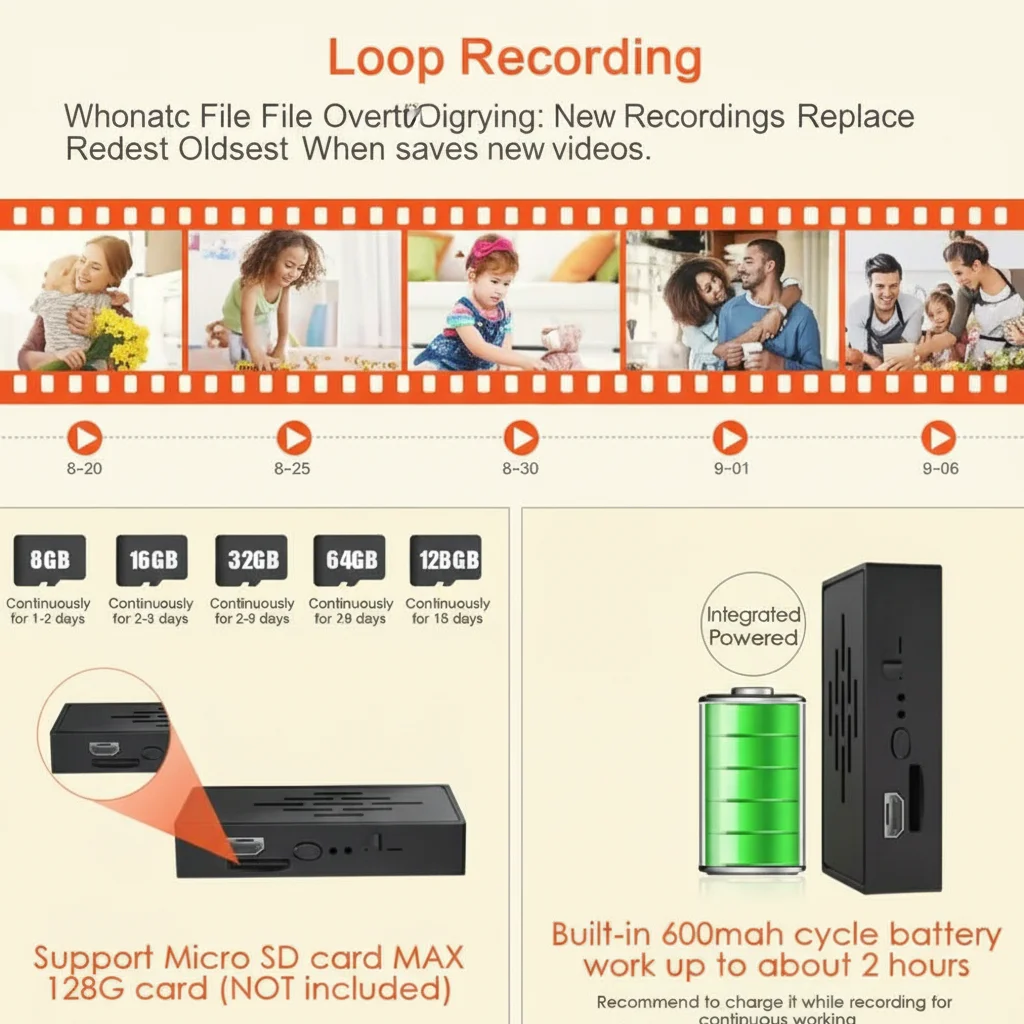
4. Sovrascrittura ciclica — quando la scheda si riempie, le registrazioni più vecchie vengono cancellate automaticamente e la registrazione continua
5. Recupero delle riprese — si rimuove fisicamente la scheda, la si inserisce in un computer o in un lettore dedicato e si esaminano i file
Questo processo non richiede app, server, connessione internet né configurazione. Inserisci una scheda formattata, premi registra, allontanati.
La distinzione chiave: registrazione locale vs. registrazione cloud
C'è una differenza sostanziale tra una telecamera che "funziona senza WiFi" e una che è veramente indipendente dalla connettività:
| Tipo di registrazione | Come funziona | Richiede WiFi? | Sicurezza dei dati |
|---|---|---|---|
| Locale (MicroSD / eMMC) | Filmato memorizzato su scheda fisica all'interno della telecamera | No | La scheda deve essere recuperata fisicamente |
| Locale tramite Hub / NVR | La telecamera invia i dati tramite cavo LAN o RF proprietario a un hub locale | No (solo LAN, non internet) | L'hub memorizza le registrazioni localmente |
| Registrazione cloud | Materiale video caricato su server remoti via internet | Sì (sempre) | Filmati accessibili da qualsiasi luogo ma richiede un abbonamento |
| Cellulare (4G LTE) | Filmato trasmesso tramite rete dati mobile | No (utilizza invece una scheda SIM) | Accesso remoto ma richiede un piano dati |
La maggior parte delle telecamere spia "senza WiFi" di livello consumer rientra nella prima o seconda categoria: registrazione locale su MicroSD. Questa è l'opzione più semplice, affidabile e privata.
Cosa si perde esattamente senza WiFi?
Questa è la sezione onesta. Prima di consigliare telecamere spia non-WiFi, vale la pena essere chiari su ciò a cui si rinuncia.
Funzionalità che richiedono il WiFi (o una connessione di rete)
Visione live remota. Senza WiFi o dati cellulari, non è possibile aprire un'app e vedere ciò che la telecamera sta riprendendo da un'altra posizione. La telecamera registra ciò che è accaduto, ma lo si vede solo a posteriori.
Notifiche push. Gli avvisi di rilevamento del movimento inviati al telefono dipendono da una connessione internet — WiFi o cellulare. Una telecamera non-WiFi rileva il movimento e lo registra, ma non può informarti in tempo reale.
Archiviazione cloud. Il backup delle registrazioni su server remoti richiede larghezza di banda in upload. Senza WiFi, il backup cloud non è disponibile a meno che non si utilizzi una telecamera cellulare (che richiede una scheda SIM e un piano dati).
Configurazione tramite app. Le telecamere WiFi consentono di modificare le impostazioni — sensibilità al movimento, pianificazione della registrazione, risoluzione — tramite un'app mobile. La maggior parte delle telecamere spia non-WiFi utilizza pulsanti fisici o interruttori DIP sull'unità stessa.
Cosa funziona ancora senza WiFi
Detector di movimento. Il rilevamento del movimento viene eseguito sul processore locale della telecamera, non nel cloud. I sensori PIR (infrarossi passivi) rilevano le firme termiche e attivano la registrazione completamente offline. Anche il rilevamento del movimento basato su software (confronto pixel) viene eseguito localmente.
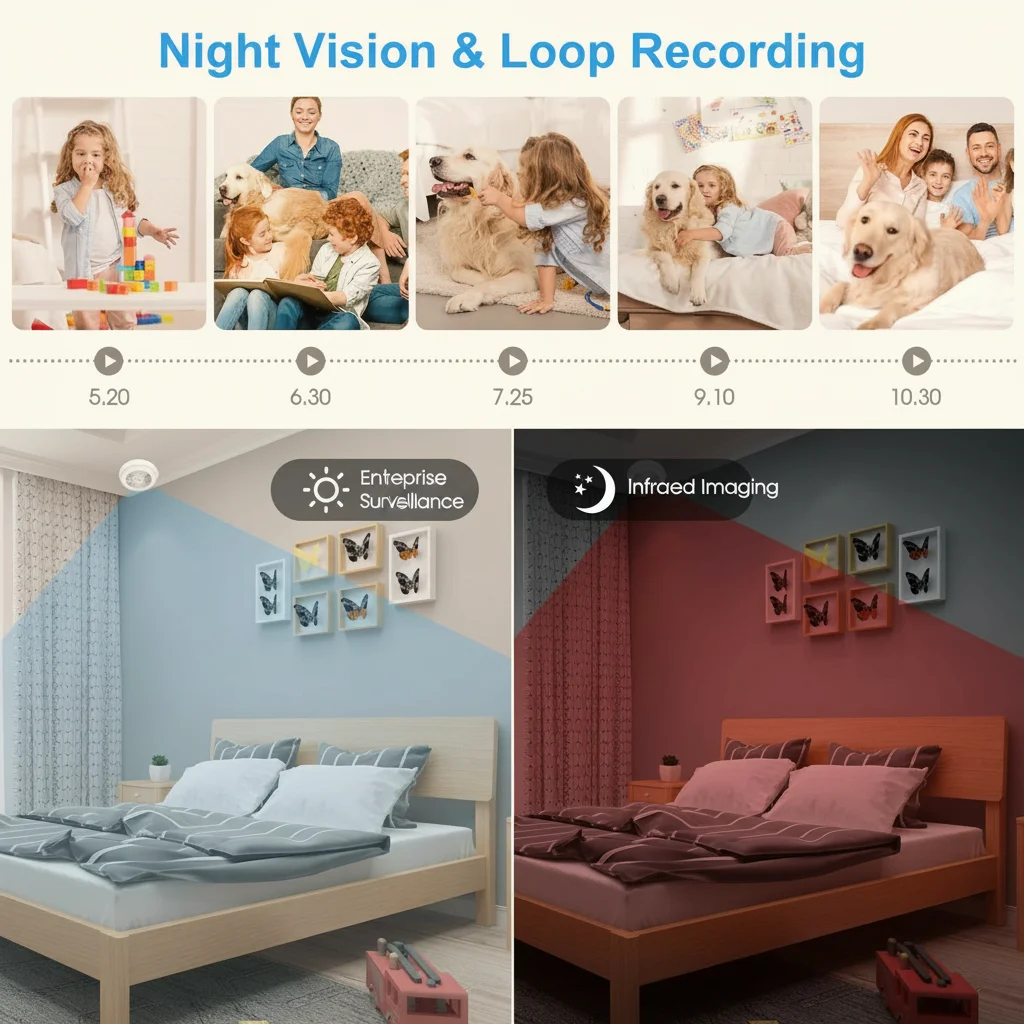
Visione notturna. I LED IR sono alimentati direttamente dall'alimentatore della telecamera e non richiedono connettività. La registrazione notturna continua indipendentemente dallo stato della rete.
Registrazione ciclica. Quando la scheda MicroSD si riempie, la telecamera sovrascrive automaticamente i file più vecchi e continua a registrare. Funziona al 100% offline.
Data e ora. La maggior parte delle telecamere contrassegna la registrazione con data e ora utilizzando un orologio interno (chip RTC), che funziona indipendentemente da qualsiasi rete.
La realtà dei fatti
Se avete bisogno di monitorare un negozio al dettaglio dal vostro telefono in tempo reale, una telecamera spia non-WiFi è la scelta sbagliata. Se avete bisogno di sapere nel momento in cui qualcuno entra in una stanza, una telecamera non-WiFi non vi invierà alcun avviso.
Ma se hai bisogno di catturare prove di ciò che è accaduto in uno spazio nelle ultime 24, 48 o 72 ore — senza che nessuno sappia dell'esistenza della telecamera, senza alcuna traccia di rete, senza alcuna dipendenza da app — una spy camera non-WiFi è lo strumento più affidabile.
Tipi di telecamere spia che funzionano senza WiFi
Non tutte le telecamere senza WiFi sono uguali. Il formato determina dove e come puoi utilizzarle.
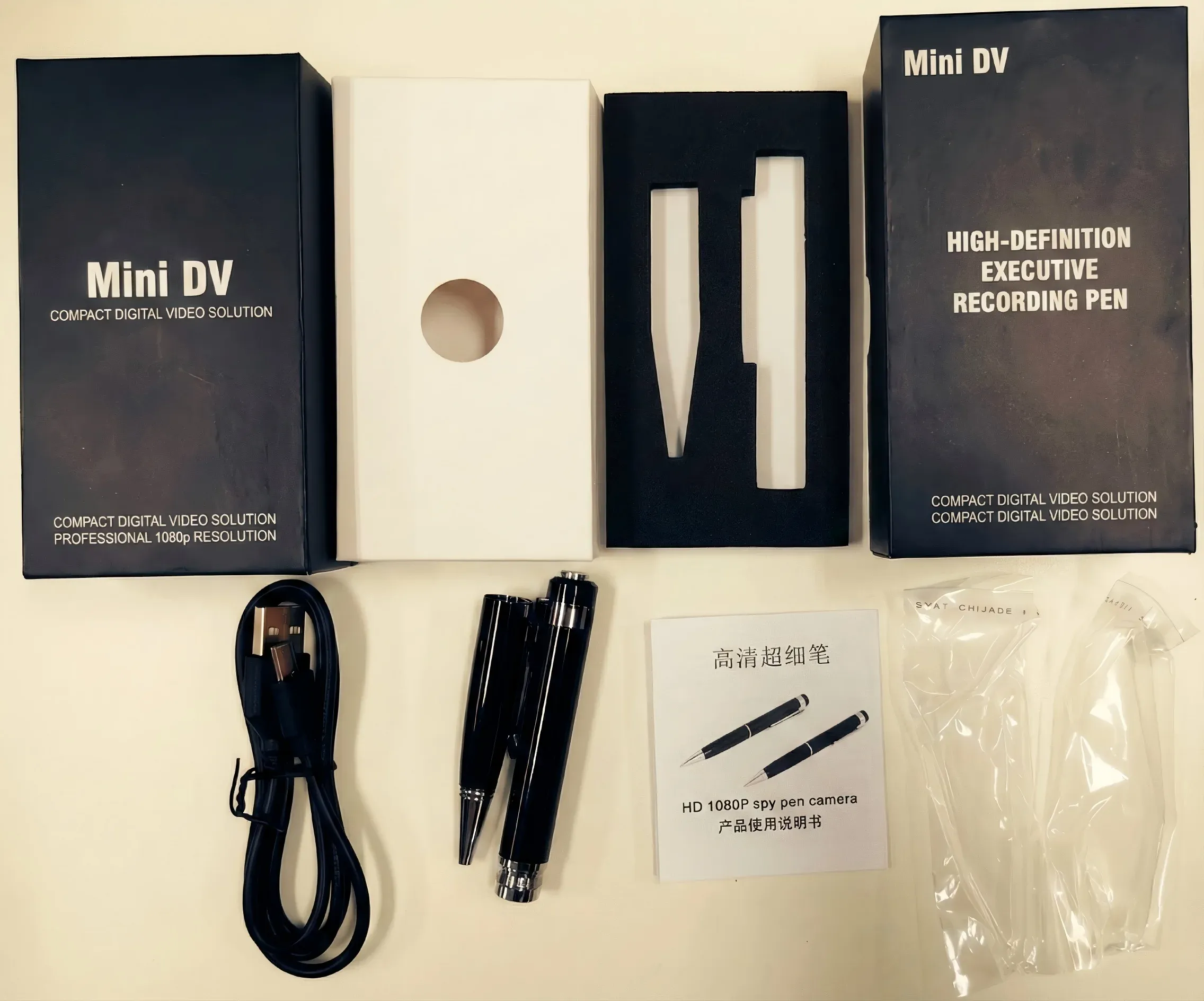
Telecamere non-WiFi indossabili (penne, portachiavi, occhiali)
Queste sono le opzioni più occulte nella categoria non-WiFi. Poiché non hanno antenna WiFi, né Bluetooth, né modulo cellulare, non producono alcuna firma elettronica e sono completamente non rilevabili dalla scansione di rete.
Caratteristiche principali:
– Magazzinaggio: MicroSD card, typically up to 64–128GB
– Durata della batteria: 45–90 minuti di registrazione continua (alcuni modelli estesi fino a 5 ore)
– Risoluzione: 1080p on most current models; 720p on budget units
– Recupero: Rimuovere fisicamente la scheda dopo la sessione
– Ideale per: Meeting documentation, personal safety, evidence preservation, travel
Una penna spia che registra in una sala riunioni non produce alcun segnale WiFi, alcun traffico di rete e alcuna notifica sull'app. La persona dall'altra parte del tavolo non ha alcun modo di rilevarla.
Telecamere orologio con archiviazione locale
La maggior parte delle telecamere da orologio vendute come unità di videosorveglianza domestica include sia la modalità WiFi che quella di registrazione locale. Puoi attivare il WiFi per la configurazione iniziale e la visualizzazione remota, poi disattivarlo per la registrazione continua — affidandoti esclusivamente alla scheda MicroSD all'interno dell'orologio.
Questo ti offre flessibilità: usa il WiFi quando ti serve, passa in modalità offline quando non ti serve.
Cosa verificare: Non tutte le telecamere da orologio supportano la disattivazione del WiFi. Verificare le specifiche del prodotto prima dell'acquisto. Alcuni modelli richiedono che il WiFi sia attivo affinché la telecamera funzioni.

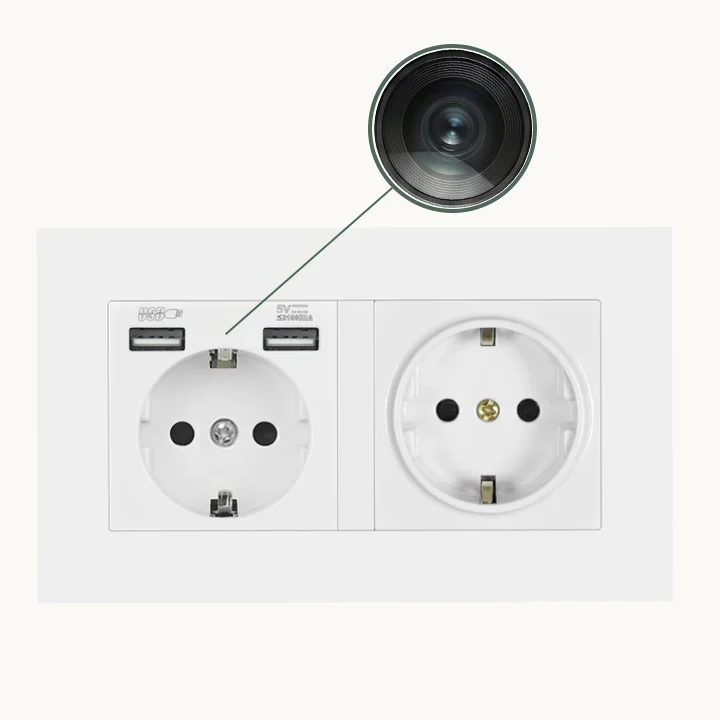
Telecamere caricatore USB e ciabatta
Queste camuffano le telecamere da comuni dispositivi di alimentazione. Il formato ciabatta è particolarmente adatto al funzionamento senza WiFi perché si prevede che la telecamera sia alimentata continuamente — nessuna ansia da batteria, nessuna pianificazione del recupero.
Perché il non-WiFi ha senso qui: Una telecamera caricabatterie USB posizionata all'altezza della scrivania funge da unità di sorveglianza 24/7. Il WiFi è una comodità per l'accesso remoto; la registrazione locale è la funzione principale. Un DVR autonomo può continuare a registrare senza router quando tale comportamento è documentato. Una telecamera WiFi necessita di un test offline specifico per modello prima di promettere che la registrazione continui dopo la perdita del router. Vedi Una Telecamera da Interno Può Registrare Senza WiFi o Internet?.
Mini telecamere (moduli obiettivo autonomi)
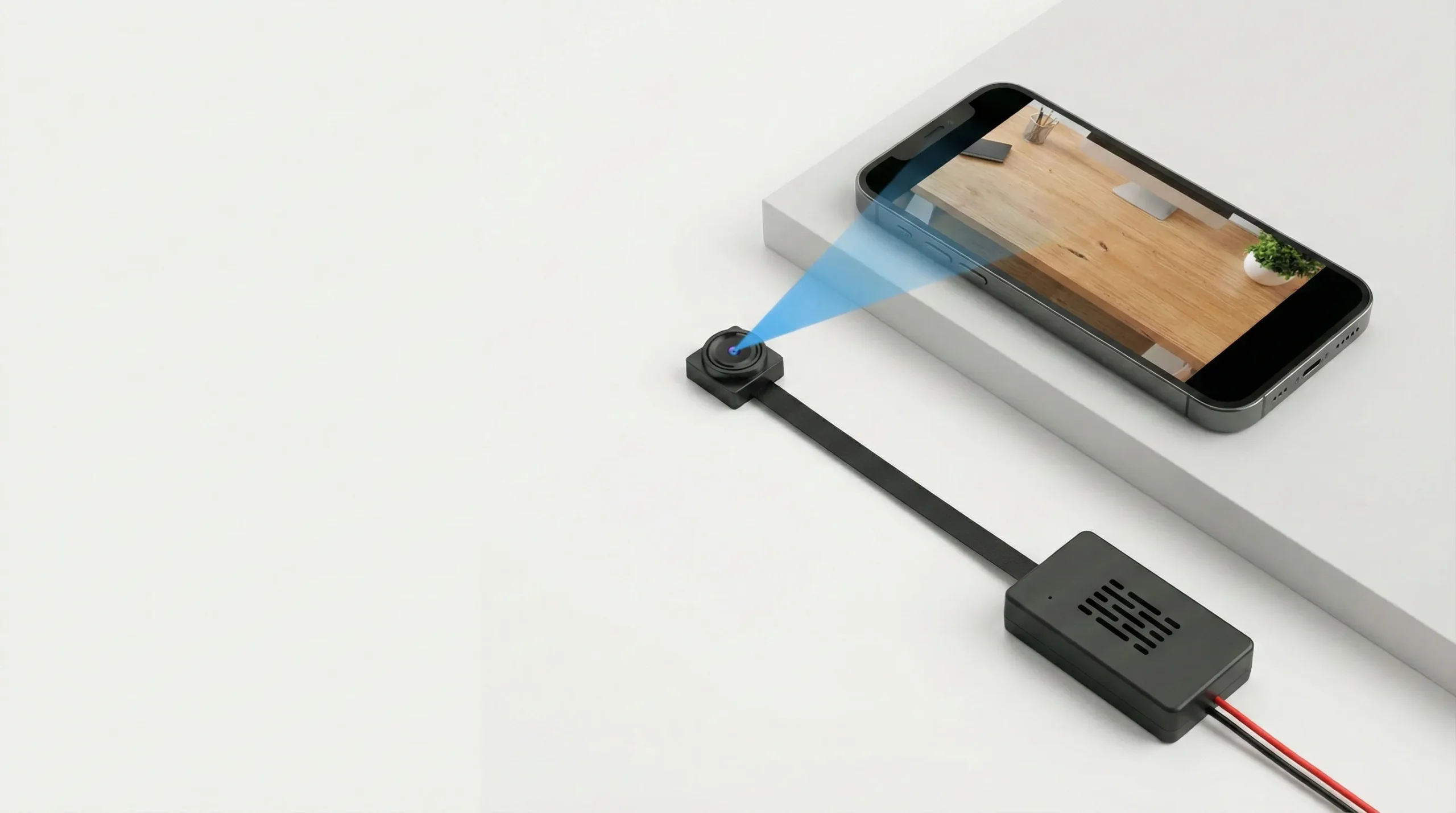
Le telecamere delle dimensioni di un dado, senza custodia e senza camuffamento, sono l'opzione non-WiFi più flessibile. Montane una all'interno di una libreria, dietro una pianta, nel vano portaoggetti di un veicolo o in qualsiasi posizione in cui un dispositivo di sorveglianza dedicato sembrerebbe fuori luogo.
Limitazione critica: Durata della batteria. Una microcamera autonoma alimentata a batteria interna offre 60–120 minuti di registrazione continua in condizioni reali (non i 180+ minuti pubblicizzati). Per qualsiasi cosa oltre una breve sessione, è necessaria una fonte di alimentazione nelle vicinanze.
Smoke Detector Cameras
Gli alloggiamenti per rilevatori di fumo a soffitto richiedono in genere un collegamento cablato all'impianto elettrico dell'edificio. Questo li rende intrinsecamente non-WiFi nel funzionamento — la telecamera si alimenta dalla rete elettrica dell'edificio e la registrazione avviene su una scheda MicroSD locale o su un'unità DVR nascosta.
Il WiFi è un componente aggiuntivo opzionale per la visualizzazione remota; non è il percorso di registrazione principale.
Archiviazione: il cuore della scelta di una telecamera non-WiFi
Senza WiFi, l'archiviazione diventa la variabile critica. Tutto il resto — risoluzione, durata della batteria, formato — è secondario rispetto a quanto materiale video è possibile conservare e con quanta affidabilità è possibile recuperarlo.
Scheda MicroSD: lo standard
La MicroSD è il supporto di archiviazione universale per le telecamere spia consumer. Capacità e affidabilità sono le due variabili che contano.
Parametri di riferimento della capacità (registrazione 1080p H.264):
| Capacità della Card | Registrazione continua (1080p @ 30fps) | Registrazione con rilevamento del movimento |
|---|---|---|
| 32 GB | ~6–8 ore | ~3–5 giorni |
| 64 GB | ~12–16 ore | ~7–10 giorni |
| 128 GB | ~24–36 ore | ~14–21 giorni |
| 256GB | ~48–72 ore | ~25–30 giorni |
Si tratta di cifre approssimative basate su registrazione 1080p a bitrate standard. Una risoluzione superiore (2K, 4K) consuma spazio di archiviazione molto più rapidamente.
Il problema dell'affidabilità: Molte telecamere spia economiche dichiarano il supporto per schede da 256GB o 512GB. Nei test indipendenti, la maggior parte dei processori gestisce in modo affidabile un massimo di 128GB. Le schede superiori a 128GB presentano spesso errori di formattazione, interruzioni della registrazione o incompatibilità firmware. Se hai bisogno di più di due settimane di filmati attivati dal movimento, la registrazione ciclica su una scheda da 128GB — con revisione e backup settimanale dei filmati — è più affidabile che fidarsi di una scheda ad alta capacità.
Raccomandazione del marchio: Samsung Evo Plus o SanDisk Ultra High Endurance. Le schede MicroSD contraffatte sono endemiche nel mercato dell'elettronica economica. Le schede di marca con certificazione High Endurance sono progettate per cicli di scrittura continui e valgono il piccolo sovrapprezzo.
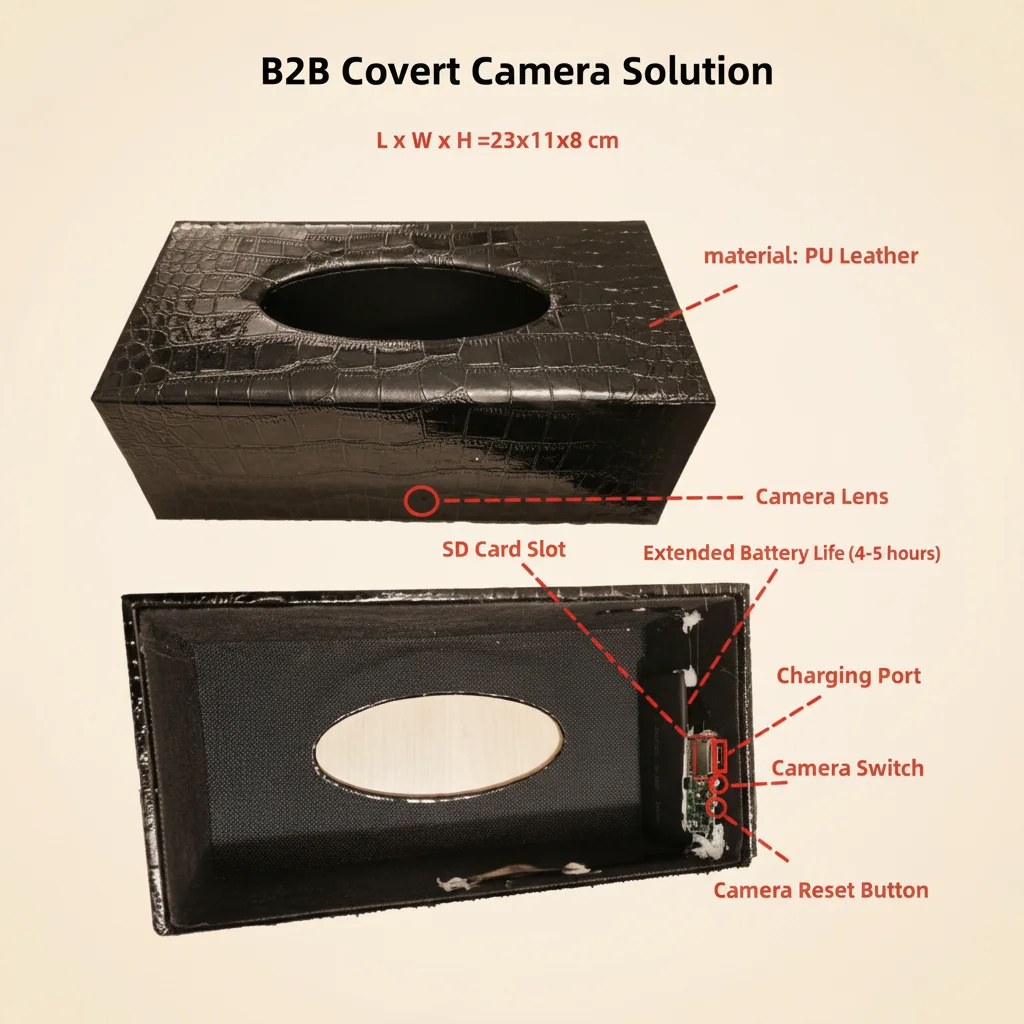
Sistemi DVR e NVR
Per installazioni commerciali o ad alto volume, un DVR (Digital Video Recorder) o NVR (Network Video Recorder) collegato a più telecamere tramite cavo coassiale o Ethernet fornisce archiviazione locale centralizzata senza alcuna dipendenza da internet.
Capacità tipiche: I DVR di livello base partono da 1TB; le unità commerciali supportano fino a 16TB su più dischi rigidi. A 1080p per telecamera, un DVR da 2TB contiene circa 40 giorni di filmati continui da una singola telecamera, o circa 10 giorni da quattro telecamere.
Il problema: I sistemi DVR/NVR richiedono installazione fisica, cablaggi e una posizione sicura per l'unità di registrazione stessa. Non sono portatili. Per installazioni permanenti in cui sono necessarie settimane di filmati continui da più angolazioni, un sistema basato su DVR è la soluzione professionale.
Punto chiave: schema decisionale per la memorizzazione
| Applicazione | Archiviazione consigliata | Ragionamento |
|---|---|---|
| Portatili / da indossare | MicroSD da 64–128 GB | Recuperare ed eseguire il backup settimanalmente |
| Fissa domestica (1 telecamera) | MicroSD da 128GB con loop | 2–3 settimane di registrazione su movimento |
| Aziendale fisso (4+ telecamere) | DVR/NVR 2TB+ | Copertura di più settimane |
| Installazione di lunga durata (sito remoto) | 256GB + backup cloud (se cellulare disponibile) | Bilanciare locale e remoto |
Alimentazione senza WiFi: le soluzioni pratiche
Le telecamere spia non-WiFi non richiedono meno energia rispetto alle equivalenti WiFi — hanno semplicemente bisogno che provenga da una fonte diversa.
A batteria (applicazioni portatili)
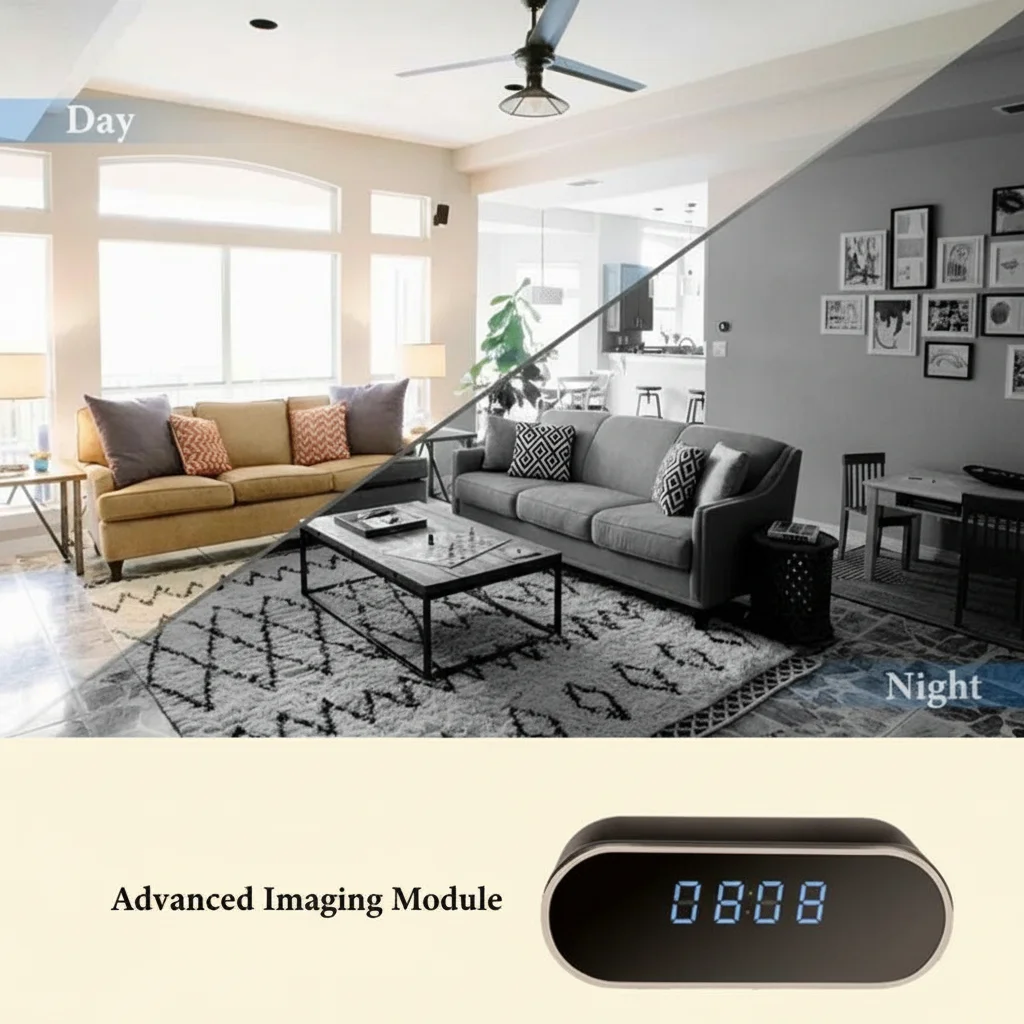
Le telecamere a batteria non-WiFi hanno un consumo energetico identico a quello delle telecamere WiFi a batteria. La differenza è l'autonomia: senza WiFi attivo, il consumo è marginalmente inferiore, offrendo un 10–20% di autonomia in più.
Benchmark reali della batteria:
| Modalità di registrazione | Autonomia tipica (2000mAh) |
|---|---|
| Registrazione continua | 1–2 ore |
| Rilevamento di movimento (spazio a media attività) | 8–24 ore |
| Rilevamento del movimento (spazio a bassa attività) | 24–72 ore |
| Standby | Fino a 1–3 settimane |
Per installazioni prolungate, funzionano due strategie: utilizzare un modello con batteria a capacità superiore (3000–10000mAh), oppure utilizzare una telecamera con alimentazione di rete e batteria di backup.
Alimentazione di rete (installazioni fisse)
Per qualsiasi telecamera che rimane in una posizione fissa, l'alimentazione di rete è l'opzione più affidabile. Un orologio a muro con telecamera nascosta alimentato via USB, un caricatore USB con telecamera nascosta o una telecamera nascosta in un rilevatore di fumo cablato con scheda da 128GB e registrazione ciclica funzionerà indefinitamente senza interventi — purché l'alimentazione rimanga attiva.
Backup per interruzioni di corrente: Molte telecamere da orologio e caricabatterie includono una piccola batteria interna (tipicamente 2000mAh) che mantiene la telecamera in funzione per 6–12 ore durante un'interruzione di corrente. Questa è una caratteristica chiave da verificare prima dell'acquisto se l'affidabilità dell'alimentazione è una preoccupazione.
Solare (luoghi remoti o off-grid)
Per le ubicazioni senza accesso alla rete elettrica, i pannelli solari abbinati a una telecamera con batteria ricaricabile sono la soluzione pratica. Modelli come il Reolink Go utilizzano 4G LTE per i dati e il solare per l'alimentazione, rendendoli validi per installazioni remote dove non sono disponibili né rete elettrica né WiFi.
Per le vere telecamere occulte (penne, portachiavi, mini moduli), il solare non è pratico a causa dei vincoli di dimensioni. Questi dispositivi si affidano alla batteria e al recupero periodico.
Quando il Non-WiFi è la scelta giusta — e quando non lo è
Scegliere Non WiFi quando:
La privacy è fondamentale. Se i filmati registrati non possono lasciare i locali in nessuna circostanza — documentazione legale, riunioni aziendali sensibili, sicurezza personale — l'archiviazione solo locale è l'unica opzione che lo garantisce.
L'ambiente non dispone di WiFi. Proprietà remote, veicoli, camere d'albergo, viaggi internazionali. Le telecamere non WiFi funzionano ovunque senza configurazione.
Il rilevamento della rete è un rischio. In ambienti in cui la scansione dei dispositivi elettronici è una preoccupazione (alcuni contesti aziendali, strutture ad alta sicurezza), una telecamera WiFi produce un segnale rilevabile. Una telecamera non WiFi no.
Si desiderano costi ricorrenti pari a zero. Nessun abbonamento cloud, nessun piano dati, nessun account app richiesto. Inserisci una scheda e registra.
L'applicazione è di breve durata. Una riunione, un viaggio in auto, una gita. Recupera la scheda in seguito. La semplicità senza WiFi eccelle in questi casi.
Scegliere WiFi (o cellulare) quando:
È necessario il monitoraggio in tempo reale. Se hai bisogno di vedere cosa sta succedendo ora, a distanza, hai bisogno di connettività — WiFi o cellulare.
Sono richiesti avvisi istantanei. Gli avvisi di rilevamento del movimento sul telefono richiedono una connessione internet per essere consegnati.
Più telecamere richiedono un monitoraggio centralizzato. Un sistema NVR WiFi o una configurazione multi-camera connessa al cloud ti consente di rivedere tutti i flussi da un'unica interfaccia.
Installazione a lungo termine senza sorveglianza con supervisione remota. Se devi controllare una proprietà da un altro paese, hai bisogno di un modo per raggiungere i filmati da remoto.
Telecamere spia vs. telecamere di sicurezza standard senza WiFi
La distinzione è importante: una telecamera spia non-WiFi e una telecamera di sicurezza domestica non-WiFi sono prodotti diversi, ottimizzati per casi d'uso differenti.
| Caratteristica | Telecamera spia non-WiFi | Telecamera di sicurezza non WiFi |
|---|---|---|
| Scopo principale | Acquisizione occulta di prove | Videosorveglianza e monitoraggio |
| Fattore di forma | Camuffate (penna, orologio, caricatore) | Visibile o semi-visibile |
| Utenti tipici | Privati, investigatori, giornalisti | Proprietari di abitazioni, aziende |
| Immagazzinamento | MicroSD (telecamera singola) | MicroSD, DVR, NVR |
| Energia | Batteria o alimentazione USB | Con filo o batteria-solare |
| Accesso remoto | No | No (a meno che non si aggiunga la connettività cellulare) |
| Filmati di qualità probatoria | Tipicamente 1080p, clip brevi | Varia, può essere 4K continuo |
| Complessità dell'installazione | Basso (portatile) | Da medio ad alto |
Per gli acquirenti B2B che riforniscono un catalogo prodotti, entrambe le categorie hanno il loro posto: la telecamera spia a penna si vende ai professionisti individuali; la telecamera con rilevatore di fumo cablata si vende alle aziende che attrezzano spazi commerciali.
Considerazioni B2B: approvvigionamento di telecamere spia senza WiFi
Per i grossisti e i distributori che valutano linee di prodotti di telecamere spia non-WiFi, diverse variabili di approvvigionamento determinano la redditività più di quanto faccia la scheda tecnica.
Funzionamento senza app come caratteristica. Nei mercati in cui la penetrazione degli smartphone è inferiore o le preoccupazioni sulla privacy sono elevate, le telecamere non-WiFi con controlli a pulsante fisico attraggono un segmento di acquirenti distinto. Posizionale come livello “privacy-first” accanto ai tuoi modelli abilitati WiFi.
Chiarezza sulla capacità della scheda. Specifiche di capacità fuorvianti — dichiarare il supporto da 512GB quando il processore gestisce in modo affidabile 128GB — generano resi. Verifica la compatibilità effettiva tramite schede tecniche dei fornitori o ordini campione prima di listare un prodotto.
Registrazione ciclica di serie. Ogni unità dovrebbe supportare la registrazione ciclica. Una telecamera che smette di registrare quando è piena è un reso con rimborso sul campo.
Onestà sulla durata della batteria. Le specifiche della batteria elencate come “tempo di standby” sono prive di significato per casi d'uso di registrazione continua. Richiedi il dato di registrazione continua, o testa un campione. La differenza tra 60 minuti e 90 minuti di tempo di registrazione reale è significativa per applicazioni indossabili sul corpo.
Conformità normativa. Nel Regno Unito e nell'UE, l'assenza di WiFi elimina alcune preoccupazioni sulla trasmissione dei dati, ma non cambia le leggi sulla registrazione audio. Le telecamere non-WiFi che registrano audio richiedono comunque il consenso in contesti in cui gli individui hanno una ragionevole aspettativa di privacy. Assicurati che le schede prodotto includano una guida chiara sui contesti di registrazione legali.
Per branding personalizzato, packaging private-label o richieste di grandi volumi, contatta il nostro team all'ingrosso.
Domande frequenti
Una telecamera spia può registrare senza scheda di memoria?
Alcune telecamere dispongono di memoria eMMC integrata (memoria flash incorporata) invece di un alloggiamento MicroSD rimovibile. Funzionano senza scheda — le riprese vengono memorizzate internamente. Il limite è che non è possibile sostituire il supporto di memorizzazione; bisogna collegare la telecamera a un computer per recuperare le riprese. Le telecamere prive di qualsiasi tipo di memoria (né scheda né memoria interna) non possono registrare affatto.
Quanto può registrare in continuo una telecamera spia senza WiFi?
Con una scheda MicroSD da 128GB che registra video 1080p H.264, la registrazione continua dura circa 24–36 ore prima che inizi la sovrascrittura ciclica. Con la registrazione attivata dal movimento in una tipica abitazione o ufficio, una scheda da 128GB contiene 2–3 settimane di filmati. Schede più grandi estendono questo proporzionalmente, sebbene le schede superiori a 128GB comportino rischi di affidabilità sulla maggior parte dei processori delle telecamere economiche.
Le telecamere spia registrano al buio senza WiFi?
Sì. La visione notturna (illuminazione a LED IR) funziona completamente offline — richiede solo alimentazione, non connettività. Le telecamere con visione notturna IR registrano filmati in bianco e nero nel buio completo utilizzando luce infrarossa invisibile all'occhio umano. La maggior parte delle telecamere occulte economiche utilizza LED IR a 850nm (portata 5–10 metri con un debole bagliore visibile); i modelli di fascia alta utilizzano LED a 940nm (invisibili, portata 3–5 metri).
Posso accedere ai video remotamente senza WiFi?
Solo tramite dati cellulare. Una telecamera 4G LTE con scheda SIM (come la Reolink Go o modelli simili) trasmette le immagini su rete mobile, offrendo accesso remoto senza WiFi. Ciò richiede un piano dati (10–30 $/mese a seconda dell'utilizzo e dell'operatore). Una telecamera standard non-WiFi — priva di modulo cellulare — non può trasmettere immagini da remoto in alcun modo. Il recupero delle immagini richiede l'accesso fisico al supporto di memorizzazione.
Le telecamere spia non-WiFi sono completamente non rilevabili?
Non producono alcuna firma di rete WiFi e non possono essere trovati dagli strumenti di scansione di rete. Non sono nemmeno rilevabili dai rilevatori RF (radiofrequenza) a meno che non includano un modulo di trasmissione wireless. Una telecamera che registra esclusivamente su una scheda MicroSD interna — senza antenna, senza Bluetooth e senza chip cellulare — è la cosa più vicina a un dispositivo elettronicamente non rilevabile che la tecnologia consumer attuale possa offrire. Il rilevamento fisico (ispezione visiva, ricerca di scomparti nascosti) rimane la principale contromisura.
Cosa succede alle registrazioni se la telecamera viene rubata?
Se la telecamera utilizza solo memoria MicroSD locale e la scheda è all'interno dell'unità, le immagini vanno perse quando la telecamera viene portata via. Questo è un limite fondamentale della registrazione locale non-WiFi. Strategie di mitigazione: posizionare le telecamere dove non siano facilmente raggiungibili; utilizzare un'installazione fissa cablata con l'unità di registrazione conservata separatamente in un luogo sicuro; oppure utilizzare una telecamera con doppia registrazione (scheda locale + backup cloud remoto tramite rete cellulare o WiFi quando disponibile).
Le telecamere spia non-WiFi non sono una versione inferiore delle telecamere WiFi. Sono uno strumento diverso, progettato per un compito diverso: registrare prove in ambienti dove la connettività è assente, indesiderata o un rischio per la sicurezza.
La domanda giusta non è “quale tipo di telecamera è migliore”. È “quale metodo di registrazione corrisponde al mio modello di minaccia reale, al mio ambiente fisico e al mio flusso di recupero”.
Per prove che non devono esistere da nessun'altra parte se non sulla scheda in tasca: le non-WiFi vincono di default. Per il monitoraggio remoto di una proprietà dall'altra parte della città: serve la connettività, in un modo o nell'altro.
Contattaci oggi per discutere approvvigionamento all'ingrosso, private label o specifiche personalizzate per la tua gamma di prodotti di telecamere occulte non-WiFi.
Telecamere nascoste all'ingrosso — QZT Security

 English
  Italiano
  Deutsch
  Français
  Español
  Polski