
How to Use a Car Key Spy Camera for Covert Recording
A car key spy camera is one of the most ingenious covert recording devices ever designed. It looks exactly like an ordinary car remote—nobody gives a second glance—yet it records Full HD 1080p video, captures sharp photos, and stores hours of footage on a micro SD card. Whether you’re a private investigator, a concerned parent, or a business owner who needs reliable evidence, a car key spy camera belongs in your surveillance toolkit.
This guide covers everything you need to know: how the device works, what features to look for, how to set it up properly, and how to get the best recordings in any environment.
What Is a Car Key Spy Camera?
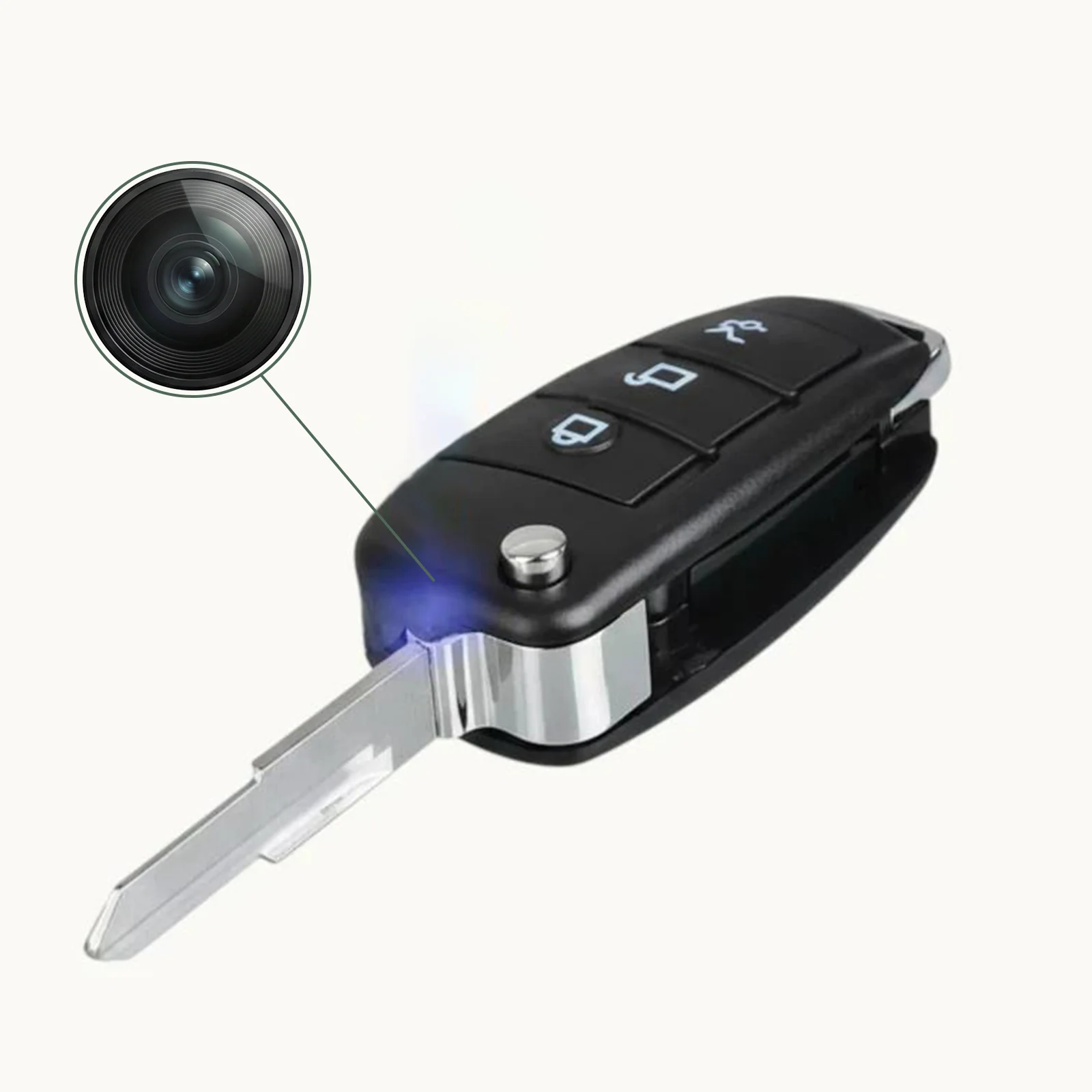
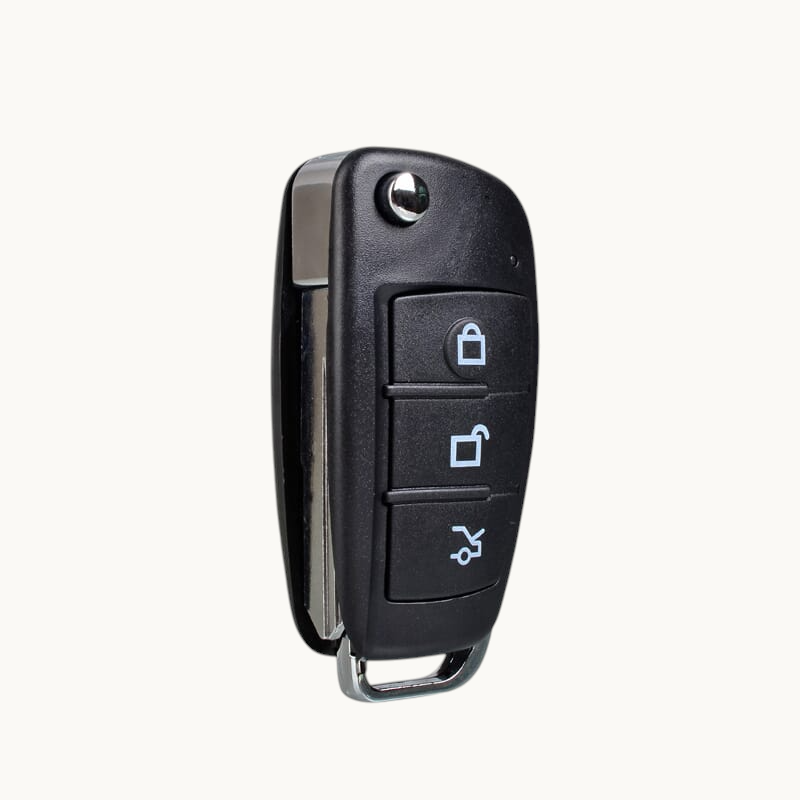
A car key spy camera is a miniature video recording device built into a realistic-looking car key or key fob shell. The camera lens is concealed behind a tiny hole in the key body—virtually invisible to the untrained eye. The device records to a micro SD card (usually up to 32GB or 64GB) and is controlled by pressing the buttons on the key itself.
Most models offer:
– 1080p Full HD video at 30fps
– Motion detection to save storage space
– Loop recording so old footage is overwritten when the card fills up
– Infrared night vision for low-light environments
– Built-in 200mAh–400mAh battery for 60–120 minutes of continuous recording
The key fob design means you can leave it on a desk, clip it to a bag, or hold it in your hand without anyone suspecting a camera is rolling.
How Does a Car Key Spy Camera Work?
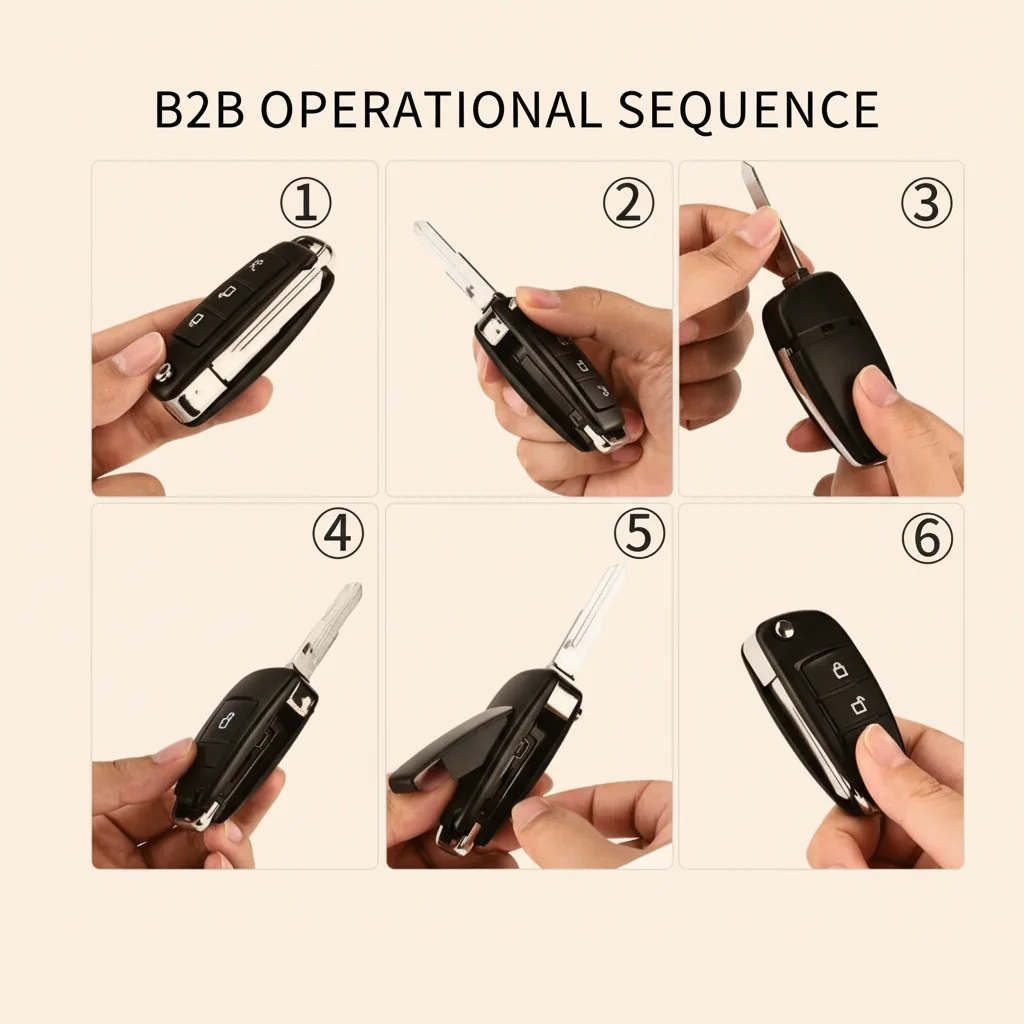
The internal architecture of a car key spy camera is straightforward but highly engineered for miniaturization:
1. Image Sensor: A small CMOS sensor (typically 1/4″ or 1/5″) sits behind the lens, capturing light.
2. Processor: A dedicated video encoding chip compresses footage into H.264 or MP4 format in real-time.
3. Storage: Video is written directly to a micro SD card inserted into a slot hidden in the key’s side or bottom.
4. Battery: A rechargeable lithium-ion cell powers the device for up to 2 hours.
5. Controls: One or more physical buttons toggle recording on/off, switch between video and photo modes, or activate motion detection.
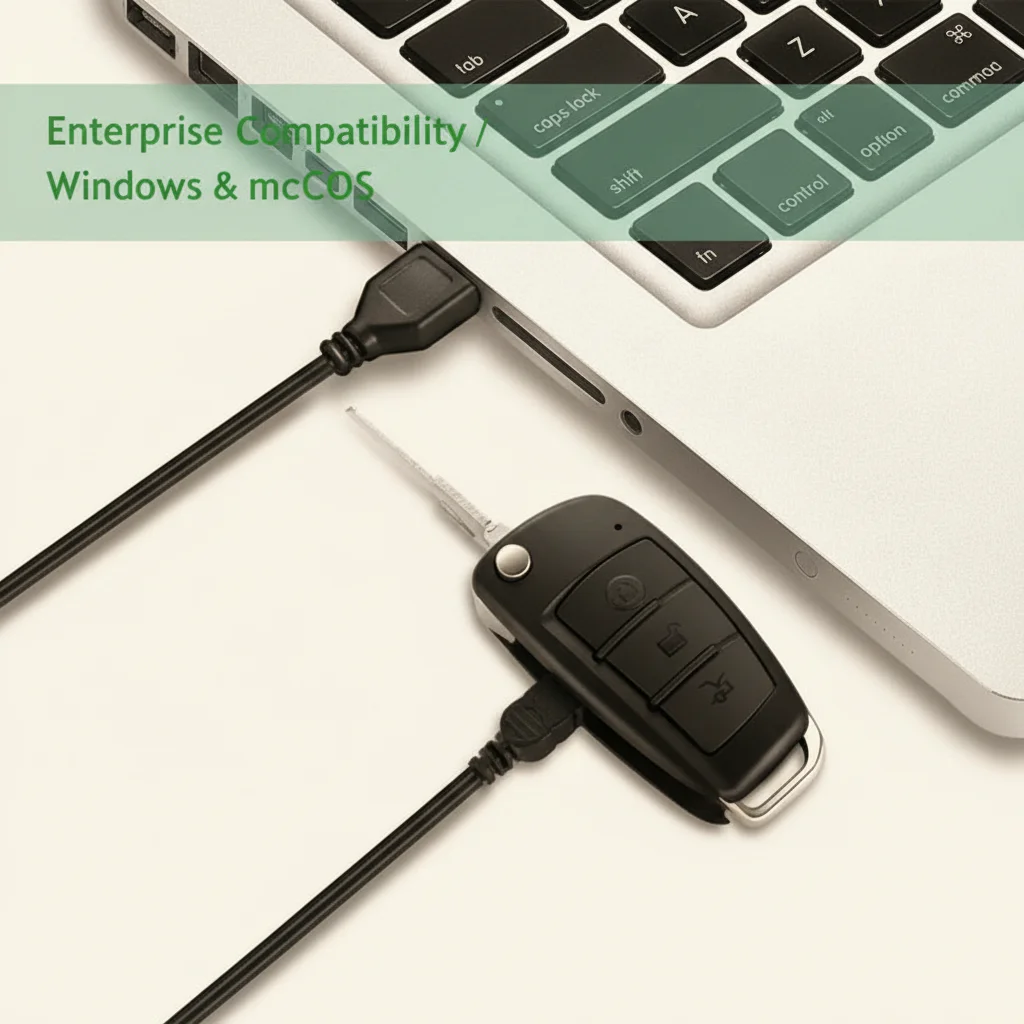
The micro SD card slots and USB charging port are cleverly integrated into the key body, often disguised as seams or battery compartment access points. To charge the device, simply plug the included USB cable into the port—just like charging any USB device.
Key Features to Look For
1. Video Resolution
The minimum acceptable resolution for a car key spy camera in 2026 is 1080p Full HD. Higher-end models offer 2K or even 4K recording, which provides clearer images when you need to capture fine details like faces, license plates, or documents.
2. Night Vision Capability
Many surveillance situations happen in dim lighting. Look for cameras with infrared (IR) LEDs—typically 850nm—that activate automatically when ambient light drops below a threshold. Good night vision can capture usable footage in near-darkness from up to 10 feet away.
IR night vision does produce a faint red glow from the LEDs, which is invisible to the naked eye but can be seen by other cameras. If total invisibility is critical, choose a model with 940nm “black infrared” LEDs that produce no visible glow whatsoever.
3. Motion Detection
Motion detection is a power-saving feature that tells the camera to start recording only when movement is detected in the frame. This dramatically extends effective recording time and saves SD card space. Most car key cameras implement motion detection using frame-difference algorithms—when pixels change significantly between consecutive frames, recording begins.
Sensitivity is adjustable on better models. Set it too high and you’ll record every dust particle; too low and you might miss an event.
4. Loop Recording
Loop recording automatically overwrites the oldest files when the SD card is full. This ensures the camera never stops recording due to storage issues—ideal for unattended, long-duration surveillance setups where you can’t check the device frequently.
Most loop recording systems use 5-minute or 10-minute video segments. Old segments are deleted to make room for new ones on a first-in, first-out basis.
5. Wide-Angle Lens
A wider field of view lets you capture more of the scene without repositioning the camera. Look for cameras with at least a 90-degree field of view; 120-degree or 140-degree wide-angle lenses are even better for room coverage.
6. Discreet Design
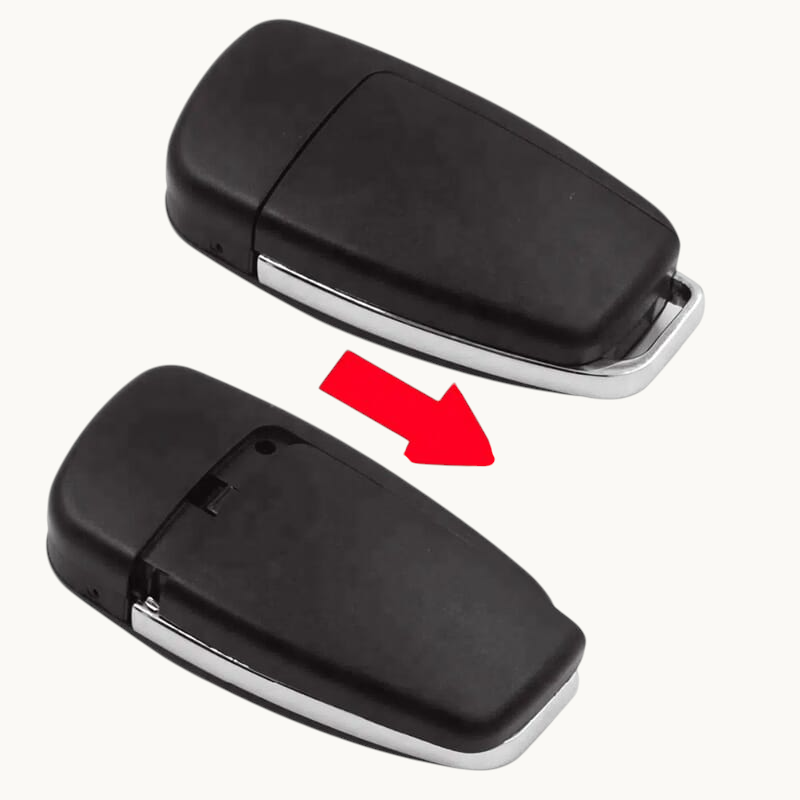
The best car key spy cameras are indistinguishable from real keys. Quality indicators include:
– Realistic weight and feel (often with actual metal key teeth)
– Authentic-looking brand logos or blank professional finish
– No visible lens glare or conspicuous holes
– Buttons that press with authentic tactile feedback
Avoid cheap models where the camera lens is obviously visible as a dark circle—this defeats the entire purpose.
How to Set Up Your Car Key Spy Camera
Setting up a car key spy camera correctly takes about 5 minutes:
Step 1: Insert the Micro SD Card
Use a Class 10 or UHS-I micro SD card for best performance. Insert it into the slot on the side or bottom of the key body. Most cameras support cards up to 32GB; some models accept 64GB or 128GB.
Step 2: Format the Card
Before first use, format the SD card in the camera itself (hold the recording button for 5 seconds, or refer to the manual). This ensures the file system is set correctly and prevents recording errors.
Step 3: Charge the Battery
Connect the camera to a USB power source using the included cable. A full charge takes 60–90 minutes and provides 1–2 hours of continuous recording. The LED indicator turns from red to blue (or goes off) when charging is complete.
Step 4: Test Recording
Press the recording button once and check the LED indicator. On most models, a solid blue or blinking LED confirms video recording has started. Record for 30 seconds, then stop and view the file on your computer to verify audio and video quality.
Step 5: Configure Motion Detection (Optional)
Refer to the manual to enable motion detection mode. This typically involves pressing and holding a button combination. When active, the camera enters standby mode and wakes up only when motion triggers recording.
Best Use Cases for Car Key Spy Cameras
Office and Workplace Monitoring
Place the car key on a desk, bookshelf, or table in the meeting room. It blends seamlessly with other personal items. It can document meeting conversations, witness misconduct, or capture evidence of theft.
Personal Protection Evidence
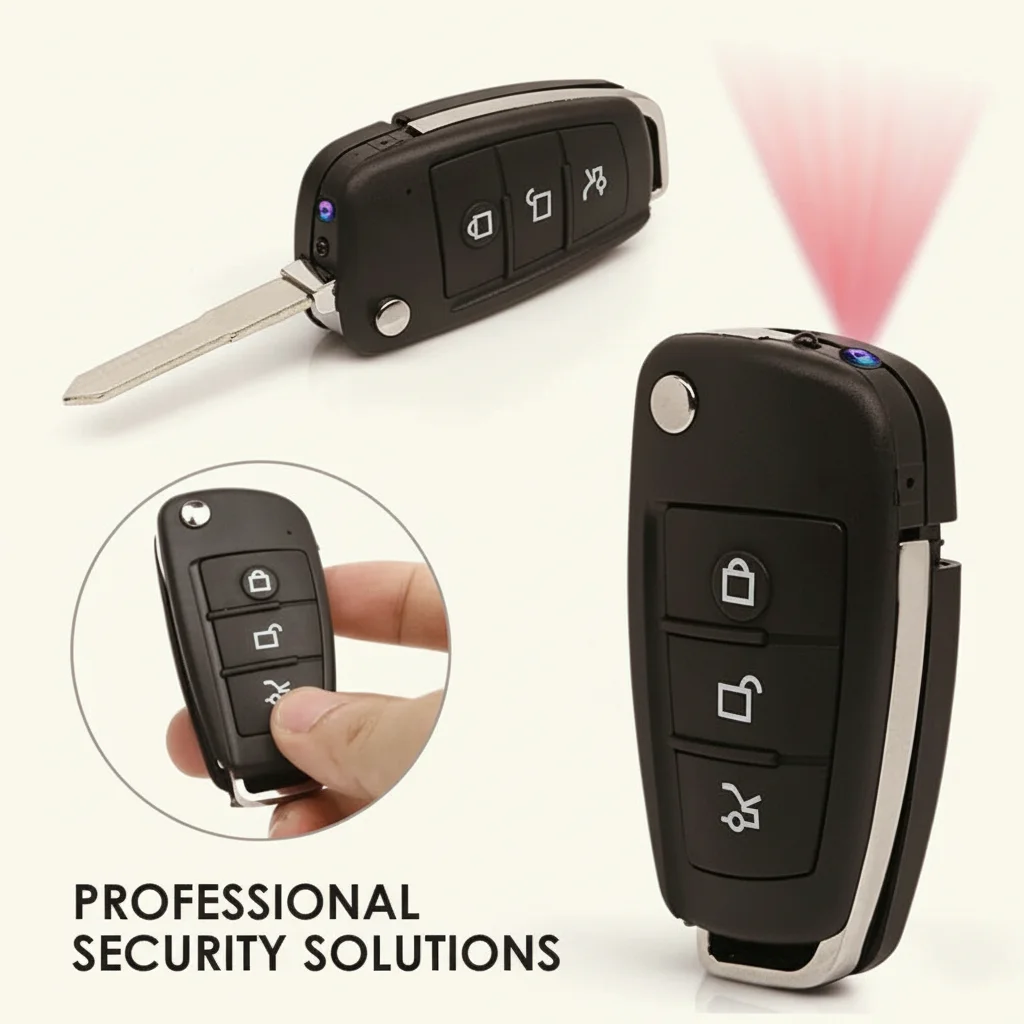
Hold the key naturally in your hand during a confrontational conversation, or clip it to your bag strap. The camera records your interaction without anyone’s awareness. This evidence can be invaluable in legal disputes, HR complaints, or personal protection situations.
Home Nanny or Caregiver Monitoring
Leave the key on an entryway table or counter. The camera provides an unobtrusive way to monitor caregivers, domestic workers, or anyone else who has access to your home during your absence.
Field Investigation and Documentation
Private investigators and journalists use car key cameras because they’re the most naturalistic handheld recording devices available. Holding a key while talking to someone looks completely normal—no phone to raise suspicion, no obvious camera to dodge.
Tips for Better Recordings
Optimize Placement Height: Position the camera at chest height for face recordings, or at table height for document/surface recordings. The wide-angle lens captures more vertically than you might expect.
Check the Viewing Angle Before Use: Point the key at a mirror and look for the tiny lens. Get a feel for exactly where the camera is pointing before your actual recording session.
Use a High-Quality SD Card: Cheap or slow cards cause dropped frames and corrupted files. Stick with reputable brands like SanDisk or Samsung, rated Class 10 or higher.
Test in Your Expected Lighting Conditions: If you’ll be recording in fluorescent office lighting, test there. If you need night vision, test in a similar dark environment. Don’t assume the camera will perform well in untested conditions.
Keep Battery Topped Up: Don’t let the battery fully discharge between uses. Top it up before any important recording session to ensure full recording time availability.
How to Transfer and View Footage
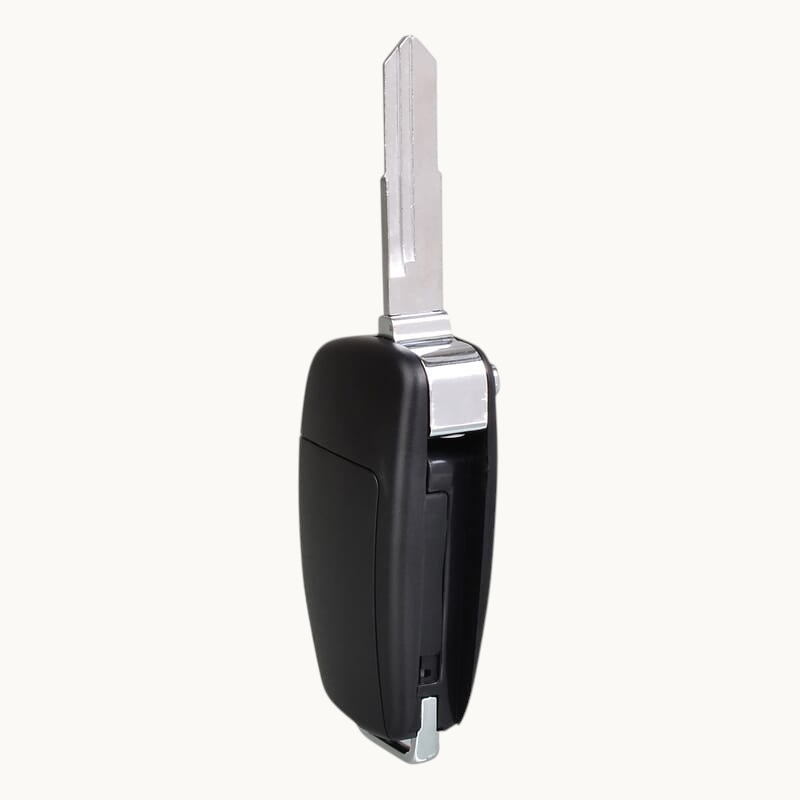
After recording, transfer footage in one of two ways:
1. Direct USB Connection: Plug the camera into your computer via the USB port. It mounts as a removable drive. Copy the video files (typically .AVI or .MP4 format) to your computer.
2. SD Card Reader: Remove the micro SD card and use a card reader to access files directly. This is faster for large amounts of footage.
Most car key spy cameras create files in a folder named “DCIM” or “VIDEO” on the SD card. Use any media player (VLC, Windows Media Player, QuickTime) to play the footage.
Legal Considerations
Before using a car key spy camera, understand the laws in your jurisdiction:
– Two-party consent states/countries: Some jurisdictions require all parties being recorded to consent to the recording. Recording conversations without consent may be illegal.
– Private vs. public spaces: Generally, recording in public spaces is legal; recording in private spaces (bathrooms, changing rooms) is almost always illegal.
– Employer-employee monitoring: Laws vary significantly. Many jurisdictions require employees to be notified of workplace monitoring.
Always use spy cameras for lawful purposes and within the boundaries of applicable law. When in doubt, consult a legal professional.
Frequently Asked Questions
Q: Can a car key spy camera record audio?
A: Yes. Almost all car key spy cameras include a built-in microphone that records audio along with video. Audio quality varies by model but is typically sufficient to capture conversations within a 10-foot radius.
Q: How long can a car key camera record continuously?
A: Battery life limits continuous recording to 1–2 hours on most models. With a 32GB SD card, you can store approximately 4–8 hours of 1080p footage. Use a power bank or USB cable with the charging port to extend recording time indefinitely.
Q: Does the camera make any sound when recording?
A: Most car key cameras operate silently—no beeps, no motor sounds. Some budget models emit a faint startup beep; check product specifications before purchasing if silence is critical.
Q: Can I use the camera as an actual car key?
A: Most car key spy cameras are cosmetic replicas—they don’t have actual transponders for vehicle locking. They’re designed to look like car keys, not function as one. A few specialized models do incorporate working key fob electronics, but these are premium products.
Q: What happens when the SD card is full?
A: With loop recording enabled, the camera automatically deletes the oldest video files to make room for new recordings. Without loop recording, the camera stops recording when the card is full.
Conclusion
A car key spy camera offers an unmatched combination of concealment, functionality, and ease of use. Its natural camouflage as an everyday object makes it ideal for situations where a visible camera would be noticed immediately. With 1080p resolution, night vision, motion detection, and loop recording packed into a device that fits in your pocket, it’s one of the most capable covert recording tools available today.
When selecting a car key spy camera, prioritize video quality, night vision performance, and build quality to ensure the device actually looks like a real key. Test thoroughly before any critical use case, follow the legal requirements in your jurisdiction, and you’ll have a reliable, discreet surveillance tool that delivers results when you need them most.

 English
  Italiano
  Deutsch
  Français
  Español
  Polski