
Hidden Cameras vs Traditional CCTV: Which Is Right for Your Situation?
Walk into any electronics retailer and you’ll see two fundamentally different approaches to security cameras. One is built to be seen. The other is built to be invisible. Both have legitimate uses—but the wrong choice can leave you with a drawer full of footage that shows nothing useful.
This guide compares hidden covert cameras and traditional CCTV on every dimension that matters: deterrence, evidence quality, installation complexity, cost, and legal implications. By the end, you’ll know which approach fits your situation—or whether you need both.
What Each System Is Actually Built to Do
Before comparing specs, it helps to understand the design philosophy behind each type.
Traditional CCTV (closed-circuit television) is engineered around visibility. The large housing, prominent mounting positions, indicator lights, and warning signs are all intentional. The primary function isn’t recording—it’s deterrence. A camera that’s never actually triggered is still doing its job if it stops theft from happening in the first place.
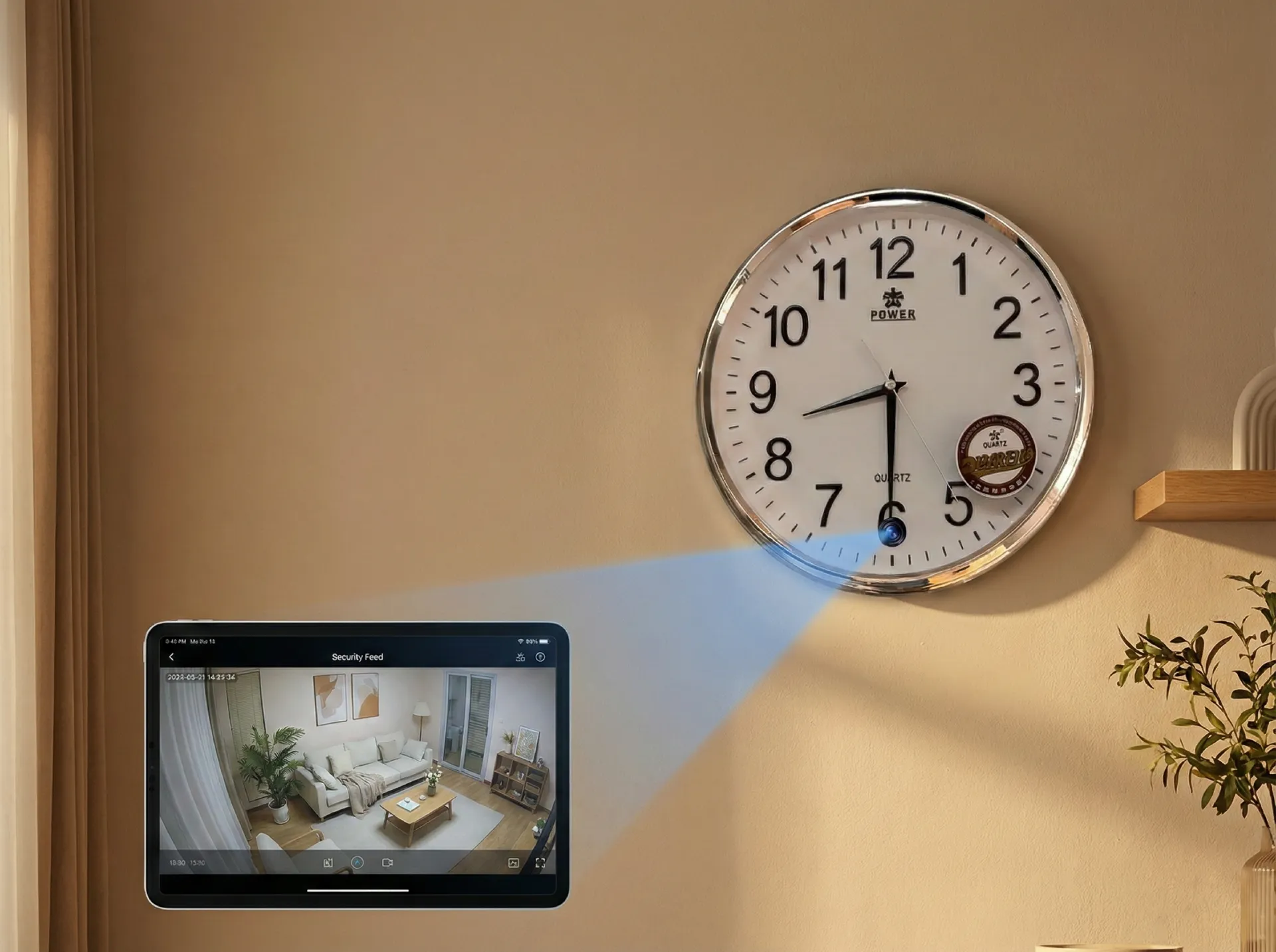
Hidden cameras are engineered around concealment. They’re built into everyday objects—USB chargers, alarm clocks, smoke detectors, pens, eyewear—so the subject has no idea they’re being recorded. The primary function is documentation, not deterrence.
Neither is universally superior. A security setup that uses only visible CCTV has blind spots that experienced bad actors will exploit. A setup that uses only hidden cameras is documenting problems rather than preventing them.
The smartest operators use both—and deploy each where it’s most effective.
Head-to-Head Comparison
Deterrence
| Criterion | Traditional CCTV | Hidden Camera |
|---|---|---|
| Stops opportunistic theft | ✅ High effectiveness | ❌ No deterrence |
| Stops organized crime | ⚠️ Moderate (they work around it) | ✅ Highly effective (no avoidance possible) |
| Stops employee theft | ⚠️ Moderate (cameras are memorized) | ✅ Effective (if deployment is unknown) |
| Requires disclosure | ✅ No, signage substitutes consent | ⚠️ Depends on jurisdiction |
Traditional CCTV wins on deterrence for casual shoplifters and external threats. Hidden cameras win on evidence capture for subjects who know the environment.
Image Quality
Modern CCTV systems have pulled ahead significantly in this category. Commercial-grade CCTV runs at 4K, supports wide dynamic range (WDR) for high-contrast lighting, and can identify faces reliably at 15+ meters.
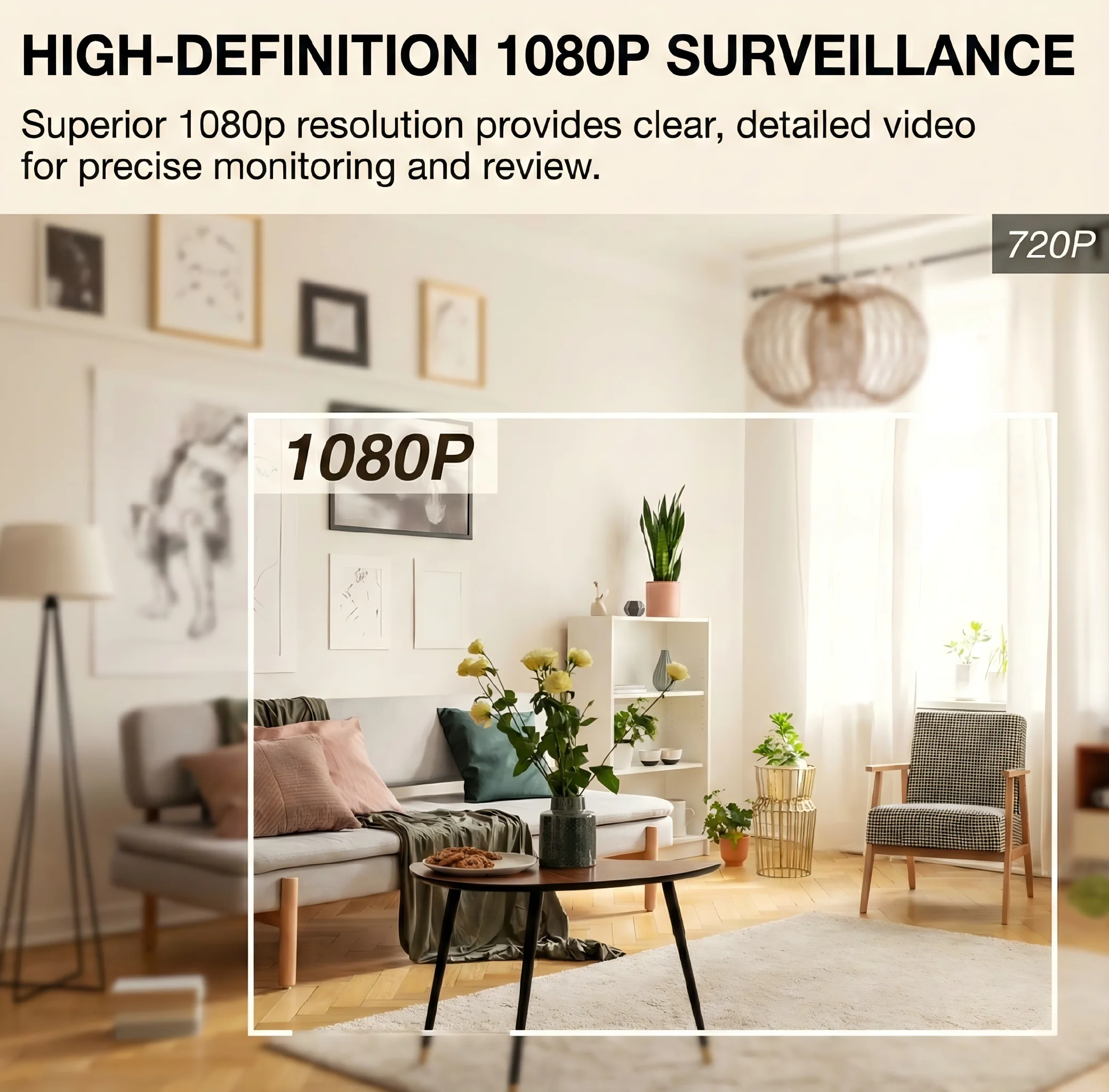
Hidden cameras generally top out at 1080p–4K, which is competitive for close-range recording. The key difference is optics and placement:
A CCTV camera uses a large sensor and a high-quality lens mounted at the optimal angle.
A hidden camera uses a miniaturized lens concealed inside an object. Lens quality varies significantly. Budget units can produce washed-out color and soft focus that looks fine on a phone screen but won’t support a confident identification in a formal proceedings.
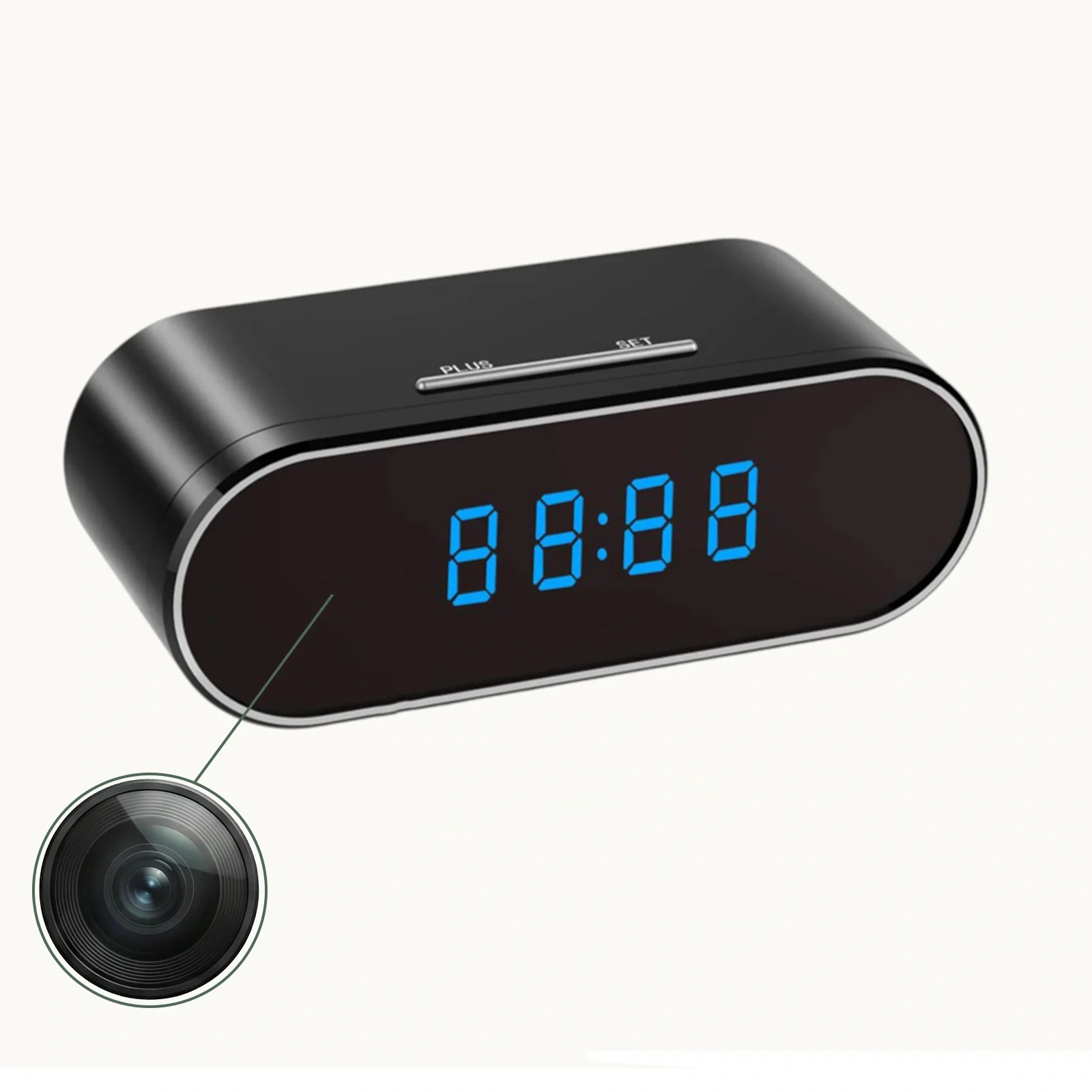
For close-range applications (within 3–5 meters): A good hidden camera like the Z10 WiFi clock camera or WiFi USB charger camera produces sharp 1080p footage that clearly captures faces, hands, and objects.
For long-range or outdoor identification: Traditional CCTV is the right tool.
Installation
CCTV installation is a capital project. Cameras need power runs, cable management, DVR/NVR hardware, network infrastructure, and often professional installation. A basic 4-camera system covering one retail unit typically costs £500–£2,000 in hardware and £300–£600 in installation.
Hidden cameras are plug-and-play. A WiFi smoke detector camera mounts to a standard fixture in minutes. A USB charger camera plugs into a wall socket. No cables, no electricians, no DVR. The total time from box to live view is under 30 minutes for most models.

This matters enormously for:
– Temporary deployments (investigating a specific incident, covering a seasonal location)
– Rented commercial spaces (no structural modifications needed)
– Small businesses without IT infrastructure
– Rapid response situations (an incident starts; you need a camera in place today)
Cost
| Category | Traditional CCTV | Hidden Camera |
|---|---|---|
| Hardware per camera | £100–£800 | £40–£200 |
| Installation | £300–£1,500+ | None |
| Recording infrastructure | DVR/NVR: £150–£500 | SD card or cloud: £10–£15/month |
| Maintenance | Professional servicing | DIY firmware updates |
| Ongoing storage | Local NVR | SD card + optional cloud |
For a small retail business comparing a 4-camera CCTV system vs. 4 covert WiFi cameras:
– CCTV total cost: £1,400–£4,700
– Covert cameras: £160–£800
The covert approach is 60–80% cheaper. The question is whether the lower cost trades away capabilities you actually need.
Remote Access and Monitoring
Until about 5 years ago, this was a clear win for traditional CCTV, which had cloud platforms and centralized monitoring dashboards. That gap has closed.
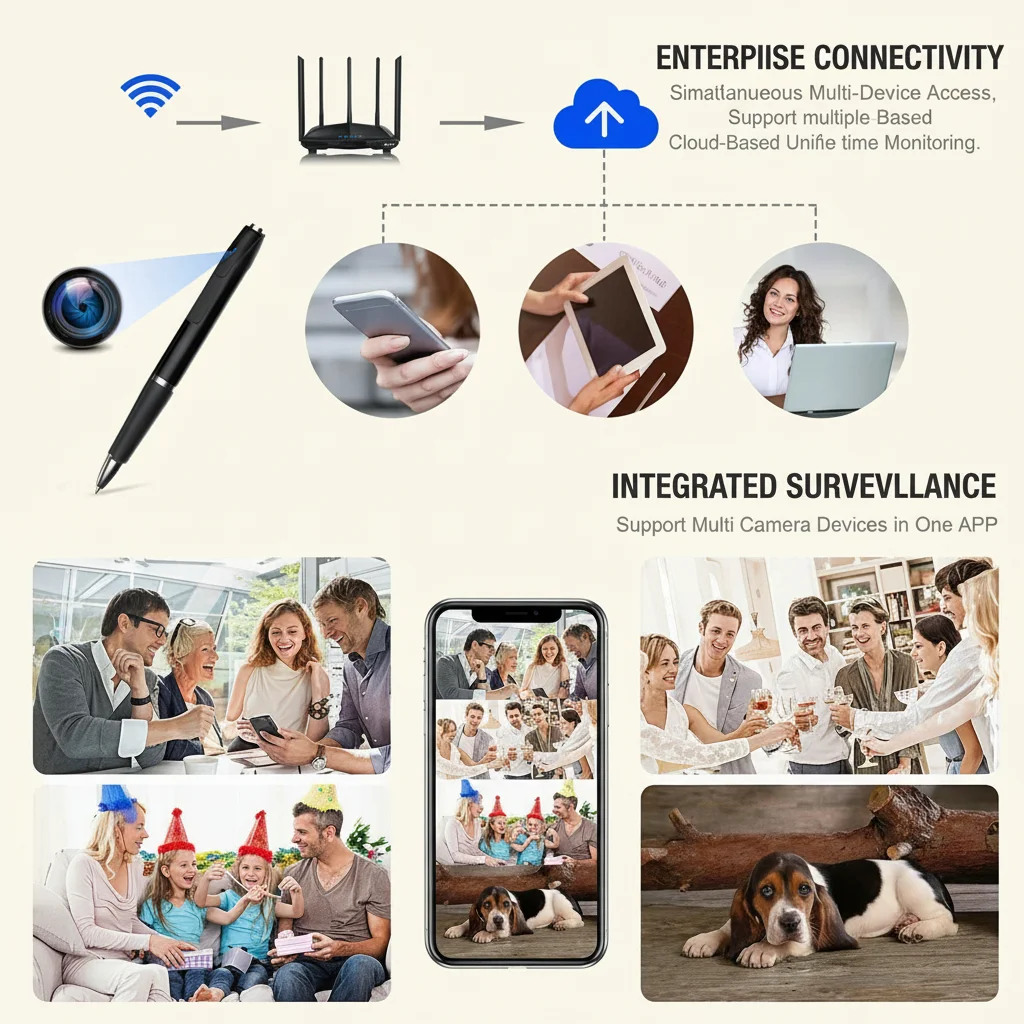
Modern WiFi hidden cameras use apps like Tuya Smart and TinyCam that provide:
– Live view from any smartphone
– Motion-triggered push notifications
– Cloud clip storage and retrieval
– Multi-camera dashboards
– Remote PTZ control (on some models)
The experience is comparable to entry-level commercial CCTV apps. For a shop owner monitoring a single location from home, there’s no meaningful difference in day-to-day usability.
For enterprise-scale monitoring (50+ cameras, integrated analytics, ONVIF compatibility), commercial CCTV platforms remain more capable. Hidden cameras don’t integrate with enterprise VMS software.
Concealment and Social Dynamics
This is where hidden cameras win unconditionally.
A research study from the Loss Prevention Research Council (LPRC) found that shoplifters with prior experience specifically monitored camera positions and adjusted their behavior accordingly. What looks like successful deterrence is often just displacing the behavior to the camera’s blind spots.
Professional shoplifting groups (organized retail crime networks that operate in the UK, Germany, France, and increasingly the US) spend the first 5–10 minutes in any store profiling the security setup before acting. Visible cameras don’t deter them—they inform them.
Hidden cameras have no such weakness. A WiFi smoke detector camera on the stockroom ceiling looks identical to the fire safety equipment it’s built to mimic. There’s nothing to profile.

The same principle applies to internal investigations. An employee under suspicion who knows where the CCTV cameras are will change their behavior in those zones. The same employee has no opportunity to adjust behavior around a camera they can’t identify.
The Hybrid Approach: Using Both
The most effective security deployments combine both systems. Here’s a practical framework:
Layer 1 — Visible CCTV at entry/exit points. Cover the front door, parking area, and cash desk with overt cameras. Visible cameras at these points create a liability record and deter casual shoplifters. Signage is legally required and clearly visible.
Layer 2 — Covert cameras in high-risk secondary zones. Stockroom, break room, back office, POS counter. These zones see internal theft and organized shoplifting that avoids Layer 1.
Layer 3 — Mobile covert capability. A portable covert camera (power bank camera, pen camera) for specific time-limited investigations. If you suspect a particular employee during a particular shift, deploy a targeted device for that window.
This layered approach means the visible cameras handle deterrence and documentation for 80% of incidents. The covert layer handles the 20% that visible cameras can’t address—and that 20% is often responsible for the majority of total losses.
Legal Considerations for Each Approach
Both types of surveillance are legal in the UK and EU for legitimate purposes—but the rules differ.
Traditional CCTV falls under the Surveillance Camera Code of Practice in the UK, administered by the Surveillance Camera Commissioner. Businesses operating visible systems with public access must register with the ICO and display appropriate CCTV notices. The sign replaces individual consent for customers.
Hidden cameras used in workplace investigations are covered by ICO employment monitoring guidance. A key distinction: covert monitoring is permitted for investigating specific suspected wrongdoing but not for general ongoing workplace monitoring.
In practical terms for retailers:
– You can install a covert camera in a stockroom when you have reason to suspect specific theft
– You cannot install covert cameras as a permanent, undisclosed monitoring system that employees are never informed about
– The line between these two is important—and varies by country
For UK businesses, the relevant guidance is the ICO Employment Practices Code. For EU businesses, Article 6(1)(f) of GDPR (legitimate interests) covers targeted covert investigations with documented justification.
Making the Decision: Questions to Ask Yourself
What’s your primary goal? If it’s deterrence—stopping theft before it happens—traditional visible CCTV. If it’s documentation and evidence—catching what’s already happening—covert cameras.
What’s your budget? Under £500, covert cameras are the practical choice for 1–4 locations. Over £1,000, a hybrid system is achievable.
What’s the physical environment? Outdoor, long-range, or harsh-environment situations favor CCTV. Indoor, controlled spaces favor covert cameras.
Do you have an immediate specific problem? A targeted covert deployment resolves specific investigations faster and more cleanly than a permanent CCTV extension.
What are your staff and legal obligations? If you have a formal employment contract with monitoring clauses and a works council (common in Germany), your obligations before deploying covert monitoring are more complex than in the UK. Get legal advice before deploying in EU workplaces.
Key Takeaways
| Situation | Recommended Approach |
|---|---|
| High-street retail, customer deterrence | Traditional CCTV (visible, with signage) |
| Internal theft investigation | Covert camera (WiFi, motion-triggered) |
| Multi-location remote monitoring | WiFi covert cameras (app-based access) |
| Long-range outdoor identification | Traditional CCTV (high-resolution) |
| Small business, limited budget | Covert cameras (no installation cost) |
| Enterprise-scale system integration | Traditional CCTV (ONVIF, VMS compatibility) |
| Specific time-limited investigation | Portable covert camera (power bank, pen) |
Frequently Asked Questions
Can I use both a CCTV system and hidden cameras in the same premises?
Yes. Many businesses operate both: visible CCTV at entry points and customer-facing areas, covert cameras in stockrooms and back offices. Each serves a different purpose and the two systems complement each other well.
Does having a visible camera on the door mean I don’t need to do anything else?
Not if you have problems with internal theft or organized shoplifting. Visible cameras are documented and worked around by experienced offenders. A covert camera in a secondary zone catches behavior that your front-of-store CCTV never sees.
What’s the evidence quality difference for an employment tribunal?
Both types of footage can be used as evidence. The key requirements are consistent: footage must be genuine, unedited, timestamped, and obtained with documented legitimate purpose. For formal proceedings, 1080p or higher is recommended for clear identification. Cloud backup creates an immutable record that strengthens evidential value.
Are there spaces where hidden cameras are never legal?
Yes. Bathrooms, changing rooms, and private medical areas are off-limits in all UK and EU jurisdictions regardless of purpose. Hidden cameras in these areas constitute a criminal offense. This applies without exception to all business types.
Which is easier to maintain long-term?
Covert cameras are significantly easier to maintain: firmware updates via app, SD card replacement, no physical servicing required. Traditional CCTV requires regular lens cleaning, cable inspections, DVR hard drive management, and occasional professional attention.
Evaluating security options for your business? Browse covert cameras at QZT Security or contact us to discuss a solution for your specific setup.

 English
  Italiano
  Deutsch
  Français
  Español
  Polski