
Un objet en forme de détecteur de fumée peut contenir une caméra, mais one extra hole, one LED or one unusual vent is not proof. Les vrais détecteurs de fumée varient considérablement selon la marque et le modèle, et une caméra peut également être dissimulée derrière une ouverture d'apparence ordinaire.
Utilisez plusieurs vérifications ensemble :
1. identifier le modèle exact de détecteur de fumée si possible ;
2. comparez son boîtier avec la disposition documentée par le fabricant ;
3. inspecter les ouvertures suspectes sous plusieurs angles ;
4. n'utilisez les outils de détection de reflets d'objectif ou RF que pour les indices qu'ils sont conçus pour trouver ;
5. ne considérez pas un scan RF silencieux comme la preuve qu'aucune caméra n'existe.
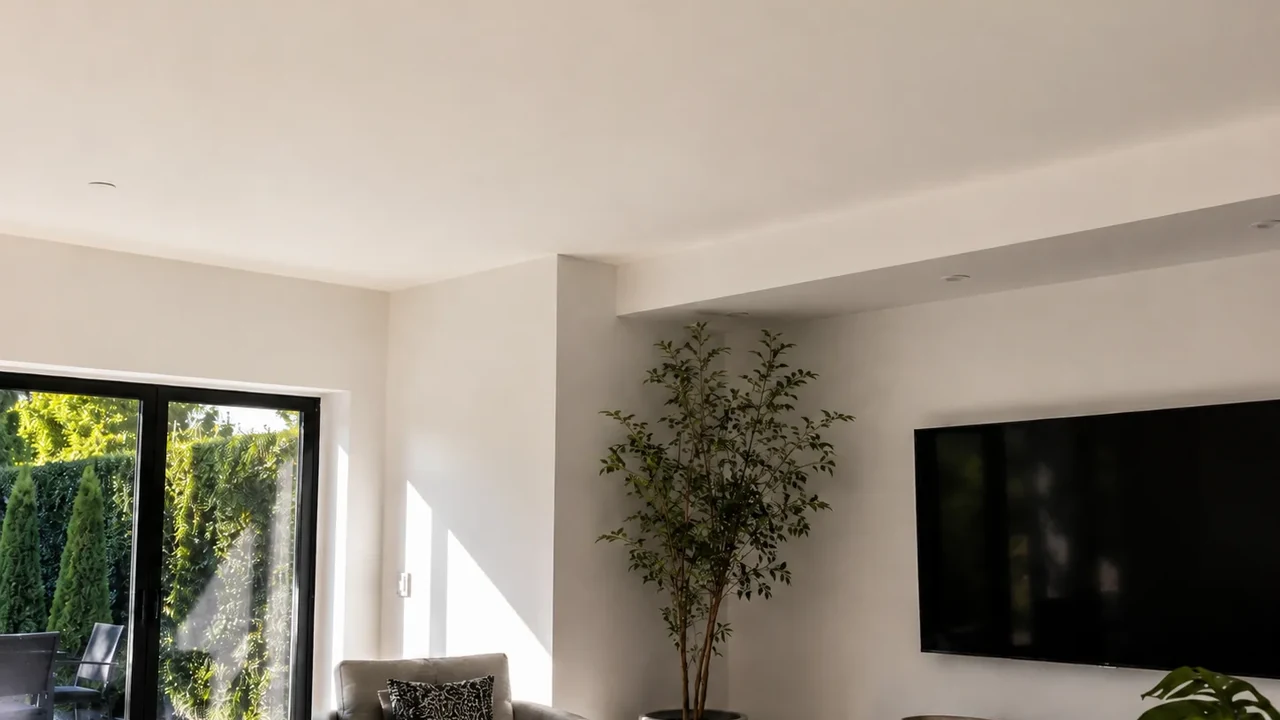
Image source réelle du QZT SC02 montrant une caméra intégrée dans un boîtier de type détecteur de fumée. Il s'agit d'une référence visuelle, et non d'une preuve qu'un détecteur de fumée inconnu contient une caméra.
1. Identifiez le modèle exact de détecteur de fumée avant de juger les trous
Un véritable détecteur de fumée peut comporter des évents, des LED indicatrices, des boutons de test, des ouvertures de haut-parleur, des chambres de détection et des orifices de service spécifiques au modèle. La première vérification la plus sûre consiste à identifier l'appareil plutôt qu'à le comparer à une image générique de « ce à quoi un détecteur de fumée devrait ressembler ».
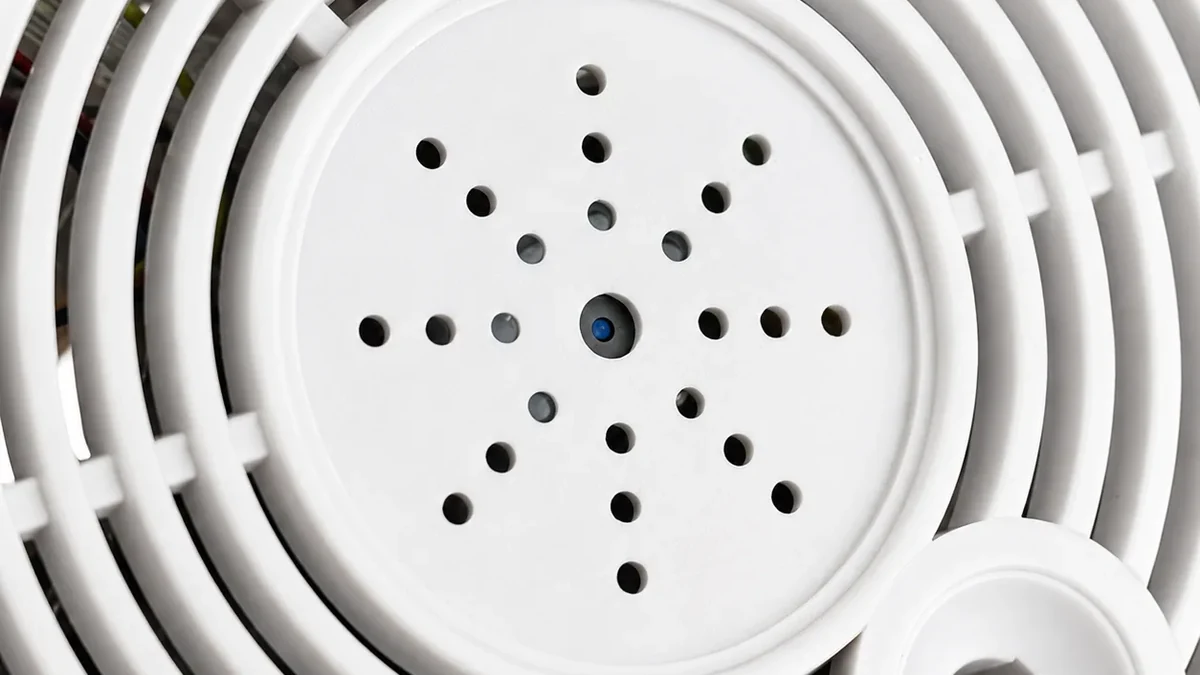
Image réelle du produit QZT SC02. L'ouverture visible de la caméra est spécifique à ce produit et ne doit pas être considérée comme une disposition universelle.
Cherchez :
– étiquette du fabricant et du modèle ;
– certification or compliance markings;
– installation/manual reference;
– positions des boutons et des LED ;
– si le boîtier correspond aux photos actuelles du produit du fabricant ;
– toute ouverture ou fenêtre sombre qui n'est pas expliquée par la conception documentée.
Si vous êtes dans un hôtel, un logement locatif ou un lieu de travail et que vous ne pouvez pas accéder à l'étiquette arrière en toute sécurité, photographiez l'appareil sous plusieurs angles et demandez les informations sur le modèle au gestionnaire de la propriété ou à la personne responsable.
A suspicious opening is a reason to inspect further. It is not a final identification by itself.
2. Recherchez un chemin optique, pas un « trou magique »
Une caméra a besoin d'un chemin optique pour voir la pièce. Ce chemin peut être évident, minuscule, encastré, teinté ou caché derrière un autre matériau.
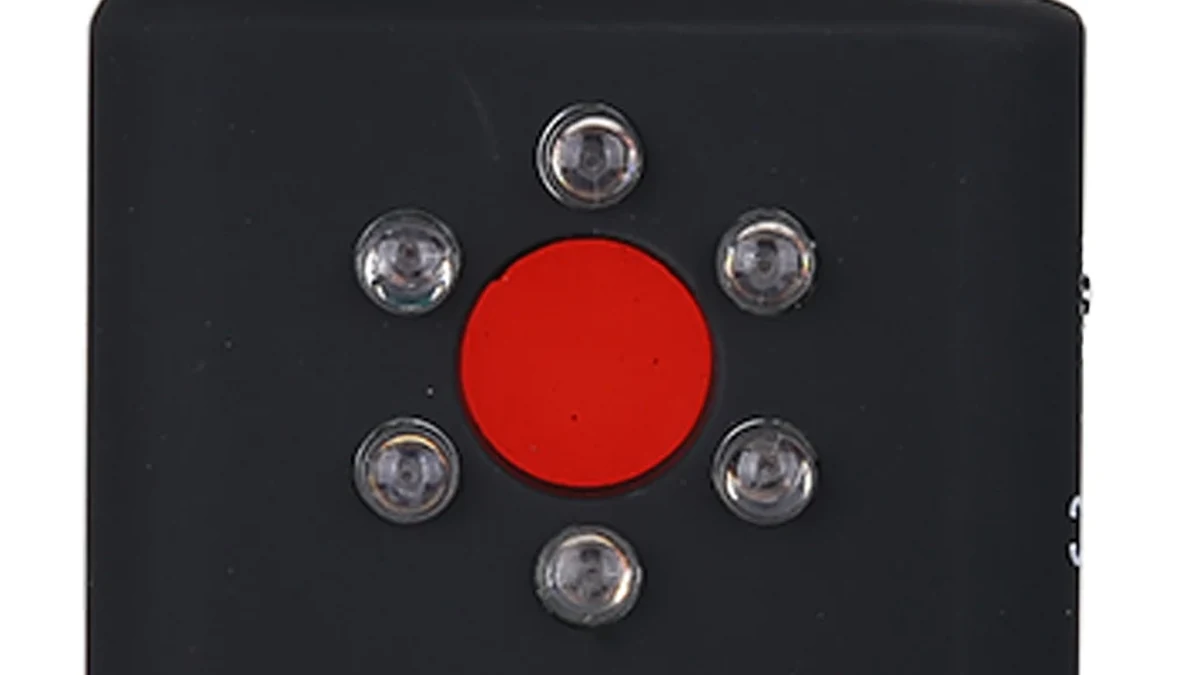
Véritable matériel de détection d'objectif QZT DT01. Les contrôles de réflexion d'objectif dépendent de la ligne de vue et de l'angle de vision.
Inspectez l'objet sous plusieurs angles. Une petite ouverture sombre qui semble orientée vers la pièce mérite votre attention, surtout si elle ne correspond pas à la conception documentée du détecteur de fumée.
La lampe torche d'un téléphone peut parfois révéler un petit reflet brillant provenant d'un verre ou d'un objectif de caméra, mais ce n'est pas définitif :
– le plastique poli, les vis et les capteurs peuvent également réfléchir ;
– a recessed or covered lens may not reflect strongly;
– l'angle utile peut être étroit ;
– un reflet vous indique où inspecter, pas ce qu'est l'objet.
N’appliquez pas la règle « un vrai objectif réfléchit toujours et le plastique jamais ». Les matériaux réels et les angles de vue sont bien plus variables que cela.
3. Les outils de réflexion d'objectif peuvent aider lorsque la caméra ne transmet pas
Un détecteur de lentille dédié envoie de la lumière vers la zone suspectée et permet à l'opérateur de rechercher un retour provenant d'une lentille exposée.
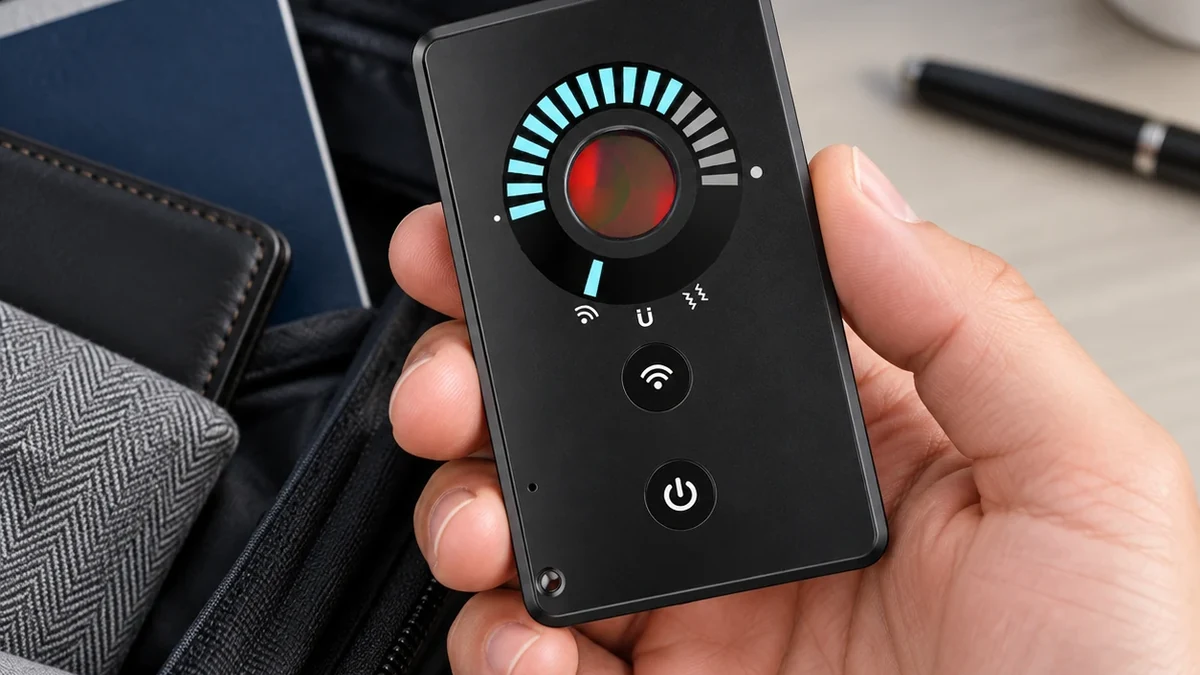
Image réelle du produit QZT Card007. Le mode objectif peut être utile même lorsqu'une caméra n'émet pas, mais uniquement si l'objectif est optiquement visible.
Cela rend la vérification de la réflexion de l'objectif utile pour une caméra qui enregistre localement sur une carte mémoire ou qui ne transmet pas actuellement de vidéo via WiFi.
Its limits remain important:
– line of sight is required;
– un matériau teinté ou opaque peut bloquer le retour ;
– un objectif profondément encastré peut être difficile à voir ;
– les objets brillants qui ne sont pas des caméras peuvent créer de fausses réflexions.
Changez l'angle de vue et confirmez la présence de l'objet physique avant de conclure qu'un reflet est une caméra.
Pour une explication plus complète des limites des détecteurs optiques et RF, voir Détection RF ou d'objectif : que peut réellement trouver un détecteur de caméra cachée ?.
4. Les analyses RF et réseau ne sont utiles que pour les communications actives
Un détecteur RF réagit à l'énergie radio. Une analyse réseau montre les appareils visibles sur le réseau que vous êtes autorisé à inspecter. Aucun de ces outils n'identifie automatiquement « une caméra ».
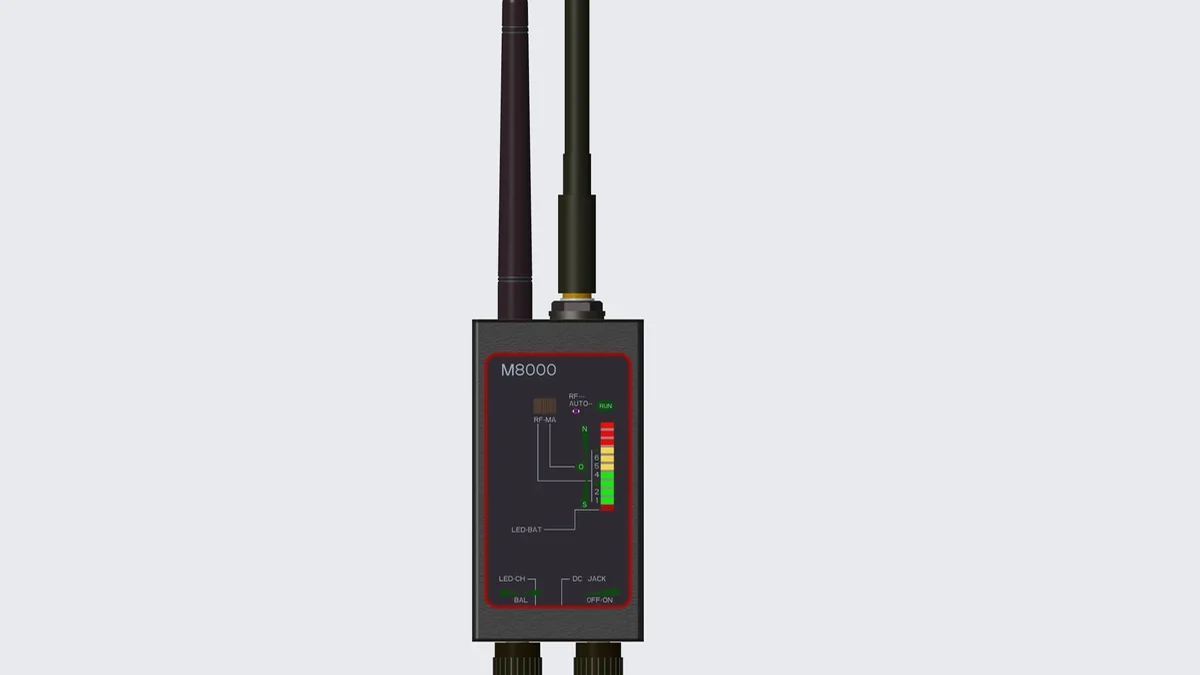
Image réelle du produit QZT M8000. Une alerte RF signifie qu'une activité radio est présente ; elle n'identifie pas l'émetteur comme une caméra cachée.
Les appareils normaux peuvent créer une activité RF :
– Routeurs WiFi et points d'accès ;
– téléphones et tablettes ;
– Bluetooth accessories;
– smart-home devices;
– wireless audio equipment.
Si une lecture RF devient plus forte près de l'objet en forme de détecteur de fumée, réduisez la sensibilité à mesure que vous vous en approchez et comparez le résultat avec les émetteurs connus dans la pièce.
Un scan WiFi/réseau présente une limitation supplémentaire : il ne montre que les appareils visibles via le réseau auquel vous avez accès. Une caméra utilisant un autre réseau, des données cellulaires, un hotspot privé ou aucune connexion radio peut ne pas apparaître.
Utilisez les résultats RF ou réseau comme indices de localisation, puis inspectez l'objet suspecté.
5. Une caméra éteinte ou en enregistrement local peut être silencieuse en RF
Une caméra éteinte n'émet pas activement. Une caméra qui enregistre uniquement sur un stockage local peut également être silencieuse en RF si sa radio sans fil est désactivée ou inactive.
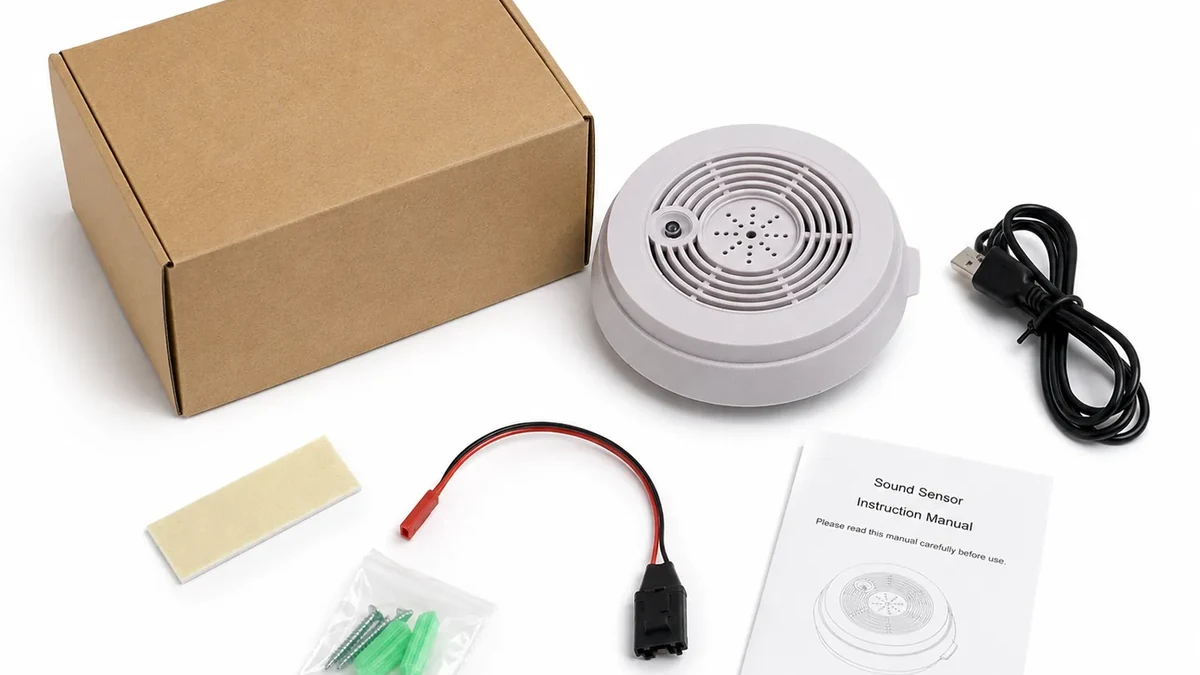
Image réelle de l'emballage du QZT SC02. Le stockage et le comportement sans fil dépendent de la configuration exacte de la caméra ; une photo de l'emballage ne permet pas d'établir une activité RF.
That means:
> L'absence d'alerte RF ne prouve pas qu'aucune caméra n'existe.
Cela signifie simplement que le détecteur RF n'a pas trouvé de transmission pertinente dans les conditions de ce balayage.
Pour la même raison, ne partez pas du principe que chaque caméra détecteur de fumée se connecte au réseau WiFi du site. Certains appareils peuvent utiliser un enregistrement local ou un autre canal de communication.
Si l'appareil est silencieux en RF, l'inspection visuelle et l'examen de l'objectif deviennent plus importants. Si l'accès est autorisé, l'étiquette exacte du produit, la fente pour carte mémoire, le câblage et le matériel interne peuvent fournir des preuves plus solides qu'un balayage sans fil.
6. Si l'appareil est suspect, documentez d'abord et évitez de désactiver une véritable alarme
Un véritable détecteur de fumée est un dispositif de sécurité vitale. Ne le retirez pas, ne le couvrez pas, ne le déconnectez pas et ne le démontez pas, sauf si vous y êtes autorisé et savez que l'appareil peut être manipulé en toute sécurité.
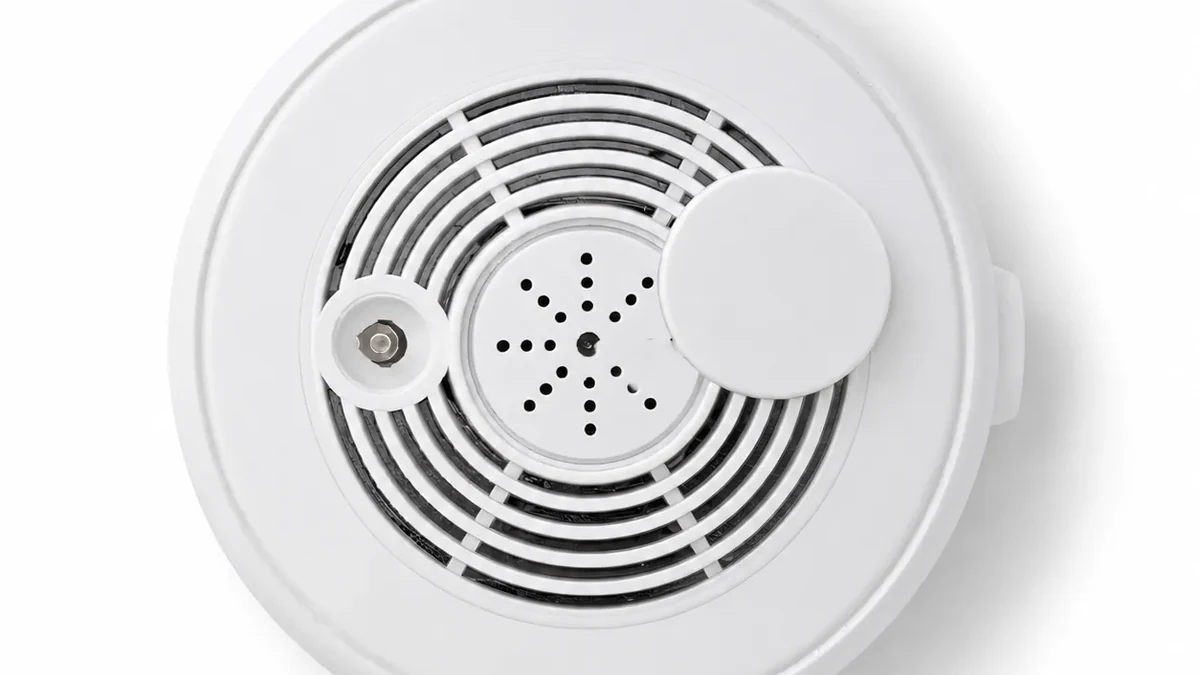
Image réelle du produit QZT SC02 utilisée comme référence documentaire. Si une véritable alarme de bâtiment est concernée, préservez la sécurité et utilisez le contact approprié de la propriété ou de la sécurité.
If you find a suspicious device:
1. photographiez-le sous plusieurs angles ;
2. enregistrer la pièce et l'emplacement exact ;
3. enregistrez les informations du modèle/de l'étiquette si elles sont visibles ;
4. avoid destroying or modifying possible evidence;
5. dans un hôtel ou une location, contactez l'établissement/la plateforme et les autorités locales selon le cas ;
6. sur un lieu de travail ou dans un bâtiment géré, utilisez le canal responsable de la sécurité, des installations ou de la conformité.
Les lois sur la vie privée et l'enregistrement varient selon le pays, l'État et le contexte. L'enregistrement audio peut être soumis à des règles différentes de celles de la vidéo. Pour une situation juridique à haut risque, faites appel à un conseil juridique local plutôt que de vous fier à une règle générique trouvée sur Internet.
L'objectif pratique est d'identifier l'objet sans créer de problème de sécurité incendie ni détruire les preuves.
Questions fréquemment posées
Comment puis-je savoir si un détecteur de fumée est équipé d'un objectif de caméra ?
Comparez le modèle exact de détecteur de fumée avec sa configuration documentée, puis inspectez les ouvertures inexpliquées sous plusieurs angles. Le reflet d'un objectif peut être un indice utile, mais un éclat ou un trou sombre ne constitue pas une preuve en soi.
Mon téléphone peut-il détecter une caméra cachée dans un détecteur de fumée ?
La lampe torche d'un téléphone peut aider à révéler un reflet, et une application réseau peut afficher les appareils présents sur un réseau que vous êtes autorisé à inspecter. Aucune de ces méthodes ne détecte toutes les caméras. Ne vous fiez pas à l'affirmation universelle selon laquelle l'appareil photo de tout téléphone peut voir la lumière infrarouge.
Un détecteur RF peut-il trouver une caméra qui enregistre sur une carte SD ?
Uniquement si la caméra émet des RF pertinentes à ce moment-là. Une caméra à enregistrement local peut être silencieuse en RF. L'inspection de l'objectif ou une inspection physique autorisée peut encore la révéler.
Toutes les caméras cachées dans un détecteur de fumée utilisent-elles le WiFi ?
Non. Les modes de communication et d'enregistrement varient selon l'appareil. Certains peuvent utiliser le WiFi, d'autres peuvent enregistrer localement, et d'autres configurations peuvent utiliser différents réseaux.
Should I take down a suspicious smoke detector?
Pas automatiquement. Un véritable détecteur de fumée est un dispositif de sécurité. Documentez l'objet et faites appel au gestionnaire de la propriété, à la sécurité de l'immeuble, à la plateforme ou aux autorités compétentes, sauf si vous êtes spécifiquement autorisé et qualifié pour le retirer.
Are smoke-detector cameras legal?
Le matériel lui-même peut être vendu sur de nombreux marchés, mais son utilisation peut enfreindre les lois sur la vie privée, l'enregistrement audio, le travail, la location ou le droit pénal selon le lieu et le contexte. Vérifiez les règles locales applicables pour l'installation réelle.
L'approche fiable est donc model identification + optical inspection + mode-appropriate detector checks + safe documentation, pas un seul test « magique ».

 English
  Italiano
  Deutsch
  Français
  Español
  Polski