
Fake 4K Spy Cameras Exposed: Real Distributor Stories and How to Protect Your Business
You receive 200 units of “4K spy cameras” from a new supplier. The spec sheet says 4K. The sales pitch says 4K. The box says 4K. But when your first customer checks actual footage quality, they find 1080p video — upscaled in software to display as “3840×2160” resolution in the file properties. You’ve just paid 4K prices for 1080p hardware.
This is not a hypothetical. It’s the most common product misrepresentation in the covert camera category right now, and distributors across Europe are absorbing the cost. This guide documents eight real case studies from our distributor network, explains exactly how fake 4K claims work technically, and gives you a practical inspection protocol to verify genuine 4K hardware before you commit a purchase order.
What Does “Fake 4K” Actually Mean in the Spy Camera Industry?
“Fake 4K” in the spy camera context refers to one of three things — and understanding which type you’re dealing with matters for how you handle the supplier.
Type 1: Software upscaling
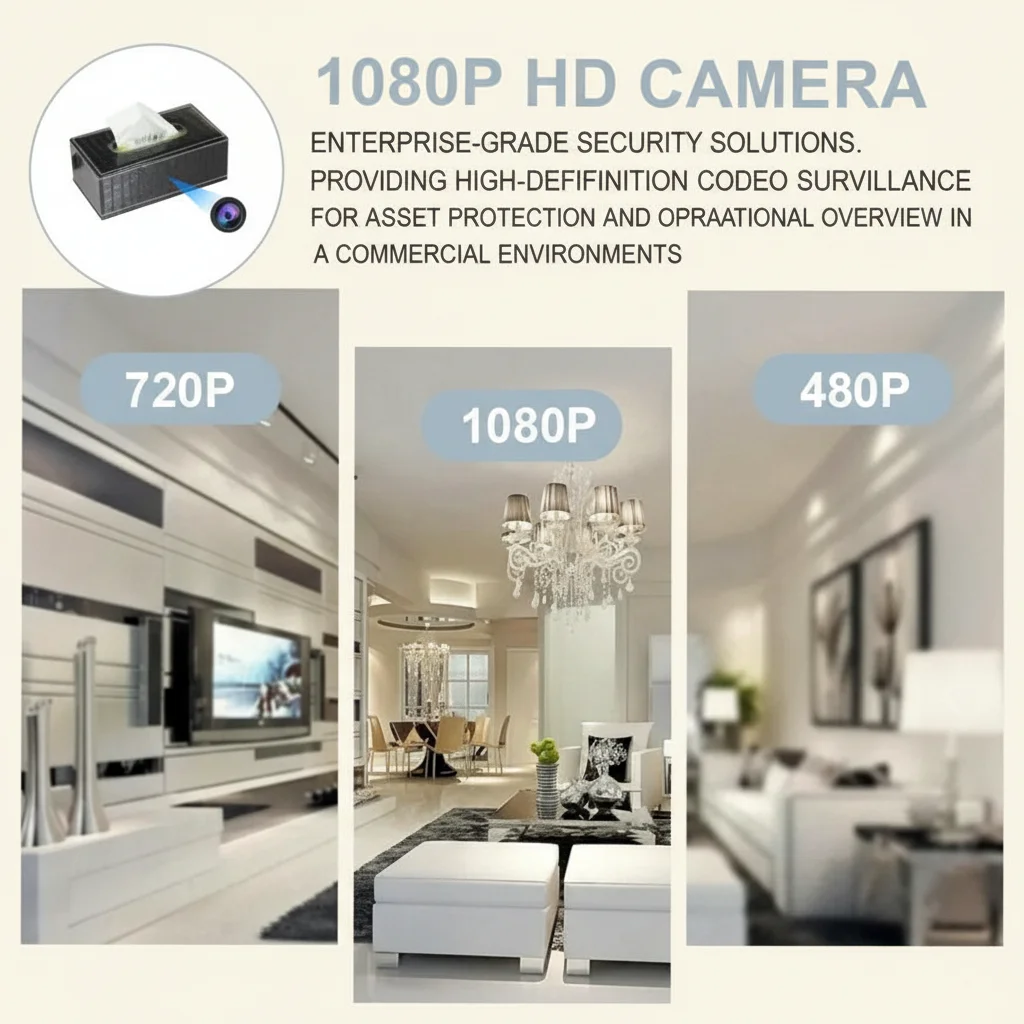
The camera captures native 1080p footage, then uses onboard processing to upscale the video file to 3840×2160 pixels before saving. The file metadata reports “4K” resolution. Actual image detail is 1080p — no additional information exists in those extra pixels. This is the most common form and accounts for approximately 70% of fake 4K claims in the market.
Type 2: Interpolated photo + 1080p video
The camera sensor captures 1080p video but uses a higher-resolution still-photo mode (sometimes genuine, sometimes also interpolated) to create the 4K claim. Marketing materials will say “4K” in the header but note “1080p video recording” in the small print. Technically not dishonest, but frequently misleading.
Type 3: Hardware sensor mislabelling
The supplier claims a specific high-resolution sensor (e.g., “Sony 8MP 4K sensor”) but installs a cheaper, lower-resolution alternative. This requires a physical inspection to detect reliably — the sensor model number on the PCB should match the specification sheet.
| Fake 4K Type | How Common | How to Detect |
|---|---|---|
| Software upscaling | ~70% of fake claims | Pixel peeping test + bitrate check |
| Photo 4K / video 1080p | ~20% | Read video spec in full spec sheet |
| Wrong sensor installed | ~10% | PCB sensor model check |
Key Takeaway: When a supplier quotes 4K, your first question should be: “What is the native sensor resolution and what is the actual video bitrate?” Genuine 4K cameras record at 50–80 Mbps bitrate. Upscaled “4K” typically records at 15–25 Mbps — the same as a standard 1080p camera.
How Did Eight Distributors Get Burned by Fake 4K Claims?
These case studies represent patterns from our distributor network across Europe between 2024 and 2026. Names and precise locations are generalised for confidentiality.
Case 1 — Polish Security Retailer, 150 units
Ordered “4K WiFi clock cameras” from a new supplier found via trade directory. Spec sheet listed “4K Ultra HD recording.” Received 150 units, sold 40 before customer returns started. Actual video resolution: 1080p upscaled. The 40 sold units generated 28 returns and three public reviews calling out the misrepresentation.
Case 2 — German Online Marketplace Seller, 80 units
Listed “genuine 4K spy cameras” based on supplier spec sheet. Amazon detected the misrepresentation through a competitor’s complaint and suspended the listing. The seller had to refund all 80 units and absorb return shipping — approximately €4,200 in total loss.
Case 3 — French Electronics Wholesaler, 300 units
Received clock cameras claiming “4K Tuya” capability. The Tuya integration was genuine; the 4K was not. After testing with professional video analysis software (the bitrate check), the wholesaler discovered 1080p upscaling. Negotiated a partial credit from the supplier but could not return the batch.
Case 4 — UK Security Installer, 60 units
Installed “4K covert cameras” in three commercial premises for a retail client. Client’s IT department ran video forensics as part of their evidence collection procedure and identified the upscaled footage. The installer lost the client and had to replace all 60 units at their own cost — approximately £8,000 total.
Case 5 — Italian Distributor, 200 units
Ordered 4K power bank cameras to serve the Italian hospitality security market. Italian VAT (22%) applied on import — at the higher 4K price point. When the fake 4K was discovered post-import, the VAT loss could not be recovered, and the customs documentation price mismatch created compliance documentation issues.
Case 6 — Dutch Reseller, 30 units
Small first order from a new supplier. The seller specifically requested a genuine 4K module (the C10 TUYA 4K variant) for a smart home integration project. Received hardware with a 1080p sensor and a firmware that reported “4K” in device settings. The Tuya platform showed “1080p” in its device capability display — which flagged the discrepancy immediately.
Case 7 — Spanish Online Store, 100 units
“4K spy glasses” ordered for the sports documentation market. The product included a genuine 4K video mode for outdoor lighting conditions but defaulted to upscaled 1080p in normal indoor use. The spec sheet did not disclose the conditional 4K performance. Technically defensible by the supplier, but commercially dishonest.
Case 8 — Belgian Security Company, 50 units
Ordered 4K wall clock cameras for a corporate client’s meeting room monitoring project. Upon delivery, the corporate client’s procurement team ran a standard verification check (bitrate analysis) — a procedure they apply to all AV equipment purchases. The 1080p upscaling was identified immediately. The Belgian distributor absorbed the return and lost a €45,000 annual contract.
How Do You Test Whether a Spy Camera Is Genuinely 4K?
Here’s what most people get wrong about 4K verification: they look at the video file properties and see “3840×2160” and assume the camera is genuine 4K. That metadata is set by the camera’s firmware — it proves nothing about actual sensor resolution.
The three reliable tests:
Test 1: Bitrate Analysis
Record 60 seconds of footage in standard indoor lighting. Transfer to a computer and check the file bitrate using VLC (right-click the file → Properties → Stream Information → Bitrate).
– Genuine 4K: 50–80 Mbps for H.264, 30–60 Mbps for H.265
– Upscaled 1080p: 15–25 Mbps (same as standard 1080p camera)
– Below 20 Mbps with “4K” claim: definitively fake
Test 2: Pixel Peeping (Resolution Chart)
Print a standard resolution test chart at A4 size and place it 1 metre from the camera. Record 10 seconds. On genuine 4K, you should be able to read line pairs at 1500–2000 line resolution. Upscaled 1080p maxes out at 1000–1080 horizontal lines regardless of the file resolution. This test requires a display of at least 4K resolution to evaluate properly.
Test 3: PCB Sensor Identification
Open the camera housing and locate the image sensor chip. The sensor model number is printed on the chip surface. Search the model number online — the manufacturer’s datasheet will confirm native resolution. Common genuine 4K sensors include: Sony IMX415 (8MP/4K), Sony IMX258 (13MP/4K), OmniVision OV12890 (12MP/4K). Common 1080p sensors that are frequently relabelled: GC2053, SC2232H, IMX323.
What Are the Supplier Red Flags That Predict Fake 4K Cameras?
Pattern recognition prevents the problem before it arrives in your warehouse. After reviewing the eight case studies above and additional distributor feedback, these are the clearest pre-purchase warning signs:
Red Flag 1: Vague resolution language
“4K Ultra HD” without specifying the sensor resolution in megapixels. Genuine 4K suppliers specify the sensor: “Sony IMX415 8MP 4K” or “12MP CMOS 4K sensor.” Vague language hides the technical reality.
Red Flag 2: 4K price too close to 1080p
Genuine 4K sensors cost 40–80% more than 1080p sensors at the component level. If a supplier quotes a “4K” camera at 1080p pricing (or within 15% of 1080p pricing), ask why. The answer will be revealing.
Red Flag 3: No sample footage provided before order
Any legitimate supplier of genuine 4K cameras will provide sample footage files on request. If a supplier deflects this request, refuses, or provides footage that doesn’t pass the bitrate test — that is a definitive disqualification.
Red Flag 4: Inconsistent spec between the marketing page and the order form
“4K” on the product catalogue page, “1080P HD” in the order confirmation, “supports up to 4K” in the warranty card. These inconsistencies indicate the supplier’s own team is aware of the gap.
Red Flag 5: Factory cannot provide the sensor datasheet
A legitimate factory knows what sensor they install. If your supplier cannot name the specific sensor model within 24 hours of being asked, they either don’t know or don’t want you to know.
| Warning Sign | Risk Level | Action |
|---|---|---|
| Vague resolution language | High | Request sensor model name |
| 4K at 1080p pricing | Very High | Request sample + bitrate check |
| No sample footage available | Disqualifying | Do not order |
| Spec inconsistencies | High | Request consistent spec sheet |
| Unknown sensor | High | Request datasheet within 24 hours |
What Is the Legal Risk for EU Distributors Selling Fake 4K Products?
European consumer protection law creates real liability for distributors who sell products that don’t match their marketed specifications — even when the misrepresentation originated with the supplier.
EU Unfair Commercial Practices Directive (2005/29/EC): A product specification that does not match the marketed claim is a “misleading commercial practice.” This applies to the distributor who sells to consumers, regardless of what the Chinese supplier’s spec sheet says. You are the party in the commercial relationship with the EU consumer.
UK Consumer Rights Act 2015: In the UK, goods must be “as described.” A camera sold as “4K” that records in 1080p fails the “as described” standard. The buyer has the right to repair, replacement, or refund. If you’ve sold 50 units with incorrect specifications, all 50 buyers have a valid claim.
GDPR Tangential Risk: If you’re selling to a buyer who deploys the camera in a commercial GDPR context (monitoring employees, capturing identifiable footage) and the footage quality claim was part of their compliance assessment (e.g., “we need 4K for facial recognition compliance”), a quality shortfall creates a potential data controller liability issue downstream.
Practical implication for distributors: Your product descriptions must match actual performance. If a supplier mislabels 1080p as 4K and you pass that description to your buyers, you are commercially and potentially legally liable for the misrepresentation. The standard remedy is to test before listing.

How to Build a Fake 4K Detection Protocol Into Your Sourcing Process
This is not a theoretical checklist — this is the actual workflow used by experienced distributors who have stopped receiving fake 4K cameras.
Step 1: Pre-order due diligence
– Request the specific sensor model number (not just brand)
– Request sample footage (minimum 60 seconds, indoor lighting)
– Verify bitrate of sample footage using VLC
– Cross-reference sensor model with manufacturer datasheet
Step 2: Sample unit inspection before bulk order
– Order 1–3 sample units before committing to MOQ
– Run the bitrate test on sample footage
– If possible, open one unit and photograph the sensor chip
– Test the manufacturer’s bitrate claim against your test recording
Step 3: Batch incoming inspection
– Test one unit from each incoming batch before acceptance
– Document the test result with screenshot of bitrate in VLC
– This creates a paper trail that protects you in supplier disputes
Step 4: Listing accuracy review
– Ensure your product listing says what your tested footage confirms
– If genuine 4K: state the sensor model and bitrate in the spec
– If upscaled 1080p being sold as “4K”: change the listing to accurate description
Step 5: Supplier scorecard
– After three batches, you have enough data to assess supplier reliability
– A supplier with consistent, genuine 4K across all batches is a trusted source
– A supplier whose spec fluctuates is a risk — rotate them out
What Genuine 4K Spy Cameras Are Available for Distributors?
After the case studies above, it’s important to answer the question: are there genuine 4K spy cameras available at distributor prices?
Yes — but the market for genuine 4K covert cameras is smaller than the marketing would suggest. Genuine 4K cameras exist in specific form factors:
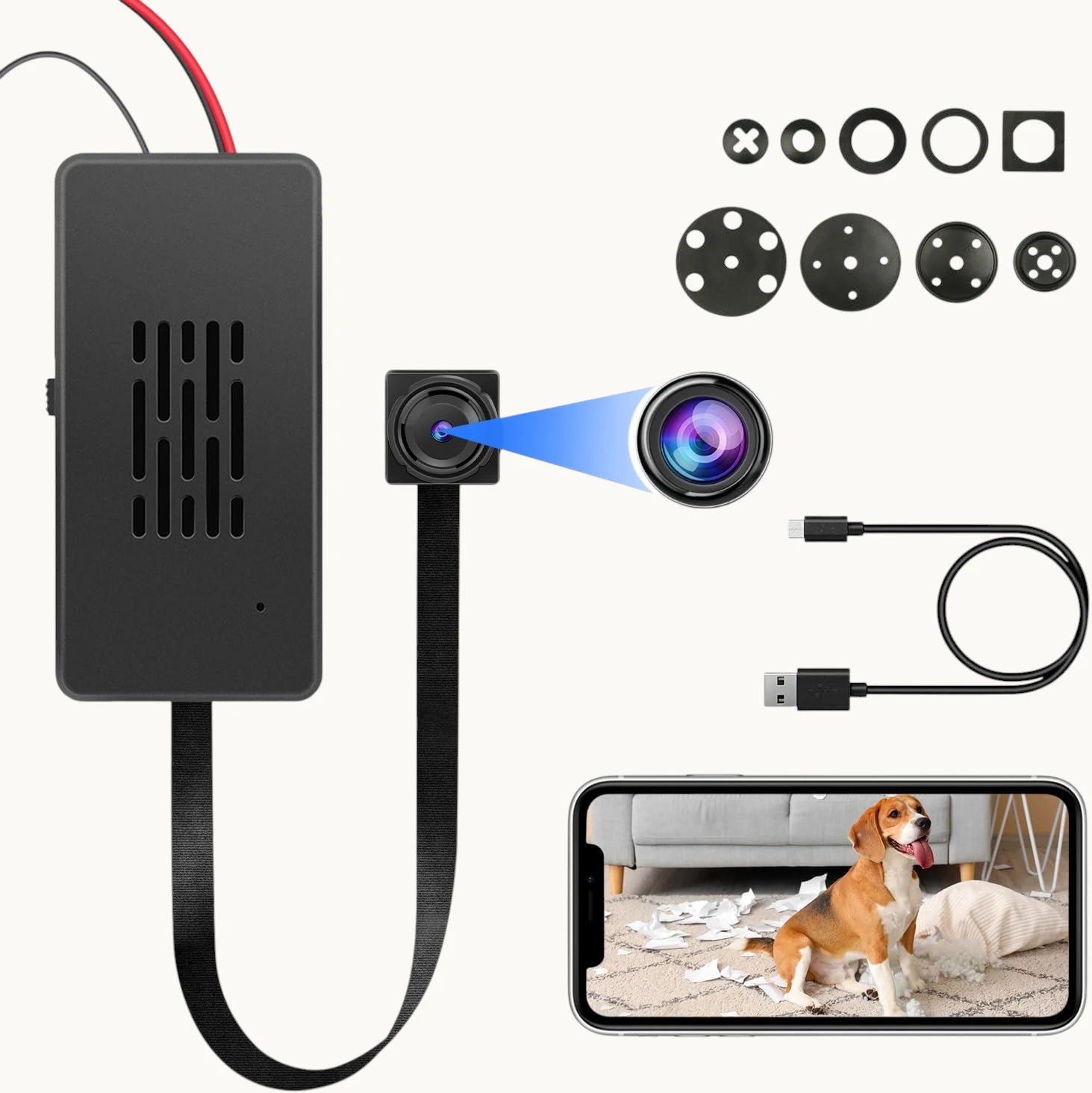
– DIY camera modules with Tuya 4K certification: The QZT Tuya 4K DIY module uses a genuine 4K CMOS sensor and is Tuya-platform certified. The platform itself displays the actual recording resolution in device settings — a built-in verification mechanism.
– 4K power bank cameras: The H20 series with genuine 4K sensor (Sony IMX415 or equivalent) and hardware-confirmed bitrate above 50 Mbps.
– 4K wall clock cameras: Available with Tuya integration, genuine 4K sensor confirmed by factory datasheet.
The distribution channel for genuine 4K cameras is more selective. Prices are 40–80% higher than equivalent 1080p models — as they should be given sensor costs. If you’re seeing a “4K” camera at the same price as a 1080p equivalent, that gap has to be explained by something. Usually, it’s the sensor.
Distributor recommendation: Until you have a trusted supplier relationship verified through the protocol above, default to sourcing 1080p cameras with accurate specifications rather than “4K” cameras from unverified sources. A correctly labelled 1080p camera creates zero returns. A mislabelled “4K” camera generates returns, reviews, and potential legal exposure.
How to Talk to Your Buyers About 4K Spy Camera Claims
Your buyers will ask about 4K. Here’s how to handle the conversation in a way that builds trust rather than making promises you can’t verify.
The honest framing:
“For most covert camera applications — monitoring indoor spaces, capturing behavioural evidence, protecting residential or retail premises — genuine 1080p at the right bitrate outperforms software-upscaled 4K. When you need genuine 4K for evidence-grade facial recognition or fine-print documentation, we can source verified 4K hardware with a sensor datasheet and sample footage to confirm.”
This framing does three things: it’s accurate, it positions you as an expert who understands the market, and it creates a premium conversation around genuine 4K rather than defaulting to a commodity comparison.
For buyers who specifically require 4K, always provide sample footage and the bitrate test results. Buyers in the security professional segment (investigators, corporate security, installation firms) often run their own quality checks — your data should match theirs.
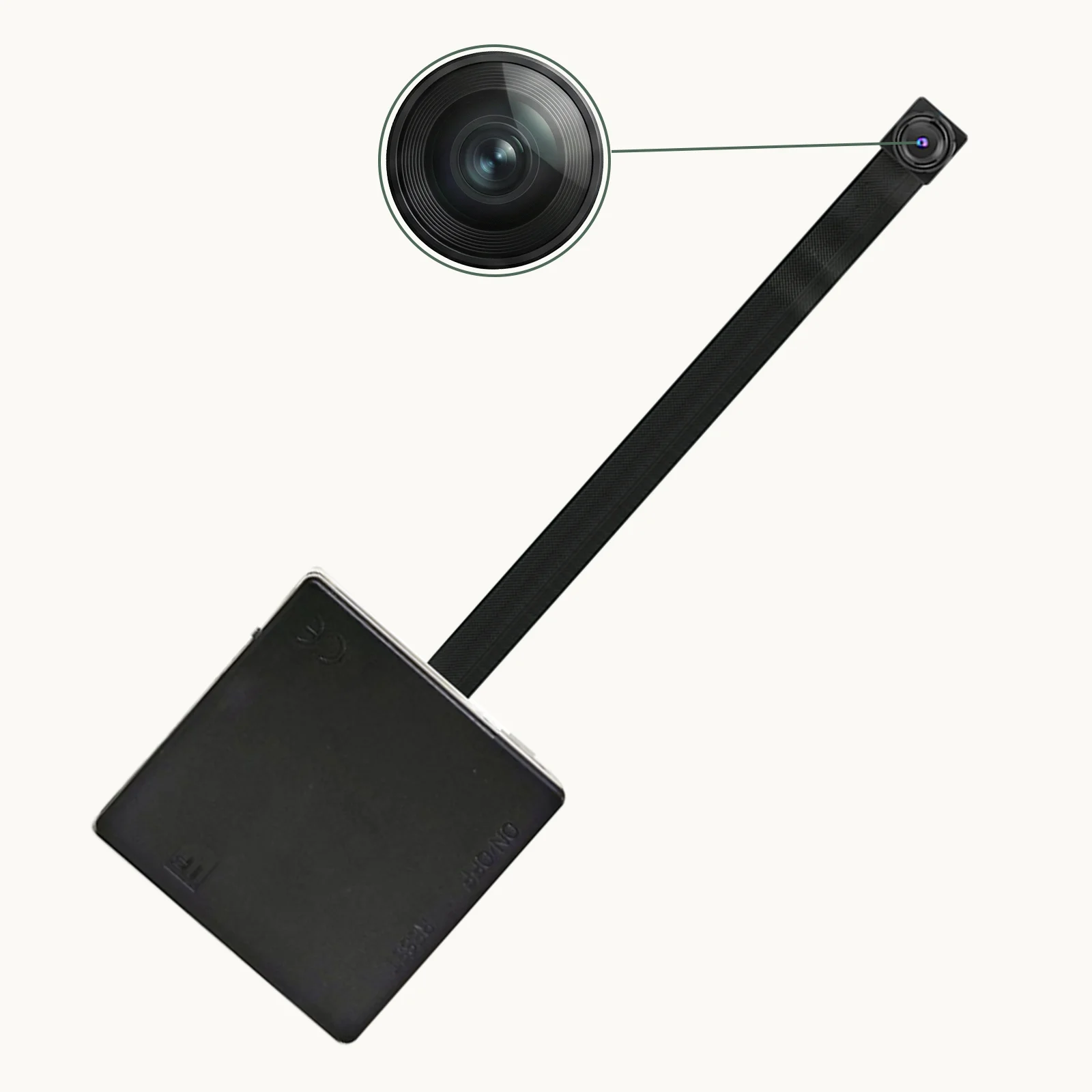
Fake 4K vs Genuine 4K: The Complete Distributor Verification Summary
The spy camera market has a 4K problem that won’t resolve itself — the profit motive for mislabelling is too strong as long as distributors don’t check. The eight case studies in this guide represent a combined loss of over €100,000 across the affected distributors, most of which was entirely preventable with a 15-minute pre-order bitrate test.
The protocol is simple: ask for sensor model, request sample footage, check bitrate, verify against datasheet. Four steps. Fifteen minutes. Prevents the majority of fake 4K exposure.
For genuine 4K camera options with full specification transparency, contact us today — we provide factory datasheets, sample footage with bitrate documentation, and honest specification listings on every product in our range.
FAQ
Can I run the bitrate test on footage taken with a phone camera for comparison?
Yes — this is actually a useful calibration step. Record 60 seconds with your phone’s native 4K mode (most modern smartphones genuinely capture 4K), check the bitrate using VLC, and compare with the spy camera footage at claimed “4K.” A genuine 4K camera should show a comparable bitrate to your phone’s 4K output.
What’s the best spy camera for distributors who need guaranteed genuine 4K?
Request the Tuya 4K DIY module — the Tuya platform itself reports actual recording resolution, which creates an independent verification mechanism independent of the supplier’s claims. The QZT DIY WiFi spy camera module with Tuya 4K certification is one of the few verifiable genuine 4K covert cameras available at distributor prices.
How do I handle a supplier dispute when I’ve received fake 4K cameras?
Document everything: the original spec sheet, your bitrate test screenshots, and the number of affected units. Present this to the supplier with a specific request — either replacement with genuine 4K units (with documentation) or credit against future orders. Most legitimate suppliers will not dispute a bitrate test result. If a supplier refuses to engage with technical documentation, treat this as a disqualifying supplier relationship.
Do fake 4K cameras have worse battery life than genuine 4K?
Counterintuitively, no — and this is sometimes used as a false positive signal. Upscaled “4K” cameras consume similar power to 1080p cameras because the actual processing load is 1080p. Genuine 4K cameras consume more power and generate more heat. If a “4K” camera has battery life identical to an equivalent 1080p model, this is a soft indicator of upscaling rather than genuine 4K.
What resolution is sufficient for facial recognition in covert footage?
For automated facial recognition systems, the minimum practical resolution is 1080p at the subject’s face occupying at least 10% of the frame. For manual facial identification by human observers in legal proceedings, courts in the UK and EU have accepted 720p evidence. Genuine 4K provides meaningful advantage when the camera is installed at significant distance and the subject’s face is a small fraction of the frame. For close-range monitoring (within 3 metres), 1080p is sufficient in the majority of legal evidence applications.

 English
  Italiano
  Deutsch
  Français
  Español
  Polski