
Can You Legally Sell Hidden Cameras in Europe Under GDPR?
Yes — selling hidden cameras in Europe is legal, and GDPR does not prohibit it. The regulation governs how end users process personal data, not whether retailers or distributors are allowed to stock and sell surveillance devices. Yet every week, we hear from European distributors who have turned down perfectly legitimate product lines because a customer or colleague mentioned “GDPR.” That hesitation is costing them real revenue.
This guide breaks down exactly what the law says, which end-use cases are fully compliant, and why established distributors across Germany, France, the UK, and Poland have been reselling hidden cameras and covert recording devices for years without a single compliance issue.
What Does GDPR Actually Regulate — and What Does It Not?
GDPR — the General Data Protection Regulation (Regulation EU 2016/679) — is a framework that governs the processing of personal data. It tells organisations and individuals how to collect, store, and handle footage or recordings that can identify a person. What it does not do is regulate the manufacture, importation, or sale of camera hardware.
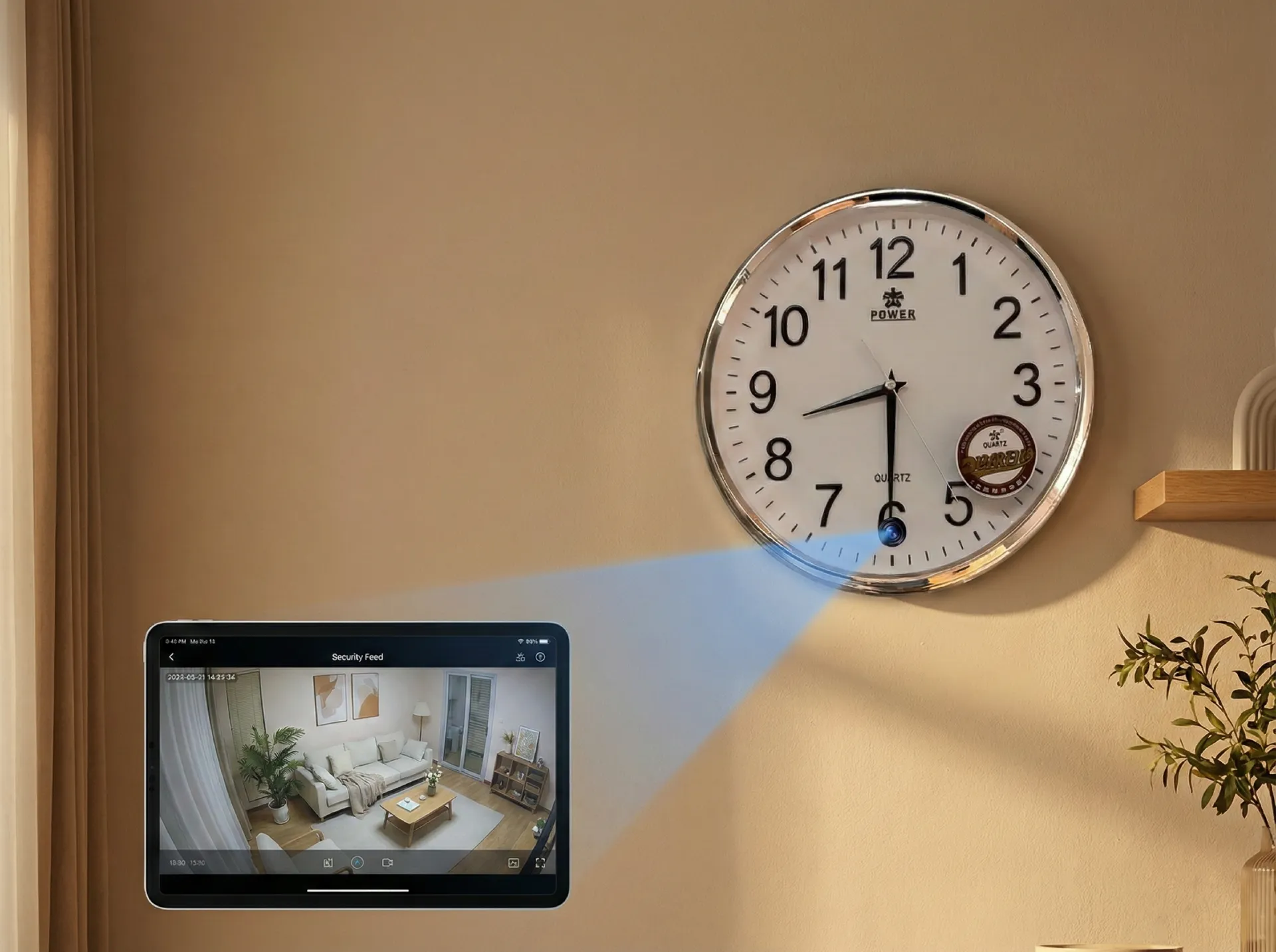
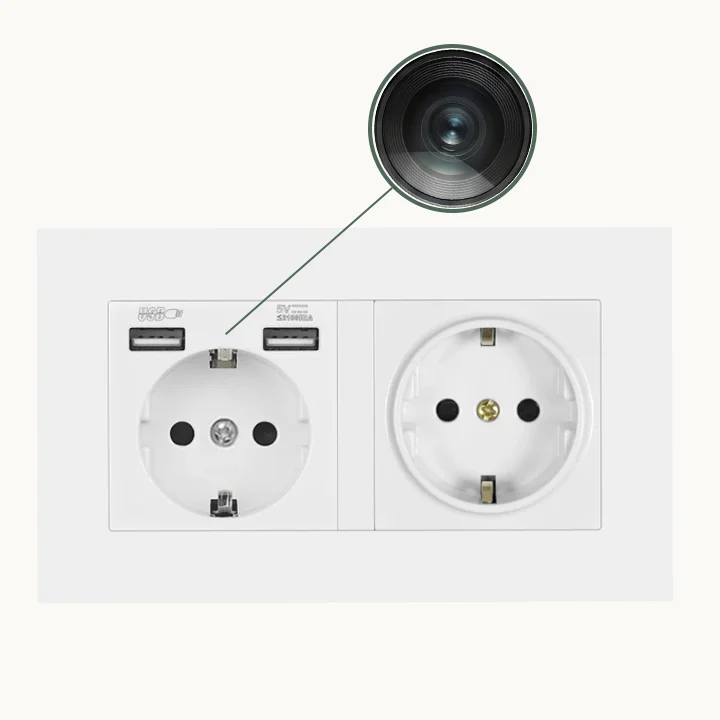
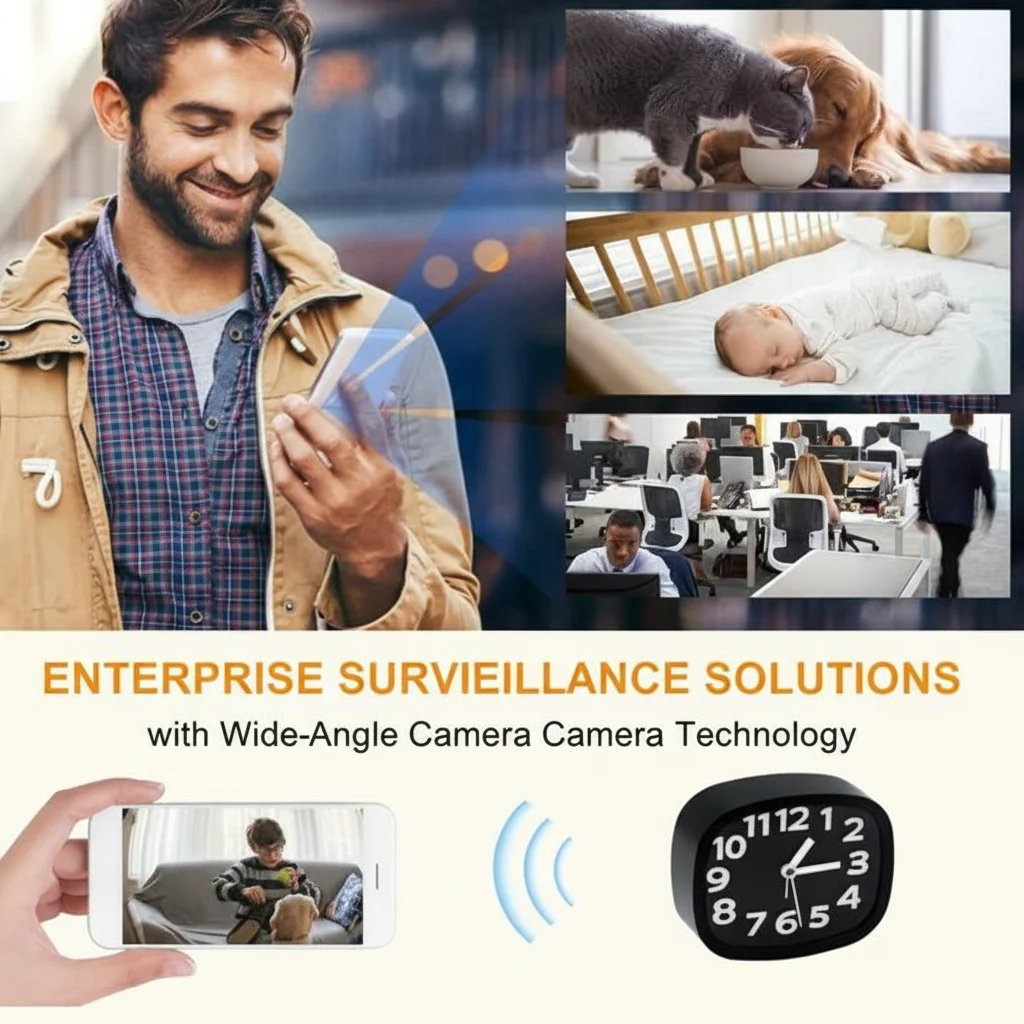
Think of it this way: a kitchen knife manufacturer does not bear legal responsibility for how a buyer uses the product. Likewise, a distributor selling a wall socket camera or a clock camera is not the data controller for anything the end user records. The liability sits with the operator of the device, not the seller of the hardware.
This principle is not ambiguous — it is explicitly written into the regulation. GDPR Recital 18 states that “this Regulation does not apply to the processing of personal data by a natural person in the course of a purely personal or household activity.” A homeowner using a hidden camera to monitor their front door, protect their property, or supervise a caregiver falls squarely within this household exemption. The UK’s Information Commissioner’s Office (ICO) confirms the same position: domestic surveillance systems are outside the scope of UK GDPR guidance.
Here’s what most distributors get wrong: they conflate using a hidden camera with selling one. These are two entirely different legal acts.
Which Legal Bases Allow End Users to Operate Hidden Cameras?
Even when GDPR does apply — for instance, in a small business using a covert camera on commercial premises — there are multiple lawful bases under Article 6(1) GDPR that legitimise the operation:
| Lawful Basis | Applicable Scenario | Examples |
|---|---|---|
| Household exemption (Recital 18) | Private home use | Nanny cam, front door, baby monitor |
| Legitimate interest (Art. 6(1)(f)) | Business security with proportionate reason | Office anti-theft, retail loss prevention |
| Consent (Art. 6(1)(a)) | Monitored with employee knowledge | Staff surveillance with written consent |
| Vital interests (Art. 6(1)(d)) | Child or vulnerable person protection | Caregiver monitoring for dependent adults |
| Legal obligation (Art. 6(1)(c)) | Compliance with national security law | Security requirements mandated by regulation |
The European Data Protection Board published updated guidelines in October 2024 on legitimate interest processing, confirming that protecting property, preventing crime, and ensuring safety can all constitute legitimate interests when the purpose is proportionate to the intrusion. This is not a loophole — it is the intended design of the law.
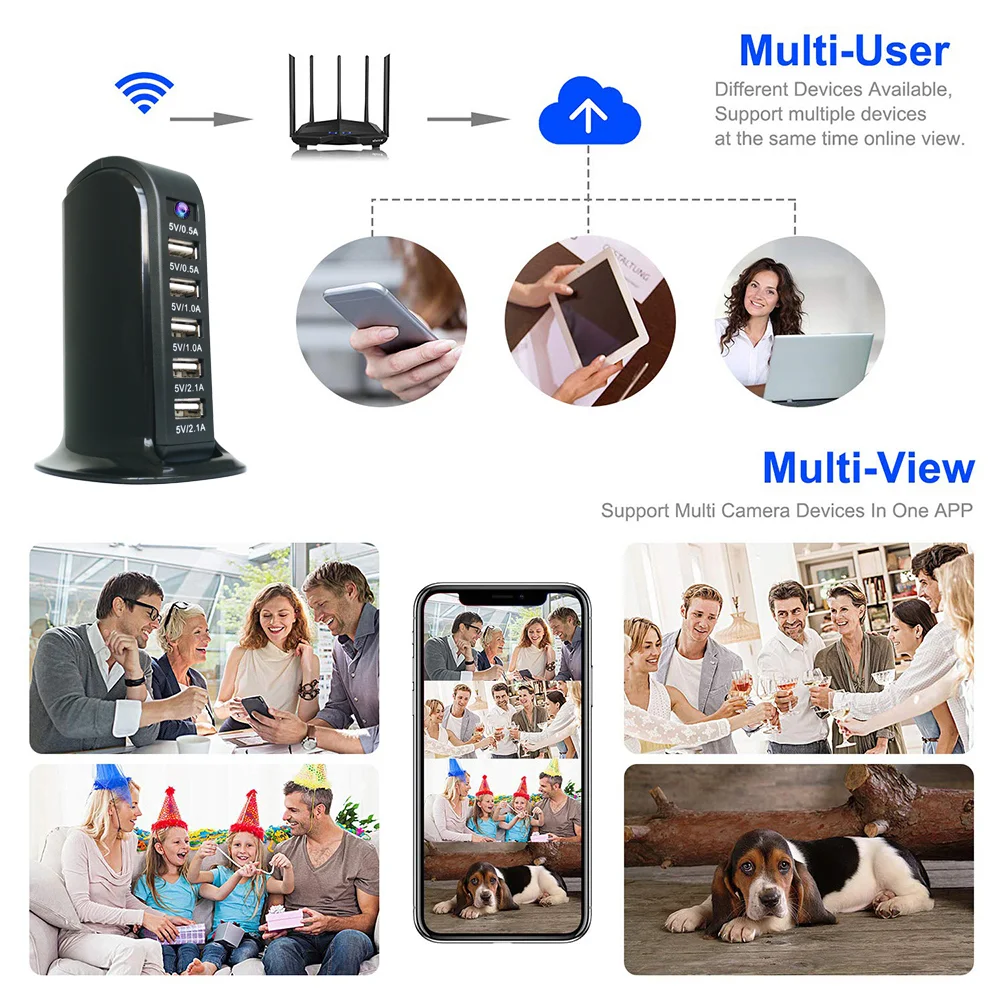
What this means for your customers: in the vast majority of real-world use cases — monitoring a nanny, protecting a holiday let, safeguarding a retail space — operating a hidden clock camera or a concealed socket camera has a clear legal basis.
Why Is Selling Hidden Cameras Not a GDPR Violation?
The confusion often comes from a misreading of GDPR’s scope. The regulation applies to data controllers — entities that determine the purposes and means of processing personal data. A distributor who imports and sells a camera device:
– Does not decide what the camera records
– Does not store or access any footage
– Does not determine the purposes of surveillance
– Is not the data controller in any transaction with the end user
The data controller is the person or company who activates and operates the device. Your role as a distributor is limited to the supply chain. You are no more liable under GDPR for the recordings made by a device you sold than a telecom operator is liable for the conversations its customers have on a mobile network.
This is why distributors in Germany, France, the UK, and Poland have continued to sell spy cameras, voice recorders, and covert recording equipment without any regulatory action. The product is legal. The compliance obligation rests with the operator.
But here’s the thing: your customers may still need reassurance. Providing them with clear documentation on lawful use cases is a smart commercial move — and it is exactly what this article is designed to help you do.
What Are the Most Common Lawful Use Cases for Hidden Cameras in Europe?
These are the scenarios your end customers are most likely purchasing devices for — all of which have established legal compliance pathways:
Household Monitoring (No GDPR Applies)
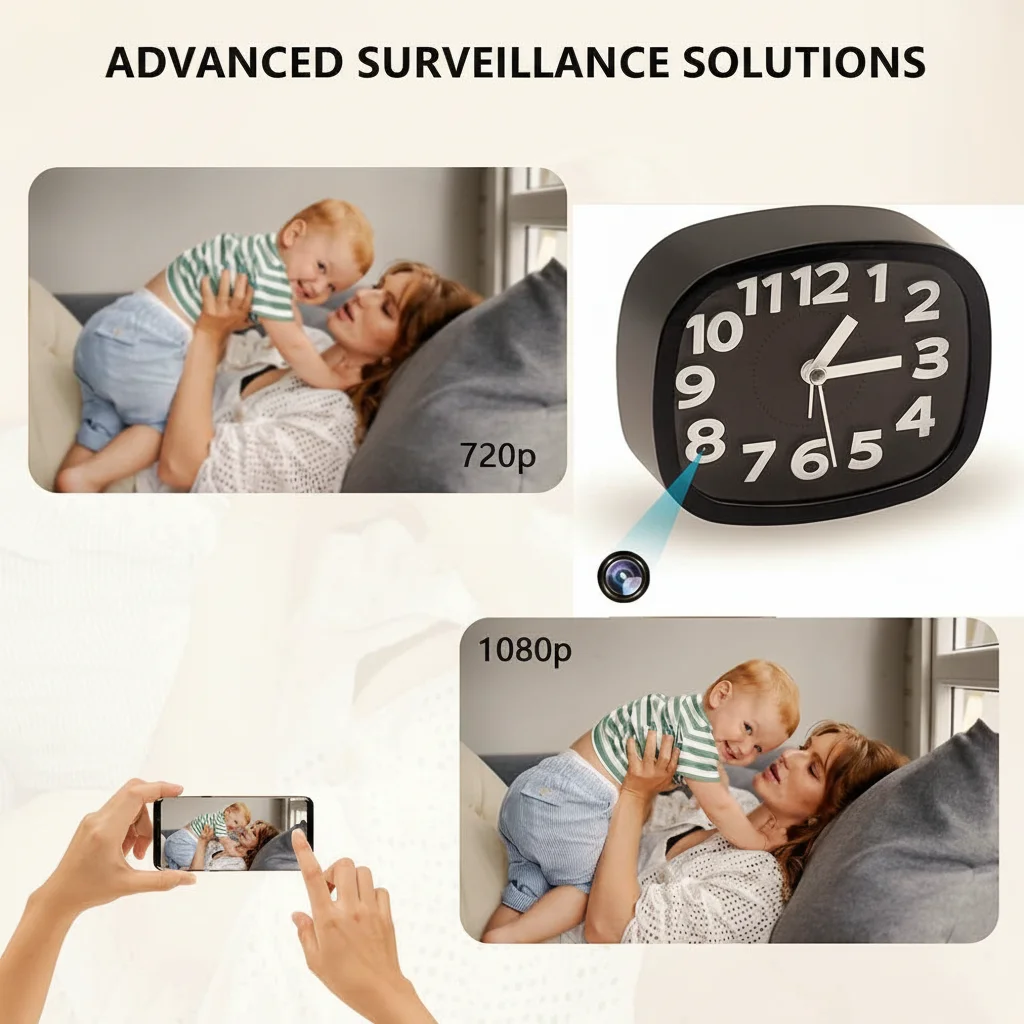
A private individual installing a hidden camera inside their own home to monitor a babysitter, protect against burglary, or record a caregiver working with an elderly parent is operating entirely outside GDPR’s scope under Recital 18. The UK Gov.uk guidance on domestic CCTV confirms this explicitly. In Germany, the same principle applies under the BDSG (Bundesdatenschutzgesetz), which mirrors the GDPR household exemption.
Nanny and Caregiver Oversight
This is one of the highest-demand retail use cases across Europe. Parents monitoring a babysitter or family members supervising a paid caregiver for an elderly relative have a clear legitimate interest under Article 6(1)(f) or the household exemption. Courts in France, Germany, and the UK have repeatedly upheld the right of householders to operate covert surveillance in their own homes when there is genuine safety concern.
Short-Term Rental and Holiday Property Security
Airbnb and holiday let operators face genuine risks of property damage and theft. Operating a visible or discreet camera in a holiday property’s common areas — with disclosed notice to guests — falls within legitimate interest processing. The EDPB Video Surveillance Guidelines (07/2020) provide a framework for exactly this type of use.
Small Business Loss Prevention
A small retailer, warehouse, or office using a covert camera for loss prevention or internal security can rely on legitimate interest (Art. 6(1)(f)) provided they carry out a legitimate interest assessment, post appropriate notices, and store footage only as long as necessary. This is standard practice in every EU member state.
How Should a Responsible Distributor Position These Products?
The smartest distributors do not just sell hardware — they sell peace of mind. If you are concerned about downstream liability or customer questions, the following positioning framework addresses both:
1. Lead with lawful use cases. Market the device for home security, caregiver monitoring, and property protection. These are the use cases your retail customers will respond to, and they are precisely the scenarios GDPR was designed to accommodate.
2. Provide a simple compliance card. A single-page guide explaining household exemption, legitimate interest, and recommended notice practices turns a potential objection into a differentiating feature. We can provide this documentation for any device in the QZT range.
3. Avoid positioning as “spy” equipment for third-party surveillance. The word “spy” is colloquially used across the industry, but your marketing copy should focus on security, monitoring, and protection. Devices that are sold for the purpose of surveilling individuals in public spaces, workplaces without disclosure, or outside the operator’s own property carry a different risk profile.
4. Know your customer base. B2B distributors, security installers, and home security retailers represent the lowest-risk customer profiles. They understand the regulatory environment, sell to informed buyers, and operate within professional compliance frameworks.
Real-World Precedent: Our European Distribution Network
The concern that GDPR somehow prohibits this product category becomes harder to sustain when you look at the ground reality. QZT has been supplying hidden cameras and covert recording devices to European distributors since well before GDPR came into force in May 2018. Since then, the network has grown.
Today, established partners in Germany, France, the UK, and Poland continue to sell these products at scale — through physical retail, online marketplaces, and direct security installer channels. None of them have faced regulatory action for the act of selling compliant hardware. The legal framework they operate within is not a grey zone. It is clear.
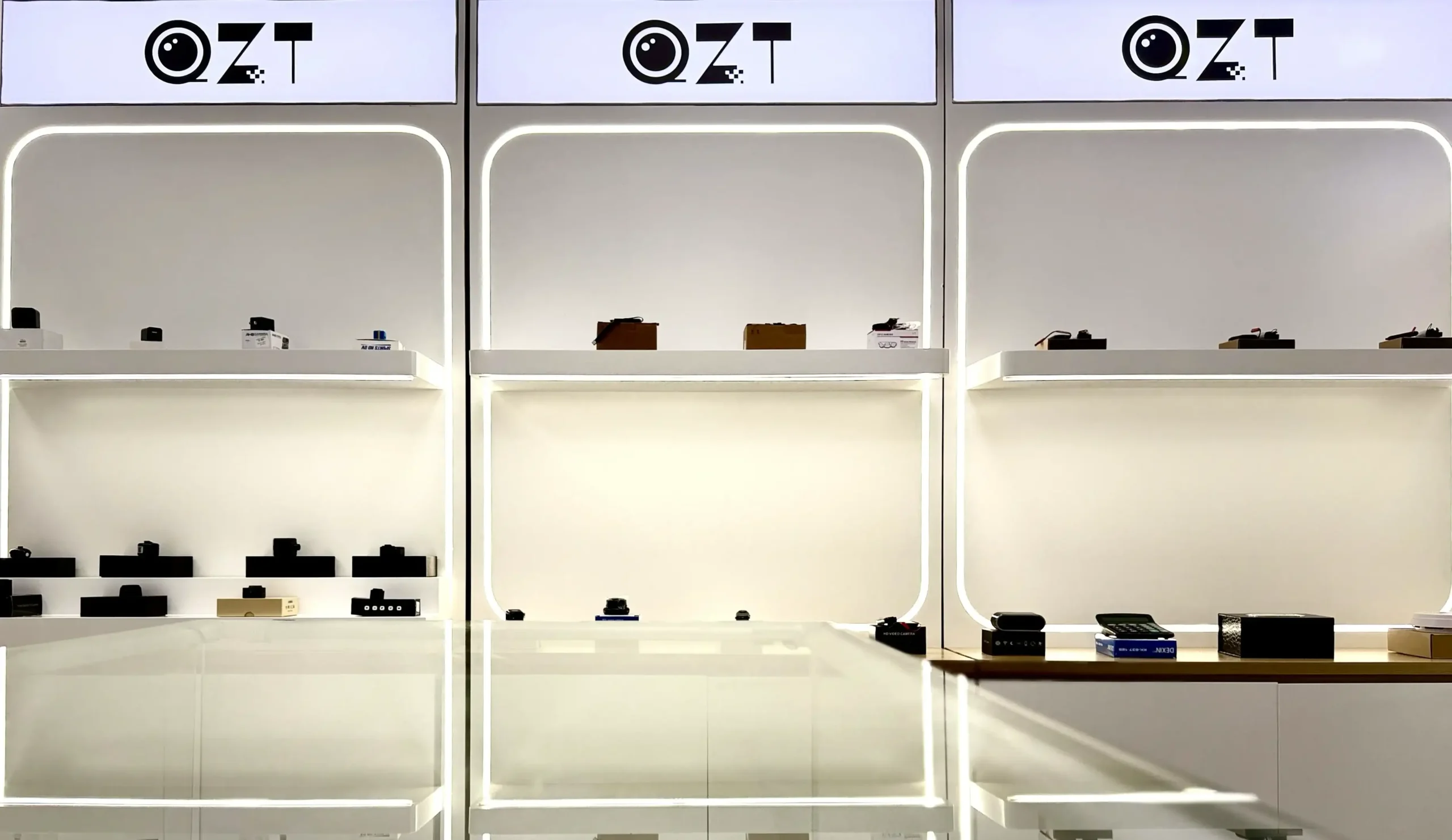
QZT maintains a physical warehouse and exhibition centre in Italy, providing European partners with local stock, short lead times, and in-person product demonstrations. The Italian showroom serves as a practical demonstration that selling this category of product in the EU — including with the full attention of local regulators and import authorities — is entirely routine.

What Certifications Do QZT Products Carry for the European Market?
Hardware certification is a separate but related concern for European distributors. GDPR addresses data processing; product safety and electromagnetic compliance are governed by different frameworks. For the EU market, the key certifications are:
| Certification | What It Covers | QZT Status |
|---|---|---|
| CE Marking | Safety, health, electromagnetic compatibility (EMC) | ✅ All cameras carry CE |
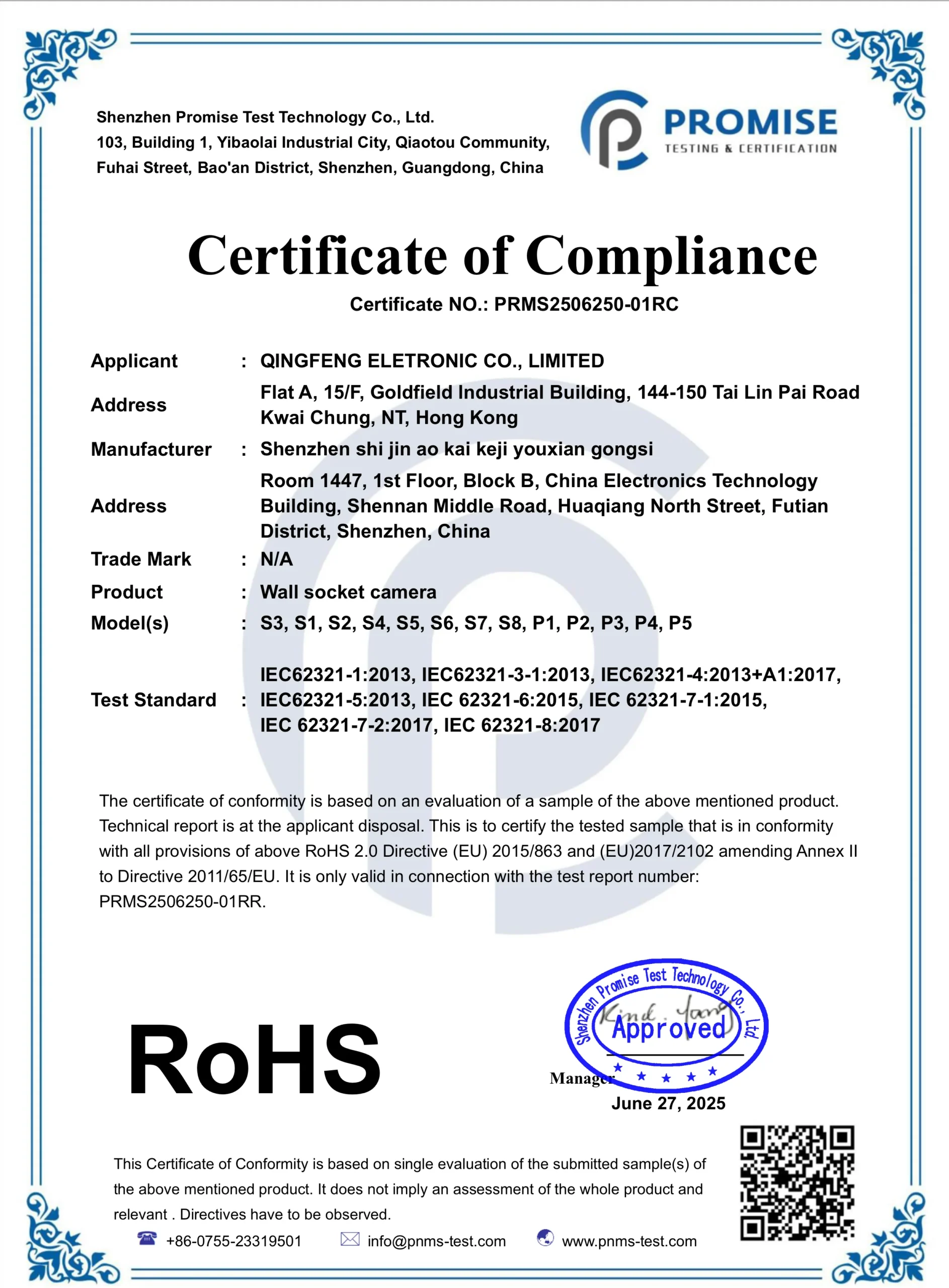
| RoHS | Restriction of hazardous substances in electronics | ✅ RoHS certified (see documentation) |
| FCC | Electromagnetic interference (US market, often referenced) | ✅ Available on request |
| WEEE | Electronic waste compliance for EU | ✅ Compliant |
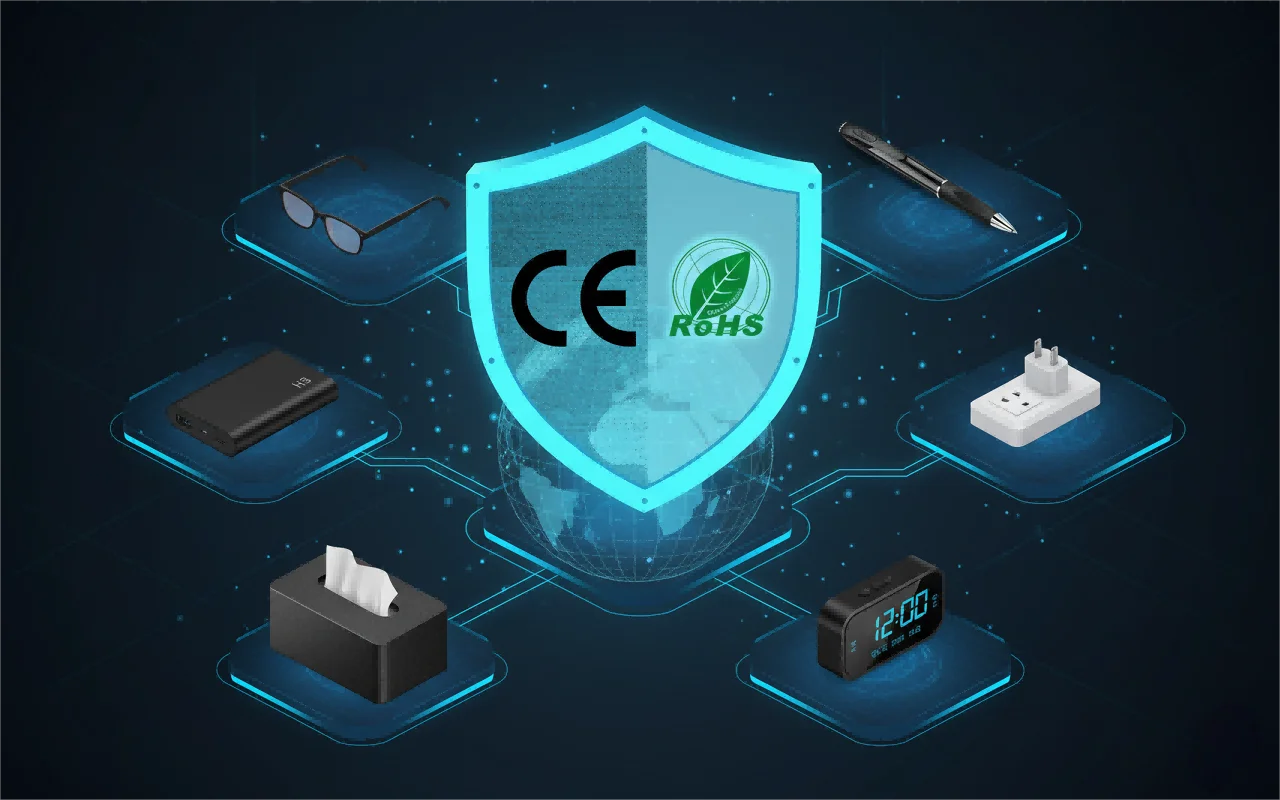
CE marking and RoHS certification mean your products can be legally placed on the EU market and sold to consumers and businesses without restriction. The S3 WiFi Socket Camera and A85 WiFi Socket Camera both carry full EU certification documentation, available to distributors on request.
What About UK Distributors Post-Brexit?
The UK left the EU but adopted UK GDPR — a near-identical framework. The household exemption remains intact under UK GDPR. The ICO’s guidance on video surveillance is explicit that domestic systems fall outside the regulation’s scope. UK distributors operate under the same commercial and legal reality as their EU counterparts.
UK trading partners should note that CE marking is no longer sufficient for the UK market — UKCA marking is now required for products placed on the GB market after January 2025. QZT can provide UKCA-marked products or documentation to assist with the transition. Contact the sales team for details on your specific product line.
FAQ: GDPR and Hidden Cameras for European Distributors
Q1: Am I liable under GDPR if a customer misuses a camera I sold them?
No, provided you did not knowingly facilitate an illegal purpose. The data controller liability under GDPR rests with the person operating the device, not the seller. Distributors and retailers operate as arm’s-length suppliers, not as data processors or controllers in the end user’s surveillance activities.
Q2: Can I sell hidden cameras on Amazon EU and other marketplaces?
Yes. Amazon EU, eBay, and other platforms sell hidden cameras and covert recording equipment openly across all EU jurisdictions. Marketplace compliance teams have reviewed these product categories against GDPR requirements. The sale of hardware is not a GDPR-regulated activity.
Q3: Do I need to include any documentation with the product for my customers?
It is good practice to include a simple note explaining lawful use cases — household security, caregiver monitoring, property protection — and recommending that users comply with local regulations when operating in commercial or public settings. This reduces customer questions and positions you as a professional supplier.
Q4: What if a customer in Germany specifically asks about GDPR compliance?
Germany’s national supervisory authority (the BfDI and Länder DPAs) follows the same GDPR framework. The household exemption applies in Germany. For commercial use, the legitimate interest basis under Article 6(1)(f) applies when proportionate. You can refer German customers to the BfDI guidance on video surveillance for authoritative confirmation.
Q5: How do QZT products compare to brands like Brinno or Reolink that are sold openly in Europe?
QZT products carry the same CE/RoHS certifications as mainstream CCTV brands. The distinction is form factor: QZT devices are designed for discreet deployment, which serves the legitimate home security and caregiver monitoring markets. The regulatory status is identical — certified hardware, compliant with EU product safety law, sold through standard B2B channels.
Conclusion: GDPR Protects Privacy Rights — It Does Not Prohibit Legitimate Security Products
GDPR is a data protection framework, not a ban on security technology. Selling a hidden camera is no different from selling any other consumer electronics product. The compliance obligation belongs to the end user, not the distributor.
European distributors who have pulled back from this category based on an overly cautious reading of GDPR are ceding market share to competitors who understand the law. The demand for discreet home security, caregiver monitoring, and property protection is not going away. It is growing.
If you are a distributor in Germany, France, the UK, Poland, or anywhere else in Europe and you want to understand exactly how QZT products fit your existing compliance framework, contact us today. We carry local stock in Italy, offer product certification documentation, and have been supporting European partners for years. Let’s talk.

 English
  Italiano
  Deutsch
  Français
  Español
  Polski