
Come utilizzare legalmente una penna camera nascosta nel 2026: una guida completa alle leggi di registrazione e all'ammissibilità in tribunale
Hai appena finito una riunione. Hai detto quello che dovevi dire. L'altra parte ha fatto promesse, poi ne ha ritrattato la metà. Hai la sensazione che ciò che è stato concordato e ciò che verrà documentato stiano per divergere. Se avessi registrato, sapresti esattamente cosa è stato promesso.
Le penne spia nascoste rendono ciò possibile. Ma prima di premere registrazione sulla tua prossima conversazione commerciale, consultazione legale o discussione difficile sul posto di lavoro, devi capire esattamente cosa la legge permette — e dove si trovano i limiti rischiosi.
Questa guida copre il quadro giuridico per le registrazioni nascoste con penna nei principali mercati anglofoni ed europei, cosa cercano i tribunali quando ammettono i filmati e come utilizzare la tua penna fotografica in modi che resistano allo scrutinio legale.
La domanda fondamentale: chi deve dare il consenso?
L'intero panorama legale riguardante le registrazioni nascoste ruota attorno a un concetto: il consenso. Nello specifico, di chi è richiesto il consenso e quando?

Ci sono due quadri normativi dominanti:
Consenso di una parte (detto anche consenso di una sola parte): Una persona che è partecipante a una conversazione può registrarla senza informare le altre parti. La logica è semplice — stai registrando la tua stessa partecipazione, e nessun interesse alla privacy è violato perché già sai cosa hai detto.
Consenso di tutte le parti (detto anche consenso di due parti o unanime): Ogni persona presente nella conversazione deve essere consapevole e acconsentire alla registrazione. La registrazione senza piena divulgazione è trattata come invasione della privacy o intercettazione illegale.
La maggior parte degli stati americani e dei paesi dell'UE segue il modello del consenso di una parte per le registrazioni dei partecipanti. Ma “registrazione del partecipante” non significa che “tutto è permesso”.”
Stati Uniti: Il mosaico delle leggi statali sulle intercettazioni
Gli Stati Uniti non hanno una legge federale completa che regoli le registrazioni nel settore privato. Invece, la legge federale (18 U.S.C. § 2511) vieta l'intercettazione di comunicazioni orali ma include un'eccezione per i partecipanti alla comunicazione. Ciò crea la linea di base del consenso di una parte a livello federale. Tuttavia, diversi stati hanno emanato leggi più severe.

Stati con Consenso di Tutte le Parti (9 giurisdizioni)
Questi stati richiedono il consenso di tutti i partecipanti prima di qualsiasi registrazione:
– California (Penal Code § 632): La legge applicata più aggressivamente. Si applica a qualsiasi “comunicazione confidenziale” — un termine che i tribunali della California hanno interpretato ampiamente per includere quasi qualsiasi comunicazione svolta in circostanze che suggeriscono che le parti si aspettano privacy.
– Illinois (720 ILCS 5/14): Richiede il consenso di tutte le parti per le comunicazioni in cui le parti hanno una ragionevole aspettativa di privacy.
– Maryland, Montana, Nevada, New Hampshire, Pennsylvania, Washington: Tutti richiedono il consenso di tutte le parti per le comunicazioni orali.
– Florida (Fla. Stat. § 934.03): Richiede il consenso di tutte le parti per le conversazioni commerciali. La registrazione a una sola parte è consentita solo per prevenire attività criminali.
La particolare severità della Florida: A differenza della California, la Florida permette la registrazione a una sola parte per determinati scopi, inclusa la prevenzione di attività criminali. Ma per riunioni commerciali standard e registrazioni generali sul posto di lavoro, è richiesto il consenso di tutte le parti.
Stati con consenso di una parte (maggioranza di 41 stati)
In questi stati, puoi registrare una conversazione di cui fai parte senza informare le altre parti. Tuttavia:
Avvertenza 1: Aspettativa di privacy. Courts in one-party states still distinguish between public and private settings. Recording a conversation in a private office, locker room, or medical facility may be restricted even in one-party states if there is a clear expectation of privacy.
Caveat 2: Use matters. Some states limit how recordings can be used even if captured lawfully. Recording for extortion, harassment, or blackmail creates criminal liability regardless of consent rules.
Unione Europea: GDPR e Attuazioni Nazionali
The EU does not impose a uniform recording consent standard. GDPR provides the overarching data protection framework, but consent for audio recording is addressed through national law.
Germania: Rigida Protezione della Privacy
Germany takes privacy rights seriously. Under the German Criminal Code (§ 201 StGB), recording private oral statements without consent is a criminal offense, even if you are a participant in the conversation. This applies even in workplace settings, where German courts have struck down employer surveillance programs that included covert recording.
For journalists and whistleblowers, Germany recognizes a qualified journalistic exemption, but the threshold is high. Recording a business partner or colleague secretly in Germany is legally risky and should only be done with legal advice.
Francia: La registrazione del partecipante è legale
France permits recording by a conversation participant under the framework of Article 6(1)(f) GDPR — legitimate interests. The recording must serve a documented legitimate interest, and the interests of the recorded party must not override that interest.
French courts have admitted participant recordings in employment tribunal cases where the employee documented harassment or discrimination. The key requirement is that the recording serves a genuine documented purpose, not casual surveillance.
Italia: Registrazione del Partecipante Consentita con Conformità al GDPR
Italy permits recording of conversations by participants, subject to GDPR compliance. The Garante per la Protezione dei Dati Personali (Italian Data Protection Authority) has issued guidance requiring transparency about recording in professional settings, but covert recording by a participant has been admitted in proceedings where there was a credible concern about unlawful conduct.
Regno Unito: Quadro post-Brexit
The UK operates under the Investigatory Powers Act 2016, the Data Protection Act 2018, and ICO guidance. The key question for employee and business recording is whether the recording serves a legitimate purpose and whether the expectation of privacy in the setting is reasonable.
The ICO has published specific guidance stating that covert recording by employees is generally lawful where there is a genuine belief that unlawful activity is occurring, the recording is necessary and proportionate, and the recording is used only for the stated purpose.
Cosa Cercano Effettivamente i Tribunali Quando Ammettono le Registrazioni
Having the legal right to record is only part of the equation. When a recording enters a courtroom, judges apply a three-part test.
Test 1: La registrazione è stata ottenuta legalmente?
The first gate is always legality. If the recording was made in violation of state or national wiretapping laws, it is almost certainly excluded. The exclusion is automatic and non-discretionary in most jurisdictions. A recording obtained illegally in California, for example, cannot be used for any purpose in that state — even to expose a crime.
Test 2: La Registrazione è Autentica?
Courts require proof that the recording is what it purports to be and that it has not been edited. The standard questions are: Can you identify the recording device? Can you show that no edits, cuts, or modifications were made to the file? Can you produce the original file in its unaltered state?
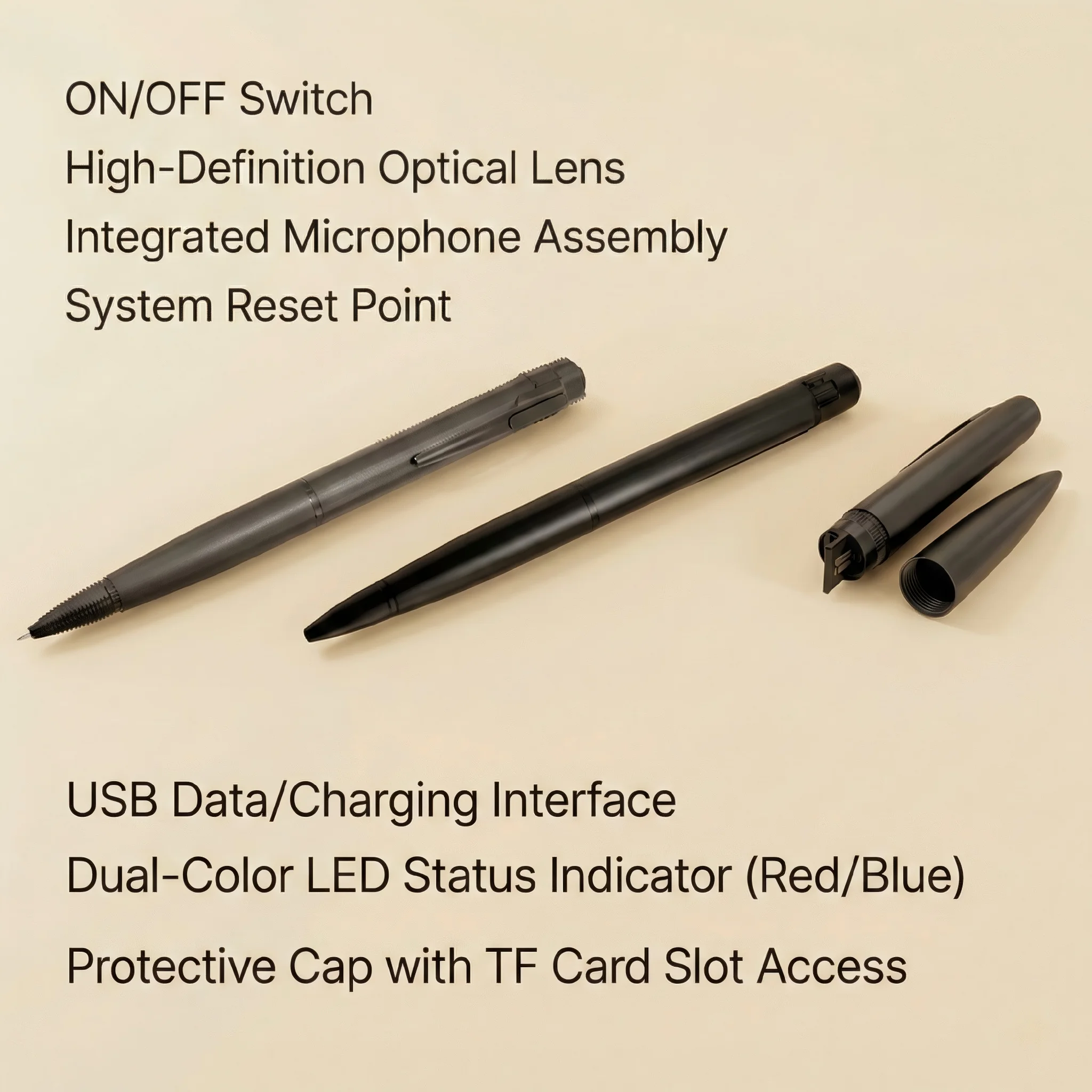
For pen camera recordings, this means preserving the original file, not renaming or reformatting it, and maintaining a clear chain of custody from recording to courtroom.
Test 3: La registrazione è pertinente?
Even a lawfully obtained, authentic recording can be excluded if its probative value is substantially outweighed by its prejudicial effect. Courts in civil cases have excluded recordings where they contained inflammatory language that was more likely to prejudice the jury than inform it.
Come Costruire una Pratica di Registrazione Legalmente Difendibile
If you intend to use a pen camera for business documentation, whistleblower support, or legal proceedings, here is how to operate defensibly.
Prima di Registrare
1. Know your jurisdiction’s rules. One quick search before a high-stakes meeting is worth more than months of legal fees.
2. Document your purpose in writing. Write a brief note explaining why the recording is necessary. “Documenting verbal agreement to contractual terms” is defensible. “Curiosity about what they would say” is not.
3. Test your equipment. Verify battery life, storage capacity, and audio levels before the meeting.
Durante la registrazione
4. Stay a participant. Do not plant the pen and leave the room. Courts are less sympathetic to recordings made by an absent third party.
5. Do not alter the environment. Moving furniture, adjusting lighting, or changing the recording setup after starting creates questions about authenticity.
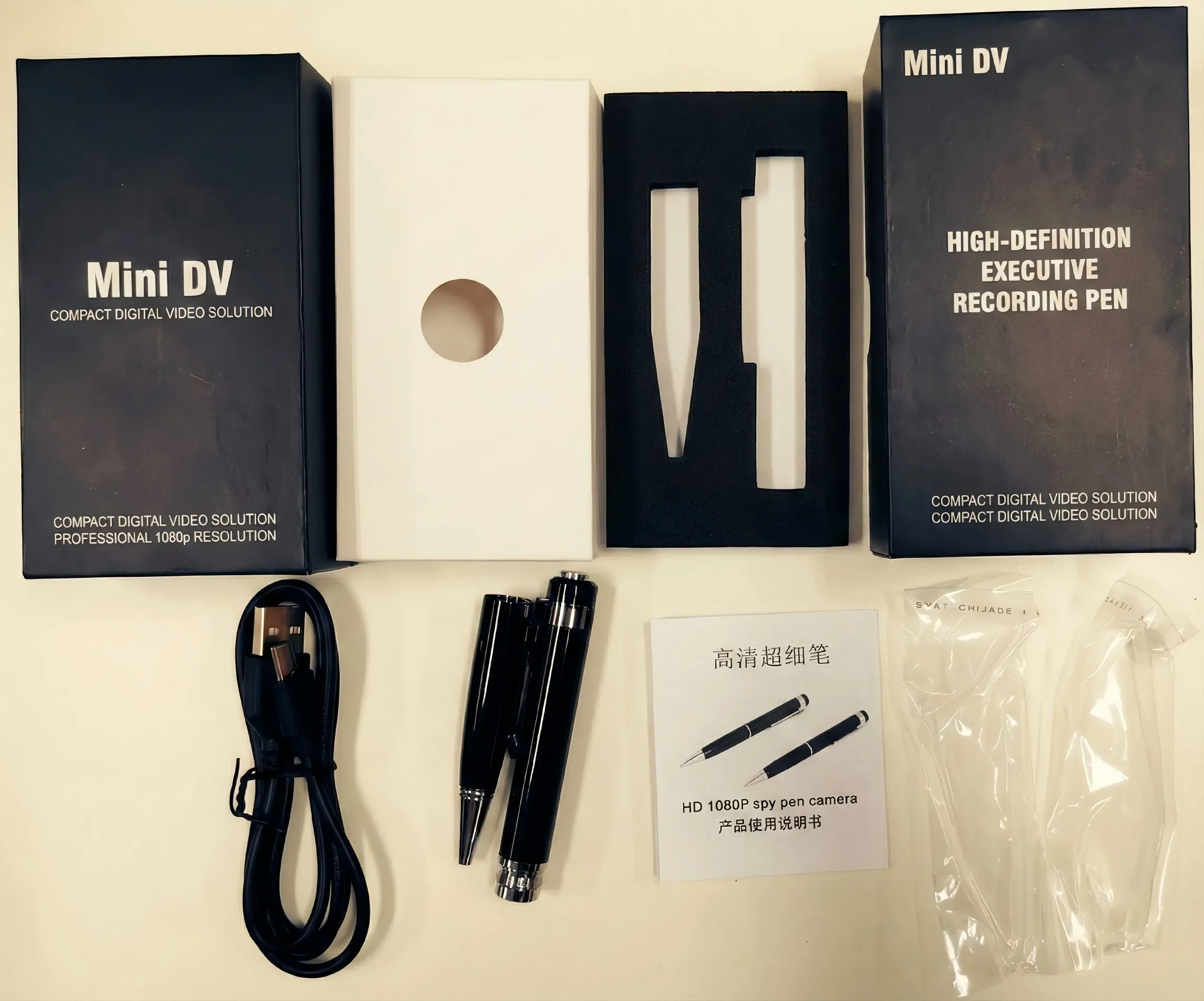
6. Keep the pen natural. Leave it on the table, in your pocket, or in your hand — wherever a pen would normally be.
Dopo la Registrazione
7. Transfer to secure storage immediately. Do not keep the file on the pen camera’s internal storage long-term.
8. Create a written log. Note date, time, location, attendees, and the purpose of the recording.
9. Make a backup copy, but never edit the original. The original file is your evidence. Any modification — even trimming dead air — undermines authenticity.
Penne Spia Nascoste e GDPR: Considerazioni sulla Protezione dei Dati
Hidden pen recordings are personal data under GDPR (Article 4(1)) because they capture identifiable individuals. This creates obligations regardless of whether the recording is lawful to capture.
Lawful basis: For participant recording in a business context, Article 6(1)(f) — legitimate interests — is the most applicable basis. You must be able to demonstrate that the recording serves a genuine legitimate interest and that this interest is not overridden by the privacy rights of the recorded parties.
Data minimization: Do not record more than you need. A 90-minute meeting does not need to be recorded as 90 minutes of video if 15 minutes captures the key commitments.
Retention: Define a retention period that serves your stated purpose and delete when no longer needed. For legal proceedings, keep until the matter is fully resolved and all appeal periods have expired.
Subject access requests: If the recorded party submits a GDPR subject access request (SAR), you may be required to provide them with a copy of their recorded communications. Seek legal advice before responding.
Domande frequenti
Posso registrare una conversazione con il mio avvocato?
In the US, attorney-client conversations are generally protected by privilege — but recording them without the attorney’s knowledge may violate bar association rules in some states. In the UK, recording a conversation with your solicitor is generally permissible, though you should inform them. In most EU jurisdictions, client-attorney communications are privileged, and covert recording in this context raises ethical concerns regardless of legality.
Il mio datore di lavoro vieta le registrazioni. Ciò rende la mia registrazione illegale?
It depends on your jurisdiction and the purpose of the recording. In one-party consent states, a workplace policy does not make recording illegal — it may make you subject to disciplinary action, but it does not convert a legal recording into a criminal one. In Germany and other strict-jurisdiction countries, the policy may reinforce legal restrictions. If you are recording to document unlawful employer conduct, consult an employment attorney before relying on the recording.
Yes, subject to Italian procedural law requirements. Italian courts have admitted participant recordings in civil and labor proceedings where the recording documented relevant facts. The recording must be authentic and lawfully obtained. Italy’s Garante recommends transparency about recording in professional settings, but failure to notify does not automatically invalidate a recording if the participant had legitimate cause.
Qual è la pena per registrare illegalmente in California?
Violation of California Penal Code § 632 is a misdemeanor, punishable by up to one year in county jail and fines of up to $2,500. Additionally, the injured party may sue for civil damages of $5,000 per violation. Critically, the illegally obtained evidence cannot be used for any purpose in California proceedings — it is a complete bar.
Per quanto tempo devo conservare una registrazione prima di eliminarla?
Retain recordings until the purpose is served. For business documentation, keep until contractual obligations are fulfilled. For employment matters, keep until all appeal periods expire. For whistleblower cases, consult an attorney. The default GDPR position is to retain only as long as necessary — indefinite storage of personal recordings creates unnecessary GDPR exposure.
La linea tra utile e ottenuto illegalmente
A hidden pen camera is only as valuable as your understanding of when you can use it. The law rewards preparation: knowing your jurisdiction’s consent rules before the meeting, operating the device correctly during the recording, and preserving the file defensibly afterward.
Il momento peggiore per scoprire che la tua registrazione è illegale è quando sei seduto di fronte a un giudice.

 English
  Italiano
  Deutsch
  Français
  Español
  Polski