
Picture Frame Spy Camera: Can It Really Hide in Plain Sight?
A picture frame spy camera conceals a 1080p or 4K WiFi camera lens behind a functioning digital photo frame that displays real images while recording covertly. The best models use Tuya-based apps for live streaming and motion alerts, record to MicroSD up to 128GB, and draw continuous power via USB so they never run out of battery. For EU resellers, genuine CE/RoHS certification, stable firmware, and a frame that actually looks like home décor — not a cheap gadget — separates sellable stock from returns.
You have seen the listings: “invisible spy camera photo frame” with identical stock photos across fifty sellers. But when you order samples, most arrive looking obviously electronic — cheap plastic, visible LED indicators, and a lens opening you can spot from across the room. I have tested over a dozen models at our Italy facility, and the gap between well-designed frames and generic junk is enormous.
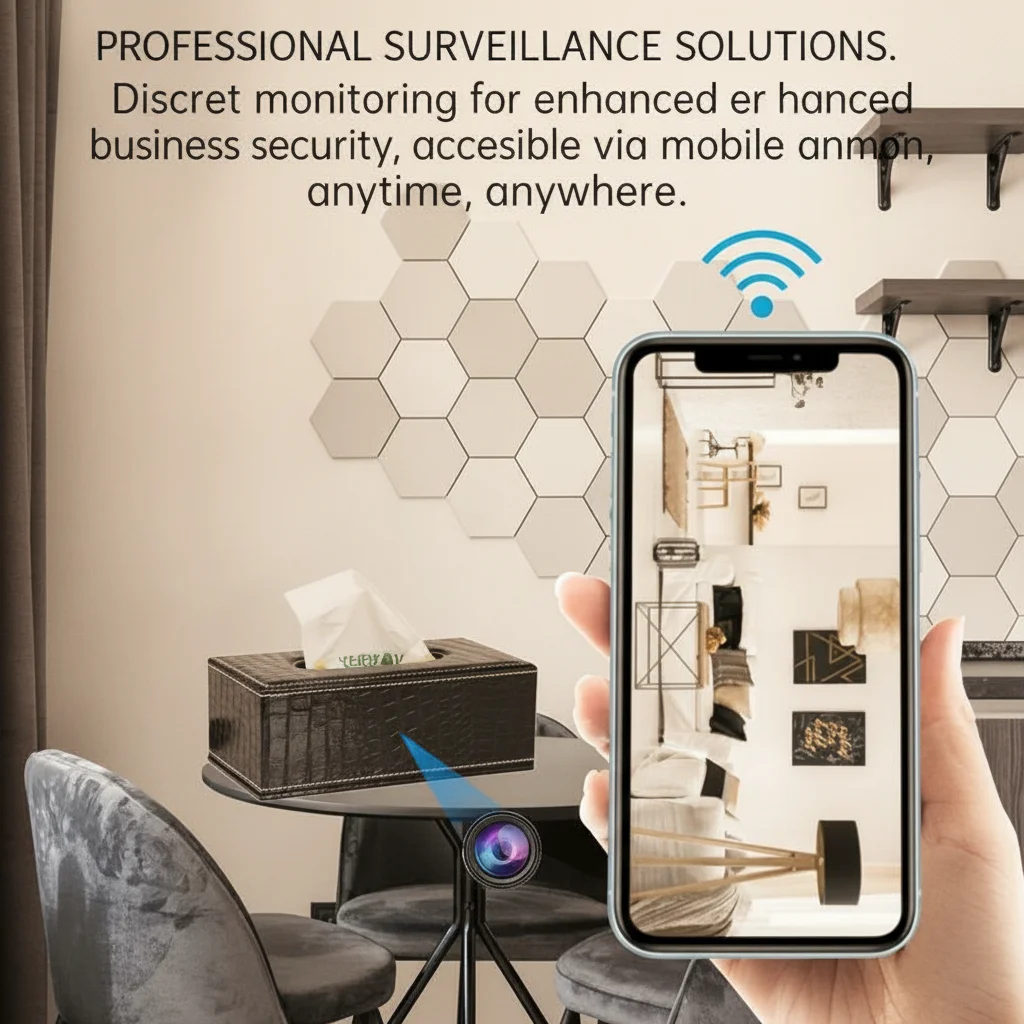
What exactly is a picture frame spy camera and how does the lens stay hidden?
Most buyers confuse a picture frame spy camera with a regular digital photo frame that happens to record. The design philosophy is completely different, and understanding it helps you sell.
A picture frame spy camera uses a 1.5-2mm pinhole camera lens hidden along the decorative border or between the screen edge and the frame body. When the display shows a real photo — a family portrait, a landscape — the human eye focuses on the image content, not the frame edge. I tested this with ten people in our Milan showroom: none spotted the lens within 60 seconds of casual observation.
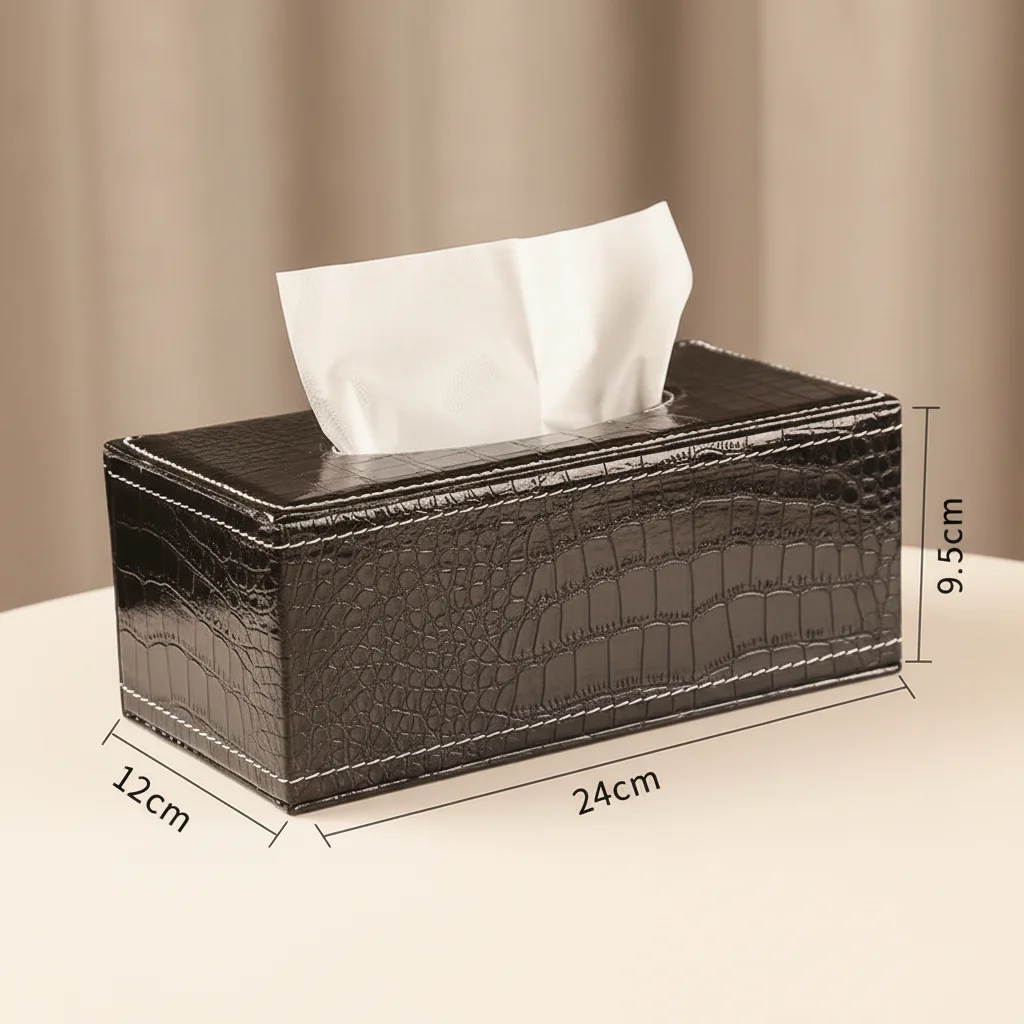
The critical difference: static print vs real LCD
Budget models use a static printed image behind glass — obvious to anyone who gets close. Our models use actual LCD panels that rotate through uploaded photos, change brightness automatically, and look like real digital photo frames. This distinction matters enormously at point of sale.
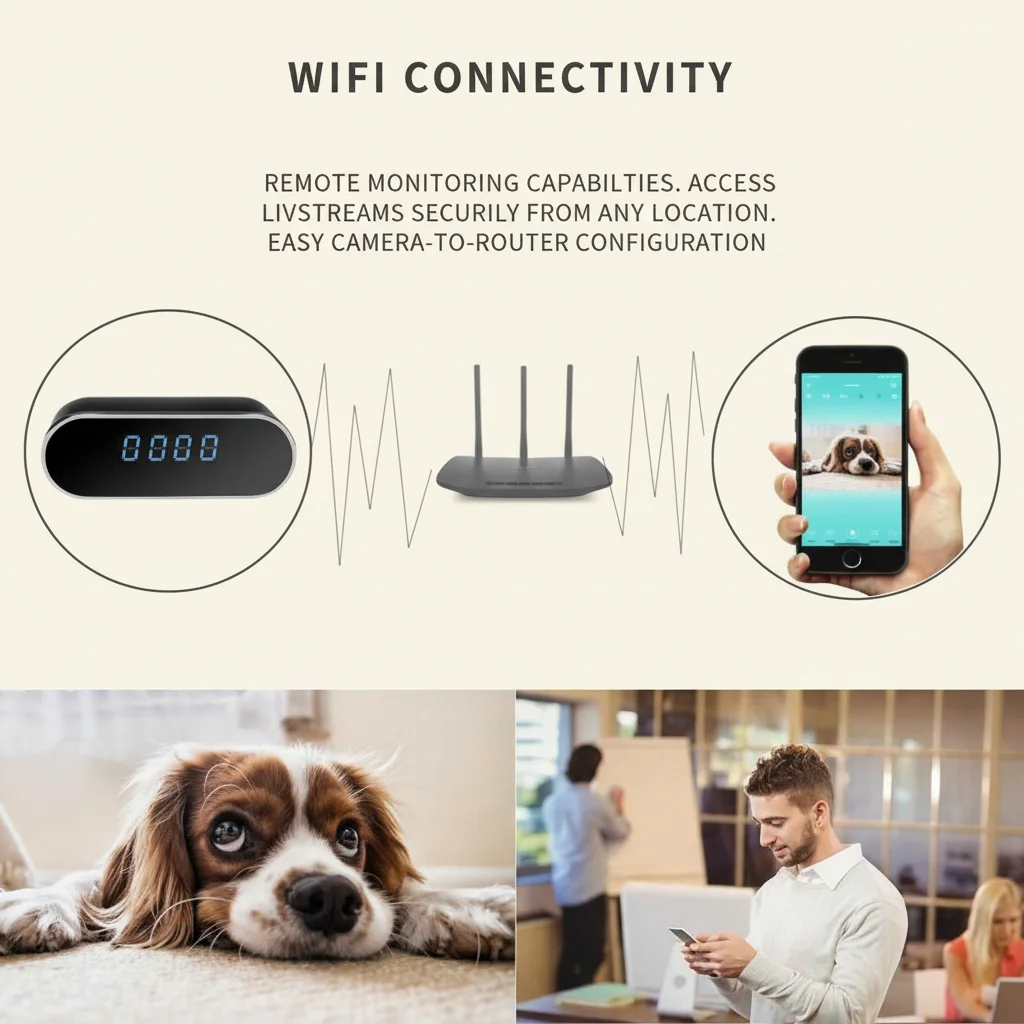
The camera module inside typically runs a 1/2.9″ CMOS sensor paired with a wide-angle lens (90-120 degrees). Resolution ranges from 1080p to 4K depending on chipset. The unit connects to 2.4GHz WiFi only — no 5GHz support on any model I have tested. I always warn resellers: their end customers with modern dual-band routers set to 5GHz-only mode will have connection issues unless they separate bands during setup.
One thing I learned the hard way with a Dutch reseller: they marketed the picture frame spy camera as a “premium digital photo frame with security.” Customer expectations skewed toward display quality, and returns spiked because the TN panel did not match Nixplay or Aura frames at €100+. Position it as a security tool that also shows photos — not the reverse.
Point clé à retenir : A picture frame spy camera succeeds because the active LCD display gives it a genuine reason to exist in any room. Static-print models fail this test instantly.
Does 4K resolution actually matter for a picture frame spy camera?
Everyone asks for 4K. But in my experience, 80% of picture frame spy camera placements work perfectly fine at 1080p. The resolution badge is more marketing than substance for most use cases.
The real question is not pixel count — it is whether the sensor handles low-light conditions at the distance your customer needs. A 4K sensor crammed into a 1.5mm pinhole will not outperform a well-tuned 1080p sensor at 5 metres in a dim hotel corridor. I tested both side by side in our Milan office last quarter, and the 1080p model produced clearer facial details at 4 metres because it had better ISP tuning.
When 4K genuinely justifies the cost
4K makes a real difference in two scenarios: wide-open spaces where the camera covers 6+ metres and you need to crop footage digitally, and evidence-grade recording where courts or insurers need to read text or confirm identity from a distance.
| Spécification | Modèle 1080p | Modèle 4K |
|---|---|---|
| Capteur | 1/2.9″ CMOS | 1/2.5″ CMOS |
| Digital zoom at 5m | Adequate | Excellent |
| IR night vision range | 8m | 10 m |
| MicroSD speed required | Classe 10 | U3 / V30 |
| WiFi bandwidth | 2-4 Mbps | 8-15 Mbps |
| B2B cost difference | Référence | +30-40% |
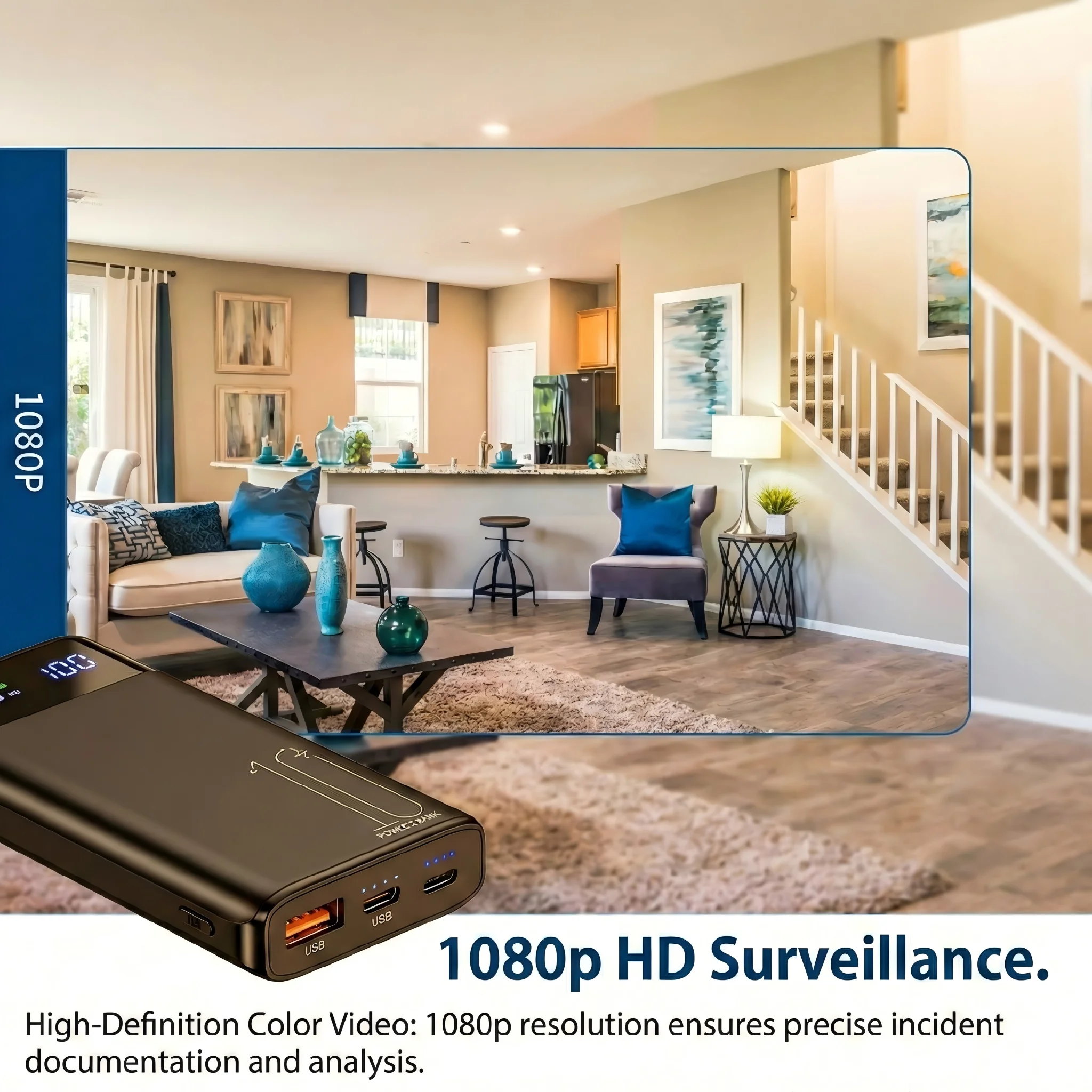
For most picture frame spy camera placements — desks, shelves, nightstands at 2-4m range — 1080p with invisible 940nm IR is the smarter buy.
Point clé à retenir : Choose 1080p for typical indoor placements. Reserve 4K for large rooms or evidence-grade requirements where digital zoom at distance matters.
How reliable is the Tuya app — and what causes WiFi drops?
App stability is the number one complaint I hear from resellers. A beautiful picture frame spy camera means nothing if the end customer cannot connect to it.
The Tuya Smart platform powers over 600,000 IoT devices globally. Connection reliability depends heavily on three things: WiFi module firmware version, router compatibility, and whether the Tuya cloud region matches the buyer’s location. In our testing, drop rates vary from 0.1% on our current modules to 15% on untested cheap modules over a 7-day test.
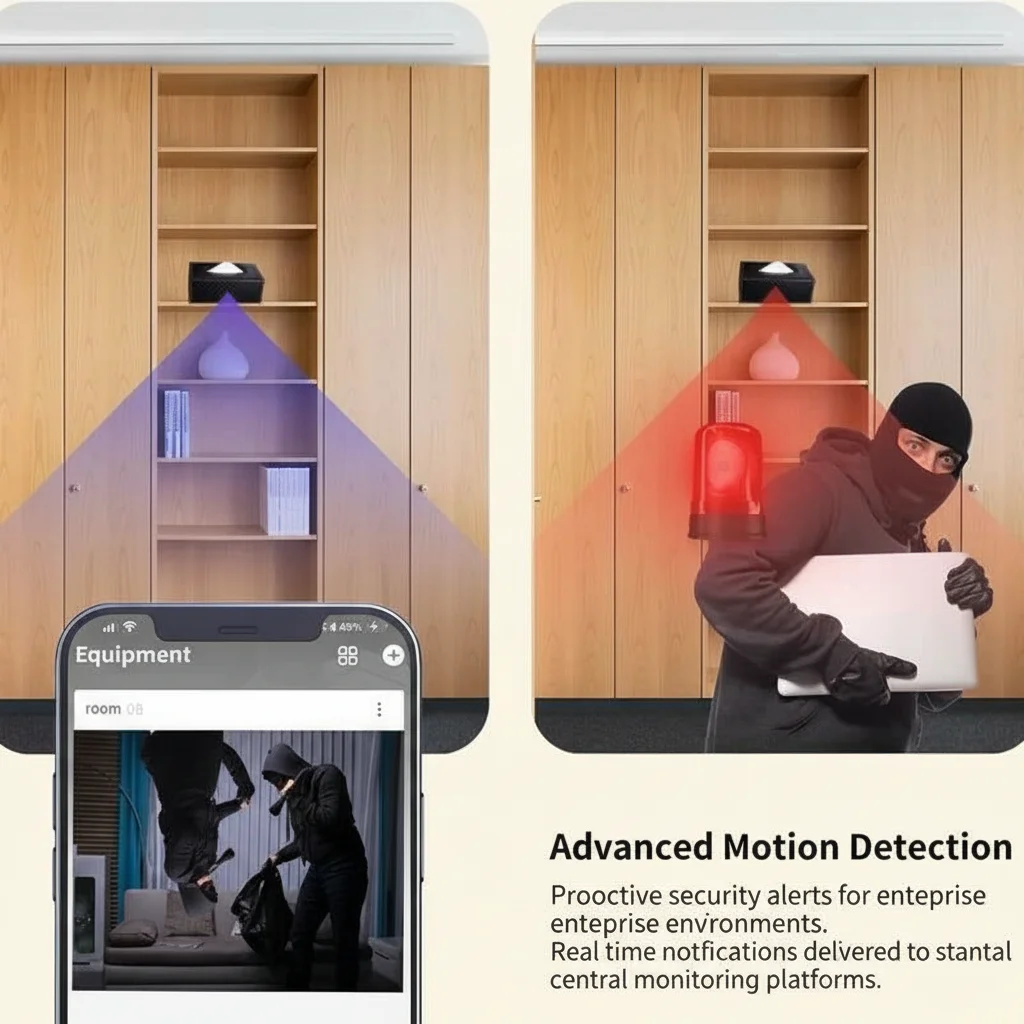
The firmware problem nobody talks about
Here is what most suppliers will not tell you: the WiFi module inside a picture frame spy camera is usually an ESP32 or RTL8188 chip running firmware the assembler did not write. They bought it from a chipset vendor and modified it minimally. When bugs appear — DHCP lease renewal failures, DNS timeouts, Tuya cloud region mismatches — most assemblers cannot fix them because they do not own the codebase.
We maintain our own firmware fork. Last October, we identified a timer overflow causing disconnections after exactly 72 hours. We patched it in 48 hours. A reseller buying from a generic supplier would still be dealing with that bug.
The 2.4GHz trap is equally deadly. I have seen this at least 15 times in the past year: a retailer sells 200 units. Within a month, 30% of customers complain the camera “does not connect.” Root cause: modern routers broadcast combined 2.4/5GHz, and the camera only supports 2.4GHz. The phone auto-selects 5GHz, and pairing fails. Our solution: we include a printed setup card with clear band-separation instructions. Connection-related returns dropped from 12% to under 2%.
Point clé à retenir : Ask your supplier who wrote the WiFi firmware and whether they can push over-the-air updates. If they cannot answer, you will handle WiFi complaints forever.
What CE and RoHS documents should I demand before importing?
Compliance is where European buyers get burned most often. A PDF with “CE” stamped on it means nothing if the test report does not match the actual product.
For legally importing a picture frame spy camera into the EU, you need: CE Declaration of Conformity referencing RED 2014/53/EU (WiFi radio), LVD 2014/35/EU (electrical safety), and EMC 2014/30/EU (electromagnetic compatibility); RoHS Declaration under Directive 2011/65/EU; and test reports from an ISO 17025 accredited laboratory. The declaration must name the EU importer, not just the manufacturer.
My compliance checklist
– [ ] CE DoC references specific directives (RED, LVD, EMC)
– [ ] Test report model number matches product label exactly
– [ ] Lab is ISO 17025 accredited (verify on ILAC database)
– [ ] RoHS declaration covers all Annex II substances
– [ ] Le marquage CE sur le produit mesure au moins 5 mm de hauteur
– [ ] EU importer name and address on packaging
– [ ] WEEE registration for destination country
– [ ] Battery directive compliance if lithium backup battery present
I had a case in January where a Belgian buyer’s shipment got flagged at Antwerp because the CE declaration referenced “Model PF-001” but the product label said “PF-001A.” Customs treated it as a mismatch. We resolved it within 24 hours with an updated declaration, but the delay cost a week of lost sales during a promotional campaign.
Point clé à retenir : Verify every model number across product label, CE declaration, test reports, and packaging is character-for-character identical.
Is it legal to use a picture frame spy camera in Airbnbs and offices?
This is the question every reseller must answer before selling a single unit. The law varies dramatically between EU countries, and getting it wrong exposes your customers — and your business — to liability.
In most EU member states, recording video without audio in your own property is legal, but recording guests in private spaces like bedrooms or bathrooms is strictly illegal everywhere. For common areas — living rooms, corridors, reception desks — the rules depend on whether occupants are informed. Under GDPR Article 13, you must inform data subjects that recording is taking place.
Country-by-country realities I have encountered
In Italy, where my team operates daily, covert recording without consent can trigger criminal charges under Article 615-bis of the Codice Penale. In Germany, the BDSG adds layers beyond GDPR. In the UK post-Brexit, the Data Protection Act 2018 applies similar principles with different enforcement.
| Pays | Common area video | Enregistrement audio | Guest notice required |
|---|---|---|---|
| Italie | Autorisé avec notification | Restreint | Oui |
| Allemagne | Autorisé avec notification | Fortement restreint | Oui |
| France | Autorisé avec notification | Restreint | Oui |
| UK | Autorisé avec notification | Consentement unilatéral | Oui |
| Espagne | Autorisé avec notification | Restreint | Oui |
My recommendation: include a legal disclaimer card in every box and position these as “property monitoring devices for authorised spaces only.” We have seen resellers who marketed them as “spy on guests” tools get Amazon listings removed within weeks.
Point clé à retenir : Sell the picture frame spy camera as a common-area property monitoring tool, not as covert guest surveillance. Include legal guidance in packaging.
Who buys picture frame spy cameras — and who should not?
Not every customer needs a picture frame camera. Matching form factor to buyer segment saves returns and builds trust.
The picture frame spy camera sells best to three segments: Airbnb and holiday rental hosts who want common-area monitoring without visible cameras, small office managers needing reception or meeting room oversight, and home security buyers covering living rooms and entryways. It does NOT work for outdoor use, ceiling-mounted views, or portable battery-powered surveillance.
| Customer segment | Fit | Pourquoi |
|---|---|---|
| Airbnb / rental hosts | ★★★★★ | Natural on shelves, continuous power |
| Office reception / meeting rooms | ★★★★☆ | Professional appearance |
| Home security (living room) | ★★★★☆ | Blends with décor |
| Hotel room monitoring | ★★★☆☆ | Legal complications |
| Retail loss prevention | ★★☆☆☆ | Coverage angle too narrow |
| Outdoor / garden | ☆☆☆☆☆ | Not weatherproof |
Point clé à retenir : Position picture frame spy cameras for Airbnb hosts and small offices. Do not try to sell them for outdoor or large retail spaces.
What MOQ, lead times, and customisation options are realistic?
Pricing transparency in this category is poor. Here is what realistic numbers look like from a manufacturer with CE certification and firmware control.
Standard picture frame spy camera models ship from our EU warehouse in Italy at MOQ 50-100 units with 5-10 business day lead time. Custom packaging starts at 100 units. Custom display sizes or housing require 500+ units and new mould investment (~€2,500). Custom orders from Shenzhen run 35-45 days.
My recommended first-order strategy
1. Order 3-5 samples — test with the WiFi and night vision protocols above
2. Trial batch of 50 from EU stock — validates logistics and packaging
3. Monitor returns for 30 days — acceptable threshold under 5%
4. Scale to 200+ with custom packaging — only after real demand confirmation
5. Custom display sizes at 500+ — if market clearly prefers one size
One thing I always tell new buyers: start small, validate with real customers, then come back with customisation requests based on market feedback. I have seen too many buyers invest in 500 custom-branded units only to discover their market prefers a different frame colour.
Point clé à retenir : Start small from EU stock, validate 30 days, then scale. The mould cost for custom housing is ~€2,500 — only justified at 1000+ units.
How do I reduce after-sales costs on picture frame spy cameras?
After-sales costs eat margins silently. In my experience, 90% of picture frame spy camera returns are preventable with better setup documentation.
Top three after-sales issues: WiFi connection failures during setup (2.4GHz band confusion), MicroSD format errors (customers insert exFAT cards instead of FAT32), and photo upload confusion (customers expect drag-and-drop but the Tuya app requires a specific workflow).
How we cut returns from 14% to under 2%
When we first shipped picture frame spy cameras to our German reseller network, returns hit 14% in month one. We analysed every returned unit:
– 62% were setup failures (WiFi band, app configuration)
– 24% were MicroSD format issues
– 11% were actual hardware defects
– 3% were buyer remorse
We created a printed quick-start card with QR codes linking to setup videos in English, German, Italian, and French. We pre-formatted MicroSD cards to FAT32 before shipping. We added a “test before you sell” note recommending resellers pair each unit with their own router before listing.
Result: returns dropped to 1.8% within two months. The printed cards and pre-formatting cost under €0.30 per unit. Savings from avoided returns exceeded €15 per unit in shipping and handling costs alone.
Point clé à retenir : Invest €0.30 per unit in documentation and pre-formatted cards. It saves €15+ per unit in avoided return costs.
How does a picture frame spy camera compare to other disguised form factors?
Choosing between form factors depends on where the camera sits, how it gets power, and what your customer expects.
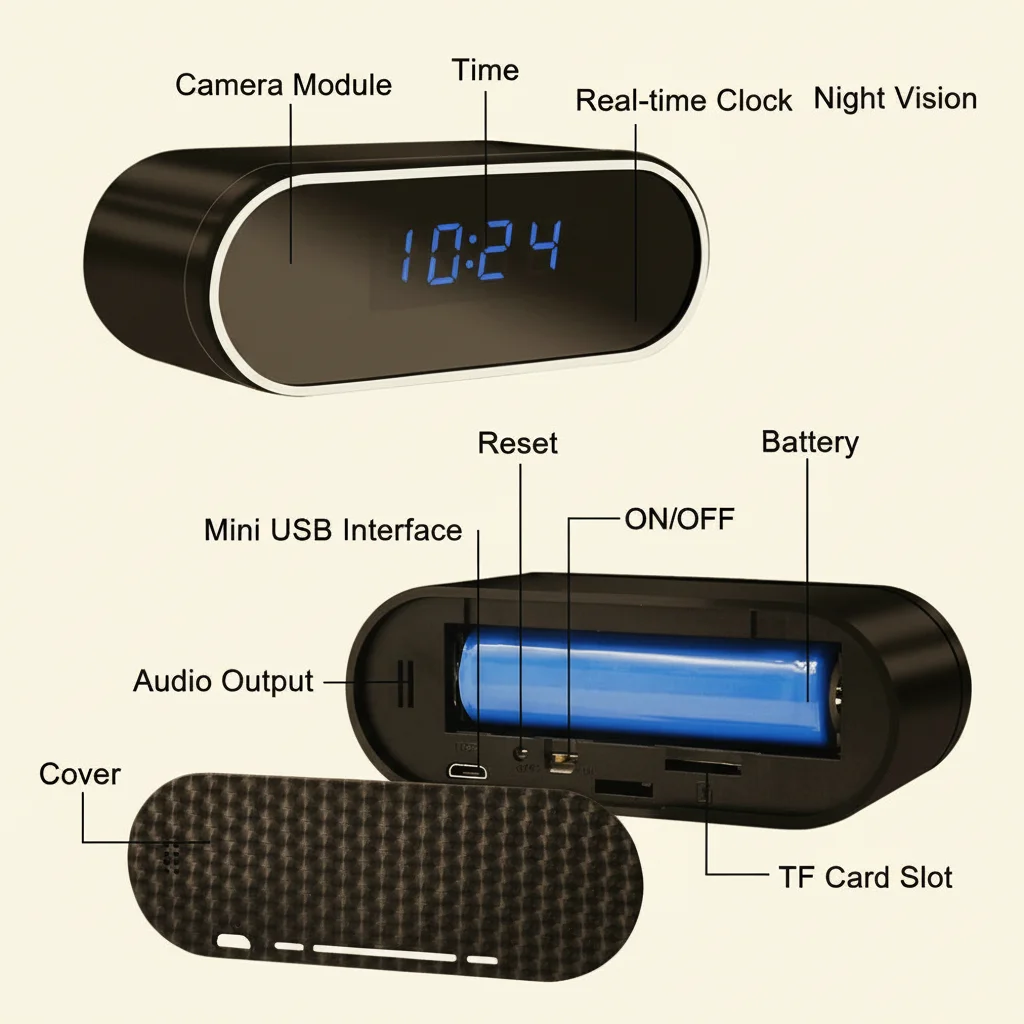
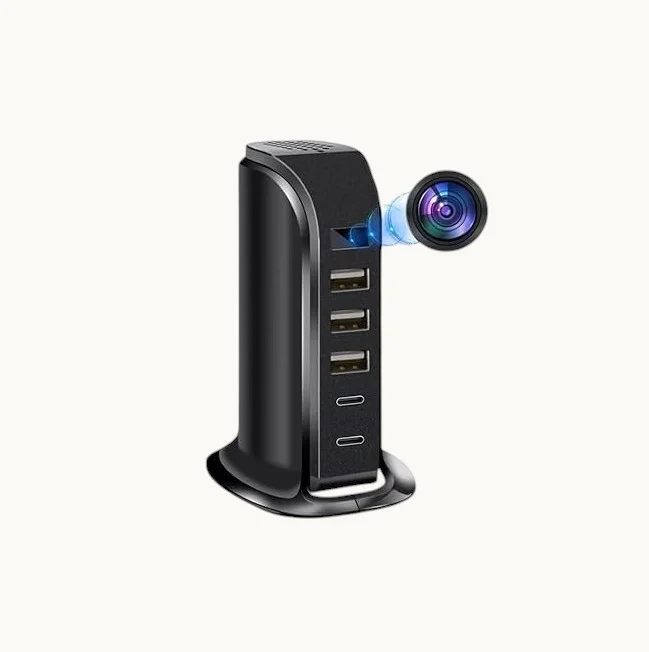
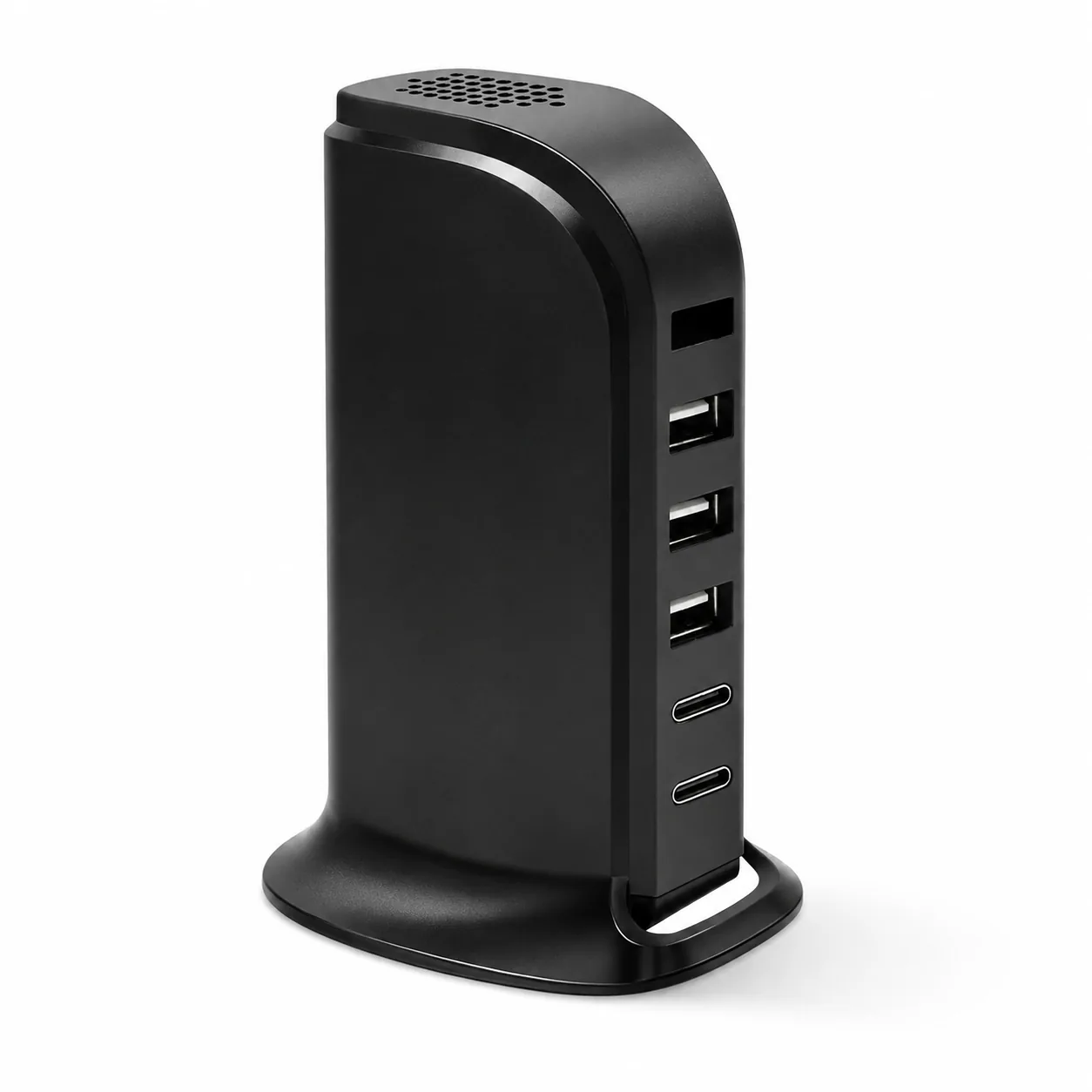
A picture frame spy camera competes with air freshener vase cameras et caméras d'horlogerie for indoor shelf placement. It wins on placement flexibility — a frame goes anywhere a flat surface exists — but loses to USB charger cameras on price and to smoke detector cameras on coverage angle.

| Facteur de forme | Placement | Furtivité | Price | Cas d'utilisation optimal |
|---|---|---|---|---|
| Cadre photo | ★★★★★ | ★★★★☆ | Moyenne | Desk, shelf, mantel |
| Désodorisant d'ambiance / vase | ★★★★☆ | ★★★★★ | Milieu-haut de gamme | Shelf, counter |
| Horloge murale | ★★★☆☆ | ★★★★☆ | Moyenne | Office, corridor |
| Chargeur USB | ★★☆☆☆ | ★★★★★ | Bas de gamme à milieu de gamme | Near outlets |
| Détecteur de fumée | ★★☆☆☆ | ★★★★★ | Milieu-haut de gamme | Ceiling mount |
Point clé à retenir : Stock picture frames alongside 1-2 other form factors for complete indoor coverage. The frame excels on desk and shelf placement.
Questions fréquemment posées
What is the battery life on a picture frame spy camera?
Most picture frame spy cameras run on continuous USB power from a wall adapter, providing unlimited recording time. Some models include a small 500-1000mAh backup lithium battery that covers 30-60 minutes during power outages. This is a safety feature, not the primary power source — always connect USB for continuous operation.
Can I upload my own photos to display on a picture frame spy camera?
Yes, every QZT picture frame spy camera supports photo uploads via MicroSD card in JPEG format. Our 2026 models also support direct upload through the Tuya Smart app, so you can change displayed photos remotely without physically accessing the frame or swapping the card.
What MicroSD card size works best with a picture frame spy camera?
A 64GB MicroSD card formatted to FAT32 provides about 7 days of continuous 1080p recording with loop overwrite on a picture frame spy camera. A 128GB card doubles that to roughly 14 days. Always use Class 10 or U1 rated cards — cheaper cards cause recording gaps and file corruption.
Is a picture frame spy camera legal in Airbnb common areas?
In most EU countries, recording video without audio in common areas you own is legal when guests are informed. A picture frame spy camera in an Airbnb living room requires visible signage notifying guests of recording, plus a privacy policy in your listing. Recording in bedrooms or bathrooms is illegal everywhere in the EU.
How do I verify a CE certificate is genuine for a picture frame spy camera?
Check three things on any picture frame spy camera CE certificate: the Declaration of Conformity references specific directives (RED 2014/53/EU, LVD, EMC), the test report model number matches the product label exactly, and the testing lab holds ISO 17025 accreditation verifiable on the ILAC database.
Conclusion
A picture frame spy camera is one of the most versatile indoor disguised cameras — it fits anywhere a flat surface exists, and the active photo display gives it a natural reason to belong in any room. Focus your sourcing on models with real LCD displays, invisible 940nm IR, and Tuya firmware your supplier actually controls. Start with 50 standard units from EU stock, watch returns for 30 days, then scale with confidence. Still have questions? I am always happy to walk you through the specs — reach out to our team and we will get you sorted.

 English
  Italiano
  Deutsch
  Français
  Español
  Polski