
How to Hide a Nanny Camera: Best Placement Spots and Form Factors
You bought a nanny cam. You installed it. And within ten minutes, your babysitter spotted it — because it looked exactly like a camera sitting on a shelf. The whole point of covert monitoring is that nobody knows it’s there.
The best nanny cam placement is inside an everyday object that belongs naturally in the room — a clock, a charger, a smoke detector, or a picture frame. The camera should face the main activity zone from 90–150 cm height, with no direct line of sight to the lens from seated eye level.
But here’s what most people get wrong: hiding a nanny cam isn’t just about the form factor. It’s about matching the disguise to the room, the lighting, the power source, and the viewing angle. A clock camera in a bathroom looks suspicious. A USB charger in a nursery looks normal. This guide covers the ten best hiding spots, the form factors that work for each, and the technical details that determine whether your footage is usable or useless.
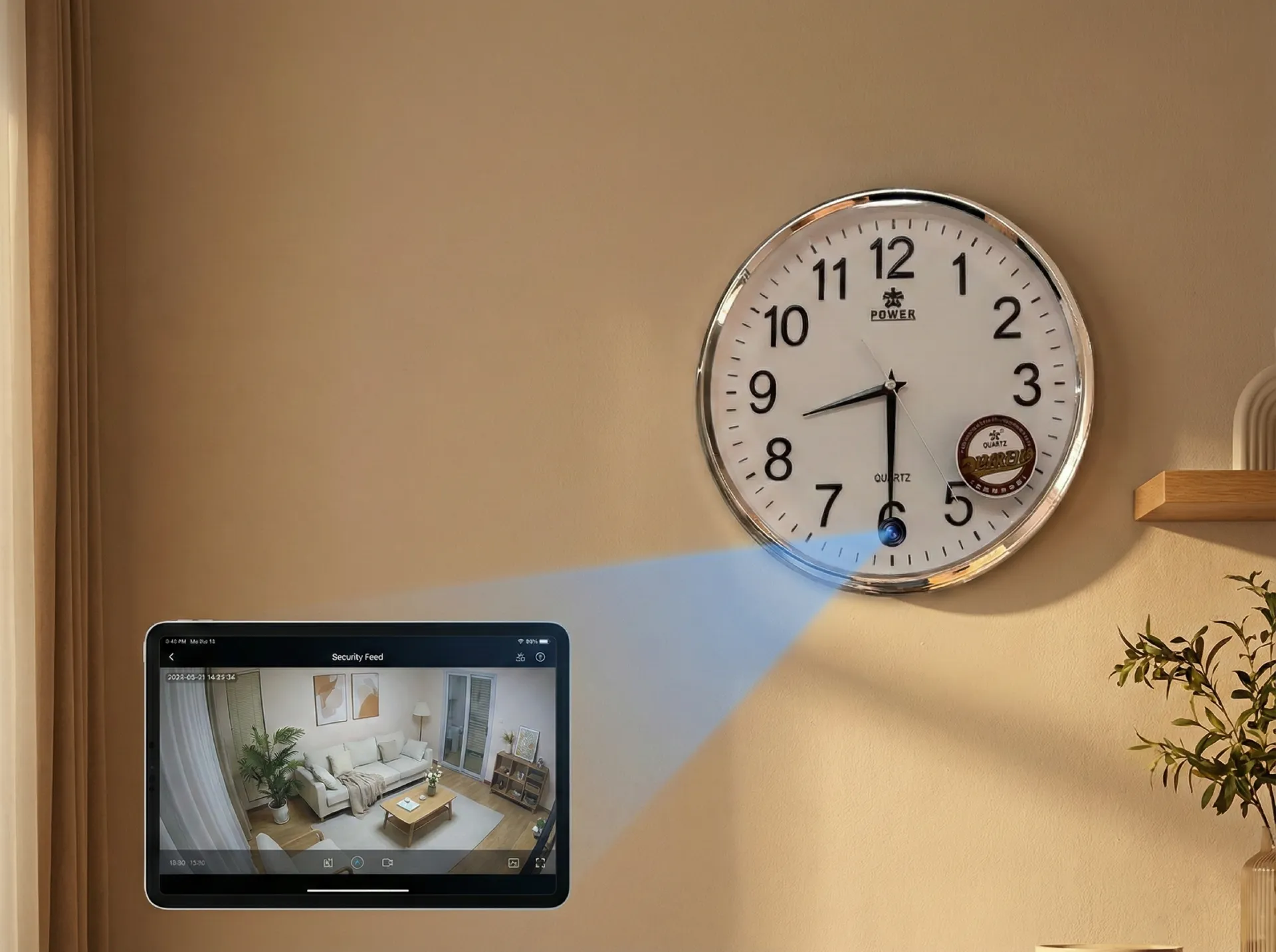
Where Is the Best Place to Hide a Nanny Camera?
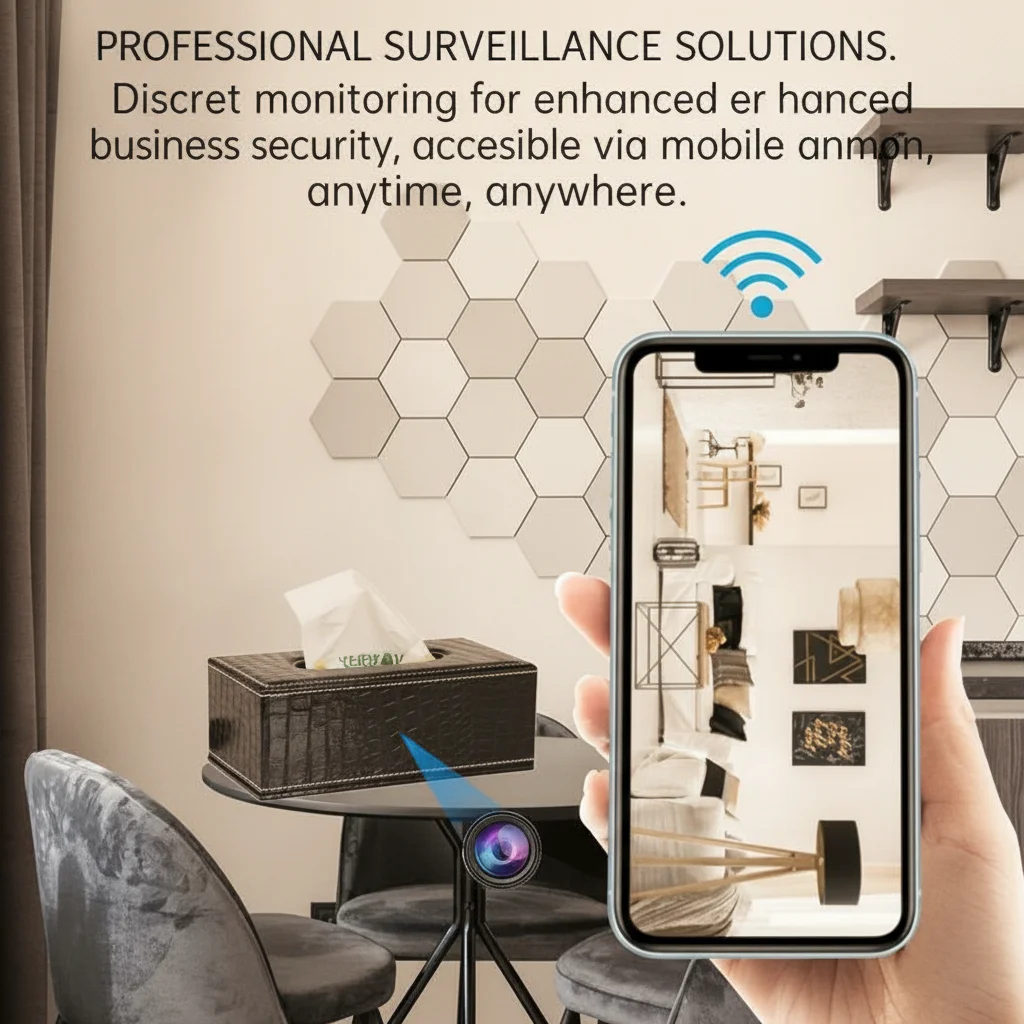
The golden rule of nanny cam placement: the camera must look like it belongs there, and it must capture the right angle. These two requirements often conflict. Here’s how to resolve them.
Wohnzimmer: The most monitored room in any home. The best positions are on a bookshelf (facing the sofa area), on a mantelpiece (facing the main seating), or disguised as a wall clock (facing the play area). The Z10 WiFi-Spionagenuhr-Kamera is ideal here — a digital clock on a side table looks completely natural and the 150° wide-angle lens covers the entire room from a corner position.
Kinderzimmer: The camera needs to capture the crib area without being close enough for a caregiver to notice the lens. A shelf at the opposite end of the room, 120–150 cm high, gives full crib coverage. Avoid placing cameras inside stuffed animals — this is the first place an experienced caregiver looks.
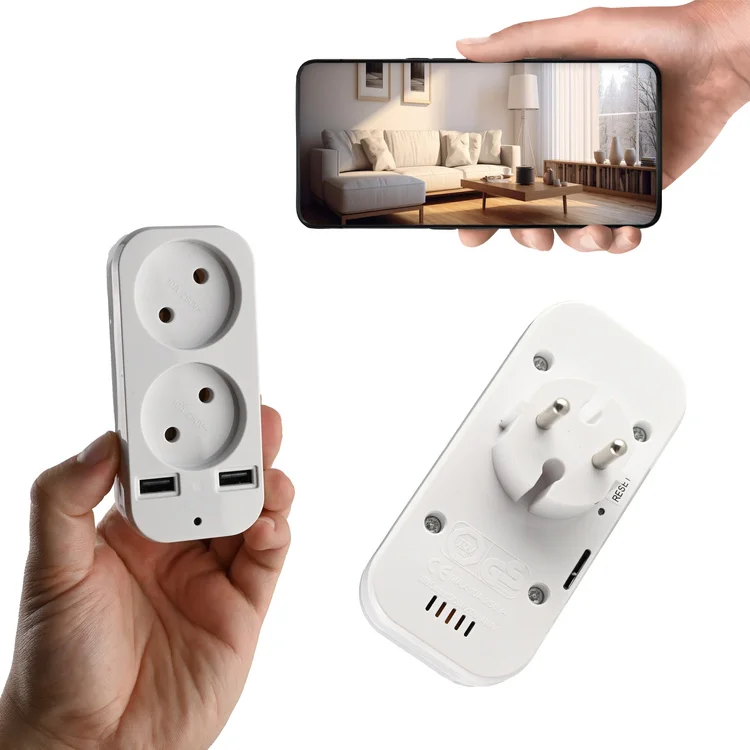
Küche: Kitchens are tricky because few “decorative” objects belong on countertops. The WiFi-Spionagekamera USB-Ladegerät 1080P solves this perfectly — a phone charger plugged into a kitchen outlet is the most invisible camera deployment possible.
| Raum | Best Form Factor | Mounting Height | Key Coverage Zone |
|---|---|---|---|
| Wohnzimmer | Uhr-Kamera | 90–120 cm | Sofa + play area |
| Kinderzimmer | DIY module in shelf object | 120–150 cm | Crib + changing table |
| Küche | USB-Ladegerät Kamera | 30–60 cm (outlet) | Counter + entry |
| Hallway | Rauchmelder-Kamera | Ceiling (240 cm) | Entry + movement |
| Office | Pen camera in cup | 80–100 cm | Desk + visitor chairs |
Kernaussage: Match the disguise to the room — a charger in a kitchen, a clock in a living room, a smoke detector in a hallway.
How to Hide a Nanny Camera in a Living Room
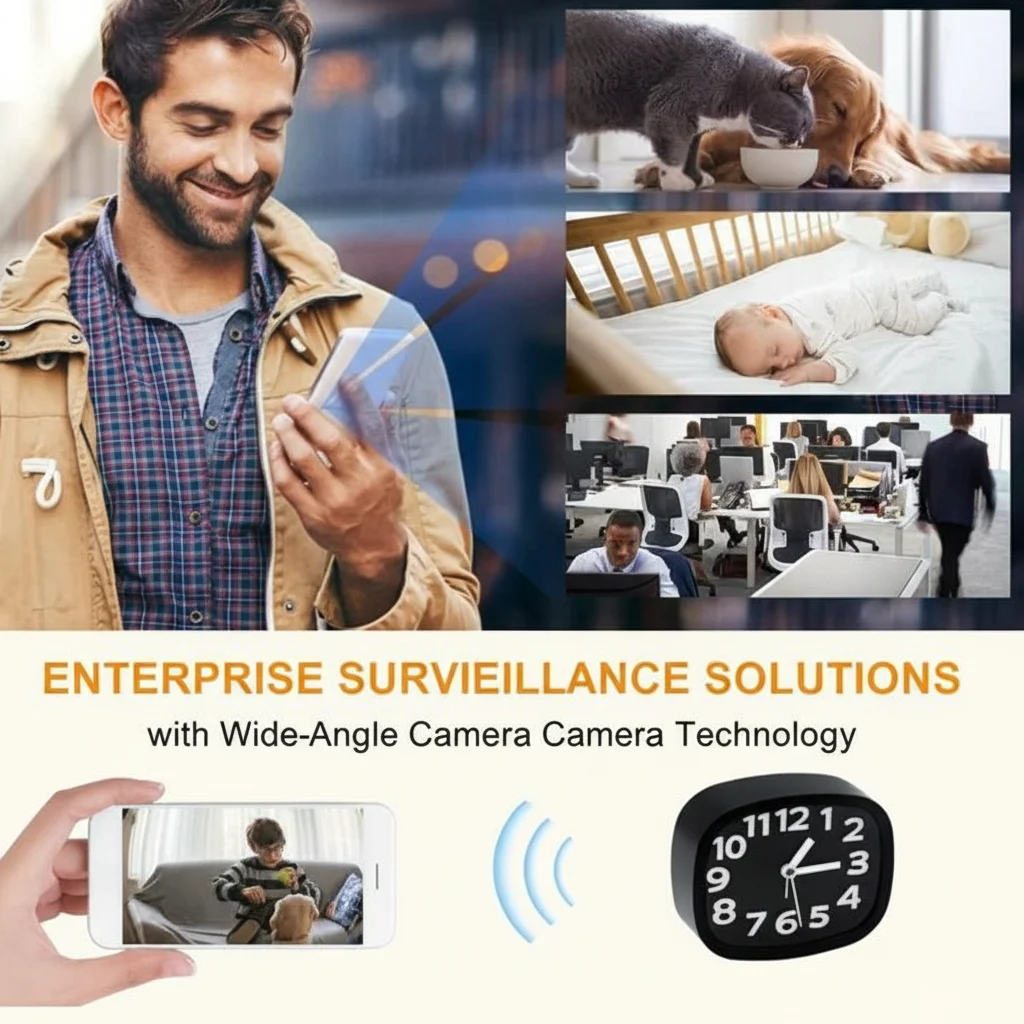
The living room is where most nanny cam deployments happen — it’s where children and caregivers spend the majority of their time. But it’s also the room where a hidden camera is most likely to be discovered, because people are actively looking around.
Position the camera at seated eye level or above. A camera placed below waist level (like in a lower shelf) captures mostly legs and furniture. A camera at 90–120 cm — the height of a side table or bookshelf — captures faces and upper body interaction naturally.
The clock camera is the gold standard for living room deployment. A digital alarm clock on an end table is so common that it’s invisible. The Z10 clock camera has the lens positioned on the front face, disguised within the LED display bezel. From 3–4 meters away, the 1mm lens aperture is not visible to the naked eye.
Here’s what most people get wrong: they point the camera straight at the sofa. This creates a flat, head-on angle that captures faces but misses body language and interaction. A 30–45° offset angle from the corner of the room gives better depth perception and covers a wider activity zone. The 150° wide-angle lens on the Z10 means even a corner placement captures the entire sofa area.
Avoid windows. Backlight from a window blows out the exposure — the DSP can’t compensate for a 10-stop dynamic range between a sunlit window and a shaded interior. If the only good angle faces a window, close the curtains or choose a different position.
Kernaussage: Place at 90–120 cm height, 30–45° offset from main seating — never point straight at a window.
Can You Hide a Nanny Camera in a Smoke Detector?
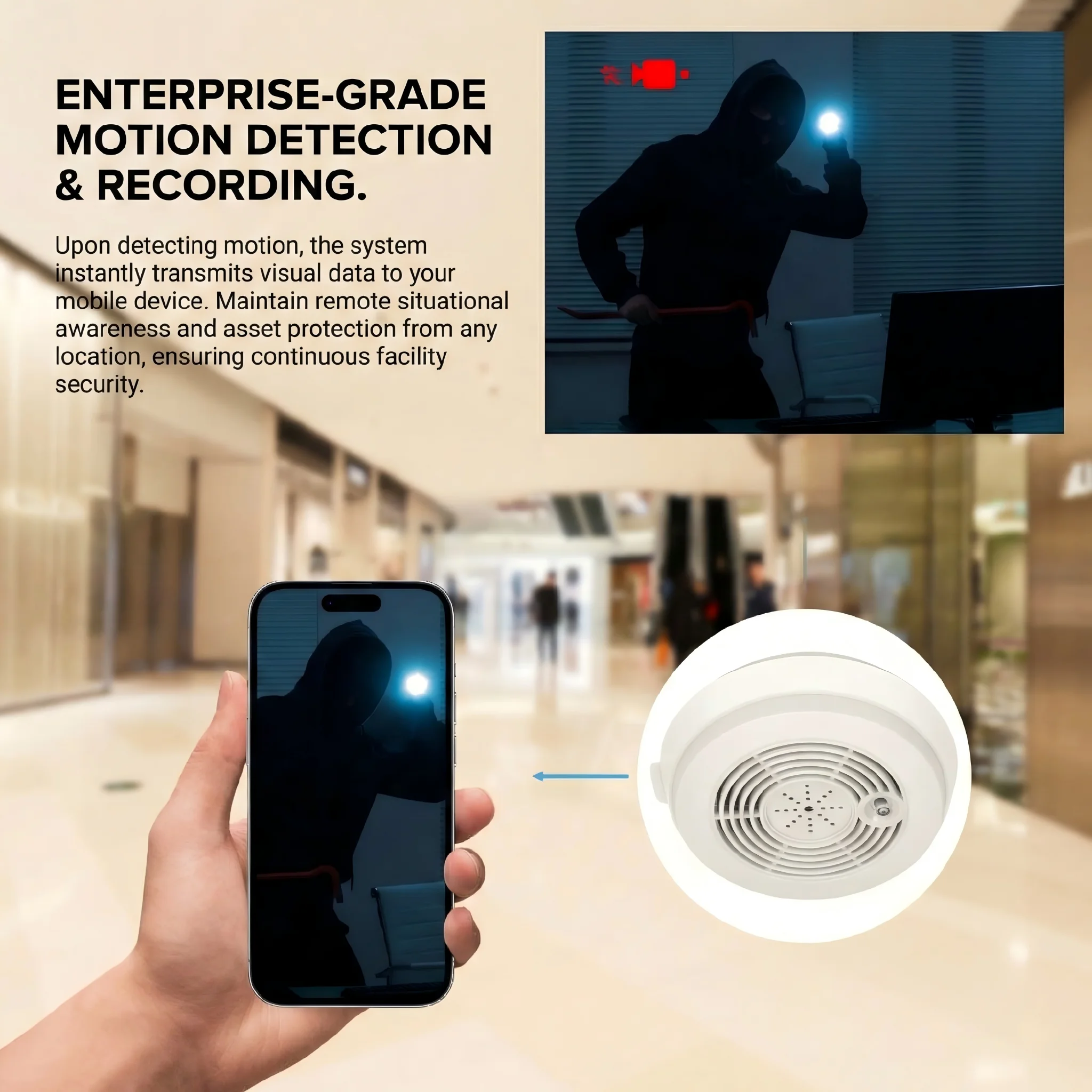
Smoke detector cameras are one of the most effective nanny cam disguises — and one of the most frequently misunderstood.
A smoke detector mounted on the ceiling is the least suspicious object in any home. Nobody looks up at a smoke detector and thinks “hidden camera.” The Versteckte Kamera im WLAN-Rauchmelder is designed to replace or augment an existing smoke detector, mounting to the ceiling with standard hardware.
The ceiling position (240 cm height) gives a top-down view of the entire room. This is ideal for hallways, stairwells, and open-plan living areas where wall-mounted cameras would be visible. The downward angle captures full-body movement and interaction patterns — useful for identifying who entered a room and what they did.
But here’s the trade-off: ceiling mounting means the camera is difficult to access for SD card retrieval. If you’re using a non-WiFi model, you’ll need a step ladder every time you want to check footage. WiFi models solve this — footage streams directly to the app — but they require a nearby power source.
The smoke detector camera from QZT is mains-powered (hardwired to the ceiling junction box), which means unlimited recording time. Battery-powered smoke detector cameras exist but require frequent battery changes — climbing a ladder every 3–4 days is impractical.
For B2B buyers: smoke detector cameras are the second-best-selling hidden camera form factor in the EU market after clock cameras. They are particularly popular in the UK and Germany, where workplace monitoring regulations make ceiling-mounted cameras easier to justify than disguised desk objects.
| Faktor | Rauchmelder-Kamera | Uhr-Kamera |
|---|---|---|
| Tarnungseffektivität | Excellent (ceiling = invisible) | Very good (common object) |
| Coverage angle | Top-down, 360° potential | Eye-level, 150° forward |
| Stromquelle | Netzbetrieb (fest verdrahtet) | Plug-in or battery |
| SD card access | Difficult (ladder needed) | Easy (table height) |
| Best room | Hallway, staircase, open plan | Living room, bedroom, office |
| Return rate (B2B) | 1.5% | 2.0% |
Kernaussage: Smoke detector cameras are the most covert ceiling option — best for hallways and open-plan spaces.
How to Hide a Nanny Camera as a USB Charger
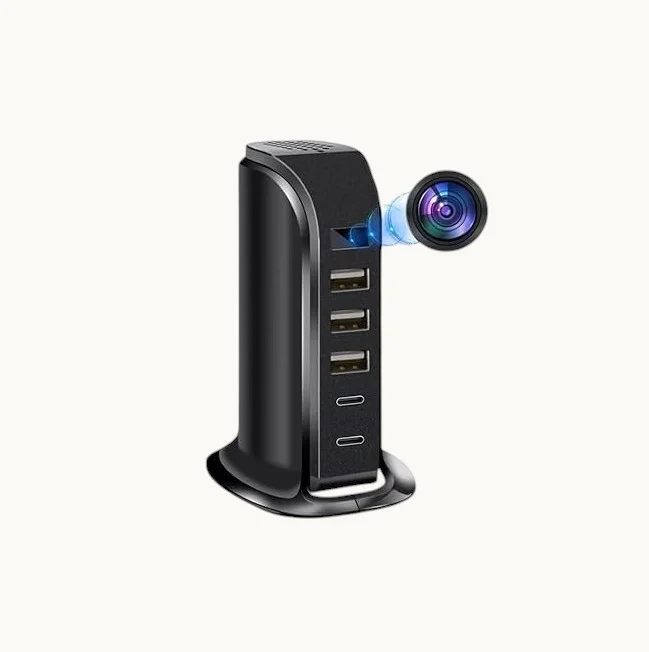
The USB charger camera is the most deceptive nanny cam form factor ever invented. It doesn’t just hide a camera — it hides a camera inside an object that people actively want to plug their phone into.
A USB charger plugged into a wall outlet is the most universally accepted object in any modern home. Every room has outlets. Every person has a phone that needs charging. A charger camera raises zero suspicion because its stated function — charging devices — is exactly what it appears to do.
Die WiFi-Spionagekamera USB-Ladegerät 1080P has the camera lens positioned on the front face of the charger body, between the USB ports. From a standing or seated position, the 1.5mm lens aperture is indistinguishable from a manufacturing detail or LED indicator.
The key advantage: unlimited power. Because the charger plugs directly into mains, there is no battery to recharge. The camera records 24/7 without any maintenance. This makes it ideal for long-term monitoring deployments where you can’t physically access the camera every few days.
The limitation is angle. A wall outlet is typically 30–60 cm from the floor — much lower than the ideal 90–120 cm mounting height. This means the camera shoots slightly upward, which can distort perspective. The solution: use an outlet that’s behind furniture, with the charger facing the room from a low angle. The wide-angle lens compensates for the height difference, and the upward angle actually improves face capture when subjects are seated on a sofa.
But here’s the thing: the charger camera only works if it’s the only charger in the room. If there are already two phone chargers on the counter, adding a third looks odd. Choose a room where no charger is present — the kitchen counter or hallway outlet are ideal.
Kernaussage: USB charger cams are the most covert form factor — unlimited power, zero suspicion, but limited to outlet height.
What About DIY Hidden Camera Modules?
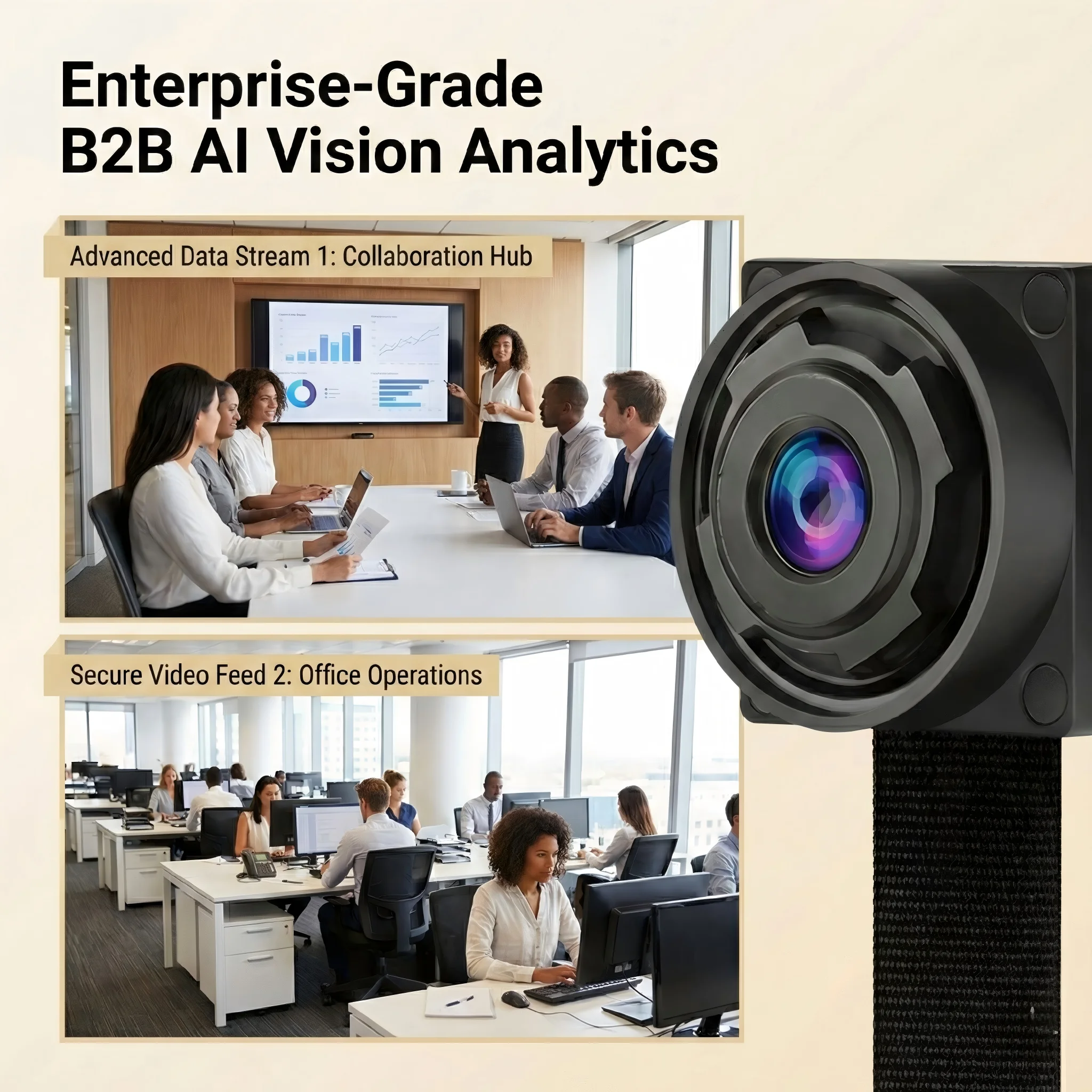
Sometimes no off-the-shelf form factor fits your situation. You need a camera inside a specific object — a teddy bear, a picture frame, a book spine, a tissue box. This is where DIY camera modules come in.
Die DIY verstecktes WiFi-Spionagekamera-Modul gives you a bare camera module — lens, sensor, DSP, WiFi chip — measuring approximately 25×25×8mm. You embed it inside any object you choose. The module connects to power via micro-USB and records to a microSD card slot on the board.
The advantage is total customisation. You can build a camera into:
– A picture frame on the wall (lens through a small hole in the frame edge)
– A book on a shelf (spine cut to expose the lens)
– A tissue box (lens through the decorative pattern)
– A plant pot (lens behind a leaf)
– A stuffed animal (lens through the eye or seam)
But here’s what most people get wrong: DIY doesn’t mean “lazy.” The quality of the disguise determines the quality of the monitoring. A poorly drilled hole in a picture frame looks suspicious under close inspection. A lens hidden behind a semi-transparent surface (tissue, fabric) reduces image quality by 30–50%. The module’s lens needs a clear, unobstructed view — any material between the lens and the room degrades the footage.
For B2B buyers: DIY modules are the fastest-growing segment in the hidden camera market. Distributors in Germany and France report that DIY kits have 40% higher margins than pre-built form factors, because the customer values the customisation. The trade-off is a higher support burden — DIY customers call with integration questions that pre-built camera buyers never have.
| DIY Integration | Schwierigkeitsgrad | Disguise Quality | Lens Obstruction Risk |
|---|---|---|---|
| Bilderrahmen | Mittel | Exzellent | Low (clean hole) |
| Book on shelf | Einfach | Gut | Niedrig |
| Tissue box | Einfach | Fair | Medium (tissue pattern) |
| Stuffed animal | Schwierig | Good (if done well) | High (fabric over lens) |
| Wanduhr | Mittel | Exzellent | Niedrig |
Kernaussage: DIY modules offer total customisation but require careful installation — lens obstruction is the #1 failure point.
How High Should a Nanny Camera Be Mounted?
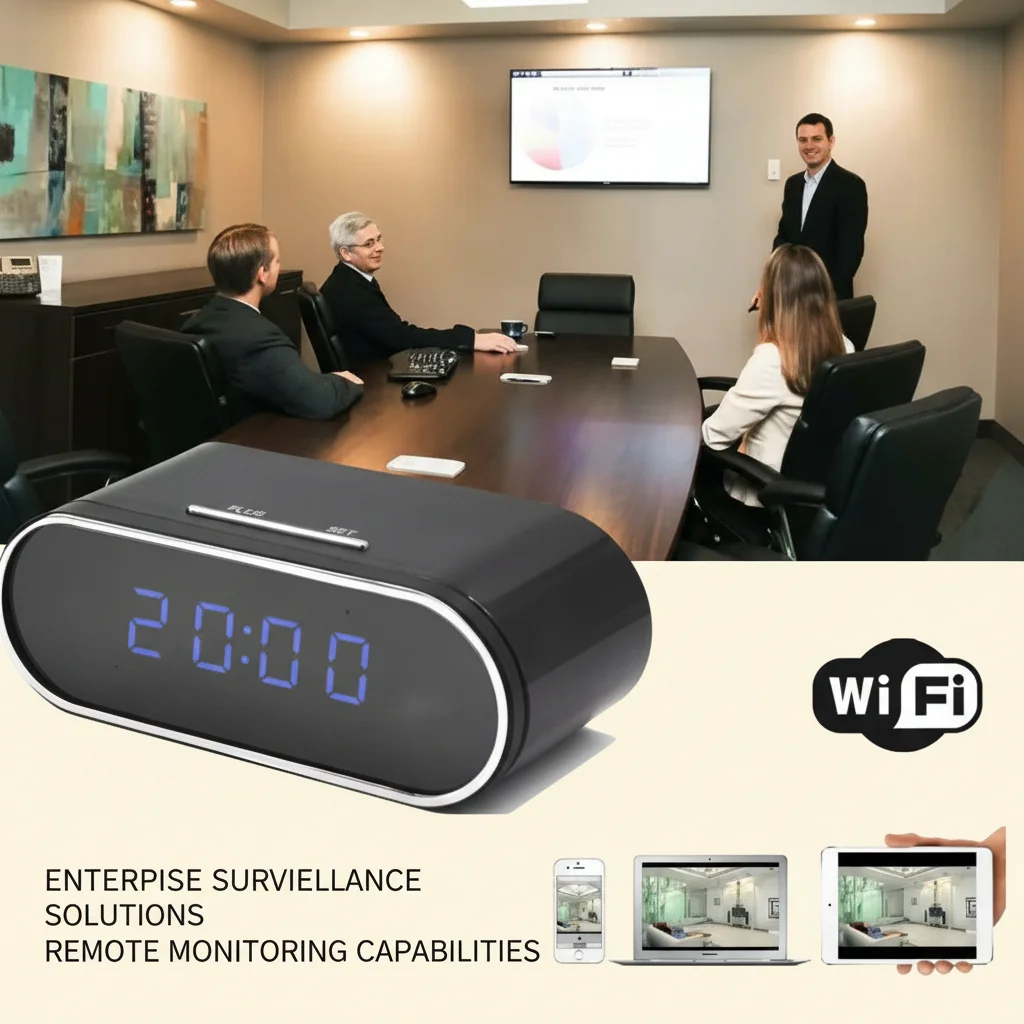
Mounting height determines what your camera captures. Too low and you get a floor-level perspective with no faces. Too high and you get a bird’s-eye view with no detail. Here’s how to get it right.
The ideal nanny cam mounting height is 90–150 cm from the floor. This corresponds to the height of a side table, bookshelf, or mantlepiece — objects that naturally hold disguised cameras. At this height, the camera captures faces and upper body interaction at a natural angle, with enough downward tilt to see what someone is doing with their hands.
For ceiling-mounted cameras (smoke detector form factor), the height is fixed at 240 cm. The top-down angle is useful for tracking movement patterns but less useful for face identification. At 240 cm with a 150° wide-angle lens, a person standing 3 meters from the camera appears approximately 40 pixels tall in the frame — enough to identify posture and movement but not facial features.
| Mounting Height | What You Capture | Am besten geeignet für | Face ID Range |
|---|---|---|---|
| 30–60 cm (outlet) | Lower body, hands, floor | Kitchen counter, entry door | 2–3 meters |
| 90–120 cm (table) | Faces, upper body, interaction | Living room, nursery, office | 4–5 meters |
| 120–150 cm (shelf) | Full room, seated interaction | Living room, playroom | 5–6 meters |
| 240 cm (ceiling) | Top-down, movement patterns | Hallways, open-plan, stairwells | 3–4 meters (top angle) |
Kernaussage: 90–150 cm is the sweet spot — table or shelf height captures faces and hands naturally.
How to Avoid the 5 Most Common Nanny Cam Mistakes
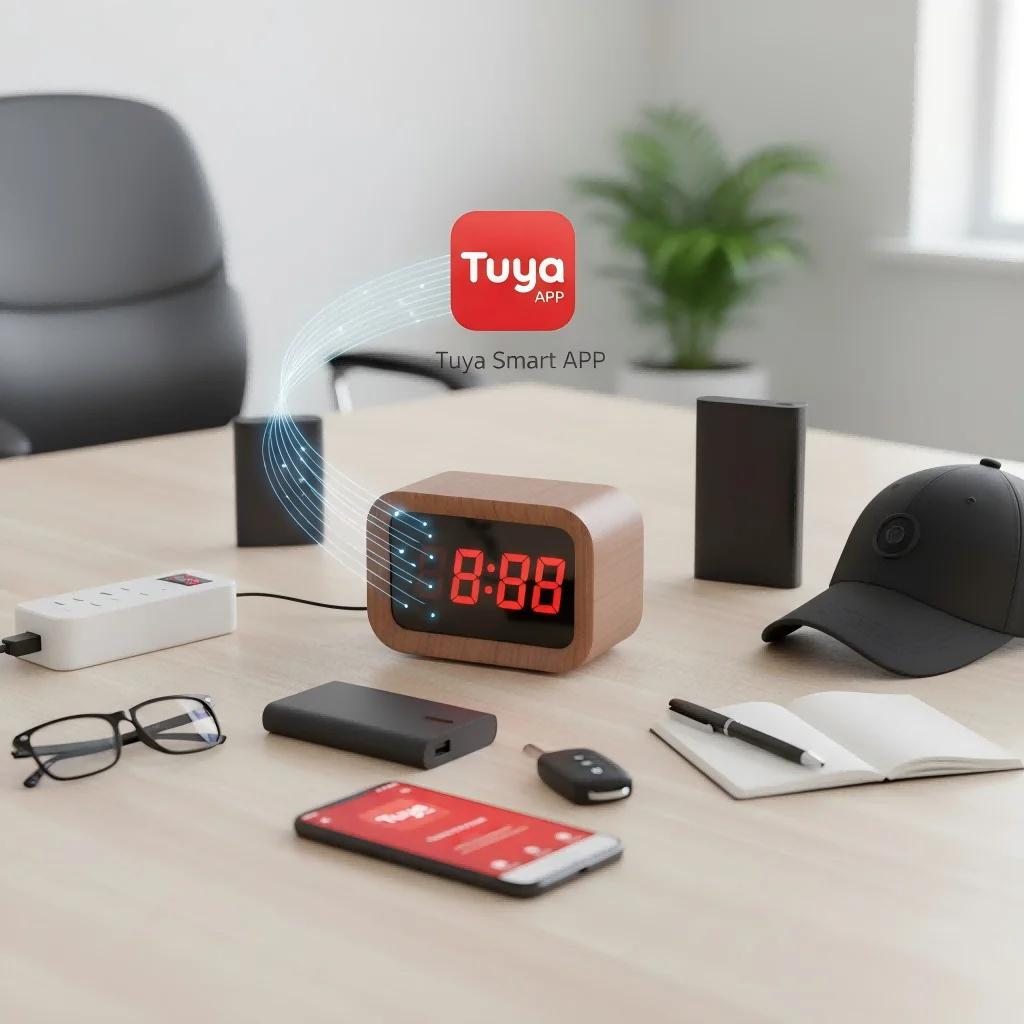
After reviewing hundreds of nanny cam deployments — both consumer and B2B — the same five mistakes appear over and over. Here’s how to avoid them.
Mistake 1 — Placing the camera in a bathroom or bedroom. This is illegal in virtually every jurisdiction. The UK GDPR, EU GDPR, Australian state laws, and US state laws all prohibit recording in spaces with a “reasonable expectation of privacy.” Bathrooms, toilets, changing rooms, and bedrooms used for sleeping are off-limits. A nanny cam in a bathroom isn’t just a mistake — it’s a criminal offence.
Mistake 2 — Forgetting about audio recording consent. In the US, 12 states require all-party consent for audio recording. In the EU, most member states require consent from at least one party. If your nanny cam captures audio and you’re in a two-party consent state, you need the caregiver’s permission — even in your own home. Check the QZT voice recorder compliance guide for country-specific audio recording laws.
Mistake 3 — Using a form factor that doesn’t match the room. A power bank camera in a bathroom. A pen camera on a kitchen counter. A smoke detector in a room that already has one. The disguise must be natural to the environment — if the object looks out of place, it attracts attention rather than deflecting it.
Mistake 4 — Ignoring backlight and lighting. A camera facing a window captures silhouettes, not faces. A camera in a dark corner with no IR illumination captures nothing. Before finalising placement, check the image on your phone — if you can’t see faces clearly, neither can the camera.
Mistake 5 — Not testing before leaving. The most common support call from B2B customers: “I set up the camera, left for work, came home, and the footage is blank.” Always test for 30 minutes before relying on the deployment. Check the SD card is recording. Verify the motion detection triggers. Confirm the angle captures the right zone. Five minutes of testing saves five hours of lost footage.
| Mistake | Consequence | Fix |
|---|---|---|
| Recording in bathroom/bedroom | Criminal charges | Never place cams in private spaces |
| Audio without consent | Legal liability | Disable mic or get consent |
| Wrong form factor for room | Camera discovered | Match disguise to environment |
| Backlight exposure | Unusable footage | Avoid window-facing angles |
| No pre-departure test | Blank footage | Test 30 min before relying |
Kernaussage: Test for 30 minutes before leaving — the most common failure is a blank SD card that no one checked.
What Form Factor Should B2B Buyers Stock?
For distributors sourcing nanny cams for European retail, the form factor mix matters as much as the unit count. Stock the wrong SKUs and you’ll have warehouse shelves full of returns.
The European nanny cam market splits into four dominant form factors, each with different sell-through rates and customer profiles:
Uhrenkameras (35% of EU sales): The most universally accepted form factor. Sells equally well in UK, Germany, France, and Italy. The Z10 is the benchmark product. Average retail price €45–65. Return rate 2%.
Ladegerät-Kameras (25% of EU sales): Highest growth segment — up 60% year-over-year. Popular with first-time buyers who want simplicity. Average retail price €35–50. Return rate 1.5%.
Rauchmelder-Kameras (20% of EU sales): Niche but loyal market. Popular with professional installers and security companies. Average retail price €55–75. Return rate 1.5%.
DIY-Module (15% of EU sales): Technical buyers and custom installers. Highest margin per unit (40% vs. 25% for pre-built). Average retail price €25–40. Return rate 3% (integration issues).
The remaining 5% is split between pen cameras, power bank cameras, and niche form factors. For a starter B2B order of 500 mixed units, the recommended allocation is: 175 clock cameras, 125 charger cameras, 100 smoke detector cameras, 75 DIY modules, and 25 assorted (pen, power bank, glasses).
| Formfaktor | EU Market Share | Avg Retail | Margin | Rendite |
|---|---|---|---|---|
| Uhr-Kamera | 35% | €45–65 | 25% | 2.0% |
| Ladegerät-Kamera | 25% | €35–50 | 28% | 1.5% |
| Rauchmelder | 20% | €55–75 | 30% | 1.5% |
| DIY-Modul | 15% | €25–40 | 40% | 3.0% |
| Other (pen, power bank) | 5% | €30–55 | 22% | 4.0% |
Kernaussage: Clock + charger cameras should make up 60% of any EU B2B order — they have the best sell-through.
Häufig gestellte Fragen
Can I hide a nanny cam in my child’s stuffed animal?
Technically yes, but it’s not recommended. Stuffed animals are the first place an experienced caregiver looks for hidden cameras. Additionally, fabric over the lens reduces image quality by 30–50%. A clock camera or DIY module inside a picture frame is far more effective and captures clearer footage.
How do I know if my nanny cam is well-hidden?
Walk into the room and scan naturally for 30 seconds. If your eye is drawn to the camera object, the disguise has failed. Ask a friend who doesn’t know about the camera to do the same — if they spot it, reposition. The lens should never be visible from standing or seated eye level at a distance of less than 2 meters.
Can a nanny cam work through a wall or behind furniture?
No. The camera lens needs a direct line of sight to the monitoring zone. Placing a camera behind a picture frame, inside a box, or behind furniture blocks the lens entirely. DIY modules can be embedded in objects, but the lens must have an unobstructed hole — even a 2mm pinhole works, but zero obstruction is required.
What’s the best nanny cam form factor for a rental property?
A USB charger camera. It plugs into an existing outlet, requires no installation, leaves no marks, and can be removed in seconds. Clock cameras are also good for rentals because they sit on existing furniture. Avoid smoke detector cameras in rentals — modifying ceiling fixtures violates most lease agreements.
Is it legal to hide a nanny cam in the UK and EU?
Yes, in common areas of your own home where there is no reasonable expectation of privacy. Living rooms, kitchens, hallways, and playrooms are generally acceptable. Bathrooms, bedrooms, and changing areas are prohibited. Audio recording has additional consent requirements — check your country’s specific surveillance laws. For a full legal breakdown, see our UK nanny cam legal guide Und EU GDPR compliance guide.
Ready to Choose the Right Nanny Cam?
Hiding a nanny cam successfully comes down to three things: matching the form factor to the room, mounting at the right height, and testing before you leave. A clock camera on a living room side table. A charger camera in a kitchen outlet. A smoke detector in a hallway. Each form factor has a room where it’s invisible and a room where it’s obvious.
For parents: start with one Uhrkamera for the living room and one Ladegerät-Kamera for the kitchen. These two cover 80% of caregiver interaction.
For distributors: stock the 60/25/15 split — clock cameras, charger cameras, and smoke detector cameras. Add DIY modules for the custom installer market. Every product ships with CE certification and local storage as standard.
Wie man die beste versteckte Kamera in 2026 auswählt to discuss your nanny cam requirements — whether it’s one camera for your home or a full container for European distribution.

 English
  Italiano
  Deutsch
  Français
  Español
  Polski