How Long Does a GPS Tracker Battery Last? Fleet Management Guide
A GPS tracker battery lasts between 24 hours and 150 days depending on the device type, battery capacity, reporting interval, and network technology. A wired vehicle tracker draws power from the car battery and lasts indefinitely. A portable asset tracker with a 5,000 mAh battery and 1-hour reporting intervals lasts 15–20 days. A magnetic long-life tracker with a 10,000 mAh battery and daily reporting can operate for 90–150 days on a single charge.
But here’s the thing: most battery life claims on product pages are laboratory numbers, not fleet reality. A manufacturer who quotes “60 days standby” is often testing with the device in sleep mode, sending one location per day, in a room with perfect temperature. In a real vehicle, vibration, temperature swings, and weak cellular signal can cut that number in half. Fleet managers who plan operations around advertised battery life find trackers dying in the middle of a delivery route.
What Factors Determine GPS Tracker Battery Life?
Battery life is not a single number. It is the result of a power budget equation where every feature consumes a portion of the available energy. Understanding the variables lets fleet managers optimize settings instead of blaming the manufacturer.
The four primary factors are reporting interval, network technology, GNSS acquisition time, and environmental temperature. Each factor can double or halve battery life independently. A tracker set to 10-second reporting on 4G in sub-zero temperatures consumes 8–10 times more power than the same tracker on daily reporting with 2G in moderate conditions.

Reporting interval is the frequency at which the tracker sends location data to the platform. A 10-second interval keeps the GNSS and cellular modules active continuously. A 1-hour interval lets the device sleep between updates. The power difference is exponential: 10-second intervals drain the battery 360 times faster than 1-hour intervals (3,600 seconds vs. 10 seconds). Most fleet managers do not need real-time tracking for every asset. Delivery vans benefit from 1–2 minute intervals; construction equipment parked for weeks needs daily check-ins.
Network technology affects power through signal acquisition and transmission power. 4G LTE modules require more energy to establish and maintain a connection than 2G GPRS. NB-IoT is more efficient than 4G for small data packets because it uses simpler signaling. However, NB-IoT has lower bandwidth and higher latency, which may not support firmware updates or high-frequency reporting. The best approach is to match the network module to the use case: 4G for real-time fleet, NB-IoT for long-life asset tracking, 2G fallback for global coverage in regions with mixed infrastructure.
Here’s what most people get wrong: they assume a bigger battery always means longer life. A 10,000 mAh battery on 10-second reporting lasts 4 days. A 3,000 mAh battery on daily reporting lasts 45 days. Battery capacity matters, but reporting interval matters more. Fleet managers should optimize settings before buying bigger hardware.
| Faktor | High-Drain Setting | Low-Drain Setting | Impact on Battery |
|---|---|---|---|
| Reporting interval | 10 seconds | 1 hour | 360x difference |
| Network mode | 4G LTE continuous | NB-IoT, sleep mode | 5–8x difference |
| GNSS constellations | GPS + GLONASS + Galileo + BeiDou | GPS-nur | 2–3x difference |
| Temperatur | -20°C | +20°C | 2–3x difference |
| Motion detection | Always-on accelerometer | Wake-on-motion | 2–3x difference |
| Assisted GPS (A-GPS) | Aus | On | 1.5–2x faster fix, saves power |
Kernaussage: Reporting interval dominates battery life; optimize settings before upgrading hardware.
How Long Does a Portable GPS Tracker Battery Last in Real Conditions?
Portable GPS trackers are battery-powered devices used for asset tracking, personal safety, and covert monitoring. Their battery life varies from 1 day to 6 months depending on the configuration and use case.
In real-world fleet testing, a 3,000 mAh portable tracker on 5-minute reporting intervals lasts 3–4 days. The same tracker on 1-hour intervals lasts 12–15 days. On daily reporting (one location per 24 hours), it reaches 45–60 days. These numbers assume moderate temperature (+10°C to +30°C) and good cellular signal. Cold weather, weak signal, or constant motion detection activation can reduce these figures by 30–50 percent.

Asset tracking is the primary use case for portable trackers. A construction company tracking excavators and generators on remote sites needs devices that can operate for 2–3 months without maintenance. The standard configuration is a 10,000 mAh battery with daily reporting and wake-on-motion. When the equipment moves, the tracker switches to 5-minute intervals for 24 hours, then returns to sleep. This hybrid approach delivers 90–120 days of typical operation.
Personal safety trackers use smaller batteries (1,000–2,000 mAh) because they are worn or carried. They report every 1–5 minutes during active use and every 1–4 hours in standby. A 2,000 mAh tracker on this schedule lasts 2–3 days. For elderly care or lone worker applications, the charging cycle becomes the operational constraint, not the device size.
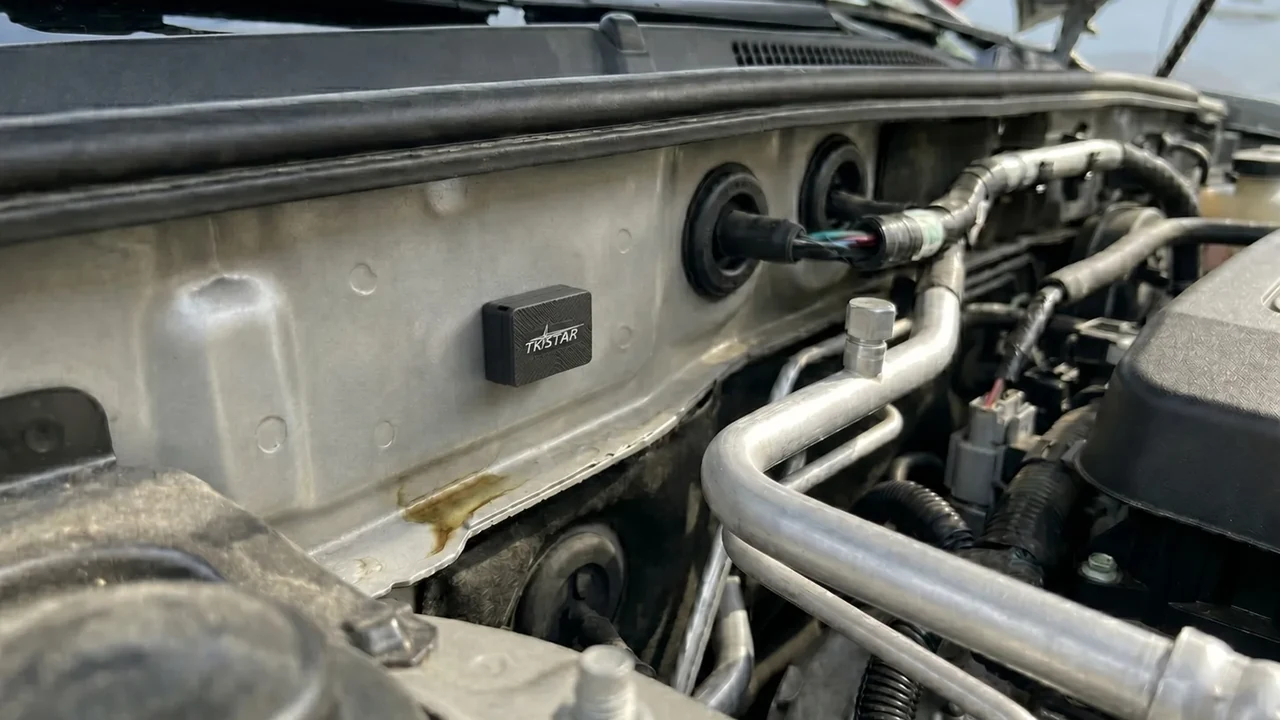
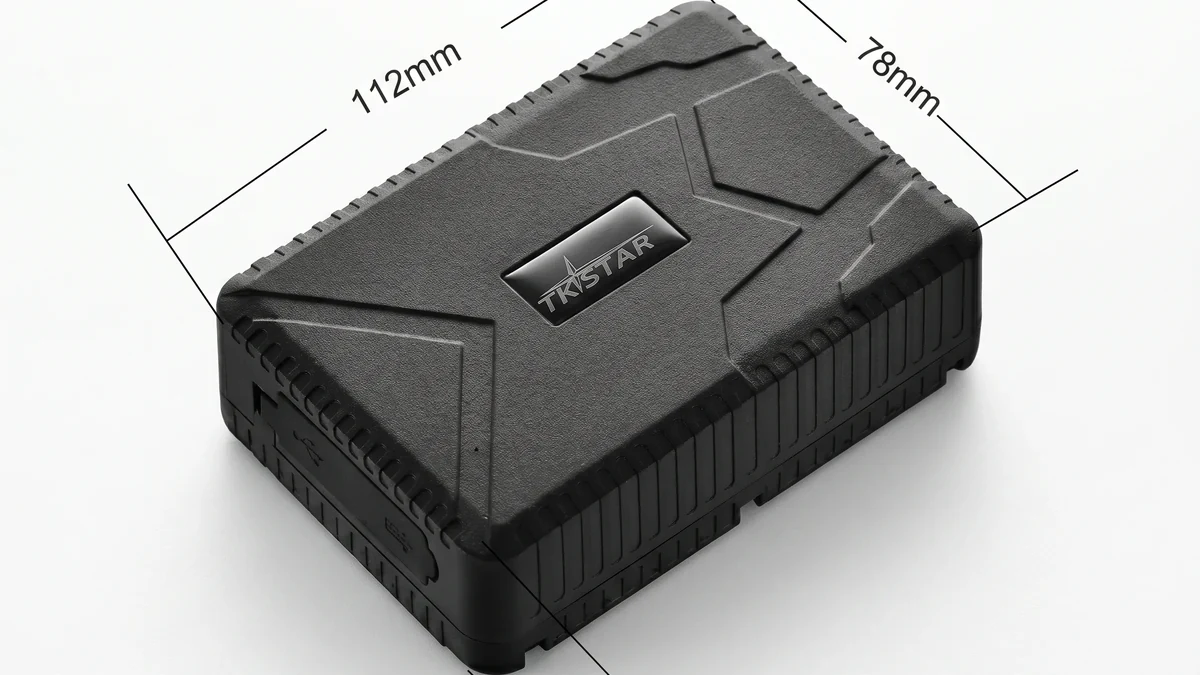
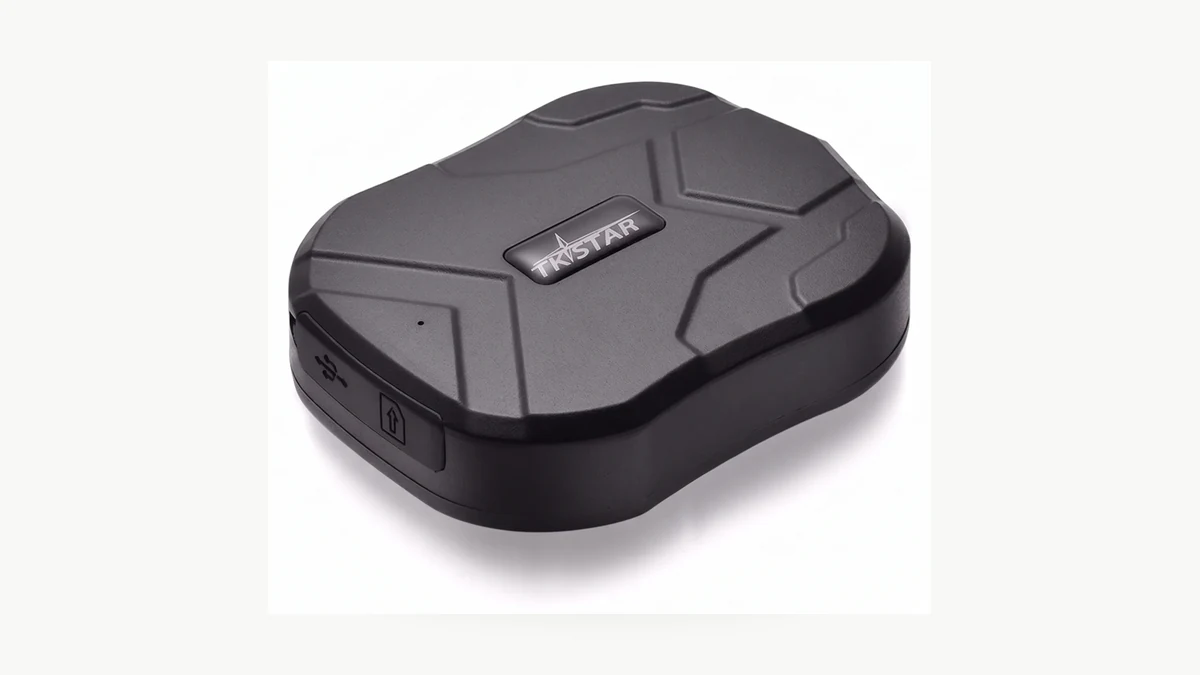
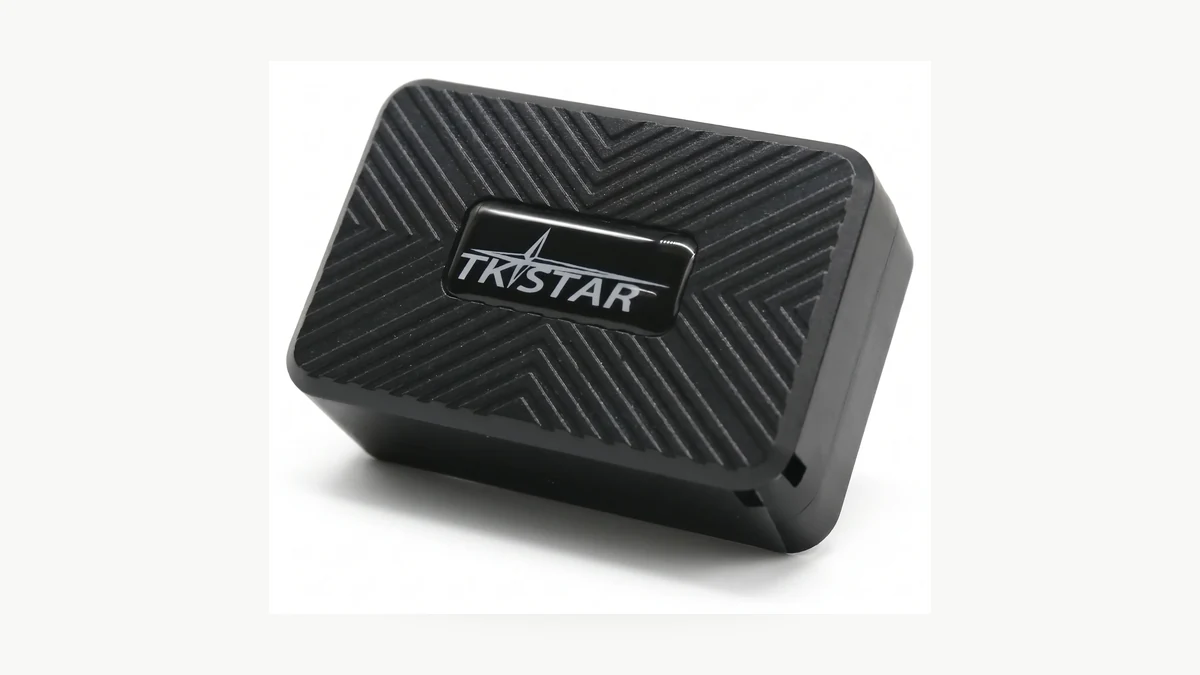
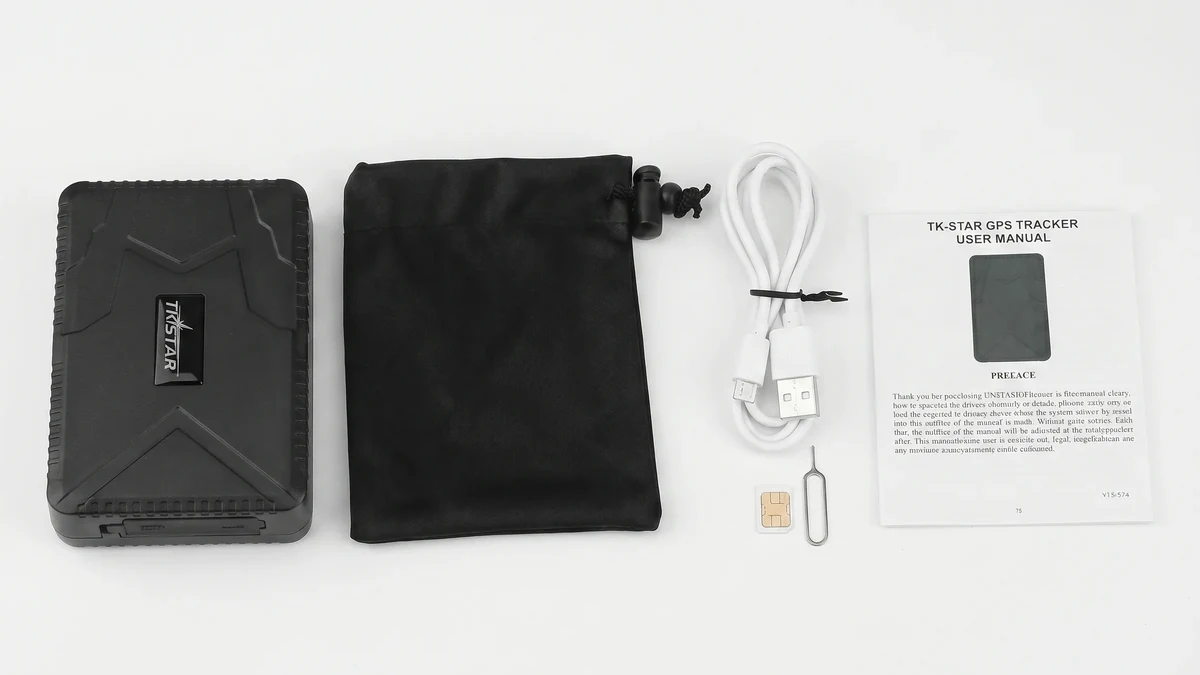
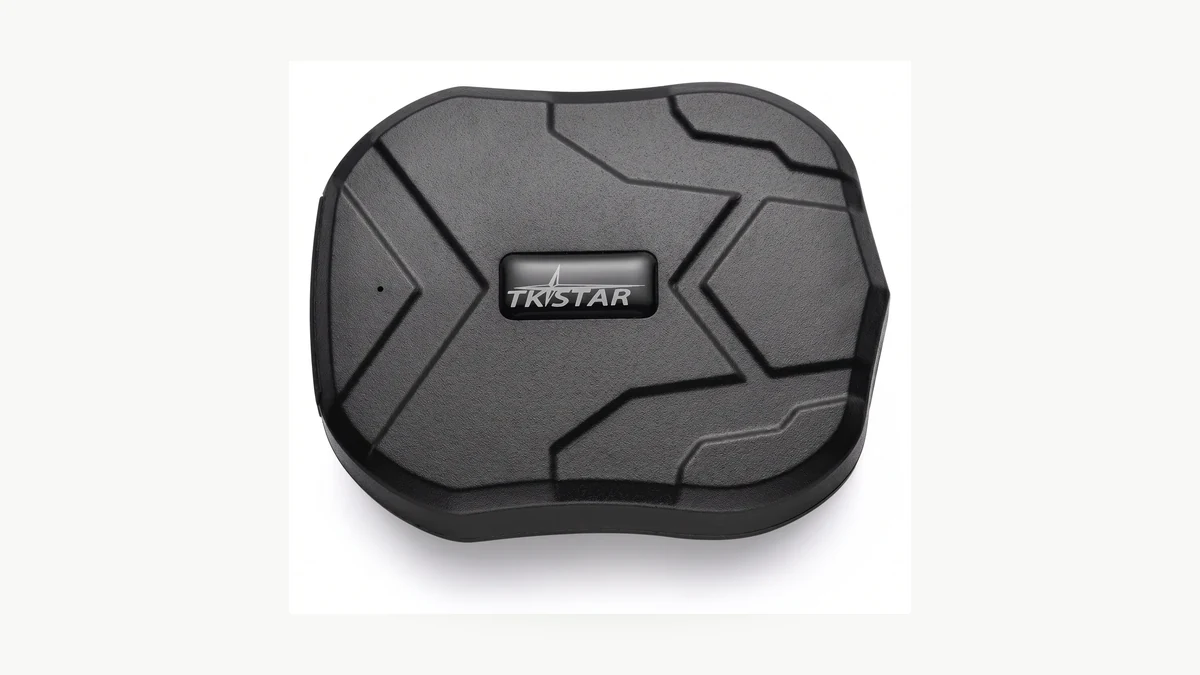
Covert tracking requires extended battery life because the device is hidden and cannot be accessed frequently. Magnetic trackers with 10,000–20,000 mAh batteries are designed for this. They can be attached to a vehicle chassis and report daily for 3–6 months. The trade-off is size: a 20,000 mAh tracker is roughly the size of a smartphone, which limits concealment options. At QZT Security, we see distributors request smaller form factors even at the cost of battery life, because concealment is the primary selling point for investigative clients.
| Anwendungsfall | Batteriekapazität | Berichtsintervall | Typische Batterielebensdauer | Real-World Adjustment |
|---|---|---|---|---|
| Asset tracking (daily) | 10.000 mAh | Daily + wake-on-motion | 90–150 Tage | 70–120 days with cold/signal issues |
| Asset tracking (hourly) | 5.000 mAh | 1 hour | 15–20 days | 10–14 days |
| Fleet portable | 3,000 mAh | 5 minutes | 3–4 days | 2–3 days |
| Personal safety | 2.000 mAh | 1–5 min active, 1–4 hr standby | 2–3 days | 1.5–2 days |
| Covert vehicle | 20,000 mAh | Daily | 180–240 days | 120–180 days |
Kernaussage: Real-world battery life is 60–80% of laboratory claims due to temperature and signal variation.
How Do Wired Vehicle Trackers Handle Power?
Wired GPS trackers connect directly to the vehicle’s 12V or 24V electrical system. They do not rely on an internal battery for primary operation, which makes them ideal for fleet management. The internal battery serves only as a backup for tamper alerts and emergency tracking during power cuts.
A typical wired tracker draws 20–50 mA in active mode. At 12V, that is 0.24–0.6 watts. For a commercial vehicle running 10 hours per day, the annual energy cost is negligible (less than £1 in diesel equivalent). The power draw is so small that fleet operators do not need to upgrade the vehicle battery or alternator.

The internal backup battery is usually 150–500 mAh. Its purpose is to send a “power disconnected” alert and continue tracking for 1–4 hours after the main power is cut. This is critical for theft recovery: a stolen vehicle with the tracker hardwired will still report for hours even if the thief disconnects the battery. Some advanced trackers also include a capacitor that maintains power for 30–60 seconds during engine cranking, preventing reboots that could delay the first location fix.
Einrichtung requires connection to constant power (battery positive), ignition-switched power (for ignition status), and ground. The ignition-switched input lets the platform distinguish between “engine running” and “engine off” states, which is essential for compliance reporting and driver behavior scoring. Incorrect wiring (connecting both to constant power) causes the tracker to report “engine on” continuously, which corrupts working time data and wastes platform storage.
Here’s what most people get wrong: they install the tracker on the switched power circuit only. When the driver turns off the ignition, the tracker loses power and cannot send the final parking location or respond to remote commands. The correct wiring uses constant power for the tracker, with a separate ignition sense wire to detect engine status.
| Tracker Type | Stromquelle | Draw (Active) | Backup Battery | Am besten für |
|---|---|---|---|---|
| Wired 12V | Vehicle battery | 20–50 mA | 150–500 mAh | Fleets, trucks, vans |
| Wired 24V | Heavy vehicle battery | 20–50 mA | 150–500 mAh | HGVs, buses, coaches |
| OBD-II plug | Diagnostic port | 30–60 mA | Keiner | Light commercial, rental cars |
| Tragbar | Internal Li-ion | Bursts of 100–200 mA | N/A (primary) | Assets, personal, covert |
| Solar | Solar panel + battery | 10–20 mA (net) | 3,000–10,000 mAh | Long-term asset, remote sites |
Kernaussage: Wire to constant power with ignition sense; switched-only wiring loses tracking when engine is off.
What Battery Technologies Are Used in GPS Trackers?
GPS trackers use three main battery chemistries: lithium-ion (Li-ion), lithium-polymer (Li-Po), and lithium iron phosphate (LiFePO4). Each chemistry has different energy density, cycle life, temperature tolerance, and safety profile. Fleet managers should choose the chemistry that matches their operational environment, not just the one with the highest mAh number.
Li-ion is the most common. It offers high energy density (200–260 Wh/kg), which means more capacity in a smaller volume. A 3,000 mAh Li-ion cell is roughly 18mm × 65mm (18650 format). The downside is temperature sensitivity: performance drops 30–50 percent below 0°C and degrades permanently above 45°C. In cold climates, Li-ion trackers need larger batteries to compensate or must be installed in heated compartments.

Li-Po is the slim choice. It can be manufactured in thin, rectangular shapes that fit inside wearable trackers or flat concealment housings. Energy density is similar to Li-ion but slightly lower (150–200 Wh/kg). The main advantage is form factor flexibility. The main disadvantage is mechanical fragility: puncturing or bending a Li-Po cell causes thermal runaway (fire). Distributors should warn customers that magnetic trackers with Li-Po batteries must not be mounted on surfaces that flex or vibrate excessively.
LiFePO4 is the industrial choice. It has lower energy density (90–120 Wh/kg) but operates in a wider temperature range (-20°C to +60°C) and lasts 2,000+ charge cycles compared to 500 for Li-ion. For solar-powered trackers in desert or arctic environments, LiFePO4 is the only viable option. The 3,000 mAh LiFePO4 battery weighs twice as much as Li-ion but delivers 5 times the cycle life. Over 5 years, the total cost of ownership is lower despite the higher upfront price.
| Chemistry | Energy Density | Cycle Life | Temp Range | Am besten für | Kostenfaktor |
|---|---|---|---|---|---|
| Li-ion | 200–260 Wh/kg | 300–500 cycles | 0°C to +45°C | General portable, moderate climate | 1.0x (baseline) |
| Li-Po | 150–200 Wh/kg | 300–500 cycles | 0°C to +45°C | Slim form factor, wearables | 1.1x |
| LiFePO4 | 90–120 Wh/kg | 2,000+ cycles | -20°C to +60°C | Industrial, solar, extreme climate | 1.5x |
Kernaussage: Li-ion for general use, Li-Po for slim designs, LiFePO4 for extreme temperature and long cycle life.
How Can Fleet Managers Extend GPS Tracker Battery Life?
Battery life optimization is a combination of configuration, installation, and maintenance practices. Fleet managers who apply all three can double or triple the operational interval between charges, reducing labor costs and downtime.
Configuration optimization starts with the reporting interval. Set the interval based on the asset’s activity level, not a fixed schedule. Use “smart mode” if the tracker supports it: sleep when stationary, report every 10 minutes when moving, and every 1 hour when stationary. This hybrid approach reduces power consumption by 60–70 percent compared to fixed-interval reporting. Also disable unnecessary features: if the tracker has a microphone or accelerometer, turn them off unless the use case requires them. Each sensor adds 5–10 mA to the baseline draw.

Installation optimization addresses environmental exposure. Install the tracker where the temperature is stable (inside the vehicle cabin, not on the engine bay). Excessive heat degrades Li-ion batteries permanently. For magnetic trackers, mount them on flat metal surfaces with good thermal contact; avoid locations that trap heat behind plastic panels. Also optimize antenna orientation: the GNSS antenna should face upward with a clear view of the sky. A tracker hidden under a seat loses satellite signal, which forces the GNSS module to stay on longer for acquisition, increasing power draw by 2–3x.
Maintenance optimization is the overlooked factor. Battery capacity degrades over time. A 3,000 mAh battery after 300 cycles (roughly 1 year of daily charging) retains only 80 percent capacity (2,400 mAh effective). Fleet managers should establish a battery replacement schedule: replace portable tracker batteries every 12–18 months, or when the operational interval drops below 70 percent of the original specification. Trackers that report battery voltage to the platform make this easy: set a threshold alert at 20 percent remaining capacity.
| Optimization Action | Power Savings | Implementation Effort | Am besten für |
|---|---|---|---|
| Switch to smart reporting mode | 60–70% | Low (platform setting) | All portable trackers |
| Disable unused sensors | 10–20% | Low (firmware setting) | Trackers with mic/accelerometer |
| Improve antenna position | 50–100% faster GNSS fix | Medium (relocation) | Hidden/magnetic trackers |
| Reduce temperature exposure | 30–50% capacity preservation | Medium (relocation) | Hot climates, engine bay mounts |
| Scheduled battery replacement | Maintains original capacity | Low (calendar alert) | All battery-powered trackers |
| Use solar charging | Indefinite (sunny conditions) | High (hardware upgrade) | Remote, long-term assets |
Kernaussage: Smart reporting mode and antenna position have the highest ROI for battery life.
What Are the Power Consumption Numbers for Different GPS Tracker Modes?
Power consumption is measured in milliamps (mA) at a given voltage. For a 3.7V Li-ion battery, 1 mA for 1 hour consumes 1 mAh. A 3,000 mAh battery can deliver 3,000 mA for 1 hour, or 100 mA for 30 hours, or 10 mA for 300 hours. Understanding the milliamp budget for each mode helps fleet managers calculate battery life for any configuration.
Sleep mode is the baseline. In sleep, the microcontroller and real-time clock stay on, but the GNSS module and cellular modem are powered down. A typical tracker draws 0.5–2 mA in sleep. For a 3,000 mAh battery, that is 1,500–6,000 hours (62–250 days) of pure sleep. But trackers do not sleep forever; they wake to report.

GNSS acquisition is the energy spike. When the tracker wakes, it powers the GNSS module, searches for satellites, and calculates a position fix. A cold start (no satellite data cached) takes 30–60 seconds and draws 50–100 mA. A warm start (recent satellite data) takes 5–15 seconds and draws 30–50 mA. Assisted GPS (A-GPS) downloads satellite orbit data from the cellular network, reducing cold start time to 5–10 seconds. Each fix consumes 2–5 mAh of the battery budget. If the tracker reports every 10 minutes, that is 144 fixes per day, or 288–720 mAh daily. A 3,000 mAh battery lasts 4–10 days at that rate.
Cellular transmission is the second spike. After acquiring the GPS fix, the tracker connects to the cellular network and sends the data packet. A 4G module draws 100–200 mA during transmission, which lasts 2–5 seconds per packet. A 2G module draws less (50–100 mA) but takes longer (5–10 seconds) because of lower data rates. Each transmission consumes 0.5–3 mAh. If the tracker sends 144 packets per day, that is 72–432 mAh daily. Combined with GNSS, the total daily consumption is 360–1,152 mAh. A 3,000 mAh battery lasts 2.6–8.3 days.
| Modus | Current Draw | Dauer | Energy per Event | Events/Day (10-min interval) | Daily Energy |
|---|---|---|---|---|---|
| Sleep | 0.5–2 mA | Kontinuierlich | — | — | 12–48 mAh |
| GNSS cold start | 50–100 mA | 30–60 sec | 0.4–1.7 mAh | 144 | 58–245 mAh |
| GNSS warm start (A-GPS) | 30–50 mA | 5–15 sec | 0.04–0.2 mAh | 144 | 6–29 mAh |
| 4G transmission | 100–200 mA | 2–5 sec | 0.06–0.3 mAh | 144 | 8–43 mAh |
| 2G transmission | 50–100 mA | 5–10 sec | 0.07–0.3 mAh | 144 | 10–43 mAh |
| Total (10-min, A-GPS, 4G) | — | — | — | — | 26–120 mAh + sleep |
| Total (10-min, no A-GPS, 2G) | — | — | — | — | 68–288 mAh + sleep |
Kernaussage: A-GPS and smart reporting reduce daily energy by 50–70% compared to fixed intervals without assistance.
How Does Temperature Affect GPS Tracker Battery Performance?
Temperature is the silent killer of battery capacity. A GPS tracker that delivers 20 days of battery life at +20°C may deliver only 8 days at -10°C and 12 days at +45°C. The effect is not linear; it follows the Arrhenius equation, where reaction rates double for every 10°C increase above the optimal range.
Cold weather increases internal resistance in Li-ion batteries. At -20°C, the electrolyte viscosity rises, slowing ion movement between electrodes. The available capacity drops to 40–50 percent of the rated value. The tracker may also fail to charge because the battery management system (BMS) prevents charging below 0°C to avoid lithium plating. Fleet operators in northern Europe, Canada, and Russia must either use LiFePO4 batteries (which tolerate -20°C) or install trackers in heated compartments.

Hot weather accelerates chemical degradation. At +50°C, the SEI (solid electrolyte interphase) layer on the anode thickens, permanently reducing capacity. A Li-ion battery stored at +45°C loses 20 percent capacity in 3 months. At +60°C, it loses 40 percent. Vehicle engine bays and metal surfaces in direct sunlight can exceed +60°C in summer. Distributors should advise customers to install trackers in shaded locations with ventilation, or specify LiFePO4 for hot climates.
Thermal cycling (repeated hot-cold transitions) causes mechanical stress inside the cell. The anode and cathode expand and contract at different rates, creating micro-cracks in the electrode material. After 200 thermal cycles, capacity drops by 15–25 percent. A tracker mounted on the exterior of a vehicle in a four-season climate experiences 300+ cycles per year. Asset trackers in this environment need larger initial capacity or annual battery replacement.
| Temperatur | Li-ion Capacity | LiFePO4 Capacity | Impact on 20-Day Tracker |
|---|---|---|---|
| -20°C | 40–50% | 70–80% | 8–10 days (Li-ion) / 14–16 days (LiFePO4) |
| -10°C | 60–70% | 80–85% | 12–14 days / 16–17 days |
| 0°C | 80–85% | 90–95% | 16–17 days / 18–19 days |
| +20°C | 100% | 100% | 20 days (baseline) |
| +45°C | 85–90% | 95–100% | 17–18 days / 19–20 days |
| +60°C | 60–70% | 90–95% | 12–14 days / 18–19 days |
Kernaussage: LiFePO4 is the only chemistry that performs reliably below -10°C and above +45°C.
What Solar and Alternative Power Options Exist for GPS Trackers?
Solar power is the only renewable option for GPS trackers that need to operate indefinitely without maintenance. It is not suitable for covert vehicle tracking (the panel is visible), but it is ideal for remote asset monitoring, environmental sensors, and agricultural equipment.
A solar GPS tracker combines a photovoltaic panel (5–10 watts), a charge controller, and a battery (3,000–10,000 mAh LiFePO4). During daylight, the panel charges the battery and powers the tracker. At night, the battery maintains operation. The system is sized for the worst-case scenario: the shortest day of the year at the installation latitude. In the UK, a 5W panel with a 5,000 mAh battery supports daily reporting year-round. In Spain or Italy, the same system supports hourly reporting because winter days are longer and sun intensity is higher.

Wind power is occasionally used for marine and offshore tracking. Small wind turbines (10–50W) supplement solar on boats where deck space is limited. The combination is called a hybrid renewable system. It is overkill for most land-based tracking but essential for offshore buoys and remote weather stations.
Kinetic harvesting is an experimental technology that converts vibration into electrical energy. A tracker on a construction vehicle that vibrates continuously could generate 1–5 mW, which is enough to extend battery life by 10–20 percent. It is not yet commercially viable as a primary power source but may appear in premium industrial trackers within 3–5 years.
| Stromquelle | Kapazität | Am besten für | Kosten | Wartung |
|---|---|---|---|---|
| Solar + LiFePO4 | Indefinite (sunny) | Remote assets, agriculture, environment | £80–150 | Clean panel every 6 months |
| Wind + Solar | Indefinite (windy + sunny) | Marine, offshore, remote stations | £200–400 | Check turbine bearings annually |
| Kinetic (experimental) | 10–20% extension | Construction, industrial vibration | £50–100 | None (solid-state) |
| Grid (wired) | Unbegrenzt | Fleets, fixed installations | £5–15 (install) | Keiner |
| Nur Batterie | 2–180 days | Portable, covert, temporary | £20–80 | Recharge/replace |
Kernaussage: Solar + LiFePO4 is the only maintenance-free renewable option for remote asset tracking.
How Should Distributors Specify Battery Requirements for Customers?
B2B distributors sell GPS trackers to customers with different power needs. A fleet manager needs 24/7 wired tracking. A construction foreman needs 90-day asset tracking. A private investigator needs 30-day covert tracking. Distributors who specify the right battery configuration for each customer reduce returns and increase repeat business.
Step 1: Define the operational interval. Ask the customer how often they need location updates. “Real-time” is ambiguous; specify seconds, minutes, or hours. A delivery fleet needs 1–2 minute intervals. A parked equipment yard needs daily. A stolen vehicle recovery operation needs 10-second intervals during active pursuit but daily during standby.
Step 2: Match the interval to the battery size. Use the power budget table from Section 7 as a reference. A 3,000 mAh battery on 1-minute intervals lasts 1.5–2 days. If the customer needs 7 days, recommend a 10,000 mAh battery or switch to 15-minute intervals. Do not promise 7 days with a 3,000 mAh battery; the customer will return it.
Step 3: Adjust for environment. Ask about climate. If the customer operates in Norway or Finland, specify LiFePO4 or double the battery size. If the customer operates in Dubai or Arizona, recommend shaded installation and LiFePO4. If the customer operates across multiple climates, recommend a modular battery system that can be swapped without tools.
Step 4: Set expectations on battery degradation. Explain that battery capacity drops 20 percent after 12 months of daily charging. Offer a battery replacement program: send a prepaid replacement battery every 12 months for portable trackers. This converts a one-time hardware sale into a recurring service revenue stream.
| Customer Type | Typical Need | Empfohlene Spezifikationen | Upsell Opportunity |
|---|---|---|---|
| Fleet manager | Wired, 24/7 | Wired 12V, 4G, backup battery | Driver behavior module, fuel sensor |
| Construction foreman | 90-day asset | 10,000 mAh, daily, wake-on-motion | Geofence alerts, theft insurance bundle |
| Private investigator | 30-day covert | 5,000 mAh, magnetic, daily | Smaller form factor, extended warranty |
| Rental car operator | 7-day portable | 3,000 mAh, 1-hour interval | OBD-II plug for instant install |
| Environmental agency | Indefinite remote | Solar + 5,000 mAh LiFePO4 | Weather sensor integration, API access |
Kernaussage: Match battery spec to interval, environment, and customer type; upsell replacement programs for recurring revenue.
Häufig gestellte Fragen
Can a GPS tracker battery last 6 months?
Yes, a GPS tracker battery can last 6 months if the device is configured for daily reporting with wake-on-motion, uses a 10,000–20,000 mAh battery, and operates in moderate temperatures. The 6-month figure is realistic for asset trackers in warehouses and construction yards, not for vehicle trackers in daily use. The key is minimizing GNSS and cellular activation: one fix per day, one transmission per day, deep sleep in between. Any increase in reporting frequency or motion events will shorten the interval proportionally.
Why does my GPS tracker battery die faster in winter?
Battery capacity drops in cold weather because the electrolyte inside Li-ion cells becomes more viscous, slowing the chemical reactions that produce electricity. At -10°C, a Li-ion battery delivers only 60–70 percent of its rated capacity. The tracker also stays awake longer for each GPS fix because the GNSS module takes more time to acquire satellite signals in cold start conditions. The combined effect can reduce battery life by 40–50 percent. Switching to LiFePO4 chemistry or increasing battery size by 50 percent solves the problem.
What’s the best reporting interval for battery life?
The best reporting interval for battery life is the longest interval that still meets the operational requirement. For assets that move once per week, daily reporting is optimal. For delivery vehicles, 5–15 minutes is the practical minimum. For high-security transport, 1-minute intervals are necessary despite the battery cost. The golden rule is: start with the longest interval that satisfies the customer, then shorten only if they complain about insufficient visibility. It is easier to increase frequency than to explain why the battery died.
How do I know when to replace a GPS tracker battery?
Replace the battery when the operational interval drops below 70 percent of the original specification, or when the platform reports voltage consistently below 3.3V (for a 3.7V Li-ion cell). Most trackers report battery voltage to the platform; set an alert threshold at 20 percent remaining capacity. For scheduled maintenance, replace portable tracker batteries every 12–18 months regardless of performance, because capacity degradation is gradual and the customer may not notice until the tracker fails during a critical operation.
Is solar power reliable for GPS trackers?
Solar power is reliable for GPS trackers in applications where the panel receives direct sunlight for at least 4–6 hours per day. It is not reliable for covert tracking (visible panel) or urban parking (shaded by buildings). In northern Europe, winter solar charging is marginal; a 5W panel in London in December produces only 2–3 hours of useful charging per day. For these regions, size the battery for 2–3 weeks of autonomous operation as a buffer. In southern Europe, solar is highly reliable year-round. Always specify LiFePO4 batteries for solar systems because they tolerate partial charging and temperature extremes better than Li-ion.
Contact Us Today to discuss GPS tracker battery specifications, fleet management solutions, and wholesale distribution opportunities. QZT Security supplies certified surveillance and tracking equipment to distributors, fleet operators, and security professionals across the UK and EU.