
Electronic Gadgets Wholesale: What B2B Buyers Need to Know
Electronic gadgets wholesale is the bulk purchasing of small electronic devices for resale to retailers, corporate clients, or end users. For security equipment distributors, this category includes covert cameras, voice recorders, GPS trackers, and surveillance accessories that are sourced from manufacturers and sold to investigation firms, fleet operators, and corporate security departments. The wholesale model requires understanding of certifications, supplier capabilities, pricing structures, and compliance frameworks that do not apply to consumer retail.
But here’s the thing: the electronic gadgets market is dominated by consumer electronics. Alibaba buying guides, TechSpy Magazine, and Tom’s Guide review headphones, tablets, and smart home devices that have no relevance to a distributor selling hidden cameras to private investigators. The B2B buyer who searches “electronic gadgets wholesale” is looking for supply chain partners, not product reviews. They need to know which suppliers can deliver CE-certified devices, what MOQ unlocks OEM branding, and how to verify that a factory is real, not a trading desk with a rented showroom.
What Electronic Gadgets Do Security Distributors Resell?
Security distributors resell electronic gadgets that are purpose-built for surveillance, investigation, and asset protection. These are not consumer devices with security features added as an afterthought. They are professional tools designed from the ground up for concealment, evidence gathering, and long-term reliability.
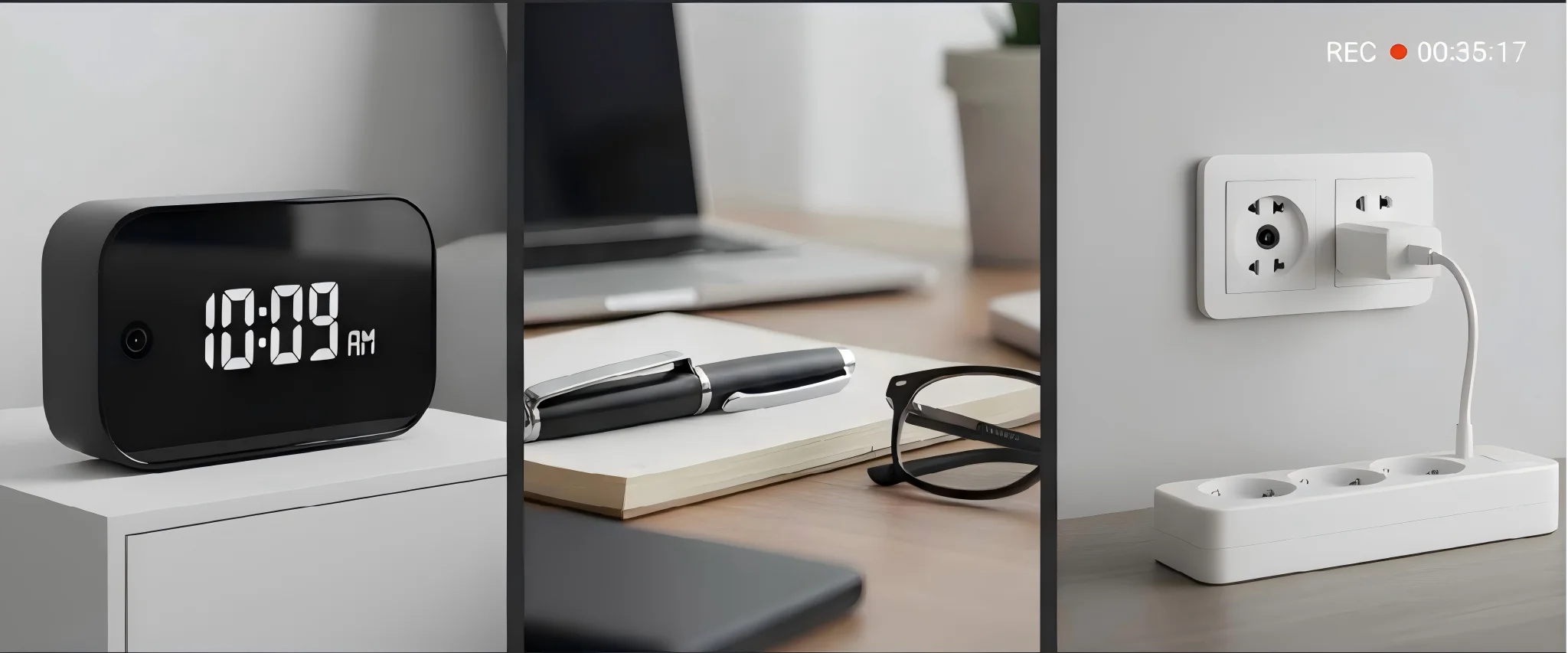
The main categories are covert cameras, audio recorders, GPS trackers, and DIY modules. Covert cameras include pen cameras, clock cameras, smoke detector cameras, power bank cameras, and USB charger cameras. Each form factor is designed for a specific deployment environment. A Versteckte Kamera im WLAN-Rauchmelder is ideal for ceiling-mounted office surveillance. A Autoschlüssel-Spionagekamera is designed for mobile investigations where the investigator must carry a device through security checkpoints.
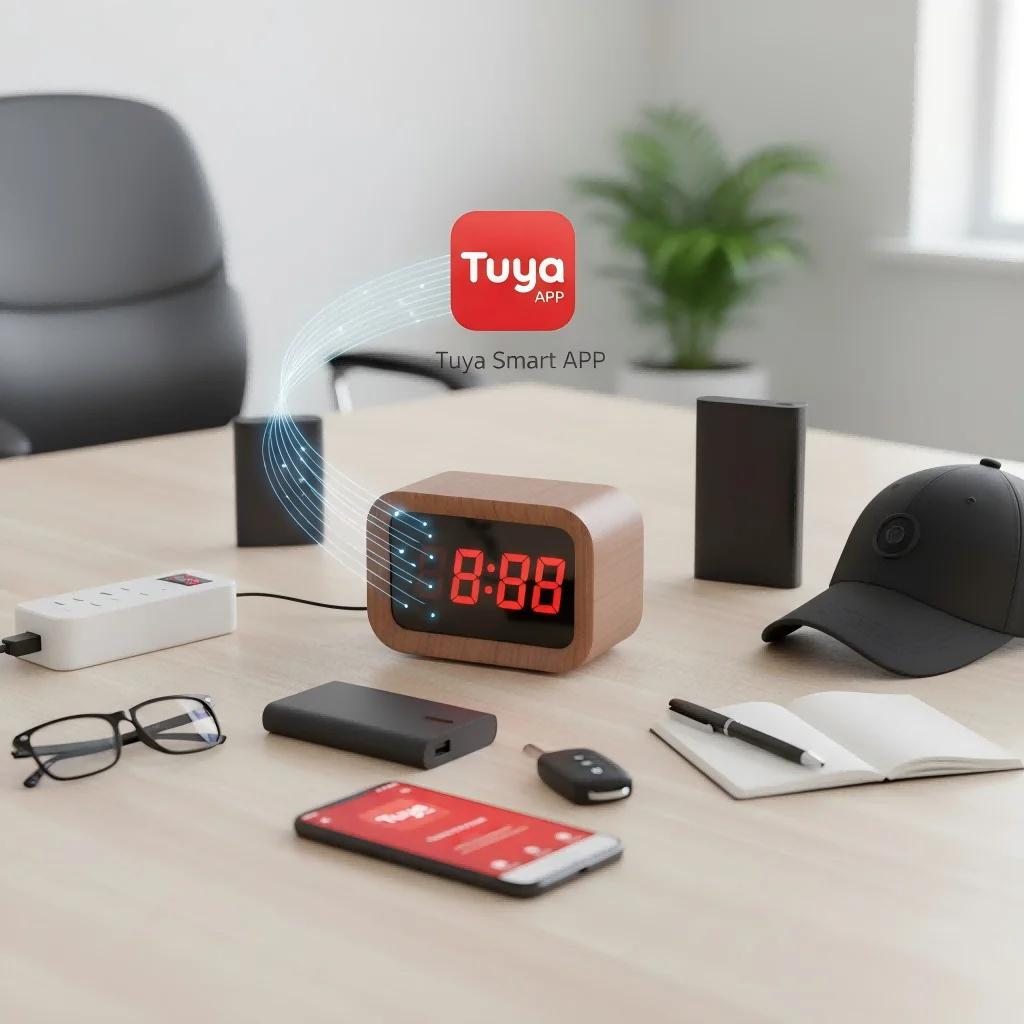
Audio recorders include basic voice recorders, voice-activated recorders, and professional DSP-enhanced recorders. The Verstecktes Spionage-Diktiergerät is a general-purpose device for interview and meeting recording. The Magnetisches Spionage-Diktiergerät 500H extends battery life to 500 hours, which is essential for long-term surveillance where battery replacement is impractical. The Q97 Professionelles Diktiergerät adds Type-C connectivity and 192 kbps audio quality for court-admissible evidence.
GPS trackers include portable magnetic trackers, wired vehicle trackers, and OBD-II plug-in trackers. The portable models are used for temporary asset tracking and theft recovery. The wired models are the standard for fleet management because they draw power from the vehicle battery and provide continuous real-time tracking. The OBD-II models are used for light commercial vehicles and rental fleets because they install in seconds without wiring.
| Gadget Category | Consumer Equivalent | Professional Security Device | Hauptunterscheidungsmerkmal |
|---|---|---|---|
| Kamera | Smartphone | 1080P Spy Pen Camera | Concealment and legal metadata |
| Audio | Voice memo app | Q97 Professionelles Diktiergerät | 192 kbps, hash verification |
| Tracking | Smartwatch GPS | Fleet GPS tracker | Tamper-proof, real-time platform |
| Lagerung | Cloud photo backup | Encrypted microSD | Air-gapped evidence chain |
| Leistung | USB-C power bank | Powerbank versteckte Kamera | 10,000 mAh + surveillance |
Kernaussage: Security distributors resell professional devices, not consumer gadgets with security labels.
How Do Consumer vs Professional Electronics Differ?
The difference between consumer and professional electronics is not just price. It is design philosophy, reliability standards, and legal compliance. A consumer electronics manufacturer optimizes for user experience, cost, and annual upgrade cycles. A professional security manufacturer optimizes for concealment, chain-of-custody, and 3-year operational life.
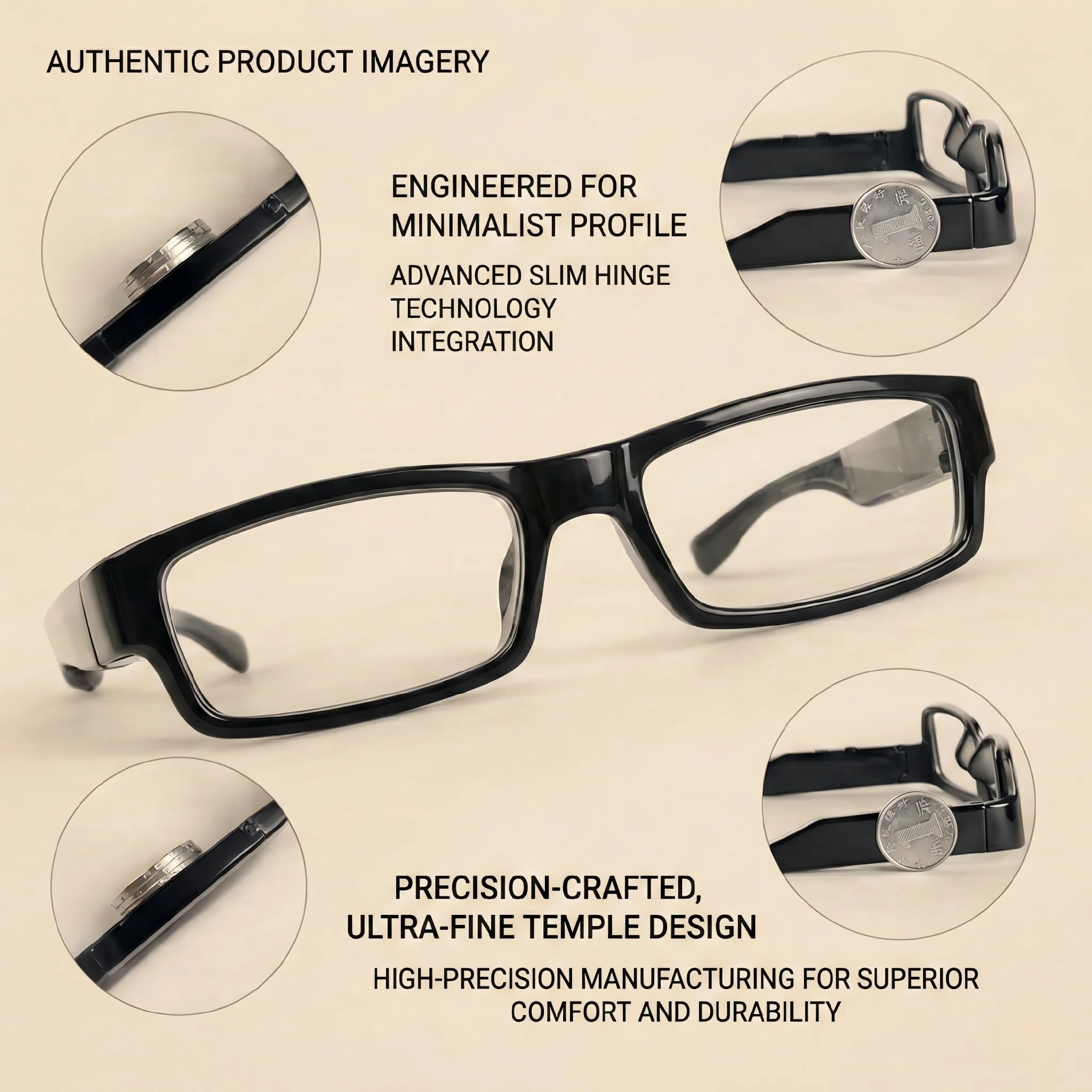
Design philosophy determines every component choice. Consumer cameras prioritize display quality and social media sharing. Professional cameras prioritize concealment and evidence integrity. A consumer smartwatch has a bright OLED screen that advertises its presence. A Verdeckte HD-Kamera-Brillen looks identical to standard prescription frames. The lens is hidden behind the frame, the recording button is disguised as a temple hinge, and there is no indicator light. The design goal is invisibility, not impressiveness.
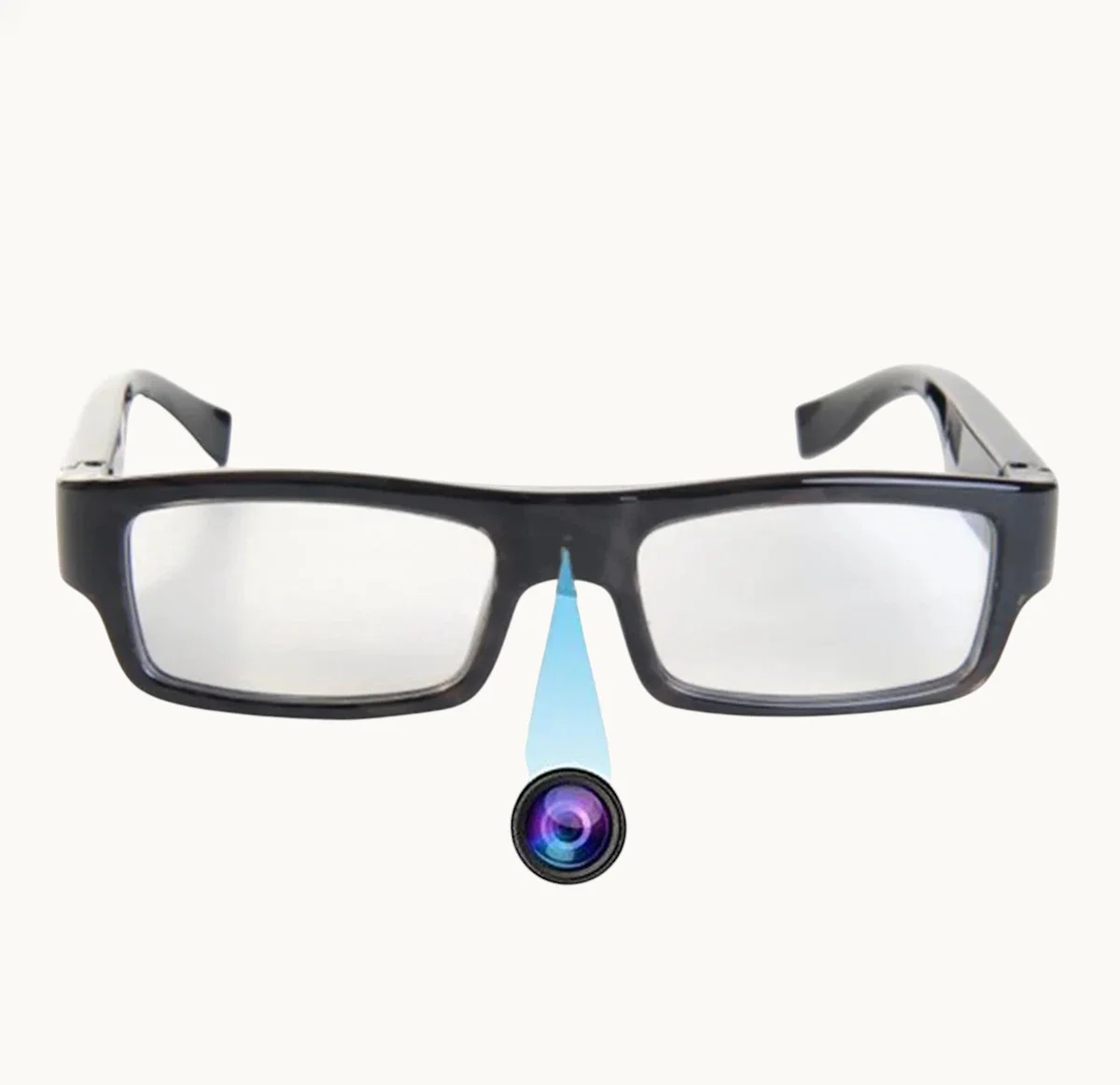
Reliability standards differ by an order of magnitude. Consumer electronics are designed for 2–3 years of moderate use. Professional security devices are designed for 5+ years of continuous operation. A consumer WiFi camera operates for 8 hours on battery. A WiFi 1080P Powerbank versteckte Kamera operates for 20–30 hours and doubles as a functional charger. The internal components are industrial-grade: capacitors rated for 10,000 hours, not 2,000; PCBs with conformal coating for moisture resistance; and connectors rated for 5,000 insertion cycles, not 500.
Rechtskonformität is where the gap becomes critical. Consumer electronics are not designed to produce court-admissible evidence. A smartphone video can be challenged on grounds of authenticity, editing, and metadata integrity. A professional recorder with SHA-256 hash verification and tamper-evident time stamping meets the UK Civil Procedure Rules (CPR 32) for electronically stored evidence. Distributors who sell to legal professionals and insurance investigators must understand this distinction because their customers’ livelihoods depend on evidence standing up in court.
| Faktor | Consumer Electronics | Professional Security Electronics | Impact on Distributor |
|---|---|---|---|
| Design goal | User experience | Concealment and evidence | Customer satisfaction vs. legal risk |
| Lifespan | 2–3 years | 5+ years | Warranty costs and returns |
| Einhaltung | FCC/CE basic | CE (RED), RoHS, UKCA, GDPR | Customs clearance and liability |
| Metadata | Keiner | Timestamp + hash | Legal admissibility |
| Verschlüsselung | Optional | AES-256 standard | Data protection compliance |
| Unterstützung | 90 days | 1–2 years | Customer retention and reputation |
| Upgrade cycle | Annual | 3–5 years | Inventory stability |
Kernaussage: Professional electronics are built for evidence, longevity, and compliance; consumer devices are built for entertainment and annual replacement.
What Certifications Must Electronic Gadgets Hold?
Certifications are the legal foundation of electronics import and resale. A distributor who sells uncertified devices in the UK or EU faces customs seizure, market surveillance fines, and civil liability. The certifications are not bureaucratic checkboxes; they are technical evidence that the device meets safety, electromagnetic, and environmental standards.
CE-Kennzeichnung under the Radio Equipment Directive (RED) 2014/53/EU is mandatory for all radio equipment, including WiFi cameras, GPS trackers, and Bluetooth devices. The CE mark must be affixed to the device and supported by a test report from an EU Notified Body. The report must include the model number, the standards tested (EN 301 489 for EMC, EN 300 328 for radio), and the test results. Self-declared CE marks without test reports are common in low-cost imports and are legally worthless.
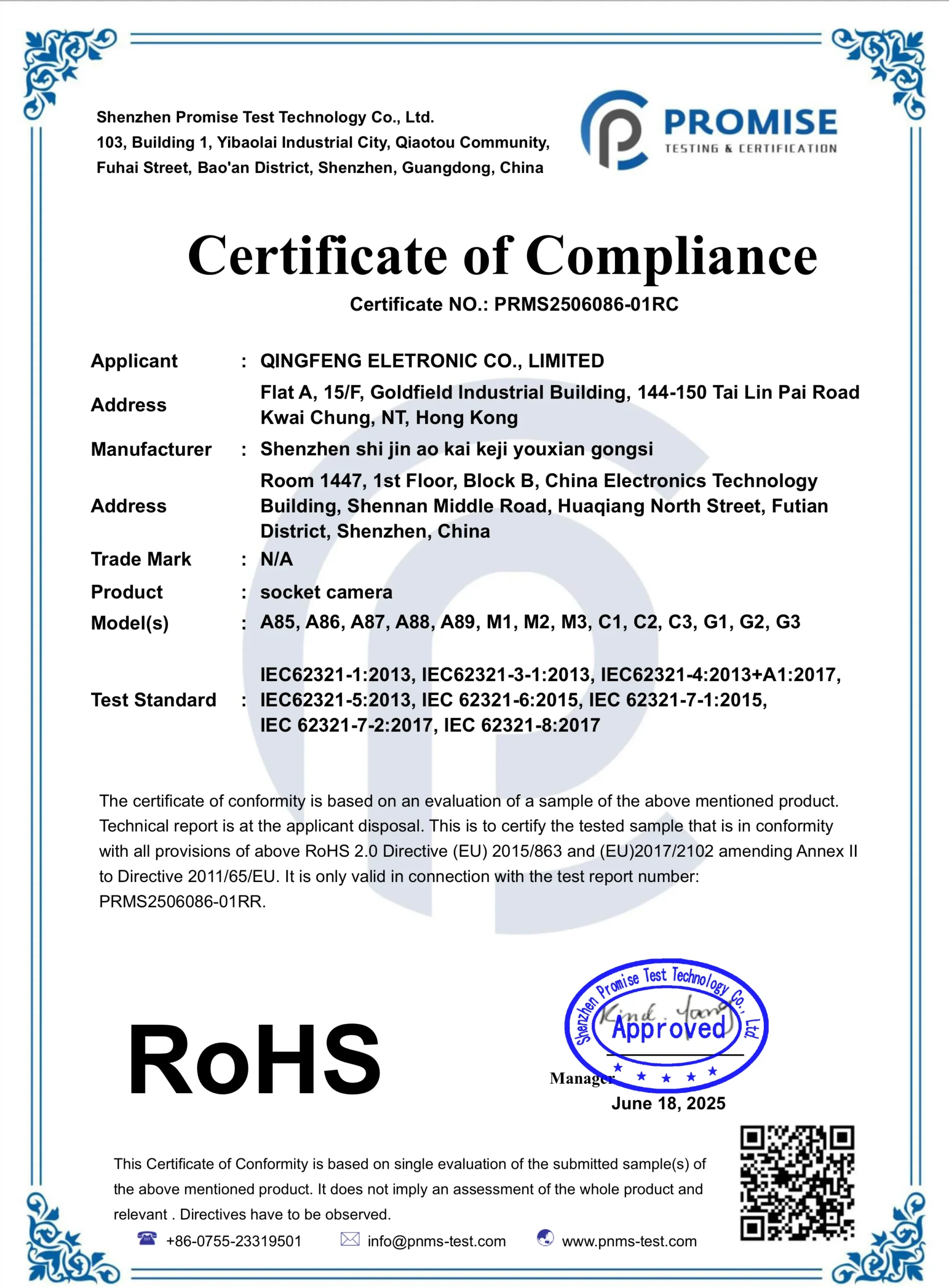
RoHS (Restriction of Hazardous Substances) 2011/65/EU limits lead, cadmium, mercury, hexavalent chromium, PBB, and PBDE in electronic devices. The limit is 0.1 percent by weight for most substances, with 0.01 percent for cadmium. RoHS compliance is verified by X-ray fluorescence (XRF) testing or supplier declarations. The UK requires equivalent compliance post-Brexit. Distributors should request RoHS test reports with lab stamps, not just supplier declarations, because the UK Environment Agency and EU market surveillance authorities conduct random testing and fine importers for non-compliance.
UKCA is the UK post-Brexit replacement for CE marking. It applies to the same product categories and uses the same technical standards. However, the conformity assessment must be conducted by a UK-accredited body, not an EU one. A device with a valid CE mark can be sold in Northern Ireland under the Windsor Framework but needs UKCA for Great Britain. Distributors selling in both markets need dual certification or a certificate that covers both.
FCC (Federal Communications Commission) certification is required for devices sold in the USA. It is not required for EU/UK sales, but many professional buyers in the UK and EU prefer dual-certified devices because it signals higher quality standards. FCC Part 15 covers unintentional radiators (most digital devices), and FCC Part 18 covers industrial, scientific, and medical equipment. The FCC ID is searchable on the FCC website, which provides transparency.
| Zertifizierung | Region | Standard | Cost to Test | Validity Period | Strafe bei Nichteinhaltung |
|---|---|---|---|---|---|
| CE (RED) | EU | EN 301 489, EN 300 328 | £3,000–8,000 | Until design change | Seizure, €20M fine |
| RoHS | EU | EN 62321 (XRF) | £500–2,000 | Per batch | Market withdrawal, €50K–500K |
| UKCA | UK | Same as CE | £3,000–8,000 | Until design change | Seizure, £17.5M fine |
| FCC | USA | 47 CFR Part 15 | $3,000–7,000 | Until design change | Import ban, $100K+ |
| WEEE | EU | Producer registration | £500–2,000/year | Annual | £50K–500K per state |
| DSGVO | EU/UK | Data protection | Platform audit | Ongoing | €20M or 4% turnover |
Kernaussage: CE, RoHS, and UKCA are mandatory; FCC is optional but signals quality; WEEE is annual.
How Do You Evaluate OEM and ODM Capabilities?
OEM (Original Equipment Manufacturing) and ODM (Original Design Manufacturing) are the two paths for distributors who want to build their own brand. OEM is logo branding on an existing product. ODM is custom design of a new product. Both require supplier verification that goes beyond catalog browsing.
OEM verification is straightforward. The supplier must be able to apply your logo to the housing, load custom firmware with your splash screen, and package in neutral or branded boxes. The minimum viable check is to request a sample with your logo. If the supplier takes more than 3 weeks, they are likely outsourcing the branding to a third party, which adds cost and risk. A genuine OEM supplier has in-house silk-screening, laser engraving, or UV printing equipment and can show you the process on a video call.
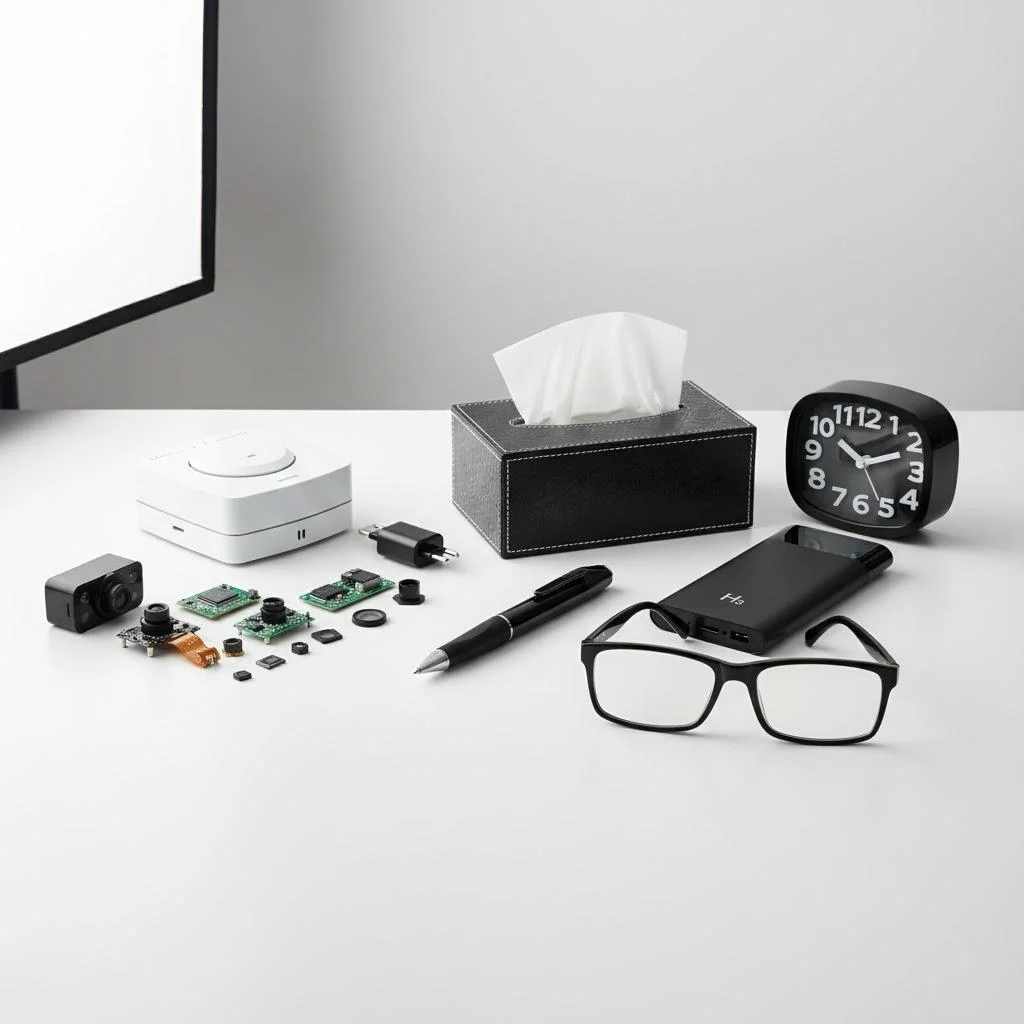
ODM verification is more complex. It requires the supplier to have in-house engineering capability: RF engineers for antenna design, PCB layout engineers for circuit design, and firmware developers for software customization. The verification checklist includes: (1) request schematic reviews for a proposed modification, (2) ask for a portfolio of 3+ custom projects that are not catalog products, (3) verify that the supplier owns the tooling (mold cavities should be numbered and traceable), and (4) confirm that firmware development is in-house, not outsourced to a third-party studio.
Here’s what most people get wrong: they assume that a supplier who says “yes” to every request is the best partner. The reality is that a genuine ODM supplier asks technical questions. They want to know why you need the modification, what the use case is, and whether the change affects certification. A supplier who agrees to everything without pushback is either padding the price or planning to subcontract to an unknown factory.
| Capability | OEM (Logo Branding) | ODM (Custom Design) | Verification Method | Zeitplan |
|---|---|---|---|---|
| Logo printing | Erforderlich | Optional | Request sample with logo | 2–3 weeks |
| Individuelle Verpackung | Erforderlich | Optional | Review packaging design | 2–3 weeks |
| Firmware splash screen | Erforderlich | Optional | Flash test firmware | 1 week |
| PCB modification | Not available | Erforderlich | Schematic review session | 90–120 days |
| Antenna customization | Not available | Erforderlich | RF test report | 90–120 days |
| Tooling ownership | N / A | Erforderlich | Mold cavity photos | Verify at factory |
| Certification update | N / A | Erforderlich | New CE/FCC test report | +30 days |
| Mindestbestellmenge | 100–500 Einheiten | 1,000–5,000 units | Confirm in contract | Negotiate |
Kernaussage: Genuine ODM suppliers ask technical questions; trading companies say yes to everything.
What Are the Hidden Costs in Electronics Wholesale?
The unit price is only the visible portion of the total cost. Hidden costs include shipping, import duties, platform fees, warranty reserves, and compliance testing. Distributors who model only the unit price discover that their actual margin is 10–15 percent lower than expected.
Shipping costs vary by volume and urgency. Express courier (DHL/FedEx) costs £5–8 per unit for samples but becomes uneconomical above 500 units. Air freight drops to £2–3 per unit for 500–2,000 units. Sea freight is £0.50–1.50 per unit for 5,000+ units but takes 30–45 days. Railway freight to the EU is a middle ground: £1.50–2.50 per unit, 18–25 days. For a distributor importing 1,000 units, the difference between air and sea freight is £1,500–2,500, which is 10–15 percent of the total order value.

Import duties in the EU are typically 0–4.5 percent for surveillance electronics under HS code 8526.91, but VAT (20 percent in the UK, 19–27 percent in EU countries) applies to the CIF value plus duty. A distributor who imports £10,000 worth of cameras pays £200–450 in duty and £2,000–2,700 in VAT. Some suppliers quote DDP (Delivered Duty Paid), which includes all costs to the door but adds 10–15 percent to the total. DDP simplifies logistics but reduces margin.
Platform fees are a recurring cost for GPS trackers. If the supplier charges £3 per device per month for tracking platform access, a 1,000-unit fleet costs £36,000 annually. Bundled platforms that include lifetime access in the hardware price eliminate this cost. Distributors should always model the 3-year total cost of ownership, not just the hardware price.
Warranty reserves are typically 3–5 percent of revenue. A distributor selling £100,000 annually should reserve £3,000–5,000 for replacements, repairs, and returns. This is not a cost; it is a financial planning tool that prevents cash flow surprises when a batch has a defect rate above normal.
| Cost Category | Calculation Method | 1,000-Unit Order Example | Impact on Margin |
|---|---|---|---|
| Unit price (FOB) | Supplier quote | £12,000 | Ausgangsbasis |
| Shipping (air freight) | £2.50/unit | £2,500 | -17% of unit cost |
| Import duty (2.5%) | CIF × 2.5% | £325 | -2.5% |
| VAT (20%) | (CIF + duty) × 20% | £2,965 | -20% of landed value |
| Platform fees (3 years) | £3/month × 36 months | £108,000 (if not bundled) | 900% of hardware cost |
| Warranty reserve (3%) | Revenue × 3% | £3,600 | -3% of revenue |
| Total 3-year cost | Sum of above | £19,390 (hardware only) | £130,390 (with platform) |
Kernaussage: Model 3-year total cost including shipping, duty, VAT, and platform fees.
How Does Platform Software Drive Resale Value?
Platform software is the hidden value multiplier in electronic gadgets wholesale. A distributor who sells hardware-only competes on price. A distributor who sells hardware plus platform access competes on solution value and earns recurring revenue.
The platform provides three core functions: real-time viewing, historical playback, and alert management. For WiFi cameras, the platform is a smartphone app that shows live video, sends motion alerts, and stores cloud recordings. For GPS trackers, the platform is a web dashboard that shows vehicle locations, routes, and geofence violations. For voice recorders, the platform is a PC application that organizes files, transcribes audio, and verifies hash integrity.
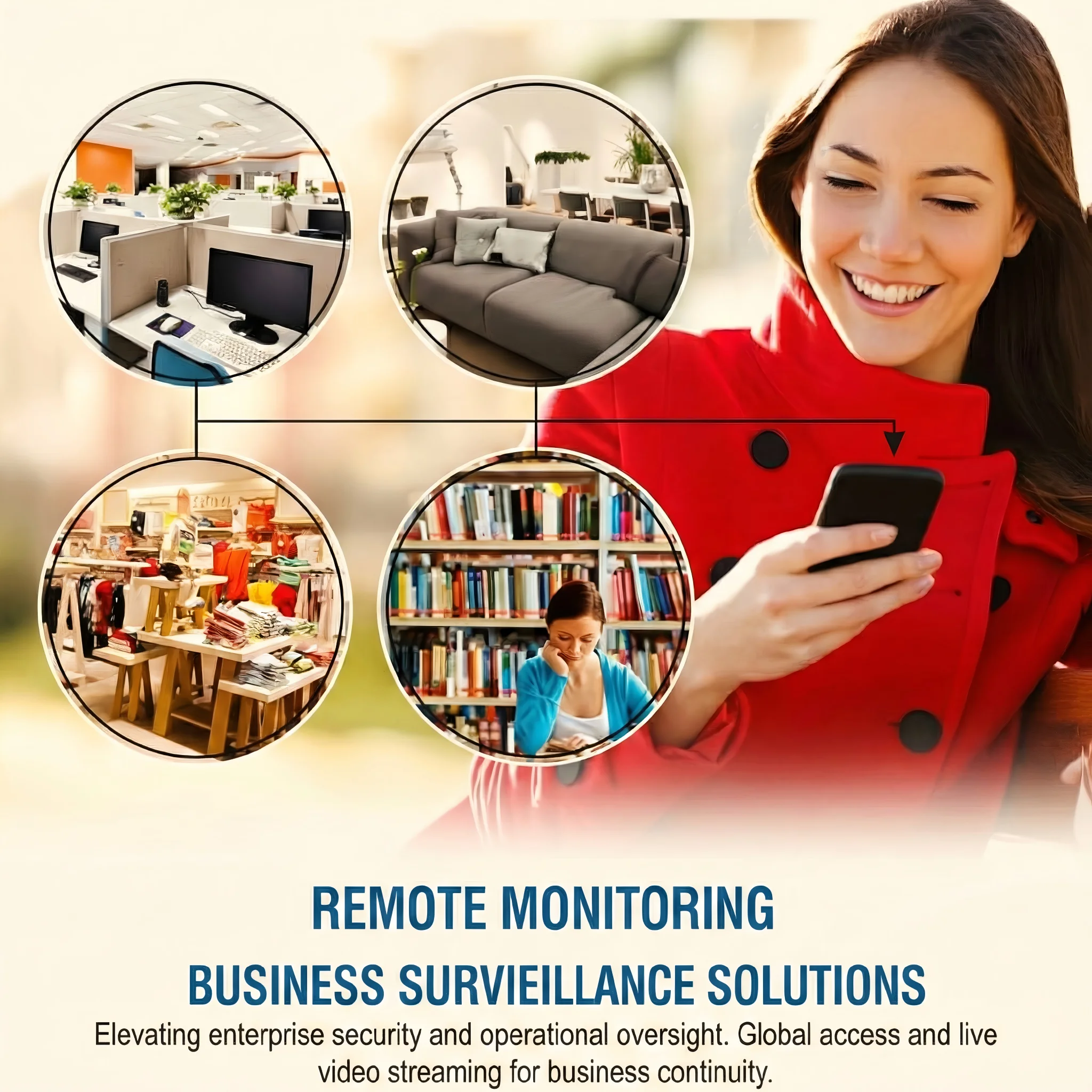
White-label platforms are the distributor’s best friend. A white-label platform displays the distributor’s brand, not the manufacturer’s. The QZT Security platform, built on Tuya Smart infrastructure, offers white-label customization for distributors who order 500+ units. This means the end customer sees the distributor’s logo, not the factory’s. The distributor builds brand equity and customer loyalty, not just a one-time hardware sale.
API access is the enterprise feature. Large fleet operators and security companies need to integrate tracking data into their existing systems. A platform with REST API allows developers to pull location data into fleet management software, CRM systems, or custom dashboards. The API should support OAuth 2.0 authentication, JSON data format, and rate limits of at least 100 requests per minute. Without API access, the platform is a silo. With API access, it becomes part of the customer’s operational infrastructure.
Here’s what most people get wrong: they assume the platform is free. The reality is that platform development costs are substantial. A supplier who offers a “free lifetime platform” has either bundled the cost into the hardware price or plans to monetize later through data harvesting or subscription upsells. Distributors should clarify platform ownership, data privacy, and pricing structure before signing contracts.
| Platform Feature | Consumer Gadget | Professional Security Platform | Distributor Value |
|---|---|---|---|
| Live-Übertragung | Ja | Ja | Ausgangsbasis |
| Bewegungsalarme | Basic | Customizable zones, sensitivity | Upselling-Potenzial |
| Cloud-Speicher | 7 Tage | 30–90 days, encrypted | Recurring revenue |
| White-label | Nein | Yes (500+ units) | Brand building |
| API access | Nein | Yes (enterprise) | Integration sales |
| Multi-user | 2–3 | Unlimited with roles | Team sales |
| Data export | Begrenzt | Full CSV/PDF with metadata | Compliance sales |
Kernaussage: White-label platforms and API access transform hardware sales into branded solution businesses.
What Packaging and Branding Options Exist?
Packaging and branding are the first things a customer sees. For B2B distributors, packaging must communicate professionalism, compliance, and brand identity. For retail channels, packaging must attract attention and communicate features. The two requirements are different, and the supplier must support both.
Neutral packaging is the wholesale standard. Plain white boxes with no branding, no factory name, and minimal text. This allows the distributor to add their own labels, stickers, or inserts. Neutral packaging is also required for drop-shipping, where the distributor never touches the inventory. The supplier ships directly to the end customer in neutral packaging, and the distributor’s brand is communicated through digital channels only.
Branded packaging includes custom-printed boxes, foam inserts, manuals, and warranty cards. The minimum order for branded packaging is typically 500–1,000 units because the packaging factory charges setup fees for printing plates and die-cutting tools. A branded box costs £0.50–1.50 more than a neutral box, but it increases perceived value by 20–30 percent. For distributors selling to premium retail channels or corporate clients, branded packaging is essential.
Manuals and documentation are legally required in the EU and UK. The user manual must include safety instructions, regulatory compliance statements, and disposal instructions (WEEE). It must be available in the language of the target market. For the UK, English is sufficient. For the EU, distributors should provide manuals in English, German, French, Italian, and Spanish to cover the largest markets. Manual translation costs £200–500 per language, but it prevents customer confusion and reduces support tickets.
Warranty cards are marketing tools disguised as legal documents. A well-designed warranty card collects customer contact information, registers the product, and starts the warranty clock. This data is invaluable for distributors who want to build a customer database for upselling and repeat business. The warranty period should be 12 months for consumer sales and 24 months for B2B sales, as required by EU consumer protection law.
| Packaging Type | Mindestbestellmenge | Kosten pro Einheit | Am besten geeignet für | Setup Time |
|---|---|---|---|---|
| Neutral | 1 | £0.20–0.50 | Drop-shipping, testing | 1 week |
| Branded (print) | 500 | £0.70–1.50 | Retail, corporate | 3–4 Wochen |
| Branded (premium) | 1,000 | £1.50–3.00 | Premium retail, gifts | 4–6 Wochen |
| Manual (English) | 100 | £0.30 | UK-Markt | 1 week |
| Manual (5-language) | 500 | £0.80 | EU market | 2–3 weeks |
| Warranty card | 500 | £0.10 | All markets | 1 week |
Kernaussage: Branded packaging and multi-language manuals increase perceived value and reduce support costs.
How Do EU and UK Regulations Affect Electronics Import?
Importing electronics into the EU and UK is not just about shipping and customs. It is a compliance process that involves product safety, environmental responsibility, and data protection. Distributors who ignore these regulations face fines that exceed their annual profit.
Customs clearance requires correct HS code classification and documentation. Hidden cameras and GPS trackers typically fall under HS code 8526.91 (radio surveillance equipment) or 8525.89 (transmission apparatus). The wrong code triggers customs delays, inspections, and reclassification fees. The required documents are: commercial invoice, packing list, bill of lading, and CE/UKCA certificate. Distributors should work with a customs broker for the first few shipments to establish correct procedures.
Product safety is enforced by market surveillance authorities in each EU member state and by the Office for Product Safety and Standards (OPSS) in the UK. Random testing of imported electronics is common. A device that fails EMC testing or contains restricted substances (RoHS) is subject to recall, destruction, and fines. The distributor—not the Chinese supplier—is legally responsible because they are the importer of record. This is why verifying supplier certifications before ordering is not optional; it is risk management.
Environmental compliance includes WEEE (Waste Electrical and Electronic Equipment) registration. Every producer or importer of electronics in the EU must register with the national WEEE scheme, finance recycling, and display the crossed-bin symbol on the product. The cost is £500–2,000 per year depending on the country and volume. Failure to register results in fines of £50,000–500,000 per member state. The UK has its own WEEE regime post-Brexit, requiring separate registration.
Data protection applies to devices that process personal data. Hidden cameras, voice recorders, and GPS trackers all capture data that is classified as personal data under GDPR. The end user (not the distributor) is the data controller, but the distributor must supply devices with GDPR-compliant features: encryption, access controls, data retention limits, and privacy notices. The ICO can fine distributors if they supply devices that are designed to facilitate illegal surveillance (e.g., cameras disguised as smoke detectors sold without any privacy warning).
| Regulation | Erfordernis | Who Is Responsible | Penalty | Distributor Action |
|---|---|---|---|---|
| Customs (HS code) | Correct classification | Distributor (importer) | Delay, inspection fees | Work with customs broker |
| CE/UKCA | Safety certification | Distributor (importer) | Seizure, €20M fine | Verify certificates before ordering |
| RoHS | Grenzwerte für gefährliche Stoffe | Distributor (importer) | Market withdrawal, fine | Request XRF test reports |
| WEEE | Recycling registration | Distributor (producer) | £50K–500K per state | Register in each target country |
| DSGVO | Data protection features | End user (controller) | €20M or 4% turnover | Supply compliant devices with privacy notices |
| Packaging waste | Recycling fees | Vertriebspartner | €10K–100K | Register with packaging scheme |
Kernaussage: The distributor is the importer of record and bears legal liability for customs, safety, and environmental compliance.
What After-Sales Support Should Distributors Expect?
After-sales support is the difference between a one-time supplier and a long-term partner. Distributors who sell to end users need support from their suppliers for technical issues, warranty claims, and product updates. The support level should be specified in the supply contract, not assumed.
Technische Unterstützung includes firmware updates, troubleshooting guides, and engineering consultation. A supplier who provides quarterly firmware updates with security patches and feature improvements demonstrates commitment to product longevity. The updates should be delivered via the platform (OTA) or as downloadable files with clear installation instructions. A supplier who has never issued a firmware update after product launch is a red flag.

Warranty terms should be 12 months for consumer products and 24 months for B2B products, as required by EU law. The warranty should cover manufacturing defects, not user damage. The RMA (Return Merchandise Authorization) process should be simple: customer reports defect, distributor verifies, supplier issues replacement or repair within 15 business days. A supplier who requires the customer to ship the defective unit back to China at their own expense is not a viable partner for EU distributors.
Spare parts availability is critical for long-term support. A supplier who cannot provide replacement batteries, lenses, or charging cables 2 years after the product launch forces the distributor to declare the product end-of-life prematurely. The supply contract should include a spare parts availability clause: the supplier must maintain stock of critical components for 3 years after the last production run.
Training and documentation are often overlooked. A supplier who provides training videos, webinars, and technical documentation helps the distributor’s sales team understand the product and answer customer questions. This is especially important for complex products like GPS trackers with platform configuration or DIY camera modules with custom installation.
| Support Element | Mindeststandard | Professional Standard | Warnsignal |
|---|---|---|---|
| Garantie | 12 Monate | 24 months B2B | No written warranty |
| RMA turnaround | 30 Tage | 15 days | Customer pays return shipping to China |
| Firmware-Aktualisierungen | Keiner | Quarterly OTA | No updates ever issued |
| Spare parts | 6 months | 3 years after EOL | No spare parts available |
| Technical docs | Basic manual | Video tutorials, API docs | No documentation |
| Schulung | Keiner | Webinar, factory visit | No training offered |
| Account manager | Keiner | Dedicated for 500+ units | Only sales contact, no support |
Kernaussage: 24-month warranty, 15-day RMA, and 3-year spare parts are the professional baseline.
How Do You Build a Profitable Electronics Distribution Business?
Building a profitable electronics distribution business requires market selection, supplier partnerships, compliance infrastructure, and sales channels. The barrier to entry is lower than many hardware categories because electronic gadgets are small, high-margin, and have recurring platform revenue potential.
Market selection starts with specialization. The general “electronics” market is saturated with Amazon, Alibaba, and big-box retailers. Specialization wins: covert surveillance for private investigators, fleet tracking for courier companies, elder monitoring for care agencies. Each niche has different pricing tolerance, feature requirements, and sales cycles. A distributor who focuses on one niche becomes the expert that customers trust.
Supplier partnership should be treated as a long-term relationship. The best distributors visit the factory (in person or via video), meet the engineering team, and negotiate exclusive distribution rights for a region. An exclusive distributor in the UK or Germany can lock out competitors and build brand recognition. The exclusivity agreement should specify the territory, the product range, and the minimum annual purchase commitment that maintains the exclusivity.
Compliance infrastructure is your moat. Many small resellers skip CE/UKCA verification and sell gray-market devices. When market surveillance catches them, their inventory is seized and their reputation is destroyed. Investing in proper certification and documentation protects your business and becomes a sales advantage. Corporate clients and government contractors will not buy from uncertified suppliers.
Sales channels for B2B electronic gadgets include direct sales to end users, reseller networks for security installers, and online marketplaces for small business owners. The highest margins are in direct sales with bundled installation, training, and platform setup services. A corporate security package with 10 hidden cameras, 5 voice recorders, and 1-year platform support can generate £5,000–8,000 in first-year revenue with 40–50 percent margin.
| Business Stage | Investment | Zeitplan | Revenue Target | Key Milestone |
|---|---|---|---|---|
| Testing | £500–1,000 | 1 month | £0 | Sample orders, quality validation |
| Launch | £3,000–5,000 | 3 months | £2,000/month | First 5 customers, niche validation |
| Wachstum | £10,000–20,000 | 6–12 months | £10,000/month | Exclusive region, branded line |
| Scale | £50,000+ | 12–24 months | £50,000/month | Multi-region, ODM, platform |
Kernaussage: Niche specialization, supplier exclusivity, and compliance infrastructure are the three pillars of distributor success.
Häufig gestellte Fragen
Can I import electronic gadgets from China without a license?
Yes, you can import electronic gadgets from China without a specific import license, but you must comply with customs regulations, product safety standards, and environmental regulations. In the EU and UK, you need an EORI number (Economic Operators Registration and Identification) for customs clearance. You must also ensure the products have CE/UKCA marking, RoHS compliance, and WEEE registration. The importer of record—you, not the Chinese supplier—is legally responsible for compliance. Work with a customs broker for your first shipments to ensure correct HS code classification and documentation.
What’s the difference between a trading company and a factory?
A trading company buys products from multiple factories and resells them under their own brand. They have no manufacturing capability, no engineering staff, and no quality control over production. A factory owns the production lines, employs engineers, and controls the entire manufacturing process. The difference matters for B2B buyers because factories offer lower prices, faster customization, and direct quality control. Trading companies offer higher prices, slower lead times, and limited technical support. Verify by asking for a factory video tour, ISO 9001 certificate, and production capacity numbers. A genuine factory produces 10,000+ units per month and has 50+ production staff.
How do I handle warranty claims for imported electronics?
Warranty claims should be handled in three steps: diagnosis, replacement, and root cause analysis. First, ask the customer to describe the symptoms and, if possible, send video or photos of the defect. Second, if the defect is confirmed, ship a replacement from your local stock within 5 business days and issue an RMA number. Third, send the defective unit back to the supplier for analysis. If the failure rate exceeds 3 percent in a batch, negotiate a partial refund or extended warranty. The key is to maintain local stock for fast replacement; waiting 3 weeks for a replacement from China destroys customer trust.
What’s the minimum order for OEM branding on electronic gadgets?
The minimum order for OEM branding on electronic gadgets is typically 100–500 units, depending on the supplier and the branding complexity. Logo printing on the housing usually requires 100 units. Custom packaging requires 500 units. Custom firmware with a splash screen requires 200–500 units. Full ODM customization with PCB modification requires 1,000–5,000 units. These are industry standards, not absolute rules. Some suppliers offer lower MOQ for a higher per-unit price. Distributors should negotiate MOQ based on their sales forecast, not their budget. Ordering 500 units to get the OEM price is better than ordering 100 units at a higher price and running out of stock.
How do I protect my brand when selling white-label electronic gadgets?
Protect your brand by registering your trademark in the UK (IPO) and EU (EUIPO). A trademark registration prevents competitors from using your brand name and gives you legal recourse against counterfeiters. You should also register your domain name and social media handles. When working with suppliers, sign a Non-Disclosure Agreement (NDA) and a Non-Use Agreement that prevents the supplier from selling your branded products to other customers. Include quality control clauses in the supply contract that allow you to reject batches that do not meet specifications. Finally, maintain consistent branding across packaging, manuals, and platforms to build customer recognition and trust.
Contact Us Today to discuss electronic gadgets wholesale opportunities, OEM/ODM requirements, and EU/UK compliance certification. QZT Security supplies CE-certified surveillance and tracking equipment to distributors, installers, and security professionals across the UK and EU.

 English
  Italiano
  Deutsch
  Français
  Español
  Polski