
Jak wykorzystać nagrania ukrytej kamery jako dowód prawny w brytyjskich i unijnych sądach
Masz nagranie. Wyraźny, opatrzony znacznikiem czasu zapis wideo dokładnie tego, co się stało — kradzieży, nękania, zniszczenia mienia. Ale gdy próbujesz wykorzystać je w postępowaniu sądowym, napotykasz ścianę: strona przeciwna kwestionuje dopuszczalność nagrania, twój prawnik zadaje pytania, na które nie potrafisz odpowiedzieć, dotyczące sposobu instalacji kamery, a sędzia chce wiedzieć, czy nagranie zostało uzyskane zgodnie z prawem.
Ten przewodnik istnieje, ponieważ nagranie materiału to łatwa część. To, co naprawdę się liczy, to wiedza, co czyni ten materiał prawnie użytecznym.
Standardy prawne dotyczące dowodów z ukrytych kamer znacznie się różnią między Wielką Brytanią, Niemcami, Francją a innymi państwami członkowskimi UE. Jednak we wszystkich jurysdykcjach trzy czynniki konsekwentnie decydują o dopuszczeniu nagrania: sposób uzyskania nagrania, łańcuch dowodowy między nagraniem a sądem oraz integralność techniczna samego pliku. Jeśli wszystkie trzy są prawidłowe, Twoje nagranie staje się jedną z najsilniejszych dostępnych form dowodowych. Jeśli brakuje jednego, może zostać całkowicie wykluczone.
Czy Wielka Brytania dopuszcza nagrania z ukrytej kamery w sądzie?
Krótka odpowiedź brzmi: tak, ale pod pewnymi warunkami.
W Anglii i Walii tajne nagrywanie jest regulowane przez ustawę o regulacji uprawnień śledczych z 2000 r. (RIPA), ustawę o prawach człowieka z 1998 r. (art. 8 — prawo do życia prywatnego) oraz ustawę o ochronie danych z 2018 r. Żadne z tych przepisów nie zakazuje całkowicie tajnego nagrywania przez osoby prywatne. Określają one okoliczności, w których można gromadzić nagrania, oraz zakres, w jakim sądy będą uznawać je za dopuszczalne.
Kluczowa zasada wynikająca z orzecznictwa — w szczególności Jones v University of Warwick [2003] EWCA Civ 151 — polega na tym, że sądy w Anglii i Walii mają uznaniową swobodę dopuszczenia lub wyłączenia dowodów uzyskanych w sposób ukryty. Sąd waży interes publiczny w dostępności istotnych dowodów przeciwko naruszeniu prywatności związanemu z ich uzyskaniem. Materiał wideo zawierający wyraźny dowód poważnego przewinienia znacznie częściej zostanie dopuszczony niż materiał z kamery umieszczonej bez żadnego uzasadnionego celu.
Ale oto, co umyka większości ludzi: Sądy w Wielkiej Brytanii nie wyłączają automatycznie prywatnie uzyskanych nagrań ukrytych, tak jak czynią to niektóre jurysdykcje kontynentalnej Europy. Pytanie nie brzmi, czy nagranie było ukryte, lecz czy jego dopuszczenie byłoby uczciwe i zgodne z interesem wymiaru sprawiedliwości.
W Szkocji stanowisko jest podobne, ale podlega prawu szkockiemu. Postępowanie karne odbywa się zgodnie z Criminal Procedure (Scotland) Act 1995, a test dopuszczalności koncentruje się na tym, czy dowody zostały uzyskane w sposób nieuczciwy — nieco inne ujęcie niż angielski test wyważania, ale z zasadniczo podobnymi praktycznymi wynikami dla jednoznacznych nagrań z monitoringu.
| Jurysdykcja | Ramy prawne | Stanowisko w sprawie nagrywania ukrytego |
|---|---|---|
| England & Wales | RIPA 2000, Human Rights Act 1998, DPA 2018 | Dopuszczalne według uznania sądu, test wyważenia |
| Szkocja | Criminal Procedure (Scotland) Act 1995 | Dopuszczalne, jeśli nie uzyskane nieuczciwie |
| UE (ogólnie) | RODO, krajowe kodeksy prywatności | Różni się w zależności od państwa członkowskiego — patrz poniżej |
| Niemcy | §201 StGB, §242 ZPO | Rygorystyczne — zasadniczo niedopuszczalne w postępowaniu cywilnym |
| Francja | Code civil Art. 9, Code pénal Art. 226-1 | Niedopuszczalne, chyba że ma zastosowanie zgoda lub interes publiczny |
| Włochy | Codice della Privacy, Art. 615-bis c.p. | Dopuszczalne w kontekście zatrudnienia i spraw karnych pod pewnymi warunkami |

Kluczowy wniosek: Sądy w Wielkiej Brytanii mogą dopuścić nagrania z ukrytych, prywatnie zainstalowanych kamer. Nagranie nie musi być wykonane przy widocznym znaku ostrzegawczym w kontekście domowym lub prywatnym komercyjnym, ale cel musi być uzasadniony — bezpieczeństwo, ochrona lub udokumentowanie konkretnego podejrzenia naruszenia.
Co czyni nagranie z ukrytej kamery prawnie dopuszczalnym?
W orzecznictwie brytyjskim i wytycznych regulacyjnych UE konsekwentnie pojawiają się cztery wymogi, aby nagrania ukryte mogły zostać uznane za dopuszczalne.
1. Uzasadniony cel. Kamera została zainstalowana w celu rozwiązania konkretnego, możliwego do zidentyfikowania problemu — podejrzenia kradzieży, nękania, zniszczenia mienia lub dobra dziecka — a nie w celu prowadzenia ogólnego nadzoru nad zgodnymi z prawem działaniami osób. Ukryta kamera umieszczona w domu w celu monitorowania opiekunki podejrzanej o znęcanie się nad dzieckiem ma jasny uzasadniony cel. Kamera umieszczona w celu monitorowania sąsiada przez wspólną ścianę nie ma takiego celu.
2. Proporcjonalność. Naruszenie prywatności było proporcjonalne do celu. Nagrywanie w kuchni, w której przebywa dziecko z opiekunem, jest proporcjonalne do troski o dobro dziecka. Nagrywanie w łazience nie jest proporcjonalne do żadnego uzasadnionego celu poza bezpośrednim śledztwem karnym. Proporcjonalność ocenia się według tego, co rozsądna osoba uznałaby za konieczne w danych okolicznościach.
3. Zgodność z przetwarzaniem danych. Zgodnie z UK GDPR i Data Protection Act 2018, jeśli nagrywasz osoby możliwe do zidentyfikowania na nagraniu, przetwarzasz dane osobowe. W przypadku użytkowników domowych zastosowanie ma wyłączenie gospodarstwa domowego (art. 2 ust. 2 lit. c RODO) — nagrywanie we własnym domu do celów osobistych lub domowych jest wyłączone z większości obowiązków wynikających z RODO. Jednak w momencie udostępnienia nagrania poza gospodarstwo domowe — pracodawcy, prawnikowi lub policji — wyłączenie może już nie obejmować użytkownika, a nagranie należy traktować jako dane osobowe.
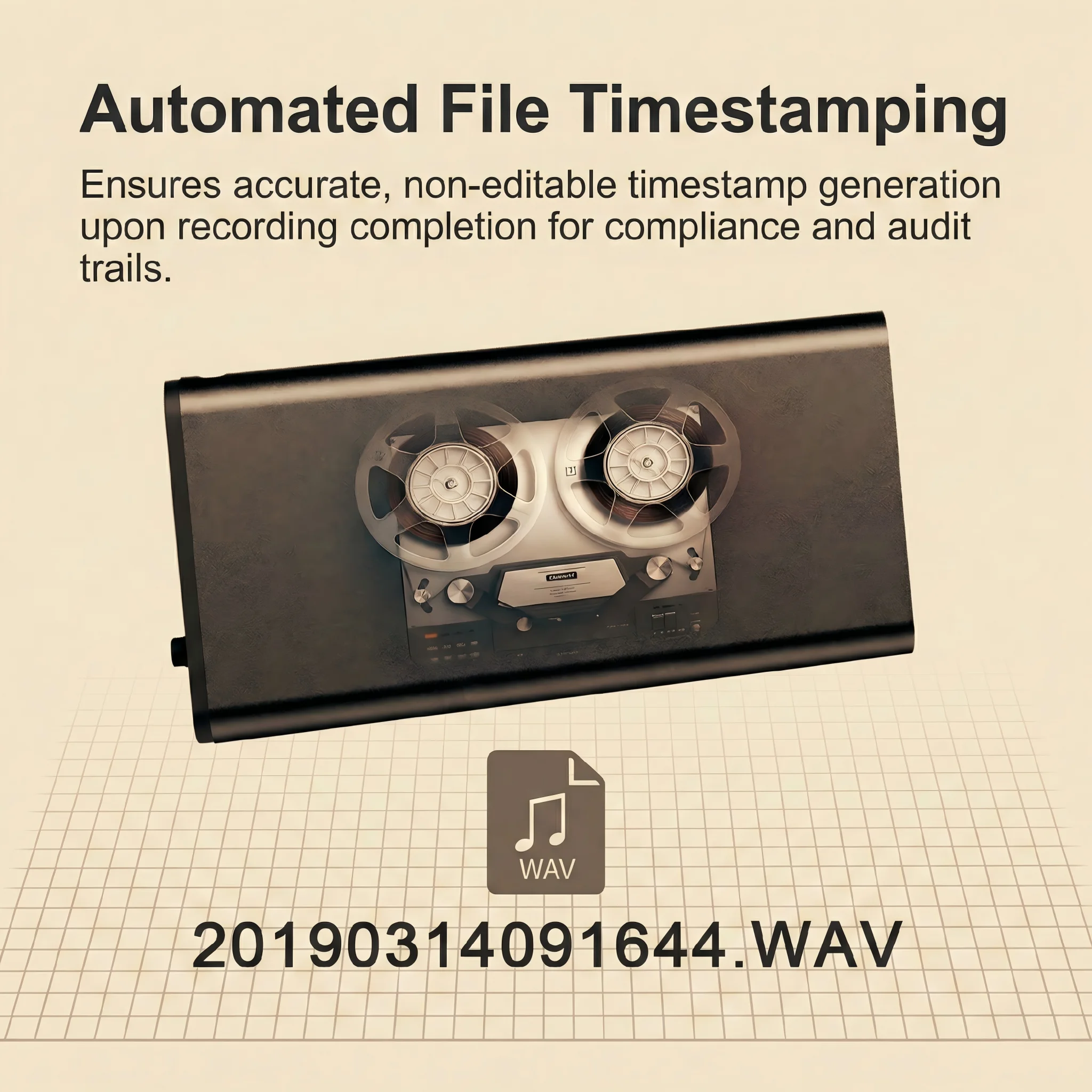
4. Łańcuch przechowywania i integralność plików. Sądy wymagają pewności, że nagranie nie zostało zmienione między zarejestrowaniem a przedstawieniem. Oznacza to zachowanie oryginalnego pliku na oryginalnym nośniku, udokumentowanie, kiedy i w jaki sposób uzyskano dostęp do nagrania, oraz umiejętność wyjaśnienia procesu technicznego od nagrania do przedstawienia.
Oto co większość ludzi robi źle: kopiują materiał na laptopa, wycinają nieistotne fragmenty, a następnie próbują przedstawić edytowaną wersję w sądzie. Strona przeciwna natychmiast kwestionuje, czy edycja zmieniła cokolwiek istotnego. Przedstaw oryginalny, nieedytowany plik z oryginalnego nośnika, a to wyzwanie zniknie.
Kluczowy wniosek: Dopuszczalność zależy od celu, proporcjonalności, przetwarzania danych i integralności pliku. Największym praktycznym błędem jest przerwanie łańcucha dowodowego poprzez edycję lub kopiowanie nagrania przed jego przedstawieniem.
Jak prawo UE traktuje dowody z nagrań ukrytych?
UE nie ma jednolitej regulacji dotyczącej nagrań ukrytych — dopuszczalność jest kwestią krajowego prawa procesowego w każdym państwie członkowskim. Jednak RODO narzuca spójne ramy dotyczące tego, w jaki sposób nagrania możliwych do zidentyfikowania osób mogą być uzyskiwane i przetwarzane, co wpływa na status prawny nagrania, nawet jeśli jest ono technicznie dopuszczalne.
Niemcy zajmuje najsurowsze stanowisko w Europie Zachodniej. Artykuł 201 niemieckiego kodeksu karnego (Strafgesetzbuch) czyni przestępstwem nagrywanie wypowiedzi innej osoby bez jej zgody za pomocą urządzenia podsłuchowego. W przypadku nagrań wideo bez dźwięku stanowisko jest mniej jasne, ale niemieckie sądy cywilne (na podstawie §242 ZPO, zasady dobrej wiary) rutynowo wykluczają prywatnie uzyskane ukryte nagrania z postępowań cywilnych. Niemieccy pracodawcy podlegają szczególnie surowym przepisom — Federalny Sąd Pracy (BAG) wielokrotnie orzekał, że ukryte nagrania w miejscu pracy są niedopuszczalne w postępowaniach o niezgodne z prawem zwolnienie, chyba że pracodawca miał konkretne, udokumentowane podstawy do podejrzenia naruszenia i nie było dostępnej mniej inwazyjnej alternatywy.
Francja kryminalizuje nagrywanie prywatnych rozmów bez zgody na podstawie artykułu 226-1 francuskiego kodeksu karnego (kara pozbawienia wolności do jednego roku i grzywna w wysokości 45 000 euro). Francuskie sądy cywilne zasadniczo wykluczają dowody uzyskane z naruszeniem tego przepisu. Wyjątkiem jest sytuacja, gdy nagranie dokumentuje czyn publiczny lub zostało wykonane w ramach wykonywania uznanego prawa — na przykład nagranie wykonane w miejscu publicznym, w którym nie istnieje uzasadnione oczekiwanie prywatności.
Włochy ma bardziej liberalne stanowisko w kontekście zatrudnienia. Włoski organ ochrony danych osobowych (Garante) wydał wytyczne zezwalające pracodawcom na stosowanie ukrytego nadzoru nad pracownikami, gdy istnieje konkretne, udokumentowane podejrzenie naruszenia, a inne metody dochodzeniowe zostały wyczerpane — tzw. attività di investigazione (działalność śledcza) wyjątek w ramach Statutu Pracowników. Włoskie sądy karne są również bardziej skłonne dopuścić ukryte nagrania jako dowód w sprawach karnych niż sądy niemieckie czy francuskie.
Dla nabywców B2B pozyskujących ukryte kamery do dystrybucji w Europie: zrozumienie kontekstu prawnego na rynku docelowym bezpośrednio wpływa na to, które przypadki użycia możesz legalnie promować i którym odbiorcom możesz służyć. Dystrybutorzy w Niemczech potrzebują innych materiałów informacyjnych niż dystrybutorzy we Włoszech.
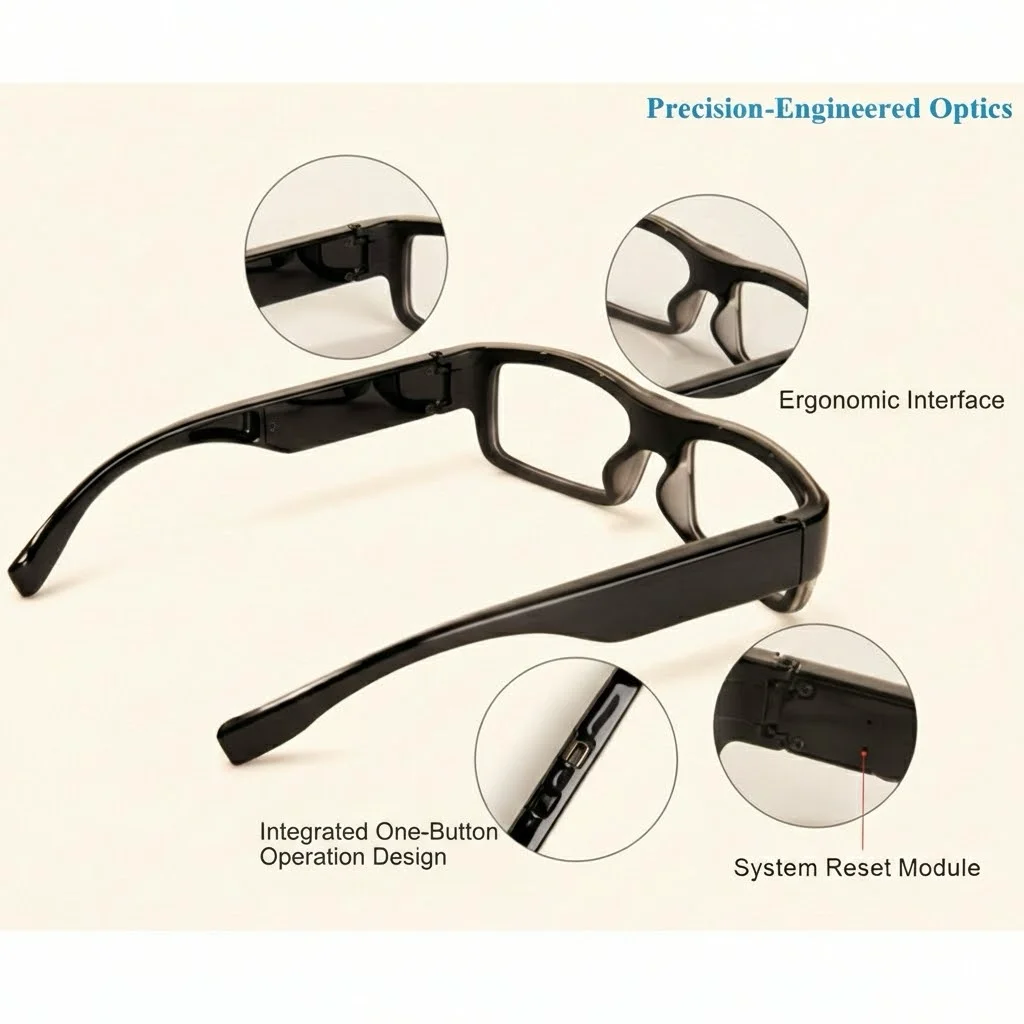
Kluczowy wniosek: Niemcy i Francja ograniczają ukryte nagrania znacznie bardziej niż Wielka Brytania. Włochy i inne rynki Europy Południowej są bardziej liberalne w kontekście zatrudnienia i prawa karnego. Dystrybutorzy z siedzibą w UE powinni dostarczać użytkownikom końcowym wytyczne dostosowane do danego kraju.
Jakie specyfikacje techniczne czynią nagranie bardziej wiarygodnym w sądzie?
Jakość nagrania bezpośrednio wpływa na to, jak sąd ocenia jego wartość dowodową. Ziarnisty, nieczytelny materiał wideo może być dopuszczalny, ale praktycznie bezużyteczny, jeśli osoba nie jest możliwa do zidentyfikowania. Nagranie w wysokiej rozdzielczości z wyraźnym znacznikiem czasu eliminuje większość wyzwań dotyczących wiarygodności, jakie podniesie strona przeciwna.
Minimalny standard techniczny nagrania, które będzie przydatne w postępowaniu sądowym:
Rozdzielczość: 1080p Full HD to praktyczne minimum. Przy 1080p rysy twarzy, szczegóły odzieży i etykiety przedmiotów są czytelne na typowych odległościach nadzoru (1–8 metrów). Nagranie 720p jest na granicy — wystarczające do identyfikacji ogólnych zdarzeń, ale niewystarczające do odczytania tekstu na dokumentach lub wyraźnej identyfikacji twarzy z odległości powyżej 3 metrów. Nagranie 4K zapewnia najwięcej szczegółów, ale generuje pliki trzy do czterech razy większe niż 1080p przy tym samym czasie trwania.
Częstotliwość klatek: 25–30 fps to minimum dla płynnego, czytelnego obrazu. Poniżej 15 fps szybkie ruchy pojawiają się jako rozmyte sekwencje, które są trudne do interpretacji i łatwe do zakwalifikowania przez pełnomocnika strony przeciwnej jako niejednoznaczne.
Noktowizja: Noktowizja w podczerwieni (IR) jest niezbędna w każdym miejscu, w którym oświetlenie nie jest gwarantowane. Diody IR 850 nm oświetlają scenę niewidzialnym światłem rejestrowanym przez sensor kamery. W przypadku nagrań sądowych odpowiednie jest 850 nm — uzyskany obraz jest wyraźny i czytelny. Podczerwień 940 nm jest całkowicie niewidoczna dla ludzkiego oka, ale daje nieco ciemniejszy obraz.
Znacznik czasu i GPS (jeśli dotyczy): Zegar wewnętrzny kamery musi być dokładny i ustawiony na prawidłową strefę czasową. Większość ukrytych kamer umieszcza znacznik czasu na nagraniu. Niektóre modele wyższej klasy, w tym urządzenia z łącznością WiFi, takie jak Ukryta kamera w power banku Tuya WiFi, synchronizują swój zegar wewnętrzny z serwerem czasu NTP automatycznie po połączeniu z internetem — eliminując błędy dryfu zegara, które mogłyby podważyć wiarygodność znacznika czasu.
Format pliku: MP4 (H.264 lub H.265) to standard. Zastrzeżone formaty wymagają dodatkowych wyjaśnień w sądzie i tworzą niepotrzebną złożoność. Wszystkie kamery QZT generują standardowe pliki MP4, które można bezpośrednio odtworzyć w każdym nowoczesnym odtwarzaczu multimedialnym i są akceptowane przez narzędzia analizy kryminalistycznej.
| Specyfikacja | Minimum do wykorzystania w sądzie | Polecane | Notatka |
|---|---|---|---|
| Rozdzielczość | 1080p | 4K | 720p na granicy — unikać |
| Liczba klatek na sekundę | 25 kl./s | 30 klatek na sekundę | Poniżej 15 kl./s nieużyteczne dla poruszających się obiektów |
| Noktowizja | IR 850 nm | 940 nm IR | 940 nm całkowicie niewidzialna |
| Format pliku | MP4 / H.264 | MP4 / H.265 | Unikaj zastrzeżonych formatów |
| Znacznik czasu | Wbudowany w nagranie wideo | Zsynchronizowane z NTP | Ręczne znaczniki czasu mogą być zakwestionowane |
| Składowanie | Lokalna microSD | MicroSD + kopia zapasowa w chmurze | Oryginalny plik musi zostać zachowany |
Kluczowy wniosek: Minimalnie 1080p, 25+ fps, wbudowany znacznik czasu synchronizowany przez NTP, format MP4. Te cztery wymagania techniczne znacznie utrudniają podważenie nagrania pod względem wiarygodności.
Jak przechowywać i zabezpieczać nagrania do celów prawnych?
Łańcuch dowodowy to koncepcja prawna, która śledzi dowód od momentu jego powstania do przedstawienia w sądzie. Przerwij łańcuch — poprzez usuwanie plików, kopiowanie na niekontrolowany nośnik lub umożliwienie dostępu nieupoważnionym stronom — a strona przeciwna będzie miała podstawy do zakwestionowania integralności dowodu.
Krok 1: Nie dotykaj oryginalnego nośnika danych. W momencie uzyskania nagrania, które według Ciebie będzie potrzebne w postępowaniu prawnym, nie usuwaj, nie kopiuj ani nie zmieniaj niczego na oryginalnej karcie SD ani w pamięci wewnętrznej. Wyjmij kartę SD, umieść ją w zapieczętowanej, opisanej kopercie i przechowuj w bezpiecznym miejscu. Napisz na zewnątrz: datę i godzinę wyjęcia, urządzenie, z którego została wyjęta, swoje imię i nazwisko oraz okoliczności.
Krok 2: Utwórz kopię forensic. Przed szczegółowym przeglądem nagrania użyj urządzenia blokującego zapis (dostępnego za mniej niż 50 funtów), aby utworzyć kopię karty SD bajt po bajcie. Wszystkie kolejne przeglądy należy przeprowadzać na tej kopii, nigdy na oryginale. Blokada zapisu uniemożliwia jakąkolwiek operację zapisu na nośniku źródłowym podczas kopiowania — jeśli kopiujesz kartę SD bez blokady zapisu, system operacyjny może zmodyfikować znaczniki czasu dostępu do plików na oryginale.
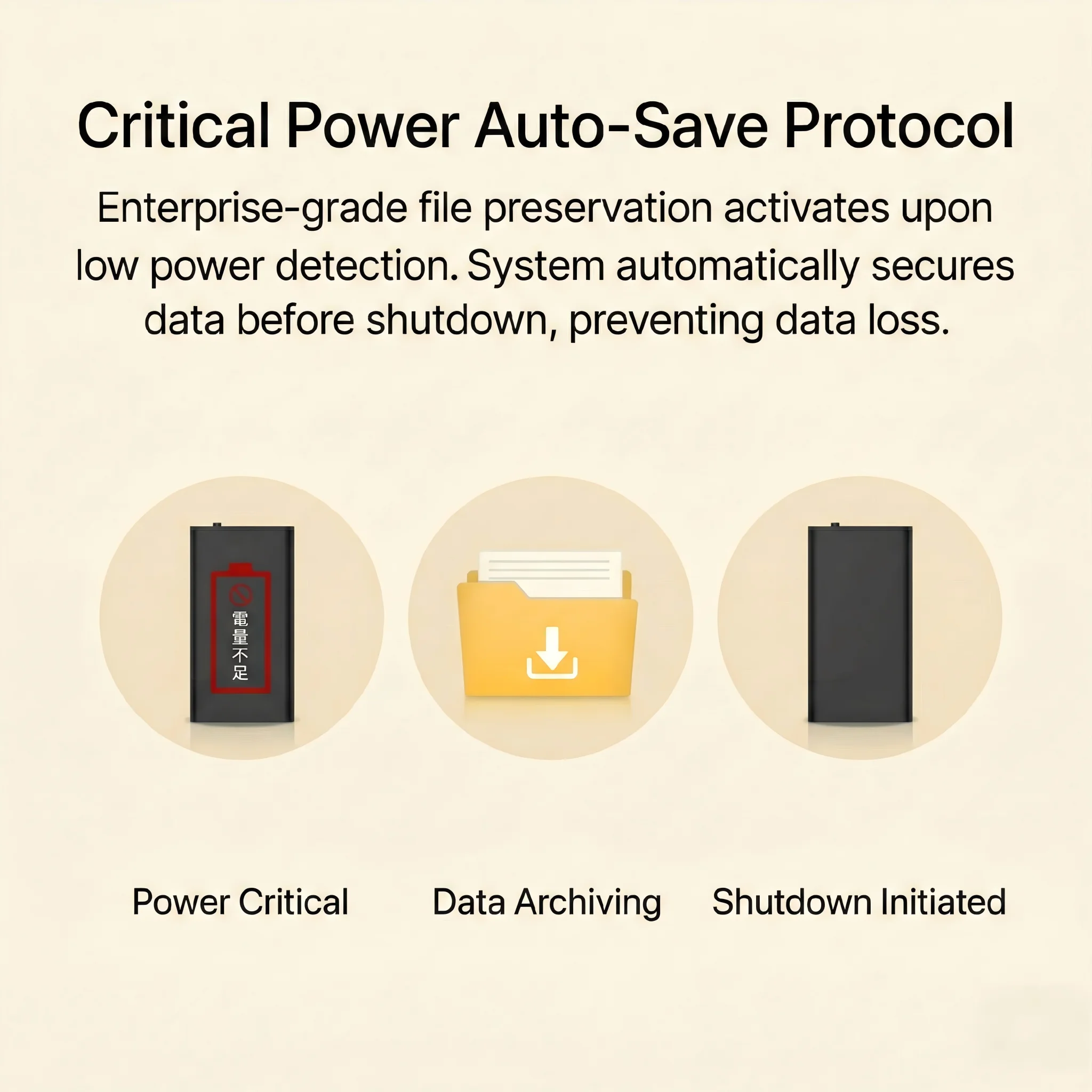
Krok 3: Weryfikacja skrótu (hash). Wygeneruj hash MD5 lub SHA-256 oryginalnego nośnika danych i kopii forensic natychmiast po jej utworzeniu. Hash to matematyczny odcisk palca pliku — jeśli zmieni się choćby jeden bit, hash się zmieni. Zgodne hashe dowodzą, że kopia jest identyczna z oryginałem. Darmowe narzędzia: `md5sum` w systemie Linux/macOS, `certutil -hashfile` w systemie Windows lub HashMyFiles.
Krok 4: Udokumentuj rejestr dostępu. Za każdym razem, gdy nagranie jest udostępniane — do przeglądu, do ujawnienia radcy prawnemu, do przekazania policji — udokumentuj to: data, godzina, kto uzyskał dostęp i w jakim celu. Ten rejestr stanowi dokumentację łańcucha dowodowego.
Krok 5: Przekaż oryginał swojemu adwokatowi. Gdy rozpoczyna się postępowanie prawne, Twój radca prawny potrzebuje oryginalnego, zapieczętowanego nośnika danych, rejestru łańcucha dowodowego oraz wartości hash. Od tego momentu on zajmuje się ujawnianiem.
Kluczowy wniosek: Oryginalna karta SD to Twój najcenniejszy zasób. Zapieczętuj ją natychmiast, utwórz kopię forensic do przeglądu, dokumentuj każdy dostęp. Rejestr łańcucha dowodowego jest równie ważny jak samo nagranie.
Czy dźwięk z ukrytej kamery może być użyty jako dowód?
Nagranie audio dodaje znaczącą wartość dowodową — wideo pokazujące kogoś zabierającego towar z półki jest dowodem czynu; audio z tą osobą mówiącą „Robię to od miesięcy, nikt nigdy nie sprawdza” jest dowodem zarówno czynu, jak i zamiaru.
W Wielkiej Brytanii nie ma ogólnego prawa zabraniającego nagrywania dźwięku rozmów, w których osobiście uczestniczysz. Jeśli jesteś obecny w rozmowie i ją nagrywasz, takie nagranie jest generalnie legalne. Nagrywanie rozmowy, w której nie uczestniczysz — umieszczenie rejestratora w pomieszczeniu, w którym mówią inni bez twojej obecności — znajduje się w szarej strefie prawnej i jest regulowane przez Część 1 RIPA 2000, która reguluje przechwytywanie komunikacji.
W przypadku kamer ukrytych z wbudowanymi mikrofonami umieszczonych w nieruchomości, którą posiadasz lub kontrolujesz: nagrywanie jest zasadniczo zgodne z prawem, jeśli odbywa się w uzasadnionym celu bezpieczeństwa. ICO (Information Commissioner’s Office) zaleca, aby nagrywanie dźwięku w domowych systemach CCTV było szczególnie uzasadnione — rejestruje ono znacznie więcej danych osobowych niż wideo i powinno być stosowane wyłącznie wtedy, gdy jest to konkretnie konieczne.
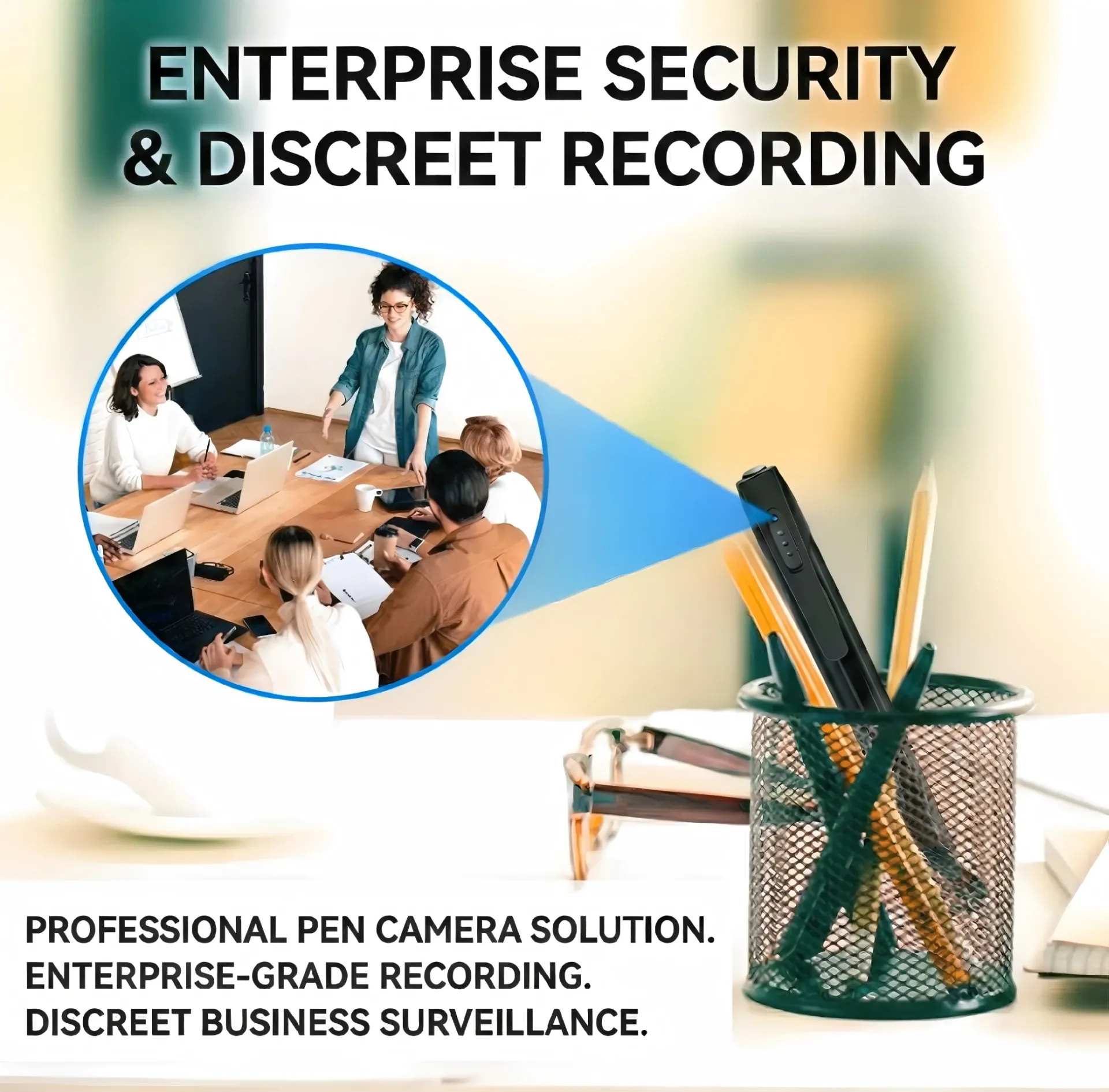
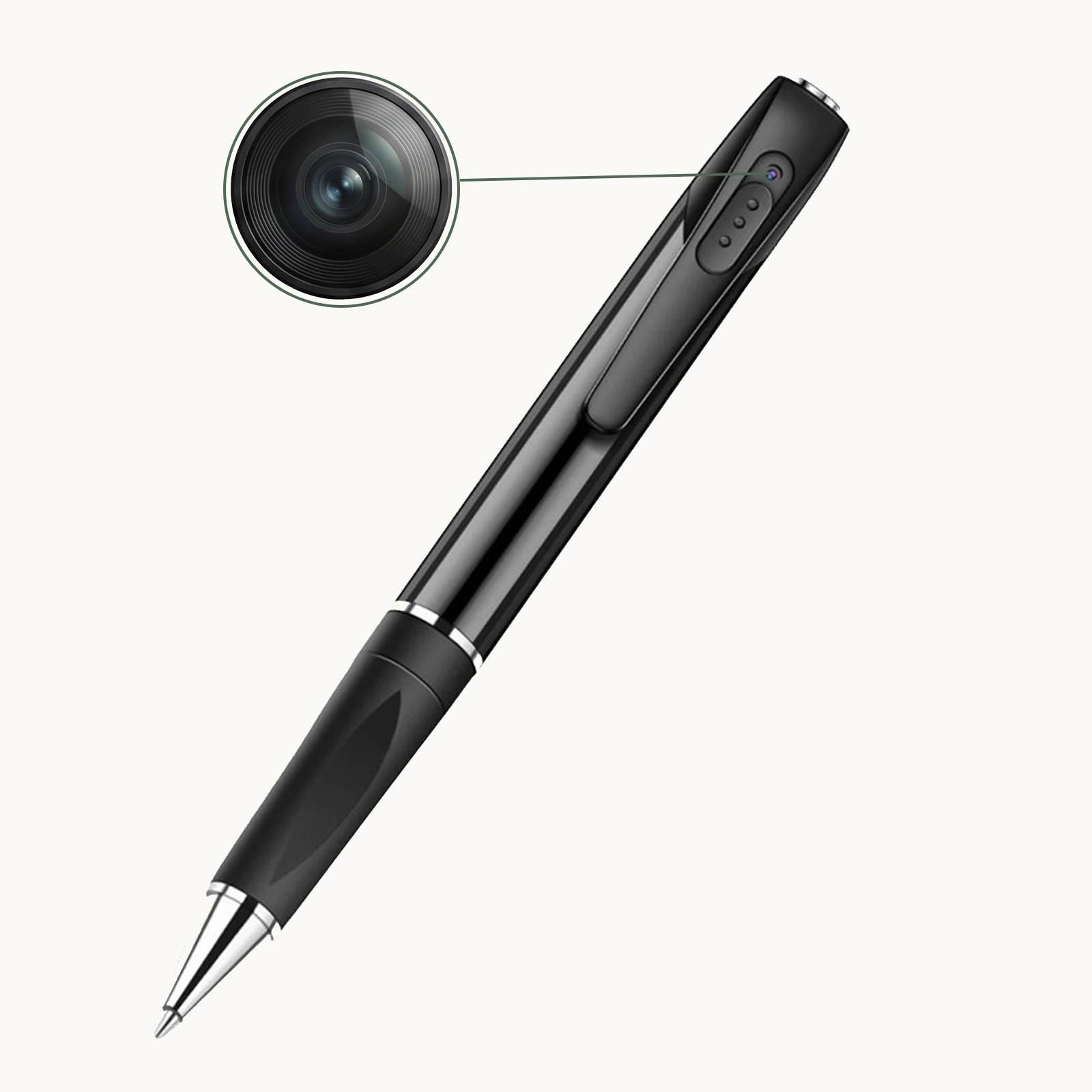
Kamery pióro i dyktafony stanowią odrębną kategorię. Urządzenie takie jak Kamera szpiegowska w długopisie WiFi z dźwiękiem lub A57 WiFi Voice Recorder może rejestrować wypowiedzi uczestnika spotkania w wysokiej rozdzielczości. To, czy powstałe nagranie jest dopuszczalne, zależy od jurysdykcji i kontekstu — w brytyjskich trybunałach pracy ukryte nagrania audio spotkań w miejscu pracy są regularnie dopuszczane jako dowód, a Employment Appeal Tribunal konsekwentnie orzekał, że prywatne nagranie wykonane przez pracownika ze spotkania, w którym uczestniczył, jest dopuszczalne.
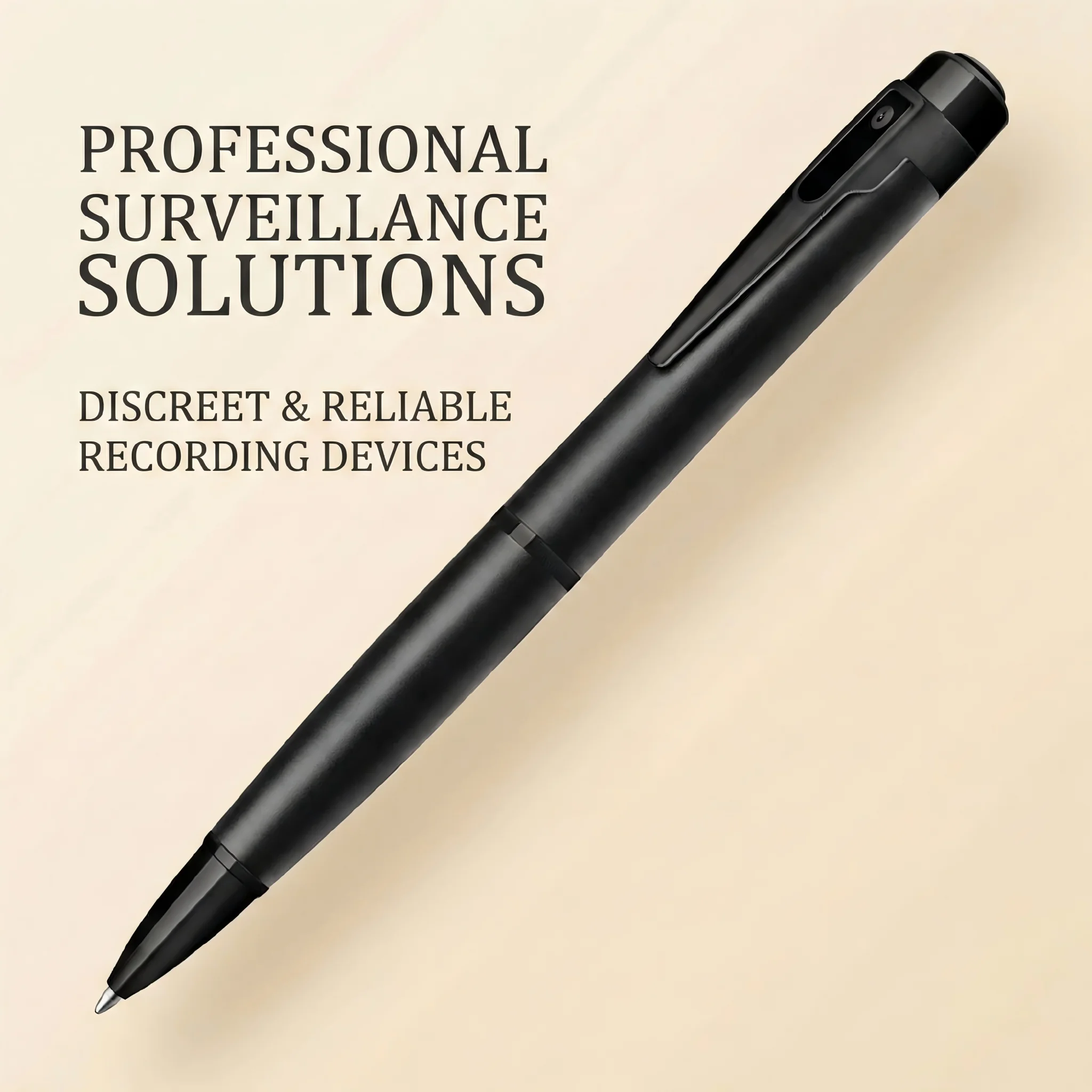
Kluczowy wniosek: Dźwięk z kamer, które posiadasz, w przestrzeniach, które kontrolujesz, jest zasadniczo zgodny z prawem w Wielkiej Brytanii w uzasadnionych celach bezpieczeństwa. Najsilniejszą pozycję prawną daje dźwięk rozmów, w których osobiście uczestniczyłeś. Przed oparciem się na dźwięku z jakiegokolwiek nagrania, w którym nie byłeś obecny, skonsultuj się z radcą prawnym.
Jak przedstawić dowody z ukrytej kamery policji i sądom?
Proces formalnego składania dowodów różni się między postępowaniem karnym a cywilnym.
Zgłaszanie na policję: Przekazując nagranie w ramach zgłoszenia przestępstwa, oficer prowadzący śledztwo przyjmie formalne oświadczenie opisujące, kiedy, gdzie i w jaki sposób uzyskano nagranie. Następnie zastosuje własne procedury forensic w celu wyodrębnienia nagrania. Jeśli zostaniesz o to poproszony, przekaż oryginalny nośnik danych — nie przekazuj wyłącznie kopii. Przed przekazaniem czegokolwiek zachowaj własną kopię.
Postępowanie cywilne (Wielka Brytania): W postępowaniach w sprawie drobnych roszczeń i w sądach hrabstw możesz przedstawić nagranie jako dowód rzeczowy. Musisz załączyć oświadczenie świadka wyjaśniające, kto zainstalował kamerę, kiedy, dlaczego, specyfikację techniczną urządzenia, datę i godzinę nagrania oraz kroki podjęte w ramach łańcucha dowodowego. Samo nagranie jest zwykle przedstawiane na dysku USB z oryginalnym plikiem wraz z wydrukowanym harmonogramem wskazującym odpowiedni znacznik czasu.
Trybunały pracy: Employment Tribunal Practice Direction wymaga ujawnienia wszystkich istotnych dokumentów, w tym nagrań z monitoringu. Musisz ujawnić nagrania wspierające zarówno Twoją sprawę, jak i sprawę strony pozwanej. Wybiórcze ujawnianie wyłącznie korzystnych nagrań i wstrzymywanie niekorzystnych stanowi naruszenie obowiązku ujawnienia, które może skutkować sankcjami kosztowymi.
Biegli świadkowie: W sprawach o wysokiej wartości ekspert ds. informatyki śledczej może uwierzytelnić nagranie, zweryfikować metadane, potwierdzić integralność pliku i dostarczyć raport gotowy dla sądu. Eksperci ds. CCTV i informatyki śledczej są dostępni za pośrednictwem organizacji, w tym listy akredytowanych praktyków Forensic Science Regulator. Ich raport odpowiada na techniczne pytania, które sędzia będzie miał co do autentyczności nagrania.
Kluczowy wniosek: Policja: przekaż oryginał, opisz swój łańcuch dowodowy. Sąd cywilny: napisz szczegółowe oświadczenie świadka wyjaśniające każdy krok. Trybunał pracy: ujawnij wszystkie nagrania, nie tylko te części, które Ci pomagają.
Które typy kamer tworzą nagrania najbardziej gotowe do wykorzystania w sądzie?
Nie wszystkie formaty sprawdzają się równie dobrze do celów dowodowych. Wybór zależy od tego, gdzie nagrywanie ma mieć miejsce i jaki poziom szczegółowości jest wymagany.
Kamery zegarowe (takie jak Z10 WiFi Spy Clock Camera 1080p) są najniezawodniejsze do monitorowania pomieszczeń w stałym punkcie. Umieszczona na półce lub parapecie na wysokości głowy kamera z obiektywem szerokokątnym 120° obejmuje całe pomieszczenie, a zegar na wyświetlaczu zapewnia widoczny, niezależnie weryfikowalny znacznik czasu, który potwierdza osadzone metadane.
Kamery wtykowe (takie jak Ładowarka USB z ukrytą kamerą WiFi 1080P) są idealne do monitorowania określonych obszarów w pomieszczeniach z gniazdami zasilania — biurka, strefy magazynowej, punktu recepcyjnego. Nagrywają w sposób ciągły ze stale zasilanego miejsca, co oznacza brak pominiętych zdarzeń z powodu rozładowania baterii.
Kamery w kształcie długopisu są najlepsze do mobilnego zbierania dowodów — dziennikarz, śledczy lub pracownik, który musi udokumentować spotkanie, kontakt lub transakcję z osobą zainteresowania. Kamera szpiegowska W8 WiFi w długopisie nagrywa wideo 1080p z dźwiękiem i ma pojemność pamięci 32GB.
Kamery Power Bank oferują najdłuższy czas nagrywania niezależny od baterii spośród wszystkich przenośnych formatów. A Power Bank Hidden Camera 1080p może nagrywać przez 6–10 godzin na jedno ładowanie, naturalnie leżąc na biurku lub w torbie — odpowiednie do monitorowania przestrzeni, gdy nie ma wygodnego gniazda zasilania.
| Współczynnik kształtu | Najlepszy przypadek użycia | Rozdzielczość | Bateria/Zasilanie | Dźwięk |
|---|---|---|---|---|
| Kamera zegarowa | Stały monitoring pomieszczenia | 1080p / 4K | Zasilany z sieci | Tak |
| Kamera w gniazdku | Ciągły stały punkt | 1080p | Zasilany z sieci | Tak |
| Kamera w długopisie | Dokumentacja mobilna / ze spotkań | 1080p | Bateria 2–4 godz. | Tak |
| Kamera z power banku | Przenośny monitoring pomieszczeń | 1080p | Bateria 6–10 godz. | Tak |
| Moduł DIY | Instalacja na zamówienie | Do 4K | Różnie | Tak |

Kluczowy wniosek: Do stałego gromadzenia dowodów kamery zegarowe i kamery gniazdkowe zapewniają ciągłe pokrycie i trudniej je zakwestionować na podstawie technicznej. Do mobilnej dokumentacji kamery długopisowe i kamery power bank oferują najlepszą równowagę jakości i ukrycia.
Jakie typowe błędy unieważniają dowody z kamery?
To błędy, które wielokrotnie pojawiają się w sprawach, w których poza tym mocny materiał filmowy został wykluczony lub podważony.
Błąd 1: Nagrywanie w miejscu zabronionym. Umieszczenie kamery w łazience, przebieralni lub w każdej przestrzeni, w której rozsądna osoba oczekuje pełnej prywatności — nawet na własnej posesji — może skutkować zarzutami karnymi na podstawie ustawy Voyeurism (Offences) Act 2019 (Anglia i Walia). Ustawa ta kryminalizuje nagrywanie prywatnych czynności bez zgody, niezależnie od własności nieruchomości.
Błąd 2: Edytowanie nagrania. Każda edycja oryginalnego nagrania — cięcie, kadrowanie, korekcja kolorów, przyspieszanie lub zwalnianie — może zostać zidentyfikowana poprzez analizę metadanych i zostanie zakwestionowana w sądzie. Zawsze przedstawiaj kompletny, nieedytowany plik oryginalny.
Błąd 3: Nieprawidłowa data/godzina. Kamera z nieprawidłowym znacznikiem czasu zegara natychmiast stwarza problem z wiarygodnością. Przed instalacją zweryfikuj ustawienia czasu urządzenia i zsynchronizuj je z wiarygodnym źródłem odniesienia. Kamery połączone z NTP eliminują ten problem automatycznie.
Błąd 4: Brak udokumentowanego kontekstu instalacji. Sądy zapytają: kiedy ta kamera została zainstalowana, przez kogo i dlaczego? Jeśli nie możesz odpowiedzieć na te pytania dokumentacją — nawet prostą notatką dla siebie w momencie instalacji — nagranie brakuje kontekstu i łatwiej je zakwestionować.
Błąd 5: Udostępnianie materiału w mediach społecznościowych. Gdy nagranie zostanie publicznie udostępnione, pojawia się kilka problemów: mogą zostać naruszone prawa do prywatności osób na nim widocznych; nagranie może zostać uznane za dowód nękania, a nie dowód popełnienia czynu zabronionego; a w niektórych jurysdykcjach publikacja może skutkować obrazą sądu, jeśli postępowanie jest w toku lub jest przewidywane. Nigdy nie udostępniaj nagrań z monitoringu online bez porady prawnej.
Kluczowy wniosek: Unikaj łazienek i przebieralni, nigdy nie edytuj oryginałów, zweryfikuj znaczniki czasu przed instalacją, udokumentuj swój cel i nigdy nie publikuj nagrań w internecie przed konsultacją z prawnikiem.
Często zadawane pytania
Czy mogę użyć nagrania z ukrytej kamery, aby zwolnić pracownika w Wielkiej Brytanii?
Tak, brytyjskie trybunały pracy regularnie dopuszczają ukryte nagrania jako dowód w postępowaniach dyscyplinarnych, ale tylko wtedy, gdy nadzór był proporcjonalny do konkretnego, udokumentowanego problemu. Musiałeś mieć uzasadnione podstawy, by podejrzewać niewłaściwe postępowanie przed zainstalowaniem kamery — instalowanie nadzoru specjalnie w celu znalezienia podstaw do zwolnienia nie jest proporcjonalne i może stanowić niesprawiedliwe traktowanie.
Jaka jest najlepsza ukryta kamera do zbierania dowodów, które utrzymają się w sądzie?
Zasilana sieciowo kamera 1080p w zegarze lub gniazdku ze znacznikiem czasu synchronizowanym przez NTP i lokalną pamięcią na karcie SD. Ciągłe źródło zasilania oznacza brak luk w nagraniu spowodowanych awarią baterii, pamięć lokalna trzyma nagrania poza serwerami stron trzecich, a znacznik czasu NTP jest niezwykle trudny do zakwestionowania. Ten Z10 WiFi Spy Clock Camera 1080p spełnia wszystkie te kryteria.
Skąd mam wiedzieć, czy moje ukryte nagranie w Niemczech jest legalne?
W Niemczech nagrywanie prywatnych rozmów bez zgody narusza §201 StGB i podlega karze kryminalnej. Nagrywanie wyłącznie wideo znajduje się w szarej strefie, ale jest rutynowo wykluczane z niemieckich postępowań cywilnych. Jeśli masz konkretne, udokumentowane podejrzenie naruszenia obowiązków pracowniczych, skonsultuj się z niemieckim prawnikiem specjalizującym się w prawie pracy przed zainstalowaniem jakiegokolwiek ukrytego urządzenia. Próg legalnego nadzoru pracodawcy w Niemczech jest znacznie wyższy niż w Wielkiej Brytanii.
Czy nagranie z ukrytej kamery może być jedynym dowodem w sprawie karnej?
Tak — dowody cyfrowe, w tym nagrania ukryte, zostały uznane za wyłączny lub główny dowód w brytyjskich postępowaniach karnych. Nagranie musi być technicznie autentyczne, prawidłowo zabezpieczone i uzyskane w uzasadnionym celu. Policja kryminalistyczna uwierzytelni nagranie przed przedstawieniem go w sądzie.
Czy nagrania z ukrytej kamery wygasają lub stają się bezużyteczne po pewnym czasie?
Sam materiał filmowy nie traci ważności, ale im dłuższa przerwa między nagraniem a wykorzystaniem prawnym, tym większej kontroli podlega łańcuch dowodowy. Dowody przechowywane przez lata bez udokumentowanego rejestru nadzoru będą kwestionowane pod kątem możliwości manipulacji. Zachowaj oryginalne nośniki, dokumentuj każdy dostęp i zaangażuj prawnika, gdy tylko przewidujesz postępowanie prawne.
Zrób właściwy pierwszy krok, zanim coś się stanie
Najlepszy czas na zrozumienie wymogów prawnych dotyczących materiału dowodowego z kamery jest wtedy, gdy jeszcze go nie potrzebujesz. Kamera zainstalowana prawidłowo — właściwa rozdzielczość, właściwa lokalizacja, właściwe ustawienia znacznika czasu, oryginalny plik zachowany od pierwszego dnia — jest gotowa służyć jako dowód w momencie, gdy coś się wydarzy. Kamera zainstalowana bez uwzględnienia tych kwestii pozostawia cię w sytuacji, w której gorączkowo próbujesz wyjaśnić luki, które druga strona wykorzysta.
demontaż ukrytej kamery szpiegowskiej kiedy ładowarka usb nie jest tylko ładowarką 3 QZT Security, dostarczamy profesjonalne ukryte kamery dla firm, śledczych i specjalistów ds. bezpieczeństwa w Wielkiej Brytanii i Europie. Niezależnie od tego, czy potrzebujesz stałej instalacji do ochrony mienia, czy przenośnego rozwiązania do osobistej dokumentacji, nasza oferta produktów obejmuje każdy profesjonalny scenariusz zbierania dowodów. Skontaktuj się z nami już dziś, aby omówić swoje konkretne wymagania.

 English
  Italiano
  Deutsch
  Français
  Español
  Polski