
Why Every Small Business Needs Hidden Cameras in 2026
You cannot run your business from every corner of your premises at the same time. You cannot be at the stockroom door and the shop floor simultaneously. You cannot always be there when a difficult customer makes a false claim, when a cash discrepancy appears, or when the back door is propped open at 11pm. And yet, the moments you are not there are often the moments that matter most.
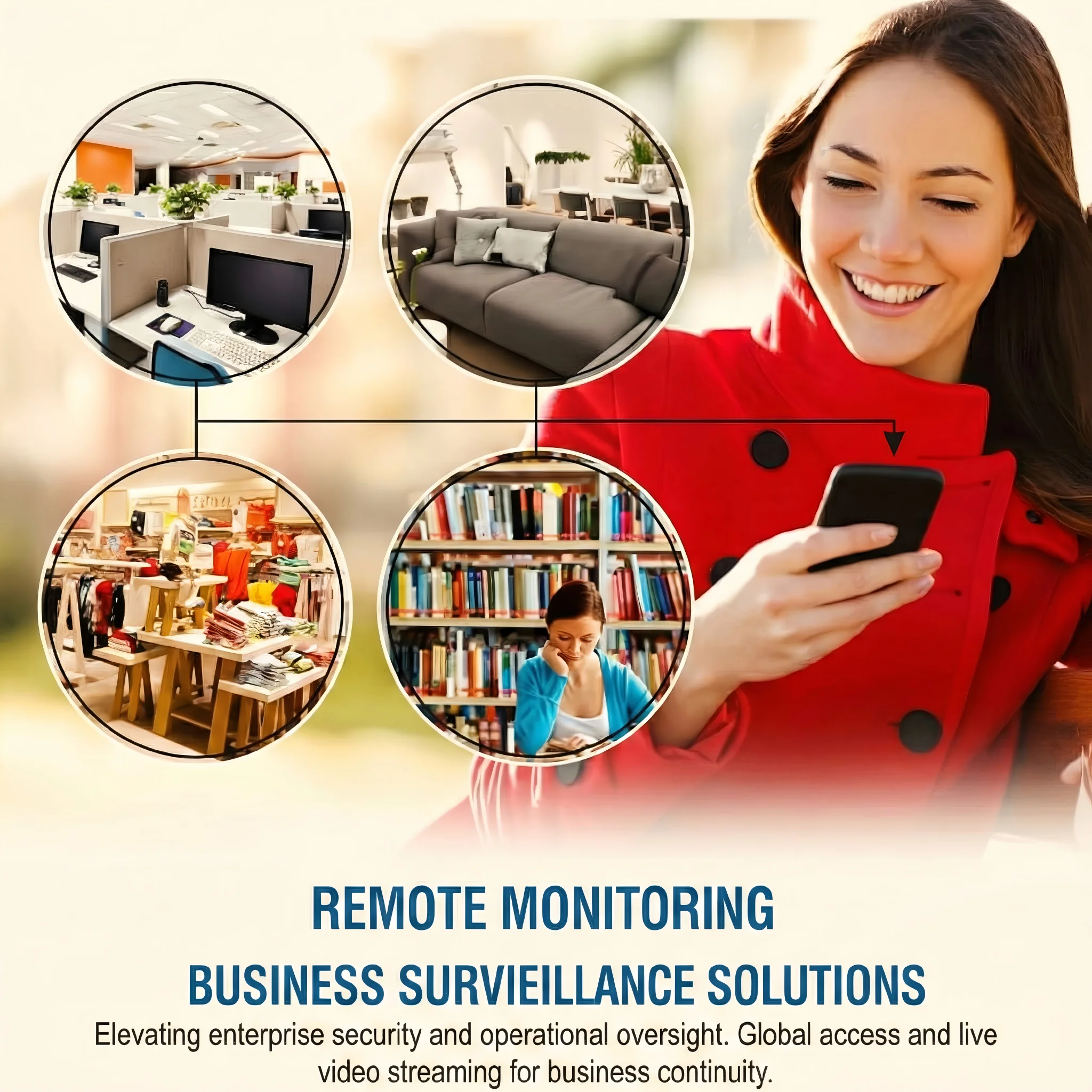
Hidden cameras have moved well beyond the realm of espionage and private investigation. For small businesses in the UK, across Europe, and internationally, they have become a practical, affordable, and increasingly legally straightforward tool for protecting your premises, your people, and your livelihood. This is not about distrusting your team — it is about having objective evidence when the unexpected happens.
The Security Gaps That Visible Cameras Cannot Fill
Most small businesses have some form of CCTV. You have a camera at the entrance. Maybe one covering the till area. Perhaps a wide-angle lens pointed at the shop floor. This is good — visible cameras deter casual opportunistic theft and provide a record of customer-facing incidents. But they have structural blind spots that experienced loss prevention professionals understand well.
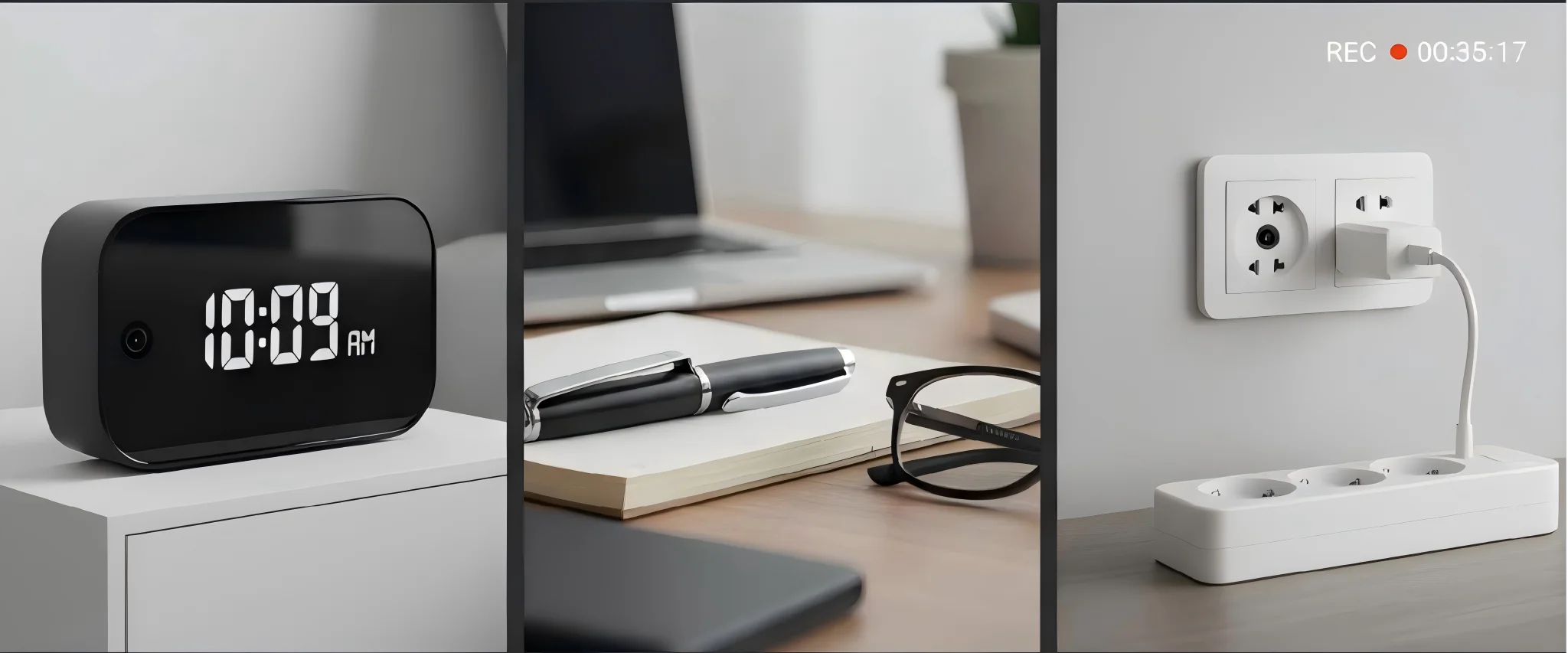
Visible cameras only capture what people expect to be captured. An employee who intends to steal from a till will angle their body away from the lens, position themselves to block the camera’s view of the cash drawer, or wait until a colleague creates a distraction. The camera records what it can — but it cannot see around a deliberate act of concealment.
Hidden cameras fill these gaps precisely because the subject has no idea they are there. They capture natural, unperformed behaviour — the moment cash is palmed, the instance stock is slipped into a bag, the conversation at the back door that should not be happening. That unfiltered footage is the difference between a suspicion and a prosecution.
Beyond theft prevention, hidden cameras also capture incidents that your standard system may have missed: customer falls that were partially obscured, interactions with staff that are later disputed, supplier deliveries where goods are shorted or damaged and the claim later disputed.
What Small Business Owners Actually Lose To (Undetected) Theft
The British Retail Consortium’s annual Crime Survey consistently finds that the average cost of crime per retail premises has risen year on year. But the more insidious problem is not the crime you know about — it is the crime you never discover.
Internal shrinkage — stock and cash lost to employees — accounts for a significant portion of total retail losses. In small businesses where owners rely on a small team, often without formal processes or dual-authorisation controls, the opportunity for internal theft is far greater than in larger organisations with separation of duties.
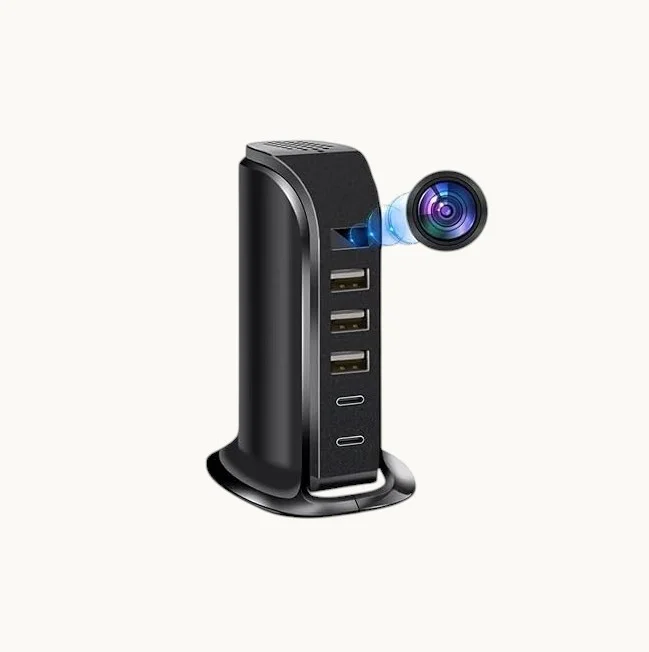
Here is what that looks like in practice for a small business owner:
– A retail shop owner notices stock counts are consistently short. After three months of small discrepancies, the cumulative loss reaches £1,800. No visible cameras caught anything unusual because the employee knew the camera positions.
– A café owner finds their till is £300 short every Friday after the late shift. The employee in question is a trusted long-term staff member. Without evidence, the owner faces an impossible choice between an accusation without proof and writing off the loss.
– A warehouse operator discovers equipment missing after a specific temp worker finished their contract. There was no camera covering the equipment storage area — only the loading bay entrance.
Hidden cameras do not just catch theft after the fact. Their presence changes behaviour. Staff who know cameras exist — even if they do not know where — are measurably less likely to take liberties with inventory, cash, or company time.
How Hidden Cameras Protect You in “He Said, She Said” Disputes
Customer disputes and staff disagreements are part of running any business. When a customer claims they were overcharged, treated rudely, or injured on your premises, and your employee tells a completely different story, you are left with a credibility contest and no objective evidence. In a small business, where relationships matter and turnover is costly, these disputes can escalate into employment tribunals, social media complaints, or small claims actions.
A single camera — positioned at the right angle — can resolve these disputes in minutes instead of months.
The same logic applies to internal staff conflicts. If two employees clash and one accuses the other of threatening behaviour, a hidden camera covering the area provides the factual record you need to make an informed decision. Without it, you are relying on the testimony of people with vested interests — and the outcome may reflect who is more persuasive rather than who is telling the truth.
In the UK, this kind of evidence can be invaluable in employment tribunal proceedings. An employer who can demonstrate they based a disciplinary decision on contemporaneous footage — rather than on rumour or bias — is in a significantly stronger legal position than one relying on witness statements alone.
After-Hours Security: What Happens When You Are Not There
Many small business owners sleep badly on nights when they are not on the premises. Break-ins are an obvious concern. But just as damaging — and far more common — is the authorised person who has access after hours and uses that access inappropriately. Former employees who have not returned keys. Delivery drivers who let themselves into the back of the building. Staff who prop open doors for friends after closing time.
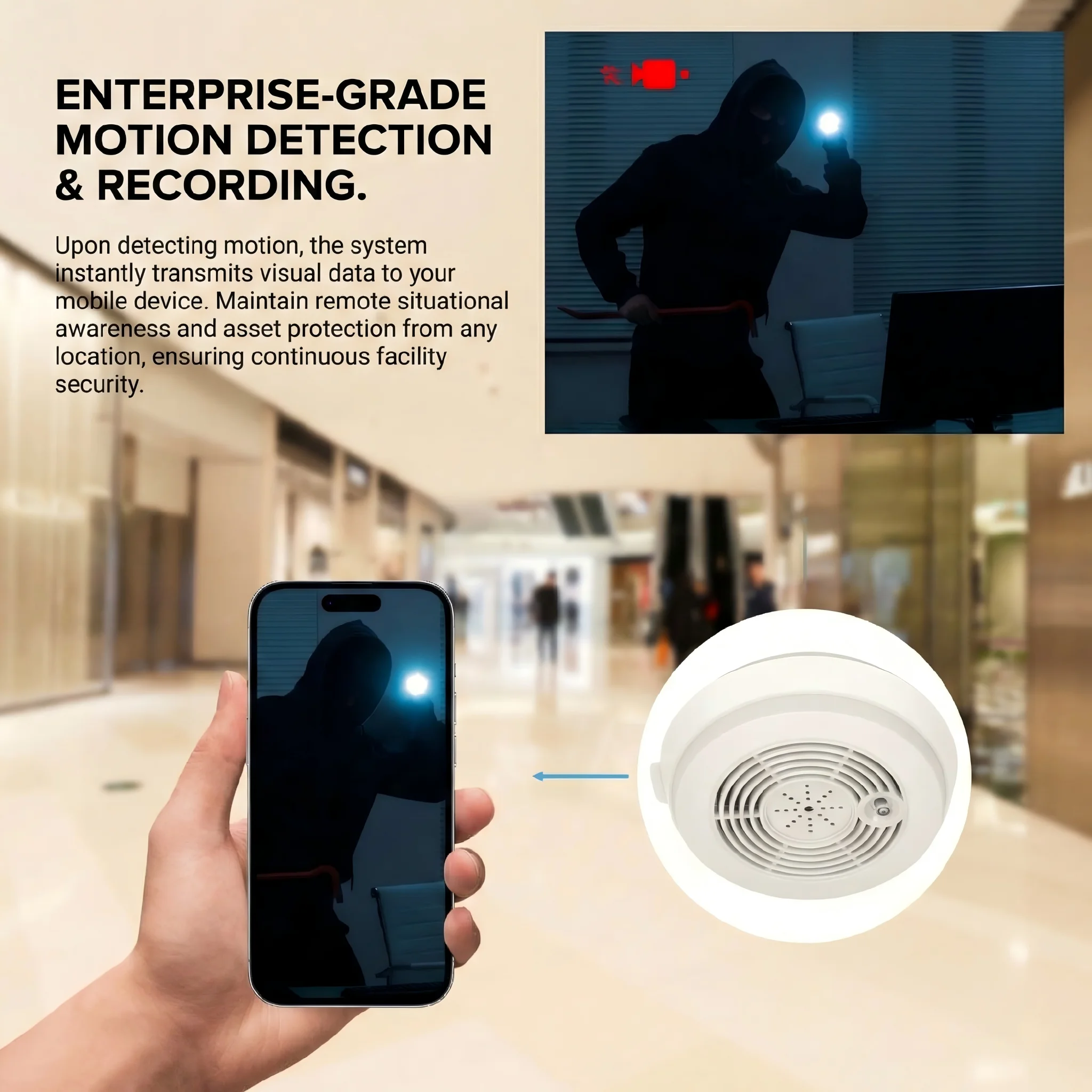
After-hours covert surveillance captures exactly what happens when your business is empty and no one is watching. A camera disguised as a USB wall charger in a back corridor, or a smoke detector camera covering a loading dock, can detect and document:
– Unauthorised entry outside business hours
– Deliberate damage to property or inventory
– Trespassing or squatting by former employees or external parties
– Safety violations (propped fire doors, faulty electrical equipment in use outside permitted hours)
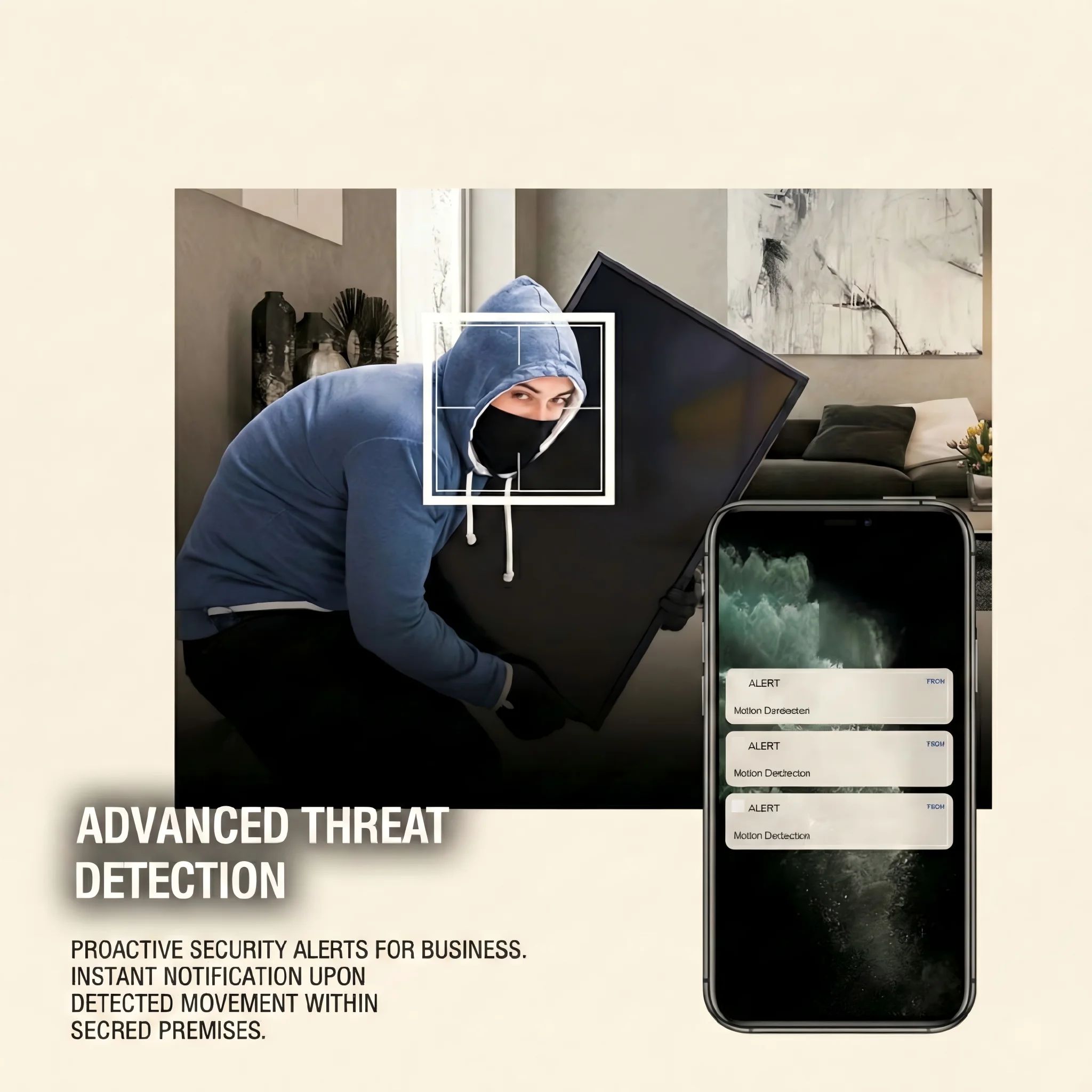
For business owners who travel frequently, own multiple locations, or rely on a small management team to cover opening and closing, remote-access hidden cameras provide live visibility from a smartphone. Wi-Fi enabled models send motion-triggered alerts and allow you to pull footage in real time — meaning you can respond to an incident at 2am without driving to the premises.
Employee Monitoring vs. Employee Trust: Striking the Right Balance
Some small business owners hesitate at this point, worried that hidden cameras signal distrust. This concern is legitimate — and it is worth addressing directly.
The research on workplace surveillance is nuanced. Studies from the Chartered Institute of Personnel and Development (CIPD) consistently find that employees who feel they are excessively or intrusively monitored report lower job satisfaction, reduced organisational commitment, and higher turnover intention. But the same research also finds that employees understand the rationale for security cameras — particularly in customer-facing or cash-handling roles — and do not generally object to their presence provided they feel it is proportionate and applied consistently.
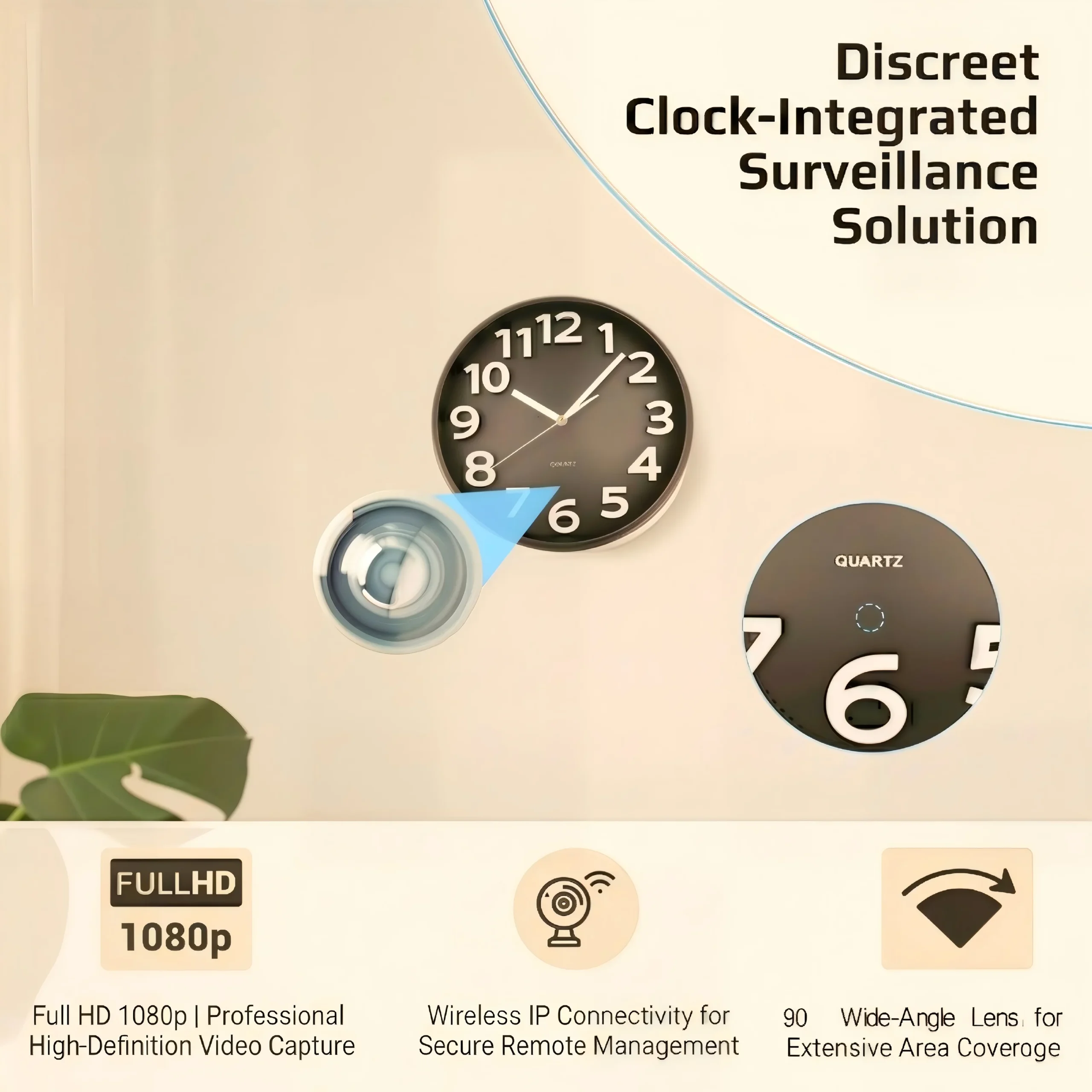
The distinction is transparency about purpose. Hidden cameras used to investigate a specific suspected incident are different from continuous hidden monitoring of every employee at every moment. The former is a targeted investigative tool; the latter is surveillance without legitimate aim, and it is the kind of approach that erodes trust and creates legal liability.
Practical guidance for small businesses:
– Inform employees through your staff handbook or employment contract that CCTV and monitoring are in use in certain areas
– Do not install cameras to monitor routine performance or general attendance — that is not a proportionate use and will create resentment
– Use hidden cameras specifically to investigate documented concerns (loss, dispute, suspicious behaviour) rather than as a blanket monitoring tool
– Document your surveillance policy and ensure it complies with GDPR and your national data protection framework
When done correctly, hidden cameras actually wsparcie a culture of accountability rather than undermining it. Employees who know that standards are being upheld — and that those standards apply equally to everyone — tend to feel more secure in their environment, not less.
GDPR and the Small Business: What You Can and Cannot Record
Data protection law applies to workplace surveillance. Under the UK GDPR and the EU GDPR (which remains in force across member states), footage of identifiable individuals constitutes personal data. This means using hidden cameras triggers data protection obligations — but it does not prohibit covert surveillance outright.
What you can do legally:
– Record in non-private areas of your business (shop floor, stockroom, till area, loading dock, corridors)
– Używanie nagrania w postępowaniu dyscyplinarnym, jeśli posiadasz udokumentowaną prawną podstawę (typowo uzasadniony interes zgodnie z artykułem 6(1)(f))
– Zachować nagrania na czas konkretnego dochodzenia i następnie je usunąć
Co nie wolno robić:
– Nagrywanie w łazienkach, toaletach, przebieralniach lub w każdym miejscu, gdzie osoby mają uzasadnione oczekiwanie prywatności
– Użyj nagrania dla celów innych niż konkretny cel bezpieczeństwa, dla którego zostało zebrane
– Udostępniać nagrania publicznie lub osobom trzecim bez podstawy prawnej
– Zachowaj nagranie bezterminowo — ICO zaleca maksymalnie 30 dni dla rutynowego monitoringu miejsca pracy
Dla małych firm w UK, Kodeks Praktyk Zatrudnienia ICO dostarcza konkretnych wskazówek dotyczących monitoringu w miejscu pracy. Kodeks rozróżnia overt obszar monitorowany (gdzie pracownicy wiedzą, że mogą być nagrywani) i covert monitorowanie (gdzie nie robią tego). Monitorowanie ukryte jest uważane za legalne tylko w ograniczonych sytuacjach — konkretnie gdy podejrzewa się przestępczość i normalne, jawne metody zawiodły lub są mało prawdopodobne do sukcesu.
W Niemczech wymagana jest zgoda rady zakładowej (Betriebsrat) przed wprowadzeniem monitorowania pracowników. W Francji CNIL wymaga uprzedniej informacji pracowników. W Italii DLgs 196/2003 (italijski kodeks ochrony danych) ogranicza monitorowanie w miejscu pracy do tego, co jest ściśle konieczne. Jeśli działasz w wielu jurysdykcjach UE, powinieneś zasięgnąć porady prawnej specyficznej dla jurysdykcji.
Choosing the Right Hidden Camera for Your Business Type
Najlepsza ukryta kamera dla Twojej firmy zależy od trzech zmiennych: obszaru, który musisz monitorować, czy potrzebujesz dostępu zdalnego i warunków oświetlenia.
| Business Type | Zalecana kamera główna | Zalecana kamera dodatkowa |
|---|---|---|
| Sklep | Kamera w kształcie ładowarki USB (obszar kasowy) | Kamera czujnika dymu (magazyn) |
| Kawiarnia / restauracja | Kamera czujnika dymu (kuchnia/lada) | Kamera zegarowa (pomieszczenie socjalne) |
| Magazyn | Kamera w czujniku dymu (na suficie, szeroki widok) | Kamera w power banku (rampa załadunkowa) |
| Biuro / studio | Kamera zegarowa (recepcja/korytarz) | Kamera w ładowarce USB (obszar na biurku) |
| Biznes mobilny / handlowy | Kamera w power banku (magazyn pojazdów/sprzętu) | Kamera w kształcie długopisu (rejestrowanie osobiste) |
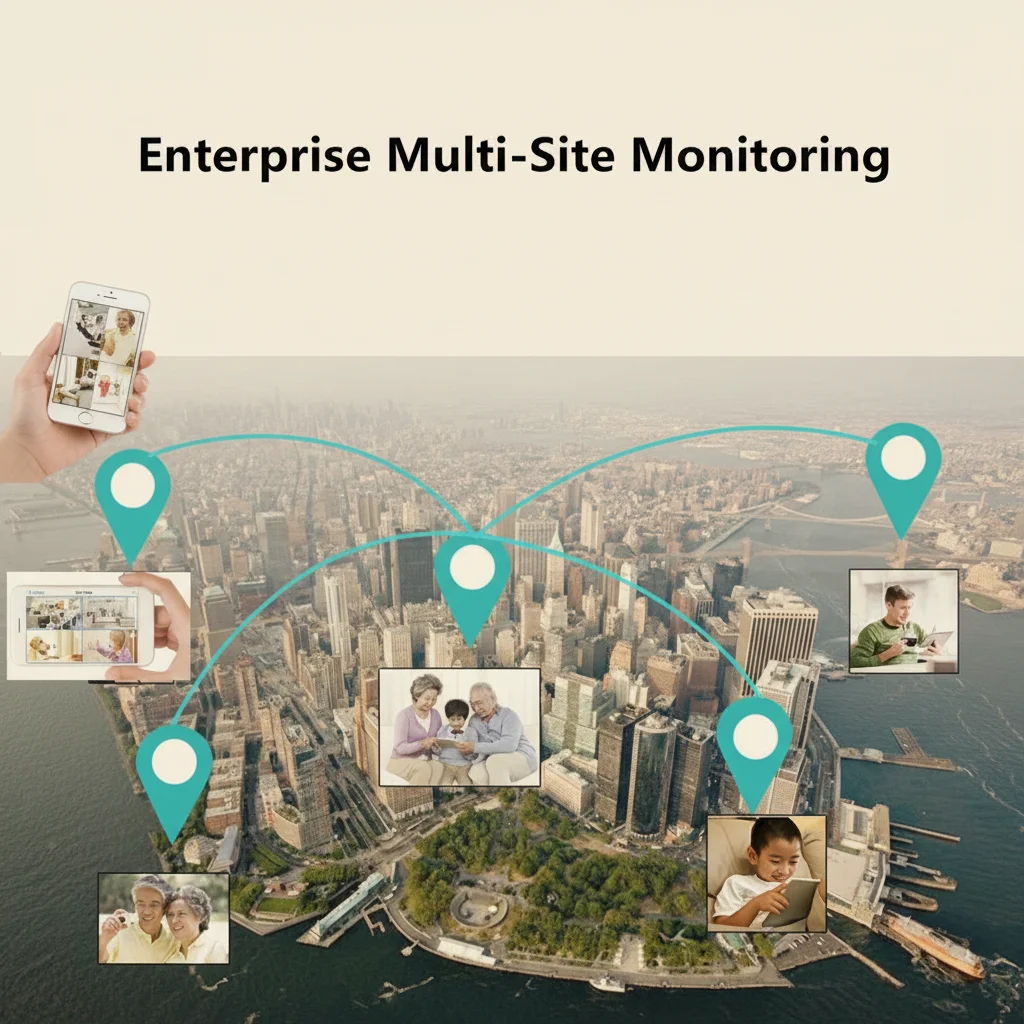
Dla firm potrzebujących monitorowania zdalnego, wszystkie modele z Wi-Fi na platformie QZT obsługują oglądanie na żywo poprzez aplikację i powiadomienia push wyzwalane ruchem — oznacza to, że możesz sprawdzić swoją salę sprzedaży podczas urlopu w Hiszpanii bez konieczności być przy biurku.
Where to Deploy Hidden Cameras for Maximum Coverage
Rozmieść kamery na podstawie ryzyka, nie obszaru monitorowania. Celem jest uchwycenie najważniejszych momentów — czyli skupienie się na strefach z największymi stratami i największymi sporami, a nie rozpraszanie urządzeń.
Uniwersalne strefy priorytetowe dla małych firm:
1. Obszar sprzedaży / obsługi pieniężnej — najwyższe ryzyko kradzieży i sporów
2. Magazyn lub obszar składowania — zmniejszenie zapasów, nieautoryzowany dostęp
3. Punkty wchodzenia i wychodzenia — kto wchodzi i wychodzi, szczególnie po godzinach pracy
4. Doki załadunkowe i tylne drzwi — ryzyko współpracy z osobami zewnętrznymi
5. Pomieszczenia socjalne — kradzież czasu, niewłaściwe użycie sprzętu (gdzie legalnie dozwolone)
Praktyczne zastosowanie dla typowego małego sklepu detalicznego: jeden WiFi Spy Camera USB Charger 1080P w kasie, jedna WiFi Smoke Detector Hidden Camera 1080P w magazynie, oraz jedną Z10 WiFi Spy Clock Camera obszar obejmujący miejsce wchodzenia i wychodzenia.
Często zadawane pytania
Czy w UK mała firma może legalnie używać ukrytych kamer?
Tak, pod warunkami. Zgodnie z wytycznymi ICO, tajne monitorowanie jest dozwolone, gdy istnieje uzasadnione podejrzenie działalności przestępczej i monitorowanie jest konieczne oraz proporcjonalne. Musisz mieć pisemną politykę monitorowania, informować pracowników poprzez umowę o pracę lub podręcznik pracownika, że monitoring odbywa się w określonych obszarach, i nigdy nie należy nagrywać w łazienkach, przebieralniach lub w każdym miejscu, gdzie osoby mają uzasadnione oczekiwanie prywatności. Zasięgnij porady prawnej specyficznej dla swojej jurysdykcji przed instalacją ukrytych kamer.
Jaka ukryta kamera jest najlepsza dla małego sklepu?
The WiFi Spy Camera USB Charger 1080P jest najbardziej wszechstronną opcją dla środowisk sprzedaży. Jest stale zasilana z gniazdka ściennego, nagrywa w 1080P z detekcją ruchu i może być umieszczona bezpośrednio za lub przy obszarze kasowym, gdzie ryzyko kradzieży pieniędzy jest największe. Połącz ją z smoke detector camera dla monitorowania magazynu, aby osiągnąć kompleksowe monitorowanie lokalu handlowego.
Czy ukryte kamery działają w nocy?
Tak — większość nowoczesnych ukrytych kamer ma podczerwień do widzenia nocnego. Szukaj modeli z niewidocznymi diodami IR 940 nm do dyskretnego nagrywania w nocy. Tańsze kamery korzystające ze starszej technologii IR 850 nm emitują słaby czerwony blask widoczny w całkowitej ciemności, co może zaalarmować osoby o obecności kamery. WiFi 1080P Power Bank Hidden Camera zawiera ulepszone widzenie nocne do użytku w środowiskach o słabym oświetleniu.
Czy mogę używać ukrytych kamer, jeśli moi pracownicy są członkami rodziny lub bliskimi przyjaciółmi?
Ram prawnych nie rozróżnia rodzajów stosunków pracy. Jednak stawki interpersonalne są wyższe, gdy badana osoba jest kimś, kogo znasz osobiście. Ukryte kamery dostarczają obiektywnych dowodów potrzebnych do rozwiązania problemu bez konfrontacyjnej rozmowy opartej wyłącznie na podejrzeniach. Nagranie — a nie twoje subiektywne wrażenie — staje się podstawą wszelkich podjętych działań.
Jak uzyskać zdalny dostęp do nagrań z ukrytej kamery?
Modele z Wi-Fi łączą się z routerem 2,4 GHz i przesyłają strumień do aplikacji na smartfonie. Możesz oglądać obraz na żywo, otrzymywać alerty wyzwalane ruchem i przeglądać zapisane nagrania z dowolnego miejsca na świecie. Wszystkie ukryte kamery QZT z Wi-Fi obsługują tę funkcję bez konieczności subskrypcji w chmurze — nagrania są przechowywane lokalnie na karcie microSD, co daje pełną własność danych i unika stałych kosztów abonamentowych.
Prowadzenie małej firmy oznacza akceptację niepewności jako części pracy. Zatrudniasz ludzi, którym ufasz, obsługujesz klientów w dobrej wierze i robisz wszystko, co w twojej mocy, aby zapewnić bezpieczeństwo swoim pomieszczeniom. Jednak samo zaufanie nie jest systemem bezpieczeństwa. Ukryte kamery dają obiektywny zapis, który chroni twój biznes — a gdy są używane uczciwie i zgodnie z prawem, chronią także twoich uczciwych pracowników.
Jeśli potrzebujesz pomocy w wyborze odpowiedniego ukrytego systemu monitoringu dla swojej firmy, Skontaktuj się z nami już dziś. Dostarczamy małym firmom w Wielkiej Brytanii, UE i na arenie międzynarodowej eksperckie wskazówki dotyczące wyboru produktów, strategii rozmieszczenia i zgodności z przepisami prawa.

 English
  Italiano
  Deutsch
  Français
  Español
  Polski