
Guide du distributeur pour sélectionner, déployer et configurer légalement des caméras cachées pour les environnements commerciaux au Royaume-Uni et dans l'Union européenne.
Qu'est-ce qui rend une caméra cachée adaptée à la sécurité des bureaux ?
La surveillance de bureau n'est pas une surveillance domestique à plus grande échelle. Les menaces, les contraintes et les exigences légales sont fondamentalement différentes.
La meilleure caméra cachée pour la sécurité du bureau équilibre quatre facteurs : une dissimulation qui résiste à l'interaction professionnelle quotidienne, une infrastructure d'alimentation qui soutient un fonctionnement continu, une capacité de stockage qui couvre les cycles d'activité complets et une documentation juridique conforme aux directives européennes sur la surveillance sur le lieu de travail.
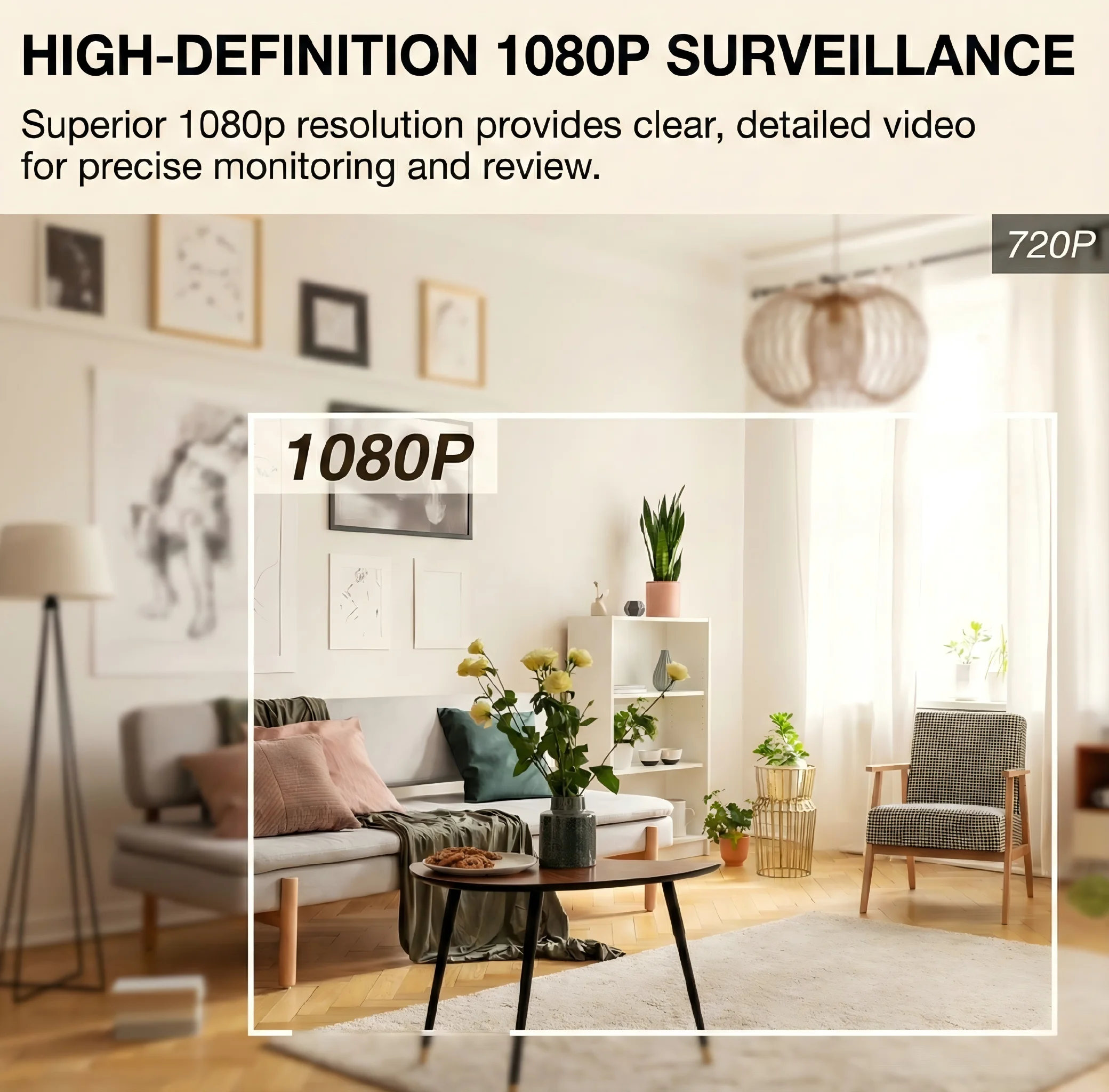
Un chargeur USB avec caméra cachée qui se fond dans un salon peut échouer dans un bureau, car les bureaux ont des normes électriques différentes, des habitudes d'utilisation différentes et des attentes de professionnalisme différentes. Une caméra stylo qui enregistre une nounou à la maison devient une altération de preuves si elle est déployée sur un lieu de travail au Royaume-Uni sans les exigences de notification de la loi sur la protection des données de 2018.
L'environnement de bureau présente des défis techniques spécifiques. Les bureaux ouverts comptent 50 à 100 appareils WiFi qui se disputent le spectre 2,4 GHz — une caméra cachée utilisant la même bande peut subir des coupures de connexion, des pics de latence et des alertes de détection de mouvement manquées. Les salles de réunion ont des parois vitrées qui réfléchissent le rayonnement infrarouge, provoquant de fausses détections de mouvement. Les entrepôts disposent de rayonnages métalliques qui créent des zones mortes RF.
Pour les distributeurs vendant sur le marché corporate européen, la recommandation produit doit tenir compte de ces facteurs environnementaux. Une liste générique des « meilleures caméras cachées » est insuffisante. La recommandation doit préciser quelle caméra fonctionne dans quelle zone de bureau, avec quelle configuration, sous quel cadre juridique.
| Zone de bureau | Défi clé | Caractéristique essentielle de la caméra |
|---|---|---|
| Étage en espace ouvert | Congestion WiFi, examen visuel | Prise en charge du WiFi 5 GHz, format banal |
| Bureau privé | Prises électriques limitées, réunions sensibles | Longue autonomie de batterie ou alimentation par prise, aucun indicateur LED |
| Salle de réunion | Parois vitrées, réflexion infrarouge, confidentialité | PIR au lieu de la détection de mouvement par pixel, priorité au stockage local |
| Zone de réception | Fort passage piéton, visibilité publique | Grand champ de vision (120°+), capacité d'enregistrement continu |
| Entrepôt | Zones mortes RF, poussière, variations de température | Alimentation secteur, boîtier robuste, option antenne externe |
| Salle des serveurs | Interférences EMI, fonctionnement 24h/24 et 7j/7 | Câblage blindé, compatibilité PoE, tolérance thermique |
Point clé à retenir : Les caméras de bureau doivent résister à l'examen professionnel, à la congestion WiFi et à l'inspection juridique — des exigences qui dépassent les spécifications résidentielles.
Bureaux ouverts : des caméras qui résistent à un examen constant
Les bureaux ouverts sont l'environnement le plus difficile pour la surveillance dissimulée. Cinquante employés partagent un espace où chaque objet est sujet à une inspection occasionnelle.
La caméra idéale pour un bureau ouvert est un appareil alimenté par secteur, dans un format si courant que les employés ne remarquent pas sa présence. Les caméras chargeur USB et les caméras prise surpassent les caméras réveil et les détecteurs de fumée dans cet environnement, car les chargeurs et les prises sont des équipements attendus à chaque bureau.

Le hub de chargement USB 5 ports avec caméra WiFi intégrée répond directement au défi des espaces ouverts. Il se pose sur un bureau, fournit une charge USB fonctionnelle aux employés et enregistre un champ de vision de 90 degrés sur 4 à 6 postes de travail. Parce qu'il s'agit d'un chargeur fonctionnel, les employés y branchent leur téléphone quotidiennement — confirmant sa légitimité par un usage répété.
La performance WiFi est le facteur différenciant critique dans les environnements ouverts. La bande 2,4 GHz dans un bureau moderne transporte généralement 30 à 50 appareils actifs, notamment des ordinateurs portables, des téléphones, des imprimantes sans fil, des périphériques Bluetooth et les réseaux des bureaux voisins. Une caméra limitée au 2,4 GHz subira des pertes de paquets, des coupures de connexion et des alertes de mouvement retardées.
La solution technique est le WiFi bi-bande (2,4 GHz + 5 GHz) avec sélection automatique de la bande. La bande 5 GHz offre 23 canaux non chevauchants contre 3 dans la bande 2,4 GHz, réduisant considérablement les interférences. En pratique, une caméra bi-bande maintient un streaming stable dans des environnements où une caméra mono-bande se déconnecte toutes les 10 à 15 minutes.
La détection de mouvement dans les bureaux ouverts nécessite un calibrage de sensibilité. La détection de mouvement standard basée sur les pixels se déclenche à tout changement visuel — y compris les collègues qui passent, les reflets des fenêtres et le scintillement des écrans. Les caméras avancées offrent un masquage par zones, permettant à l'administrateur d'exclure les allées à fort passage tout en surveillant des groupes de bureaux spécifiques. La détection PIR (infrarouge passif) est préférable dans les environnements ouverts car elle réagit à la chaleur corporelle plutôt qu'au mouvement visuel, éliminant les faux déclenchements dus aux écrans, aux rideaux et aux phares de véhicules à travers les fenêtres.
| Fonctionnalité | Exigence d'espace ouvert | Pourquoi c'est important |
|---|---|---|
| Facteur de forme | Objet fonctionnel de bureau (chargeur, hub, horloge) | Résiste à l'interaction quotidienne sans éveiller les soupçons |
| Wi-Fi | Double bande 2,4/5GHz | Évite les déconnexions dues à la congestion |
| Activer l'enregistrement en boucle | PIR ou pixel masqué par zone | Réduit les fausses alertes dues au trafic passant |
| Stockage | SD local + cloud en option | Assure la continuité en cas de coupure réseau |
| Audio | Désactivable ou commutable par logiciel | Évite les violations du consentement de toutes les parties dans l'UE |
| Pouvoir | Secteur ou batterie haute capacité | Prend en charge une journée de travail de 8 heures et plus |
Point clé à retenir : Les caméras chargeur USB et prise murale passent inaperçues dans un espace ouvert, car les employés confirment leur fonctionnalité quotidiennement par un usage normal.
Salles de réunion : quand la confidentialité rencontre la surveillance
Les salles de réunion présentent la contradiction la plus flagrante en matière de sécurité des bureaux. C'est là que se prennent les décisions sensibles — et où la surveillance est le plus légalement restreinte.
Les caméras de salle de réunion nécessitent une priorité au stockage local (pas dans le cloud), un déclenchement basé sur le PIR (pas sur le mouvement de pixels) et une désactivation explicite de l'audio. Les caméras connectées au cloud dans les salles de réunion créent des risques de non-conformité à l'article 32 du RGPD, car les images de discussions stratégiques peuvent être stockées sur des serveurs en dehors de l'UE.
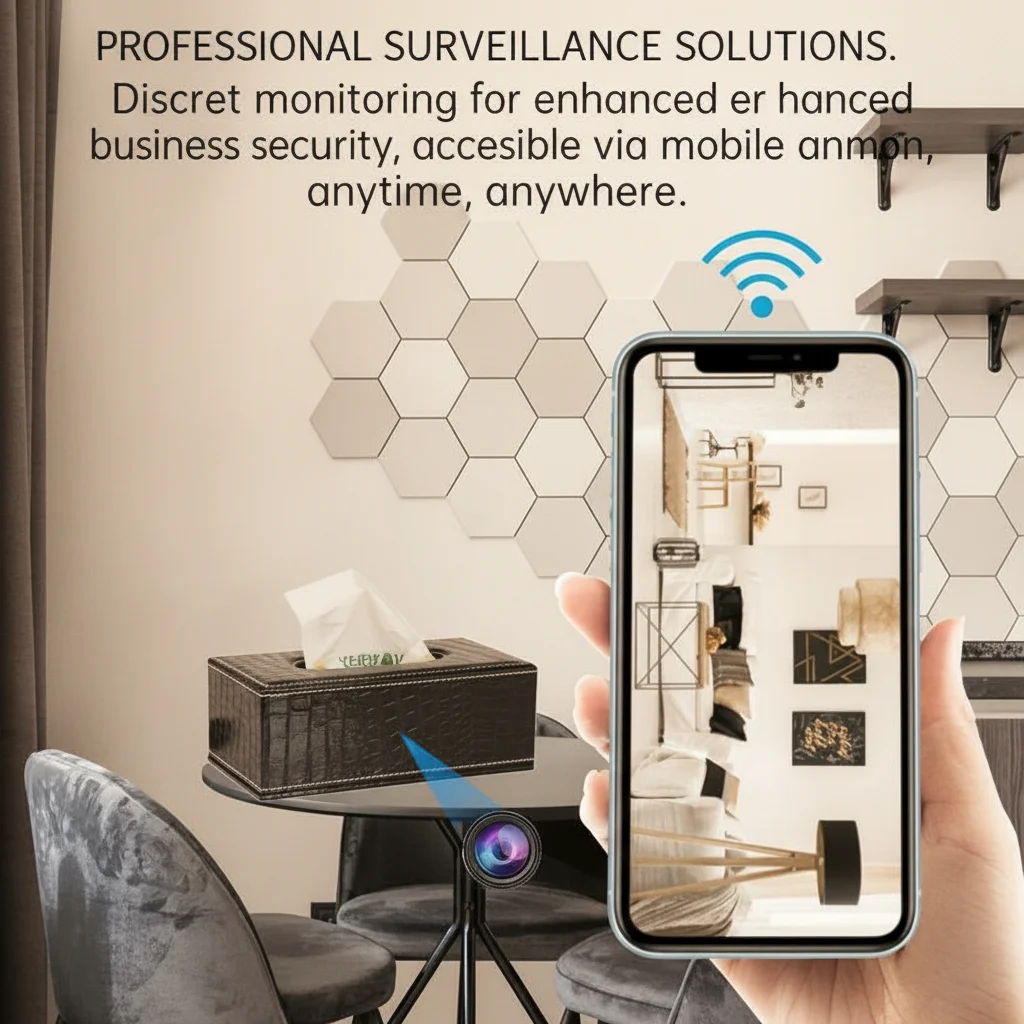
La caméra boîte à mouchoirs est le format optimal pour une salle de réunion. Les boîtes à mouchoirs sont universellement présentes dans les salles de réunion, positionnées sur les tables centrales avec une vue dégagée sur tous les participants. Elles sont manipulées fréquemment — les employés prennent des mouchoirs pendant les discussions — mais jamais inspectées de près. Le boîtier de la boîte accueille une batterie de 3 000 à 5 000 mAh suffisante pour un enregistrement déclenché par PIR pendant toute la journée, ou un enregistrement continu lorsqu'elle est alimentée par secteur via un câble dissimulé.
Le stockage local est indispensable pour un déploiement en salle de réunion. L'article 32 du RGPD exige une « sécurité appropriée » pour le traitement des données personnelles. Stocker des séquences de discussions du conseil, de réunions disciplinaires RH ou de négociations de fusions-acquisitions sur des serveurs AWS US-East ne répond pas à cette norme pour la plupart des organisations de l'UE. Les caméras avec stockage local microSD de 128 Go — contenant plus de 200 heures de séquences 1080p — éliminent totalement la question de la conformité cloud.
Le déclenchement PIR est essentiel car les salles de réunion ont des parois vitrées. La détection de mouvement par pixels standard interprète les reflets du trafic passant dans le couloir comme des événements de mouvement, générant des centaines de fausses alertes par jour. Les capteurs PIR ne réagissent qu'au rayonnement infrarouge des corps chauds dans la pièce, ignorant les reflets et les ombres.
L'enregistrement audio en salle de réunion est juridiquement risqué dans toute l'UE. En Allemagne, le Betriebsrat (comité d'entreprise) doit approuver tout enregistrement audio sur le lieu de travail. En France, la CNIL exige le consentement explicite de tous les participants. Au Royaume-Uni, l'Investigatory Powers Act 2016 impose des limites strictes à l'interception des communications. La valeur sûre par défaut est la désactivation de l'audio — soit le retrait matériel du module microphone, soit la désactivation au niveau du firmware avec protection par mot de passe.
| Exigence | Norme pour salle de réunion | Base juridique |
|---|---|---|
| Stockage | Carte SD locale, sans cloud | Sécurité des données selon l'article 32 du RGPD |
| Déclencheur | PIR uniquement, pas de détection de mouvement par pixel | Réduit les fausses alertes dues aux reflets sur les vitres |
| Audio | Désactivé par défaut | Betriebsrat (DE), CNIL (FR), IPA 2016 (UK) |
| Contrôle d'accès | Lecture protégée par mot de passe | RGPD Article 5(1)(f) intégrité/confidentialité |
| Rétention | 30-90 jours maximum | Limitation de conservation — Article 5(1)(e) du RGPD |
| Notification | Signalétique à l'entrée de la salle | DPA 2018 (Royaume-Uni), BDSG (Allemagne) transparence sur le lieu de travail |
Point clé à retenir : Les caméras de salle de réunion doivent privilégier le stockage local, le déclenchement PIR et la désactivation audio — tant sur le plan technique que juridique.
Entrepôts et espaces industriels : des exigences de robustesse
La surveillance d'entrepôt opère dans un environnement qui détruit les caméras grand public en quelques mois.
Les caméras cachées pour entrepôts nécessitent une étanchéité à la poussière (minimum IP54), une tolérance aux températures (-10 °C à 50 °C), une résistance aux vibrations et une alimentation secteur. Les caméras sur batterie échouent dans les entrepôts car les variations de température dégradent la capacité Li-Po de 30 à 50 % en quelques semaines.

La caméra prise est le format logique pour un entrepôt. Les murs d'entrepôt disposent de prises industrielles tous les 5 à 10 mètres pour la recharge des chariots élévateurs, les outils électriques et l'éclairage. Une caméra prise remplace une plaque de prise existante, tirant une alimentation continue du secteur tout en offrant des prises fonctionnelles pour l'équipement. Le format est si anodin que le personnel d'entrepôt ne remarque pas sa présence — pourtant elle assure un enregistrement 24h/24 et 7j/7 sans entretien de batterie.
La poussière est le principal mode de défaillance des caméras d'entrepôt. Les caméras grand public classées IP20 (sans protection contre la poussière) accumulent des particules sur les lentilles et les évents de refroidissement en quelques semaines. Les caméras de qualité industrielle nécessitent au moins une certification IP54 (protégées contre la poussière, résistantes aux éclaboussures) pour une durabilité en entrepôt. La lentille encastrée de la caméra prise, située derrière la plaque de prise, offre une protection intrinsèque contre la poussière sans nécessiter de boîtier scellé séparé.
La tolérance à la température est tout aussi critique. Les entrepôts en Europe du Sud atteignent 45-50C en été. Les entrepôts frigorifiques fonctionnent à -20C. Les batteries Li-Polymer perdent 50 % de leur capacité à -10C et se dégradent de façon permanente à 50C. Les caméras alimentées par secteur contournent entièrement le problème de température.
Les vibrations des chariots élévateurs, des systèmes de convoyage et des quais de chargement desserrent les joints de soudure des caméras standard. Les caméras de qualité industrielle utilisent des PCB à revêtement conforme et des capteurs montés sur amortisseurs. La fixation rigide de la caméra à prise murale offre une stabilité structurelle que les caméras posées sur un bureau ne peuvent égaler.
| Facteur environnemental | Condition d'entrepôt | Exigence de caméra |
|---|---|---|
| Poussière | Particules élevées (carton, emballage) | IP54 minimum, objectif scellé |
| Température | Variations saisonnières de -10 °C à 50 °C | Alimentation secteur (pas de dégradation de la batterie) |
| Vibration | Chariots élévateurs, convoyeurs, chargement | Fixation murale rigide, revêtement conforme |
| Portée WiFi | 50-200 m du point d'accès le plus proche | Antenne externe ou relais maillé |
| Éclairage | Fluorescent/LED, couverture inégale | Capteur WDR, minimum 0,1 lux |
| Pouvoir | Prises industrielles 16A disponibles | Caméra prise ou installation filaire directe |
Point clé à retenir : Les caméras d'entrepôt doivent être alimentées sur secteur, étanches à la poussière et résistantes aux températures — les appareils grand public tombent en panne en quelques semaines dans les environnements industriels.
Conformité légale : Lois britanniques et européennes sur la surveillance des lieux de travail
La pertinence technique n'a aucun sens sans conformité juridique. La surveillance sur le lieu de travail au Royaume-Uni et dans l'UE est encadrée par certains des cadres les plus stricts au monde.
Les employeurs ne peuvent installer des caméras de surveillance sur les lieux de travail au Royaume-Uni et dans l'UE qu'avec une notification préalable, une documentation de l'objectif légitime et une évaluation de proportionnalité. L'enregistrement audio nécessite des mécanismes de consentement supplémentaires dans la plupart des juridictions. L'installation dissimulée n'est autorisée que dans des circonstances exceptionnelles impliquant une suspicion d'activité criminelle.
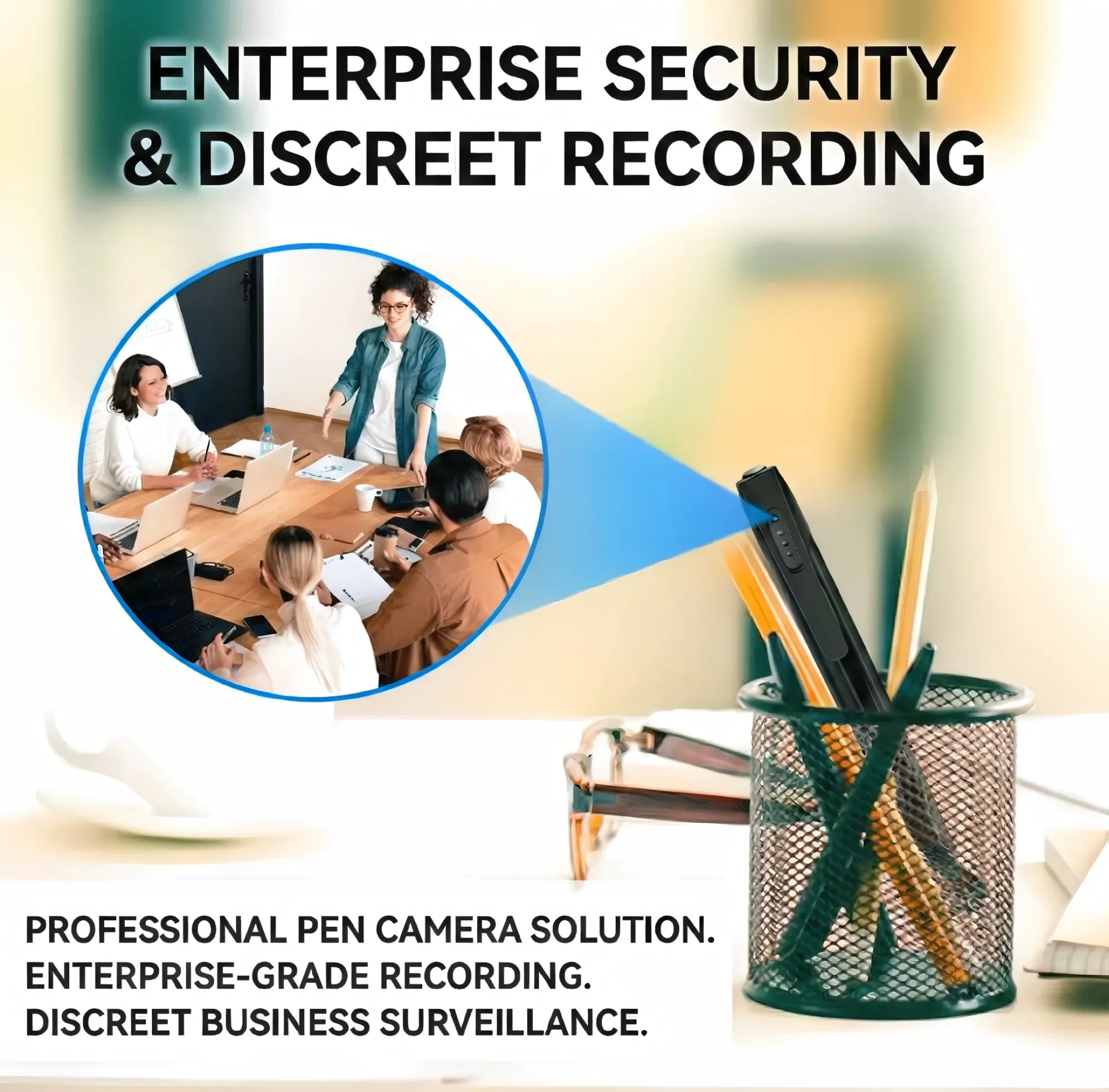
Le Data Protection Act 2018 du Royaume-Uni (mettant en œuvre le RGPD) exige que la surveillance sur le lieu de travail soit « nécessaire et proportionnée ». Cela signifie que l'employeur doit documenter un risque spécifique — vol, vandalisme, accès non autorisé — qui justifie l'atteinte à la vie privée des employés. La surveillance générale « pour voir ce que font les employés » ne répond pas à cette norme. L'Information Commissioner's Office (ICO) a publié des directives spécifiques : les caméras ne doivent pas être positionnées pour capturer des zones où les employés ont une attente raisonnable de vie privée, telles que les salles de pause, les salles de prière ou les vestiaires.
L'Allemagne ajoute une couche d'approbation du comité d'entreprise. En vertu de la Betriebsverfassungsgesetz (BetrVG), toute surveillance sur le lieu de travail susceptible d'affecter le comportement des employés nécessite l'approbation du Betriebsrat (comité d'entreprise). En pratique, cela signifie que pratiquement toutes les installations de caméras nécessitent le consentement du Betriebsrat. Le processus prend généralement 4 à 8 semaines et nécessite un document de justification détaillé. Les caméras installées sans l'approbation du Betriebsrat peuvent être ordonnées retirées par un Arbeitsgericht (tribunal du travail).
La France exige une déclaration préalable à la CNIL (Commission Nationale de l'Informatique et des Libertés) pour tout système de surveillance des lieux de travail. La déclaration comprend les positions des caméras, les périodes de conservation, les contrôles d'accès et les mesures de protection des données. Le défaut de déclaration est passible d'amendes allant jusqu'à 20 millions d'euros ou 4 % du chiffre d'affaires mondial — le montant le plus élevé étant retenu.
Pour les distributeurs, la charge de conformité repose sur la documentation. Chaque caméra expédiée à un revendeur de lieux de travail au Royaume-Uni ou dans l'UE doit inclure :
1. Une liste de contrôle de conformité pour la surveillance sur le lieu de travail (notification, signalisation, conservation)
2. Un guide de désactivation audio (avec exigences de consentement spécifiques à la juridiction)
3. Un modèle d'analyse d'impact relative à la protection des données
4. Un modèle de lettre d'approbation du comité d'entreprise (pour le marché allemand)
5. Un document d'orientation sur la déclaration CNIL (pour le marché français)
| Juridiction | Exigence clé | Sanctions en cas de non-conformité |
|---|---|---|
| UK | Notification à l'ICO, évaluation de proportionnalité | Jusqu'à 17,5 millions de livres sterling ou 4 % du chiffre d'affaires mondial |
| Allemagne | Approbation du Betriebsrat (BetrVG) | Ordonnance de retrait par le tribunal du travail |
| France | Déclaration préalable à la CNIL | Jusqu'à 20 millions d'euros ou 4 % du chiffre d'affaires mondial |
| Italie | Notification au Garante, Statut des travailleurs Art. 4 | Amendes administratives, responsabilité pénale |
| Espagne | Notification AEPD, convention collective | Amendes jusqu'à 20 millions d'euros |
| À l'échelle de l'UE | AIPD — Article 35 du RGPD en cas de risque élevé | Jusqu'à 20 millions d'euros ou 4 % du chiffre d'affaires mondial |
Point clé à retenir : Le déploiement de caméras sur le lieu de travail exige une documentation juridique qui varie selon la juridiction — les distributeurs doivent fournir des modèles de conformité, pas seulement du matériel.
La gamme de produits de sécurité pour bureaux QZT
L'analyse précédente établit les exigences. Voici comment les produits QZT y répondent.
Les caméras adaptées aux bureaux de QZT se répartissent en trois formats : le hub chargeur USB 5 ports pour les environnements ouverts, la caméra à prise S3 pour les entrepôts et installations permanentes, et la caméra stylo W10 pour un usage professionnel mobile. Chacune inclut une documentation conforme aux normes de l'UE et une capacité de désactivation audio.
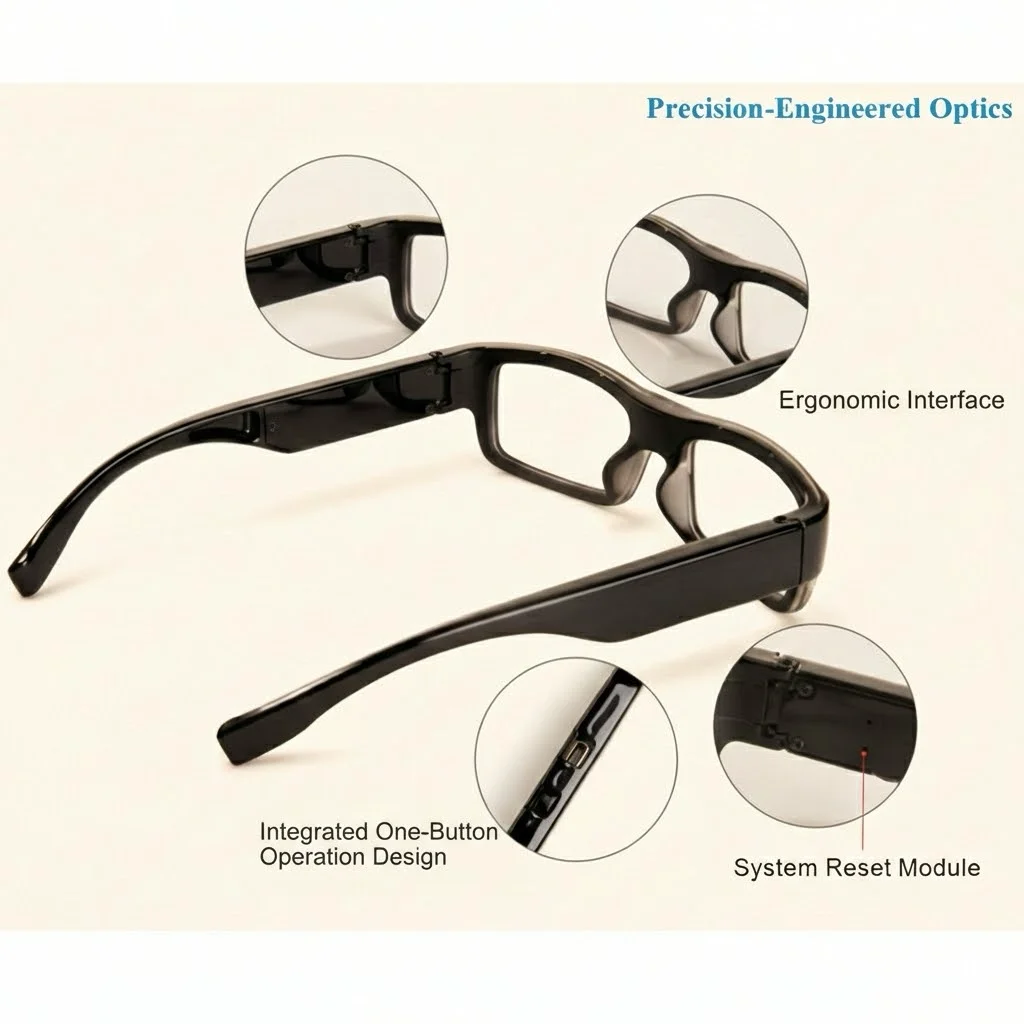
La caméra hub chargeur USB 5 ports répond au défi des espaces ouverts avec un WiFi double bande (2,4/5GHz), un champ de vision de 90 degrés et une charge USB fonctionnelle qui confirme sa légitimité. Elle enregistre sur microSD locale (jusqu'à 128GB) avec sauvegarde cloud chiffrée en option. Le module audio est commutable par logiciel avec protection par mot de passe — activé pour les juridictions autorisant le consentement unilatéral, désactivé pour les juridictions à consentement de toutes les parties.
La caméra prise S3 est la référence pour les entrepôts et le milieu industriel. Elle remplace une plaque de prise Schuko européenne standard, offrant deux prises 16A fonctionnelles tout en enregistrant en continu grâce à l'alimentation secteur. Le boîtier équivalent IP54 protège contre la poussière et les éclaboussures d'eau. La plage de température de fonctionnement est de -10°C à 55°C — suffisante pour les entrepôts non chauffés à travers l'Europe. L'absence de batterie signifie aucune dégradation liée à la température, aucun cycle de charge et aucun entretien.
La caméra stylo W10 s'adresse au marché des professionnels mobiles — enquêteurs, responsables de la conformité et consultants en sécurité qui ont besoin d'une capacité d'enregistrement lors de visites de sites. Le capteur 1080p/30fps capture 75 minutes de séquences continues sur une charge complète. Le microphone intégré est commutable par matériel via un interrupteur encastré — activant l'enregistrement audio dans les juridictions à consentement unilatéral et le désactivant pour les environnements à consentement de toutes les parties.
La caméra horloge Z10 occupe la niche des salles de réunion. Sa fonction d'horloge réelle assure un affichage continu de l'heure tandis que la caméra déclenchée par PIR n'enregistre que lorsque de la chaleur corporelle est détectée. Le stockage local élimine les préoccupations de conformité liées au cloud. Le module audio est retiré en usine pour les variantes destinées au marché de l'UE, garantissant ainsi aucune capture audio accidentelle dans les juridictions où le consentement est requis.
| Modèle QZT | Meilleure zone de bureau | Caractéristique de conformité clé | Source d'alimentation |
|---|---|---|---|
| Hub chargeur USB 5 ports | Bureaux en open space | WiFi double bande, masquage de zone | Secteur |
| Caméra socket S3 | Entrepôt/industriel | Équivalent IP54, de -10 °C à 55 °C | Secteur |
| Caméra Stylo W10 | Professionnel mobile | Interrupteur audio matériel | Batterie (75 min) |
| Caméra horloge Z10 | Salles de réunion | Pas de module audio (variante UE), PIR | Batterie/secteur |
Point clé à retenir : Les produits QZT sont configurés pour des zones de bureau spécifiques avec des fonctionnalités de conformité adaptées à la juridiction — ce ne sont pas des caméras génériques réétiquetées pour un usage professionnel.
Questions fréquemment posées
Puis-je installer une caméra cachée dans mon bureau au Royaume-Uni sans en informer les employés ?
Non. La loi britannique exige une notification et une signalisation. L'installation dissimulée n'est autorisée que dans des circonstances spécifiques impliquant une activité criminelle présumée, et même dans ce cas, elle nécessite une justification documentée en vertu du RIPA 2000 ou du DPA 2018.
Ai-je besoin de l'approbation du comité d'entreprise pour les caméras en Allemagne ?
Oui, dans pratiquement tous les cas. Le Betriebsverfassungsgesetz exige l'approbation du comité d'entreprise pour toute mesure susceptible d'affecter le comportement des employés. Cela inclut les systèmes de vidéosurveillance, de contrôle d'accès et de suivi du temps. Le processus d'approbation prend 4 à 8 semaines.
L'enregistrement audio est-il légal dans les lieux de travail de l'UE ?
Généralement non. La plupart des juridictions de l'UE exigent le consentement de toutes les parties pour l'enregistrement audio sur les lieux de travail. L'Allemagne, la France et l'Italie ont des restrictions spécifiques. L'option la plus sûre par défaut est la désactivation audio, sauf si un conseil juridique local confirme que des mécanismes de consentement sont en place.
Combien de temps dois-je conserver les images de surveillance en milieu professionnel ?
L'article 5(1)(e) du RGPD exige que les données ne soient pas conservées plus longtemps que nécessaire. Les recommandations de l'ICO suggèrent 30 jours pour la sécurité générale, prolongeables à 90 jours si les images sont nécessaires pour une enquête en cours. Une conservation au-delà de 90 jours nécessite une justification spécifique.
Puis-je utiliser des caméras grand public pour la surveillance de bureau ?
Techniquement oui, mais pratiquement risqué. Les caméras grand public manquent de la tolérance thermique, de l'étanchéité à la poussière et du Wi-Fi double bande requis pour un fonctionnement fiable en bureau. Plus critique encore, elles ne disposent pas de la documentation de conformité exigée pour un déploiement en milieu professionnel dans l'UE.
Prêt à équiper vos revendeurs en sécurité de bureau ?
La surveillance de bureau est un marché spécialisé avec des exigences spécialisées. Les caméras doivent résister à un examen professionnel, fonctionner dans des environnements RF encombrés et se conformer aux lois sur la surveillance en milieu professionnel qui varient selon les pays — et parfois selon les régions à l'intérieur des pays.
QZT Security fournit des caméras cachées adaptées aux bureaux avec une documentation de conformité spécifique à chaque juridiction. Chaque produit est livré avec des listes de contrôle pour la surveillance en milieu professionnel, des guides de désactivation audio et des documents modèles pour l'approbation du Betriebsrat (Allemagne) et la déclaration CNIL (France).
comment choisir la meilleure caméra cachée en 2026 pour les catalogues de produits de sécurité de bureau, des exemples de documentation de conformité, et des tarifs volume pour votre réseau de revendeurs au Royaume-Uni et dans l'UE.

 English
  Italiano
  Deutsch
  Français
  Español
  Polski