
Wie man ein Prüfungskamera-Set mit drahtlosem Ohrstück verwendet
Ein Prüfungskamera-Kit mit drahtlosem Ohrhörer ist ein spezialisiertes Überwachungskommunikationssystem, das für diskreten Zwei-Wege-Betrieb entwickelt wurde. Die Miniaturkamera überträgt Live-Video drahtlos, während der Nano-Ohrhörer Audio empfängt – so entsteht ein System, bei dem eine Person an einem anderen Ort sehen kann, was der Träger sieht, und in Echtzeit privat kommunizieren kann. Das Verständnis dafür, wie diese Systeme funktionieren, welche Komponenten sie umfassen und welche legitimen Anwendungen sie haben, ist vor einer Kaufentscheidung unerlässlich.
Was ist ein Prüfungskamera-Kit?
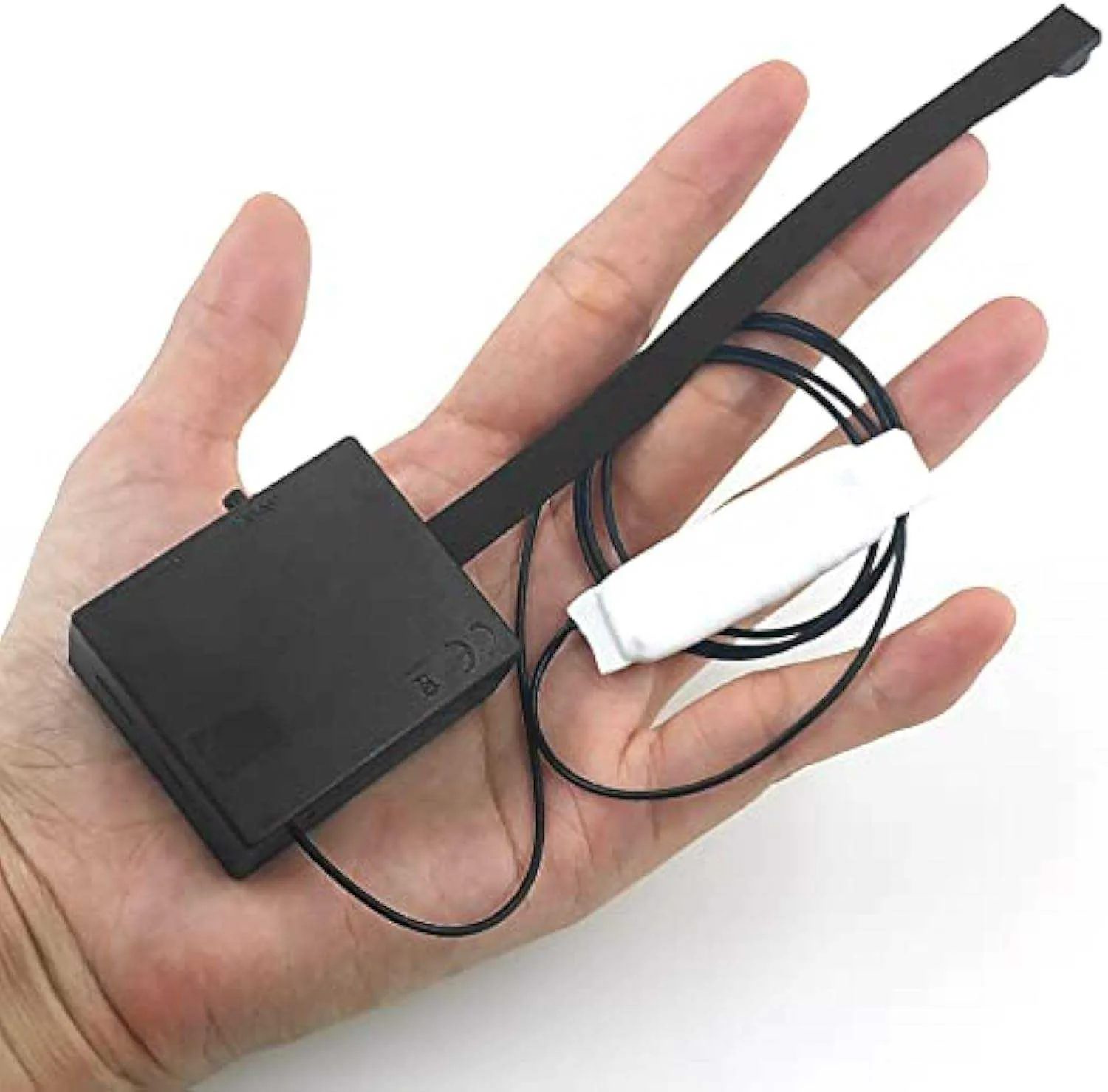
Ein Prüfungskamera-Kit ist ein komplettes drahtloses Überwachungs- und Kommunikationssystem, das typischerweise Folgendes umfasst:
– Miniatur-Wearable-Kamera: Zeichnet Live-Video auf und überträgt es
– Kabelloser Nano-Ohrhörer: Invisible, inductive-charged miniature earphone
– Sendereinheit: Empfängt Video und verwaltet die Kommunikation
– Magnetisches Halsketten-Ladegerät: Versorgt den Nano-Ohrhörer induktiv mit Strom
– Smartphone-App oder Empfängereinheit: Für Fernansicht und Kommunikation
Der Begriff „Prüfungskamera“ bezieht sich auf eine historische Anwendungskategorie. In der Praxis haben diese Systeme legitime Verwendungszwecke in der professionellen Sicherheit, im Journalismus, bei rechtlichen Ermittlungen und in verdeckten Kommunikationsszenarien.
Wie das System funktioniert
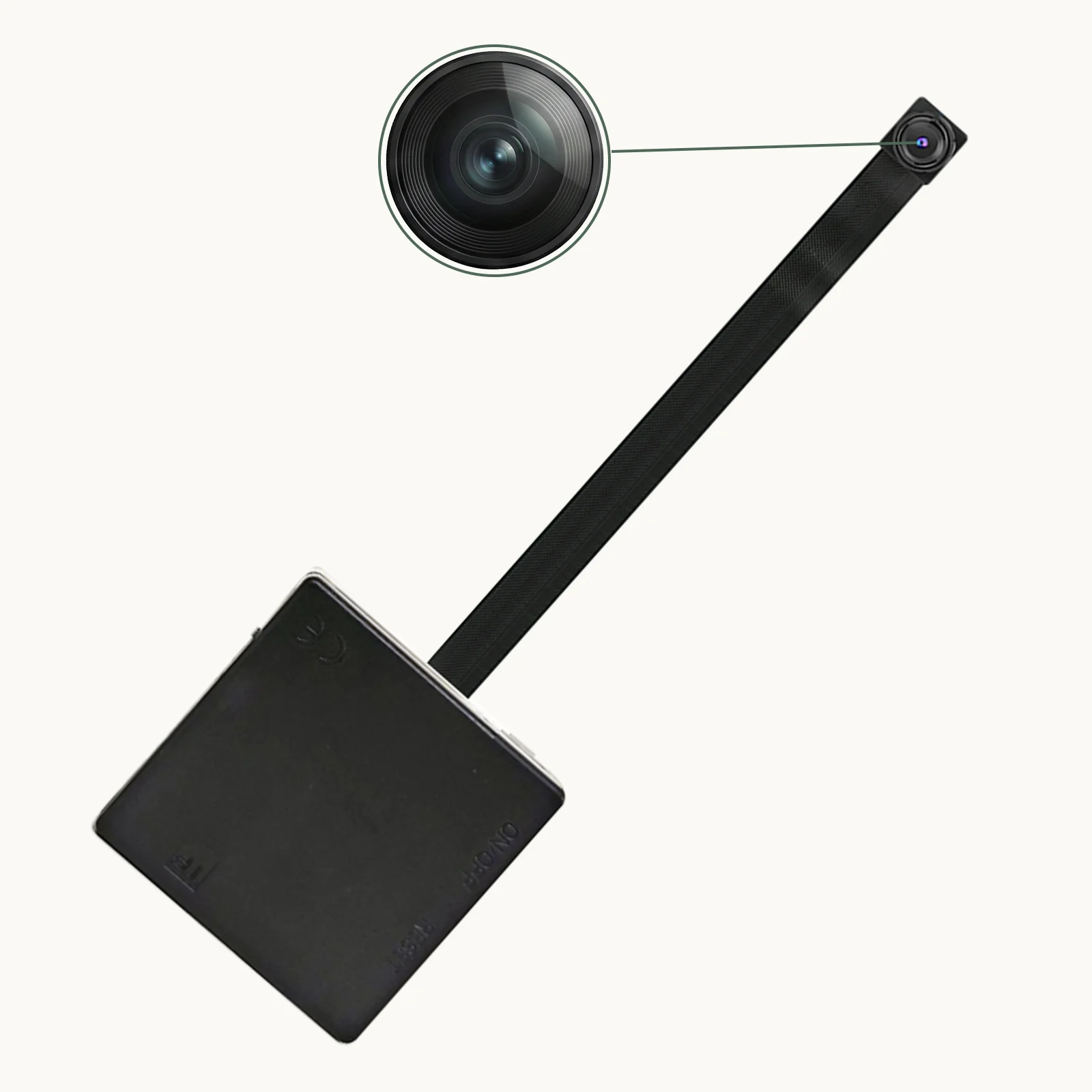
Das System arbeitet über mehrere miteinander verbundene Komponenten:
Videoaufnahme: Die tragbare Kamera (oft als Knopf, Stiftclip oder Brillenrahmen-Element getarnt) zeichnet Video in 1080p oder 720p auf. Einige Systeme verbinden die Kamera über ein verstecktes Kabel mit einem Smartphone und nutzen die Mobilfunk- oder WLAN-Verbindung des Telefons, um Video an einen entfernten Betrachter zu übertragen.
Audioempfang: Der Nano-Ohrhörer sitzt unsichtbar im Gehörgang. Er wird von einer induktiven Ladehalskette unter der Kleidung mit Strom versorgt – die Halskette überträgt Strom drahtlos an den Ohrhörer, ohne sichtbare Kabelverbindung.
Fernkommunikation: Ein entfernter Bediener, der den Videostream ansieht, spricht über ein Telefon oder Funkgerät. Das Audio wird an das Telefon des Nutzers übertragen, das es an den Nano-Ohrhörer weiterleitet. Der Ohrhörer gibt das Audio direkt ins Ohr – für Umstehende unhörbar.
Verdeckte Operation: Das gesamte System arbeitet ohne sichtbare Ohrhörer, Mikrofonkabel oder offensichtliche Kameraausrüstung. Für einen Beobachter scheint der Nutzer nichts Besonderes zu tragen.
Wichtige Komponenten im Detail
Der Nano-Ohrhörer
Der Nano-Ohrhörer ist die technisch beeindruckendste Komponente. Er misst etwa 5 mm × 8 mm – klein genug, um vollständig im Gehörgang zu sitzen und von außen unsichtbar zu sein. Hauptmerkmale:
– Induktives Laden: Wird durch elektromagnetische Induktion vom magnetischen Halskettenladegerät mit Strom versorgt. Keine physische Ladeverbindung erforderlich.
– Battery life: 3–6 Stunden Dauerbetrieb pro Ladung
– Magnetische Entnahme: Wird mit einem dünnen magnetischen Extraktionsfaden zur sicheren Entfernung aus dem Ohr geliefert
– Audioqualität: Trotz seiner winzigen Größe gibt er Sprache klar genug für die praktische Kommunikation wieder
Die tragbare Kamera

Die Kamera-Komponente variiert je nach Kit-Konfiguration:
Knopfkamera: Ein realistischer Hemdknopf mit 2mm-Lochblendenobjektiv. Auf Kleidung aufgenäht bietet er einen natürlichen POV-Winkel (Point of View).
Stiftkamera: Ein funktionsfähiger Kugelschreiber mit integrierter Kamera. Wird an eine Hemdtasche geklemmt, wobei die Linse nach vorne zeigt.
Brillenkamera: In Brillenfassungen integriert, wobei die Linse an der Front der Fassung positioniert ist.
Eigenständiges Modul: Ein kleines tragbares Modul, das an Kleidung geklemmt oder in einer Tasche mit freiliegender Linse verstaut wird.
Alle Varianten zeichnen lokal auf einer micro SD-Karte auf und können je nach Systemkonfiguration auch Live-Video drahtlos übertragen.
Das Kommunikationssystem
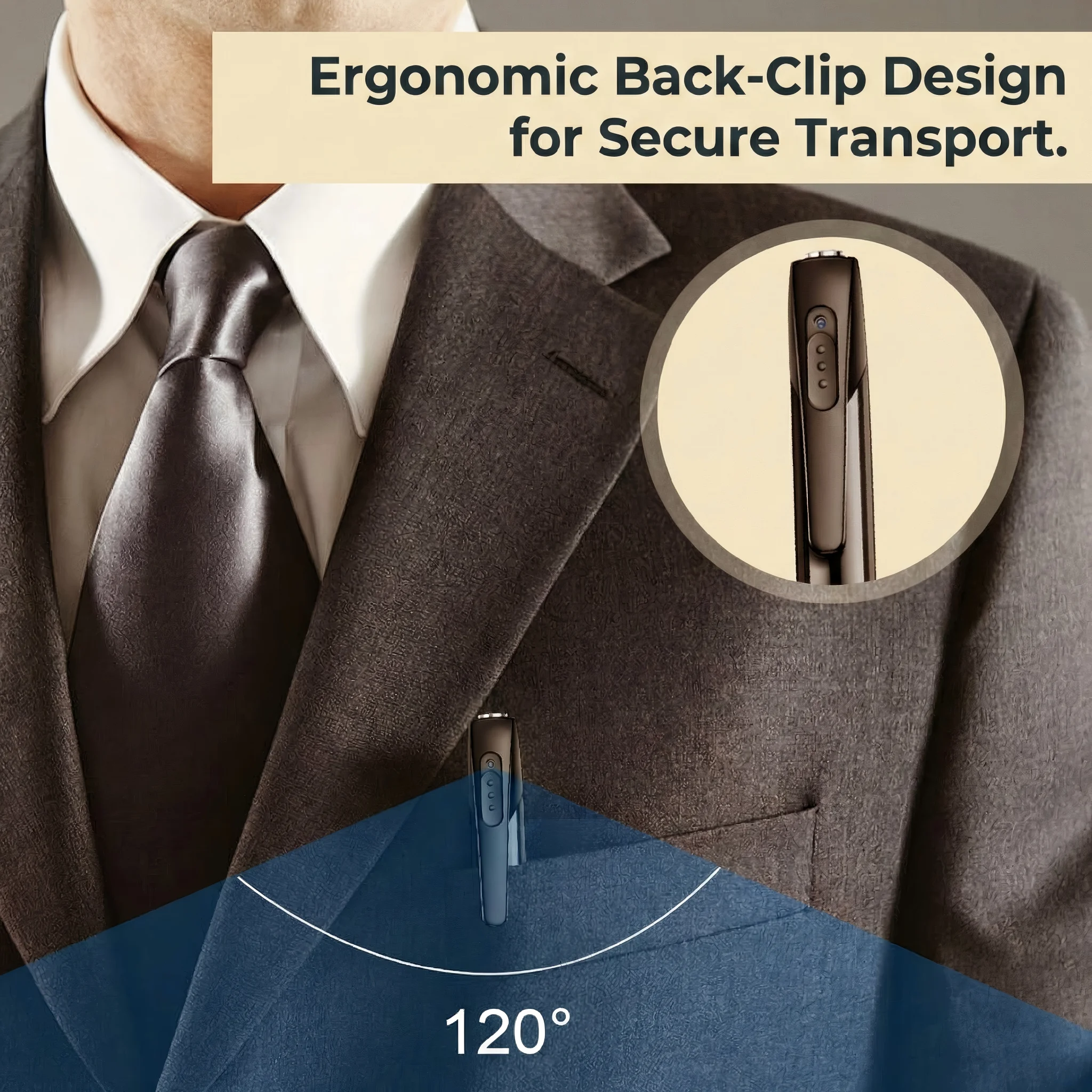
Der Kommunikationsweg nutzt typischerweise:
Smartphone-basiert: Das Smartphone des Trägers (in der Tasche) verbindet sich über Bluetooth oder ein Kabel mit dem Ohrhörersystem. Anrufe werden über das Telefon geleitet – ein entfernter Bediener ruft das Telefon des Trägers an und spricht, während er den Videostream ansieht.
Dedizierter Sender: Einige professionelle Systeme verwenden einen separaten Funksender, der am Körper getragen wird. Der Sender hat eine größere Reichweite und ist nicht auf Mobilfunkabdeckung angewiesen.
WLAN-basiert: Für ortsfeste Szenarien verbindet sich die Kamera mit einem lokalen WiFi-Netzwerk. Ein entfernter Bediener verbindet sich über eine App, um Video anzusehen und zu kommunizieren.
Einrichtung und Konfiguration
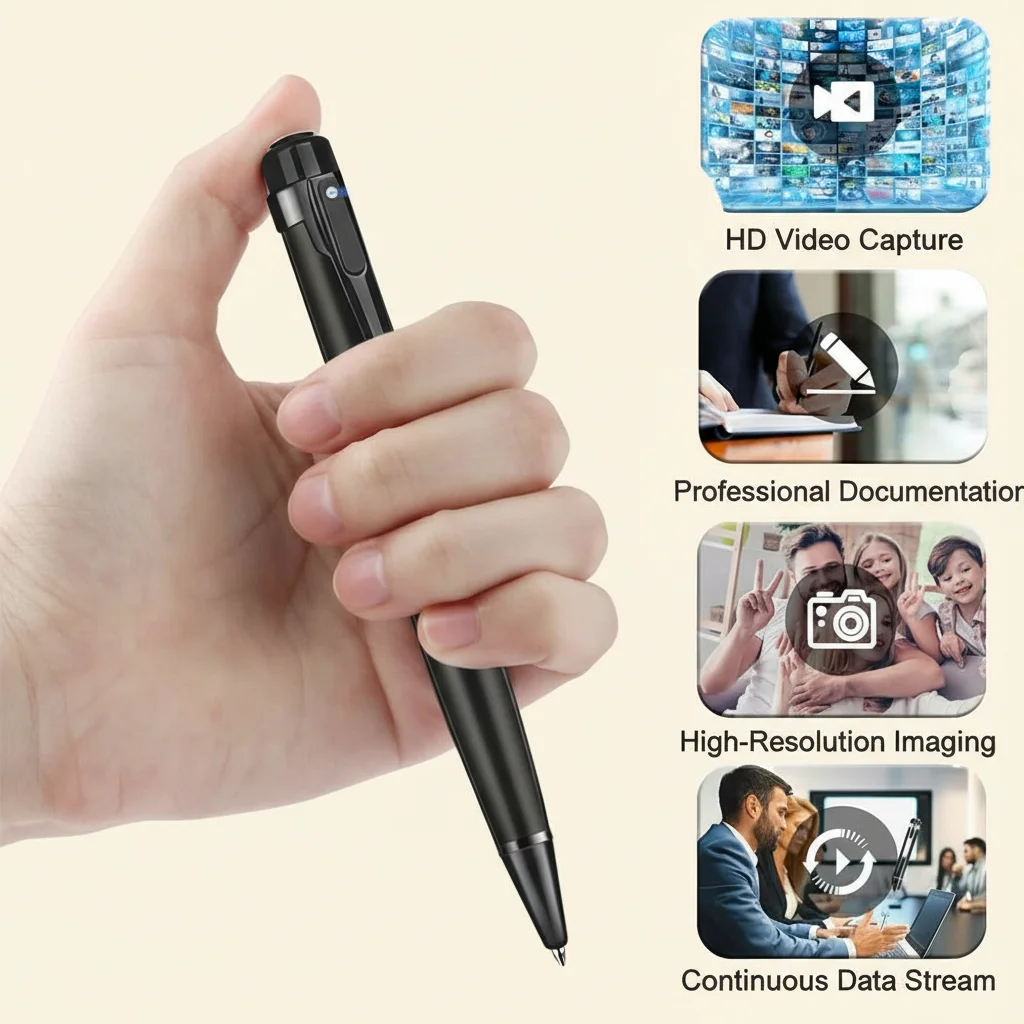
Die Einrichtung des Systems erfordert Sorgfalt bei jeder Komponente:
Schritt 1: Laden Sie alle Komponenten auf
– Laden Sie die Kamera auf (in der Regel über USB, 1–2 Stunden)
– Laden Sie den Nano-Ohrhörer auf (legen Sie ihn 1–2 Stunden auf das magnetische Halsketten-Ladegerät)
– Laden Sie alle Sendereinheiten auf
Schritt 2: Den Ohrhörer testen
Testen Sie den Ohrhörer vor dem operativen Einsatz gründlich. Führen Sie ihn mit dem mitgelieferten Werkzeug (einem kleinen magnetischen Einführer) ein und üben Sie das sichere Entfernen mit dem magnetischen Extraktionsfaden. Führen Sie den Ohrhörer niemals ohne den angebrachten Extraktionsfaden ein.
Schritt 3: Konfigurieren Sie die Kamera
Legen Sie die micro SD-Karte ein, verbinden Sie sich gegebenenfalls mit der zugehörigen App und testen Sie die Aufnahme. Überprüfen Sie, ob Videoqualität und Audioaufnahme ordnungsgemäß funktionieren.
Schritt 4: Kommunikation testen
Testen Sie bei vollständig montiertem System die Kommunikationsverbindung. Vergewissern Sie sich, dass der Ohrhörer-Audio klar ist, das Kameravideo – falls zutreffend – übertragen wird und alle Komponenten zusammen funktionieren.
Schritt 5: Tarnung üben
Nehmen Sie sich Zeit, um natürliche Bewegungen und Positionierung mit dem vollständigen System zu üben, bevor Sie es operativ einsetzen. Stellen Sie sicher, dass Kabel (falls vorhanden) ordnungsgemäß verlegt und unter der Kleidung gesichert sind.
Legitime Anwendungen
Prüfungskamera-Sets mit drahtlosen Ohrhörern haben mehrere legitime professionelle Anwendungen:
Sicherheits- und Überwachungsoperationen: Sicherheitsfachleute führen verdeckte Überwachungsoperationen durch, die Echtzeitkommunikation mit einem Überwachungsteam erfordern. Die am Körper getragene Kamera liefert visuelle Dokumentation, während der Ohrhörer die Befehlskommunikation ermöglicht.
Journalismus und investigativer Journalismus: Journalisten, die sensible Geschichten untersuchen, können diskrete Kommunikationssysteme nutzen, um während Interviews mit Redakteuren oder Rechtsteams in Kontakt zu bleiben, ohne preiszugeben, dass sie aufzeichnen.
Rechtmäßige Beweissicherung: Anwälte oder Ermittler, die Beweise für Gerichtsverfahren sammeln, können am Körper getragene Systeme verwenden, um Gespräche zu dokumentieren, während sie Anweisungen von Rechtsberatern erhalten.
Interne Unternehmensermittlungen: HR-Fachkräfte oder Unternehmenssicherheitsteams, die interne Verfehlungen untersuchen, können solche Systeme im Rahmen kontrollierter Beweissicherungsmaßnahmen einsetzen.
Unterhaltungsproduktion: Reality-TV- und Dokumentarfilmproduktionen verwenden ähnliche Systeme, damit On-Camera-Talente während der Dreharbeiten Regieanweisungen vom Produzenten erhalten können.
Wichtige Sicherheitshinweise für den Nano-Ohrhörer
Der Nano-Ohrhörer erfordert eine sorgfältige Handhabung:
– Verwenden Sie immer den Extraktionsfaden: Führen Sie den Ohrhörer niemals ohne den magnetischen Extraktionsfaden ein. Ohne ihn wird die Entfernung aus dem Gehörgang extrem schwierig und kann medizinische Hilfe erfordern.
– Maximale Tragezeit: Limit continuous wear to 3–4 hours to prevent ear canal irritation.
– Korrektes Einsetzen: Führen Sie ihn vorsichtig mit dem mitgelieferten Einführwerkzeug ein. Erzwungenes Einführen kann Unbehagen verursachen oder den Ohrhörer tiefer als beabsichtigt hineinschieben.
– Hygiene: Reinigen Sie den Ohrhörer vor und nach Gebrauch mit einem trockenen Tuch. Verwenden Sie kein Wasser und keine Lösungsmittel.
– Medizinische Bedingungen: Personen mit Anomalien des Gehörgangs, aktiven Ohrenentzündungen oder Hörgeräten sollten vor der Verwendung von Nano-Ohrhörern einen Arzt konsultieren.
Rechtliche und ethische Überlegungen
Der rechtliche Status von Audio- und Videoaufzeichnungssystemen variiert erheblich je nach Gerichtsbarkeit, Anwendungsfall und Aufnahmeort:
Gesetze zur Aufzeichnungseinwilligung: Viele Länder und US-Bundesstaaten verlangen die Zustimmung aller Parteien für Audioaufnahmen. Das Aufzeichnen eines Gesprächs ohne die Zustimmung aller Teilnehmer kann illegal sein.
Verdeckte Aufnahmen in privaten Räumen: Die Aufzeichnung von Gesprächen an Orten, an denen Menschen ein berechtigtes Recht auf Privatsphäre haben (private Büros, Wohnungen, medizinische Einrichtungen), unterliegt in der Regel strengeren Zustimmungsanforderungen.
Nutzung am Arbeitsplatz: Die unbefugte Aufzeichnung von Gesprächen oder Besprechungen am Arbeitsplatz kann gegen Arbeitsrecht, Datenschutzgesetze oder Vertraulichkeitsvereinbarungen verstoßen.
Berufliche Zulassung: In vielen Rechtsordnungen erfordern professionelle Überwachungstätigkeiten lizenzierte Ermittler. Die Durchführung nicht lizenzierter Überwachung für Dritte kann als illegale Überwachung oder als Ausübung ohne Lizenz gelten.
Diese Technologie darf nur in Übereinstimmung mit allen geltenden Gesetzen verwendet werden. Konsultieren Sie einen Rechtsbeistand, bevor Sie ein verstecktes Aufnahmesystem in irgendeiner beruflichen Eigenschaft einsetzen.
Häufig gestellte Fragen
F: Wie lange hält die Batterie des Nano-Ohrhörers?
A: Die meisten Nano-Ohrhörer bieten 3–6 Stunden Dauerbetrieb bei voller Ladung. Das magnetische Halsketten-Ladegerät kann den Ohrhörer typischerweise in 1–2 Stunden vollständig aufladen.
F: Kann der Ohrhörer von einem Metalldetektor erkannt werden?
A: Der Nano-Ohrhörer enthält sehr geringe Mengen Metall (hauptsächlich den Magneten und die Batterie). Je nach Empfindlichkeitsstufe kann er Metalldetektoren auslösen oder nicht. Durchgangsmetalldetektoren an hochsicheren Orten können ihn erkennen; tragbare Handscanner bei lockeren Sicherheitskontrollen in der Regel nicht.
F: Ist der Ohrhörer nach dem Einsetzen völlig unsichtbar?
A: Ein korrekt eingesetzter Nano-Ohrhörer sitzt tief genug im Gehörgang, um aus normaler Gesprächsdistanz unsichtbar zu sein. Bei genauer Betrachtung des Ohrs von der Seite könnte er sichtbar sein. Externe Beleuchtung und die Form des Gehörgangs beeinflussen die Sichtbarkeit.
F: Was ist die maximale Reichweite des drahtlosen Systems?
A: Die Kommunikationsreichweite hängt vom Systemtyp ab. Smartphone-basierte Systeme haben unbegrenzte Reichweite, solange beide Parteien Mobilfunkabdeckung haben. WLAN-basierte Systeme sind auf den WLAN-Netzabdeckungsbereich beschränkt (typischerweise 30–100 Meter in Innenräumen).
F: Wie hole ich den Ohrhörer heraus, wenn der Extraktionsfaden reißt?
A: Versuchen Sie nicht weiter, ihn zu entfernen, und suchen Sie einen Arzt auf. Ein HNO-Spezialist (Hals-Nasen-Ohren) kann Fremdkörper sicher mit geeigneten medizinischen Instrumenten aus dem Gehörgang entfernen.
Schlussfolgerung
Ein Prüfungskamera-Set mit drahtlosem Ohrhörer stellt hochentwickelte miniaturisierte Kommunikations- und Überwachungstechnologie dar. Der Nano-Ohrhörer ermöglicht wirklich unsichtbaren Audioempfang, während die tragbare Kamera Live-Videoübertragung ermöglicht – so entsteht ein komplettes verdecktes Kommunikationssystem in einem Paket, das für Beobachter im Wesentlichen unsichtbar ist.
Diese Systeme haben echte legitime Anwendungen in Sicherheit, Journalismus, Rechtsermittlung und professioneller Überwachung. Sie erfordern jedoch vor der Nutzung sorgfältige rechtliche Abwägung – Aufnahmegesetze variieren je nach Rechtsgebiet, und unbefugte Aufnahmen können schwerwiegende rechtliche Konsequenzen haben. Stellen Sie stets die vollständige Einhaltung der geltenden Aufnahmeeinwilligungsgesetze sicher und handeln Sie im Rahmen gesetzlicher beruflicher Tätigkeit.
Bei der Bewertung dieser Systeme sollten Sie den Tragekomfort des Ohrhörers und das sichere Einführungs-/Entfernungsdesign, die Zuverlässigkeit des Kommunikationssystems und die rechtliche Konformität in Ihrem geplanten Anwendungsfall allen anderen Spezifikationen vorziehen.

 English
  Italiano
  Deutsch
  Français
  Español
  Polski