
The question “what is the smallest spy camera that isn’t junk” comes up constantly in camera forums — and the honest answer requires separating two different requirements: small physical size and actually usable footage quality. The smallest cameras on the market are often the worst performers, and the most reliable hidden cameras are rarely the physically smallest.
This guide explains what limits the smallest spy camera options, where the genuine quality floor is, and which form factors deliver the best combination of compact size and usable performance.

How small can a spy camera actually get — and what does that trade-off look like?
The smallest commercially available spy cameras use a pinhole lens approximately 3–5mm in diameter combined with a sensor no larger than a fingernail. The complete camera module — lens, sensor, basic processor — can fit inside a housing the size of a large button.
But the sensor size is the fundamental constraint. A physically small sensor captures significantly less light than a larger one. This produces two unavoidable problems:
- Low-light performance collapses: In anything below bright artificial lighting, a tiny sensor produces noisy, blurry footage. Night vision IR LEDs partially compensate, but cannot overcome a sensor with insufficient light-gathering area.
- Actual resolution is limited by sensor, not label: A camera the size of a coin cannot house a sensor large enough to produce genuine 4K detail. Cameras sold as “4K” at this size are applying digital upscaling to a much lower-resolution capture, resulting in worse sharpness than an honest 1080p camera with a slightly larger sensor.
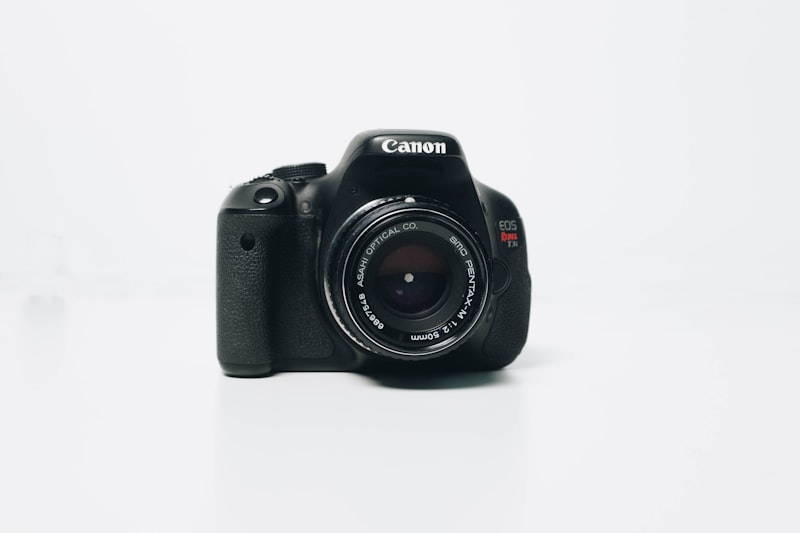
Why most “4K” tiny spy cameras are worse than 1080p models
This is the most common trap in the smallest spy camera category. Reddit’s r/Cameras community is consistent on this point: resolution labels on sub-$50 tiny cameras are marketing claims, not hardware specs.
Here is how to tell the difference before buying:
| What the listing says | Was zu überprüfen ist | Warnsignal |
|---|---|---|
| “4K” resolution | Ask for or find the raw sensor spec (not output resolution) | No sensor model number listed; no sample footage under realistic lighting |
| “Night vision” included | Check IR LED wavelength (940nm vs 850nm) and rated range in meters | “Up to 10 meters” with no lux rating; no IR glow spec |
| Built-in audio | Ask for a sample clip recorded at 2 meters in a normal room | Only product demo videos, no real-world sample footage available |
| Supports 128GB MicroSD | Verify the actual supported filesystem — many cap at 64GB via FAT32 firmware | Spec sheet says “up to 128GB” but no firmware documentation |
The working rule used by experienced buyers: if a camera is physically smaller than a thumb drive and claims 4K with night vision for under $40, the specs are misleading. At that price and size, you are getting 720p effective quality at best in normal light, and unusable footage in low light.
What is the actual smallest spy camera that produces reliable footage?
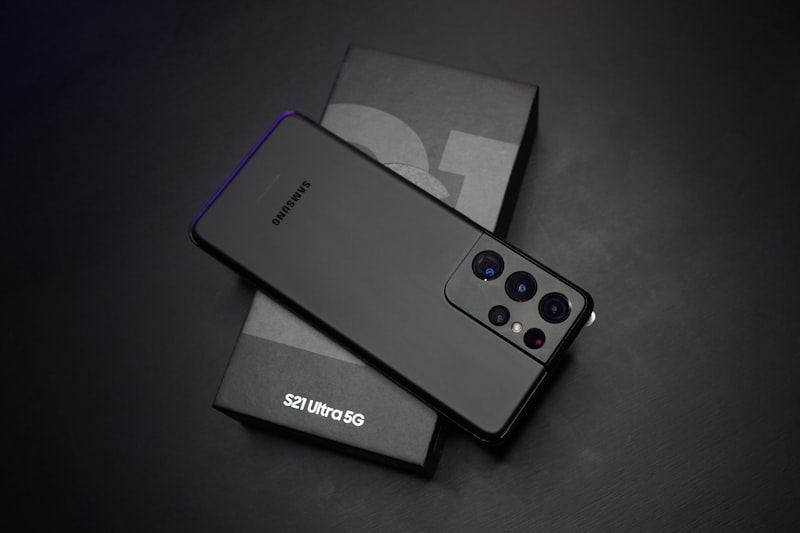
The smallest form factors with genuinely usable footage fall into two categories:
Standalone DIY camera modules are the physically smallest option with real performance. A quality 1080p WiFi camera module — the type used in professional integration projects — measures approximately 2cm × 2cm and produces clean footage in normal indoor lighting. Night vision requires external IR LEDs. These are not plug-and-play devices: they require custom housing and a separate power source, but the sensor and processing quality is verified. DIY spy camera modules in this category are designed for builders who want to integrate a quality sensor into their own housing.
Functional object cameras at the smallest practical size represent the better option for most buyers. A USB charger camera, pen camera, or car key camera is larger than a bare module but still small enough to go unnoticed — and the additional size allows for a better battery, microphone placement, and a more robust sensor. At this scale, 1080p footage in normal lighting is reliable, audio is usable at 2–3 meters, and the device actually runs for a practical duration.
What size is “small enough” for common use cases?
Rather than minimising physical size, the better question is: what is the smallest device that meets my actual requirements?
- Shelf or desk placement: A camera 5–8cm in any dimension, disguised as a clock, charger, or decorative object, is completely unidentifiable as a camera when placed naturally. Shrinking below this size does not improve concealment but does reduce performance.
- Pocket carry / body-worn: A car key fob camera or pen camera measures 8–12cm and is genuinely portable. This is the practical minimum for a device with its own battery, microphone, and MicroSD slot that can record reliably for 2+ hours.
- Integration into a custom object: A bare camera module (2cm × 2cm) installed inside an existing object — a book, decorative item, toy — can be genuinely invisible. This requires technical confidence in wiring and housing.
Which brands and app platforms are reliable for the smallest spy cameras?
The most consistent Reddit complaint about small spy cameras is not the hardware — it is the software. Cameras using unknown proprietary apps regularly stop working when the manufacturer discontinues the service or the app is removed from app stores.
Camera apps and platforms to look for, in order of reliability:
- Tuya / Smart Life: The largest consumer IoT platform, used by thousands of certified device manufacturers. App will not disappear overnight. Supports both local and cloud recording.
- Hikam: Used by a range of professional-grade hidden cameras. Long track record, RTSP support, direct LAN access available.
- Established OEM platforms: Any camera whose app has verifiable download counts (100k+) and documented update history is significantly safer than a camera using a proprietary app with 5 star reviews and no verifiable user base.
Avoid: any camera whose app name appears to be a random string of consonants (e.g. “YunyCam”, “KmtraCa”), has fewer than 10,000 downloads, or whose developer name matches no verifiable company. These are classic signs of a generic product with a short-term branded app that will stop functioning within 12–24 months.

Häufig gestellte Fragen
What is truly the smallest spy camera available?
The physically smallest commercially available spy cameras are bare camera modules approximately 1.5–2cm × 1.5–2cm, designed for integration into custom housings. As a complete wearable or standalone device, the smallest practical options are car key cameras or pen cameras (approximately 8–12cm), which include a battery, storage, and microphone in a usable package. Going smaller than this in a complete device requires sacrificing battery life, audio quality, or footage reliability.
Can a tiny spy camera record in the dark?
Yes, but the effective range depends on the IR LED size and count — which is limited in very small cameras. A camera the size of a button with a single IR LED will record in total darkness at 1–2 meters maximum. A slightly larger camera with 4–6 IR LEDs and a 940nm emitter will cover a typical room (3–5 meters) invisibly. The night vision specification is entirely separate from the daytime resolution claim.
How do I know if a tiny spy camera’s 4K claim is real?
Ask the seller for the sensor model number, or find sample footage recorded in a normal indoor room at 3 meters with overhead lighting only (no ring lights). Genuine 4K footage at that distance shows face detail clearly. Upscaled 4K from a small sensor produces soft, blocky footage that looks equivalent to 720p. No seller of a legitimate 4K sensor will refuse to provide an unedited sample clip.
Will a small spy camera’s app still work in two years?
Only if the camera uses an established IoT platform (Tuya, Hikam) rather than a proprietary single-brand app. Cameras using custom apps from unknown developers frequently stop working when the company pivots, gets acquired, or simply stops maintaining the service. Cameras with RTSP support and local LAN access are the most future-proof option, as they can be accessed directly without any manufacturer server.
For smallest spy cameras with verified sensor specs, reliable app platforms, and local MicroSD recording, including DIY-Kameramodule Und car key spy cameras, besuchen Sie die QZT Security Sortiment oder kontaktieren Sie uns for sourcing.

 English
  Italiano
  Deutsch
  Français
  Español
  Polski