
The Fleet Manager's Guide to Selecting GPS Tracking Systems
Managing a fleet without visibility is a financial risk. You worry about unauthorized vehicle use, theft, or inefficient routes eating into your margins. Selecting the right GPS tracking system solves these problems, securing your assets and optimizing your logistics.
The best GPS tracking system balances battery life, connectivity (4G/LTE), and legal compliance. For fleet managers, hardwired or OBDII trackers are superior for continuous power, while magnetic asset trackers offer flexibility. Always ensure your hardware supports LBS backup to counter signal blocking in garages or shipping containers.
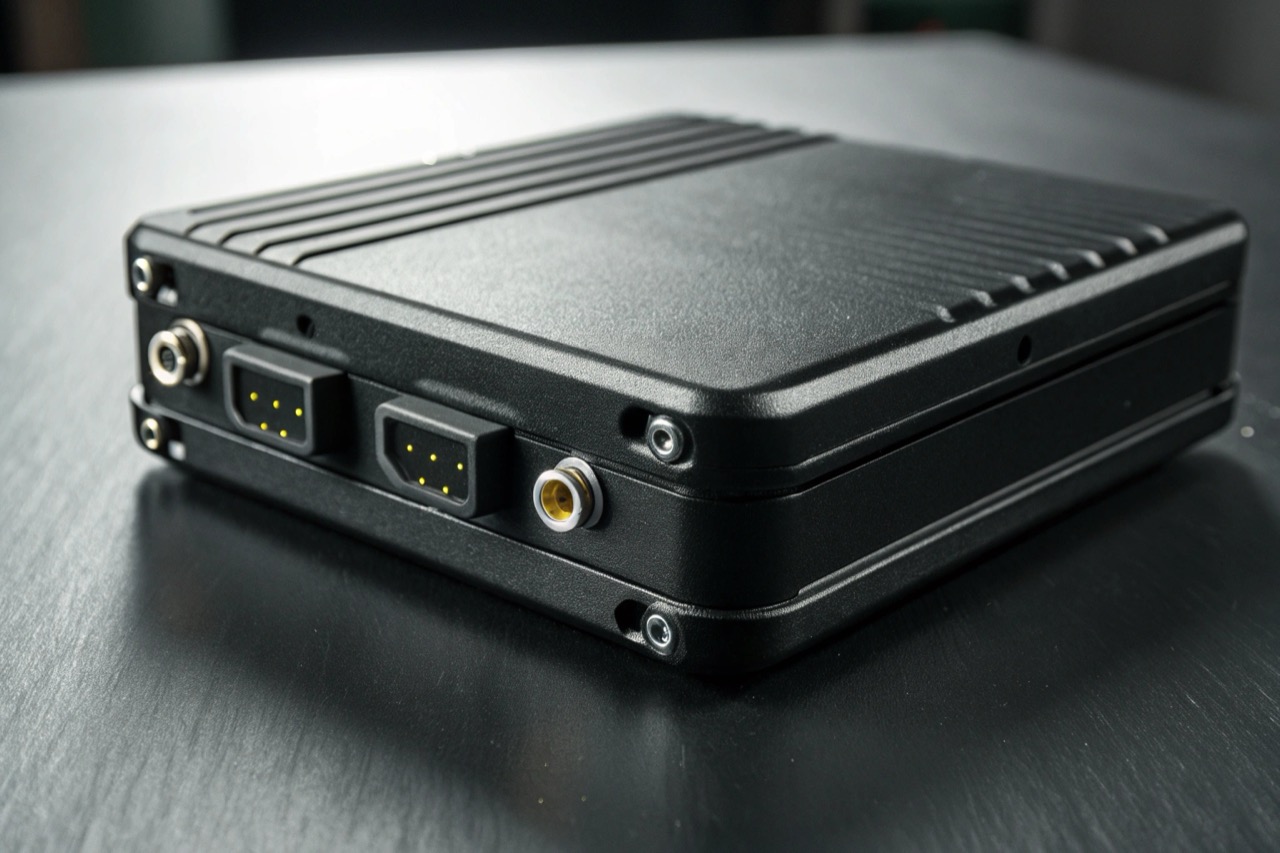
At QZT, we understand that hardware stability is just as important as the software it runs on. From our factory in Vietnam to our warehouses in Italy, we see many buyers struggle with the technical nuances of tracking. Whether you are monitoring trucks in Germany or delivery vans in Spain, understanding the legality, hardware types, and limitations of GPS is essential for a profitable wholesale business.
Is it illegal to put a GPS tracking device on a car?
Many fleet managers hesitate to install trackers due to privacy concerns and strict European regulations.
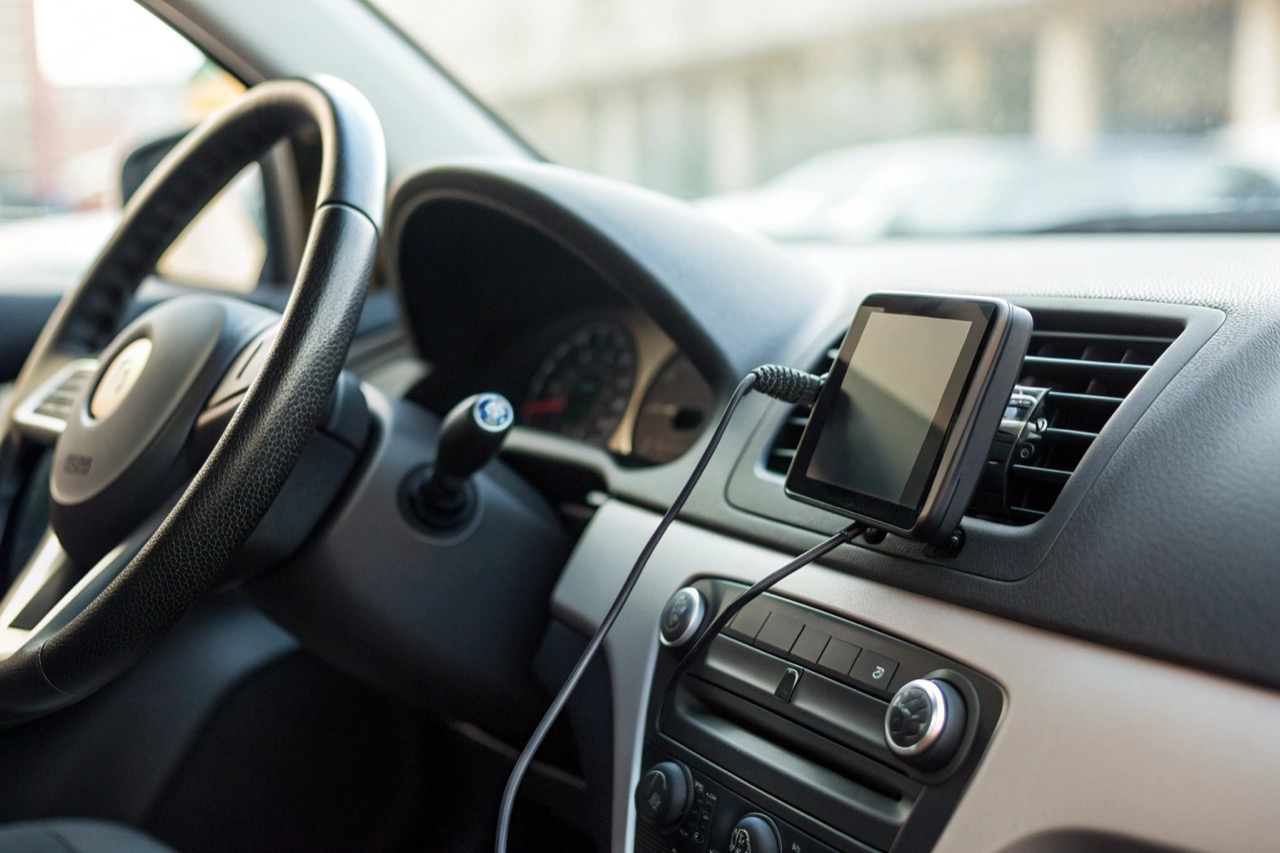
Is it illegal? Generally, no. It is legal to place a GPS tracker on a vehicle you own for business purposes. However, in the EU, you must notify drivers that the vehicle is monitored to comply with GDPR privacy laws. Secretly tracking a person (stalking) is illegal.
Navigating EU Privacy Laws
As a B2B buyer, you must distinguish between asset tracking and people tracking.
- Ownership: If your company owns the car, you have the right to secure it.
- Transparenz: Under GDPR (General Data Protection Regulation), employees must know the vehicle is tracked. You cannot use the data to monitor their private life outside working hours if they are allowed personal use of the car.
- Zweck: The tracking must be for security, logistics, or mileage logging—not purely for behavioral surveillance without consent.
Just as you would explore our professional surveillance cameras to secure your warehouse perimeter legally, you must apply the same transparency when securing your mobile assets. Always consult local labor laws in your target market.
What GPS tracker should you wholesales?
Choosing the wrong hardware leads to high returns and angry clients. The market is flooded with obsolete 2G devices.
Empfehlung: Großhandel 4G (LTE) Hardwired Trackers for heavy fleets and Magnetic Asset Trackers for cargo. Avoid 2G-only devices, as networks are shutting down across Europe. Look for devices with "store and forward" memory that saves data when the signal is lost.
The Three Main Categories
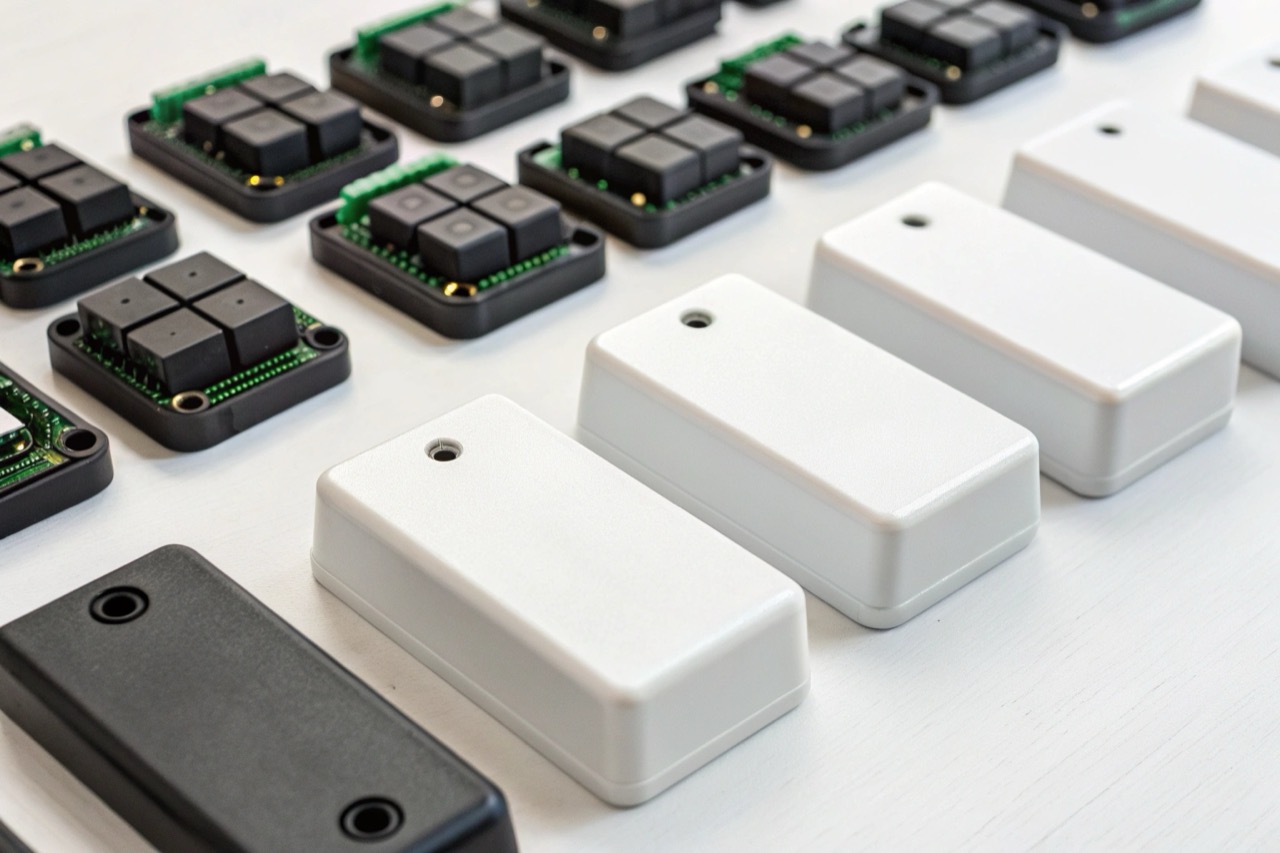
- Hardwired (3-Wire): Connects to the vehicle's ignition and battery. Best for rental fleets and logistics. It supports remote fuel cut-off features.
- OBDII (Plug & Play): Plugs directly into the diagnostic port. Easiest to install but easiest for a thief to remove. Good for light commercial vehicles.
- Magnetic/Wireless: Independent battery. Best for tracking shipping containers or construction equipment where no power source is available.
At QZT, we advise our B2B partners to stock 4G modules. Stability is key. A cheap tracker that disconnects often costs you more in customer support than you save on the purchase price.
How long will a GPS tracker battery last?
Battery anxiety is the number one complaint from end-users using wireless trackers.
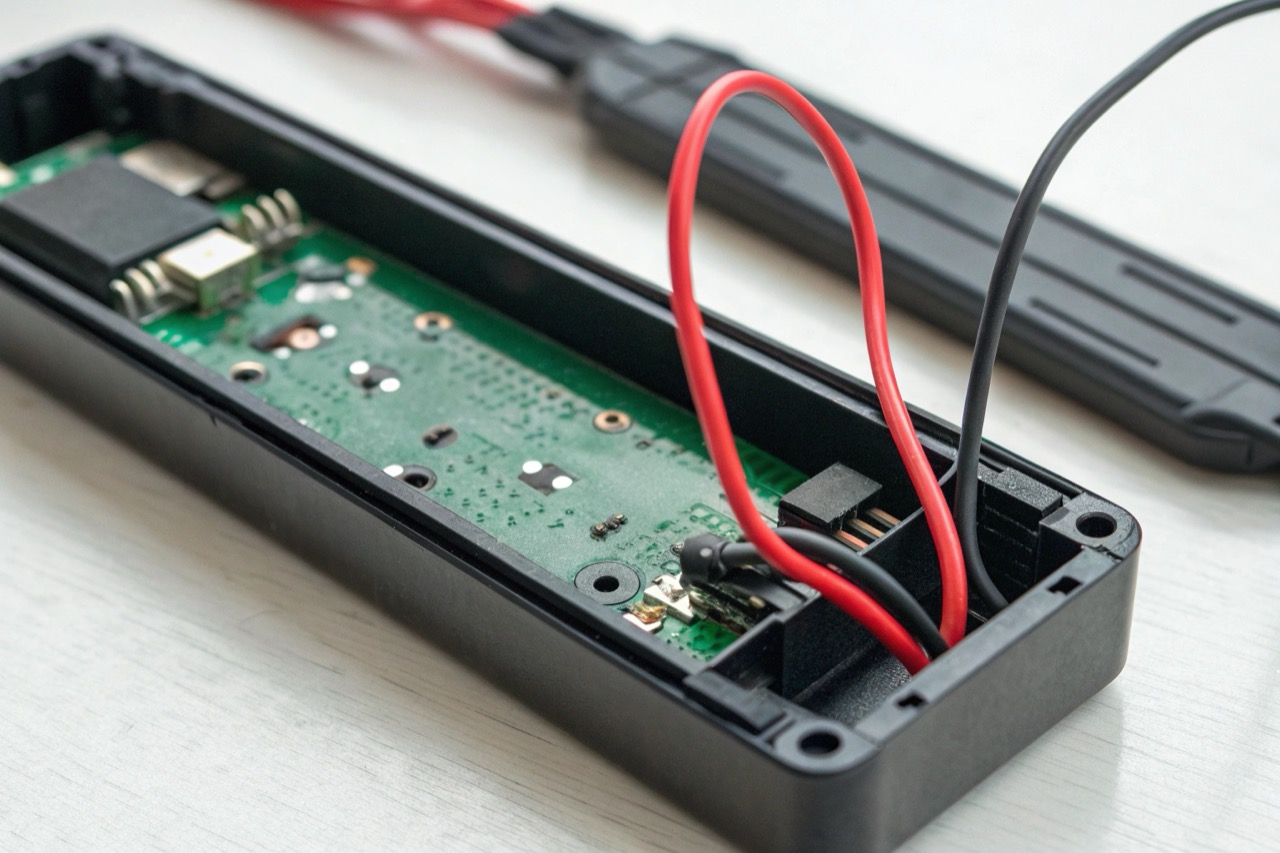
The Answer: Hardwired trackers last indefinitely as they draw power from the vehicle. Wireless magnetic trackers last from 10 days to 3 years, depending entirely on the "ping rate" (how often it reports location).
The Physics of Power Consumption
The battery life depends on the working mode you configure:
- Real-Time Mode: Uploads position every 10–30 seconds. A 5000mAh battery might last 2–4 weeks.
- Smart Sleep Mode: The device sleeps when the car stops moving. This extends battery life significantly.
- Standby/Asset Mode: Lädt die Position nur einmal pro Tag hoch. Eine hochwertige Batterie kann in diesem Modus bis zu 3 Jahre halten.
Beim Bezug von Produkten überprüfen Sie die Milliamperestunden (mAh) genau. In unserer Fabrik in Vietnam stellen wir sicher, dass die Batteriezellen ihrer deklarierten Kapazität entsprechen und vermeiden die "gefälschte Kapazität"-Probleme, die in niedrigeren Marktsegmenten üblich sind.
What blocks a GPS tracker?
Selbst der beste Tracker kann versagen, wenn das Signal physisch oder elektronisch blockiert wird.
Die Blockierer: GPS-Signale sind schwach und werden leicht gestoppt durch massives Metall (Versandcontainer) Und dichter Beton (unterirdische Parkplätze). Kriminelle nutzen auch illegale GPS-Störsender die die Frequenz mit Rauschen überfluten, um das Gerät zu trennen.

overcoming Signal Loss
Sie können die Physik nicht ändern, aber Sie können bessere Hardware wählen:
- LBS (Location Based Service) Backup: Wenn das GPS-Satellitensignal durch ein Dach blockiert wird, sollte der Tracker auf LBS umschalten. Dies trianguliert die Position über lokale Mobilfunkmasten. Es ist weniger präzise, gibt Ihnen aber einen allgemeinen Bereich.
- Anti-Jamming-Alarme: Fortschrittliche Tracker können erkennen, wenn ein Störsender verwendet wird, und einen lokalen Alarm auslösen oder eine letzte Warnung senden, bevor die Verbindung abbricht.
- Speichern-und-Weiterleiten: Wie bereits erwähnt, zeichnet das Gerät Koordinaten im internen Speicher auf, während es offline ist, und lädt sie hoch, sobald das Fahrzeug den Tunnel oder die Garage verlässt.
Schlussfolgerung
Die Auswahl des richtigen GPS-Systems erfordert eine Abwägung zwischen gesetzlicher Konformität, Batteriekapazität und Anti-Blockierungstechnologie. Für B2B-Käufer hat zuverlässige Hardware Priorität, die den After-Sales-Aufwand minimiert. Arbeiten Sie mit einem Hersteller zusammen, der Qualitätskomponenten und klare Spezifikationen priorisiert.

 English
  Italiano
  Deutsch
  Français
  Español
  Polski