
AI Face Recognition Hidden Cameras: B2B Buyer’s Guide
AI is no longer limited to large CCTV systems. It is now small enough to hide inside a clock, a smoke detector, or a power bank. Hidden cameras with face recognition and smart motion detection promise fewer false alarms, faster searches, and smarter alerts.
For B2B buyers, the question is whether they are worth the higher price, extra power draw, and legal complexity. This guide breaks down how the technology works, where it fits, and what buyers should verify before ordering.
What Is an AI Face Recognition Hidden Camera?
It looks like an ordinary hidden camera, but it can identify faces without sending every clip to the cloud.
An AI face recognition hidden camera runs computer-vision algorithms on the device or a local hub to detect, classify, and sometimes identify human faces.
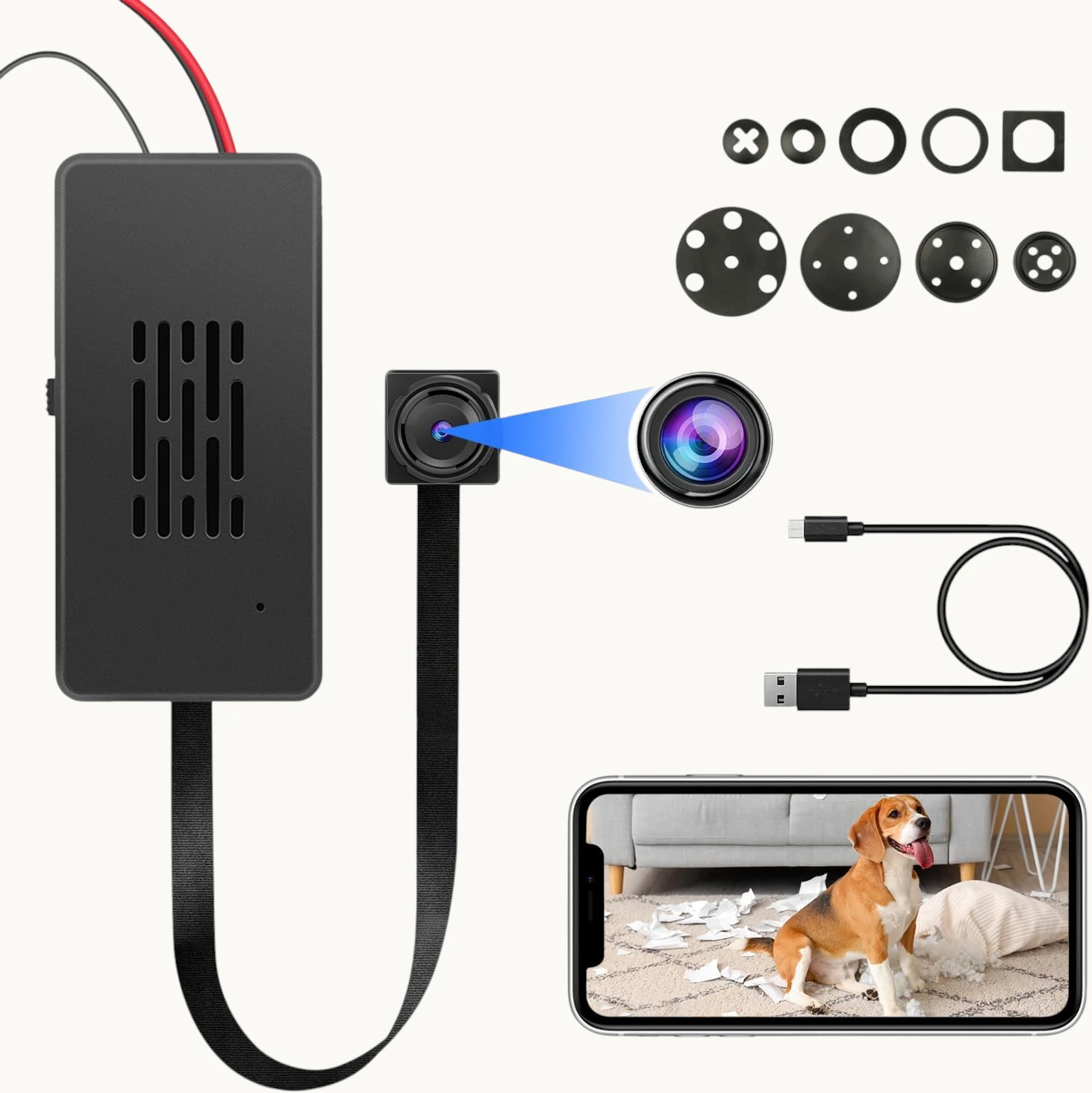
Traditional hidden cameras record everything. They trigger motion alerts when a curtain moves, a pet walks past, or a car drives by. AI cameras try to understand what they see. They can distinguish between a person and a passing shadow. Advanced models can match a face against a small stored database and alert only when an unknown person appears.
The processing happens in one of three places. Some cameras have a dedicated AI chip on the PCB. Others send the stream to a local NVR with analytics. A third group relies on the cloud. Each approach has trade-offs in cost, latency, and privacy. The DIY verstecktes WiFi-Kameramodul shows how compact these systems can be.
Kernaussage: AI hidden cameras process video locally to decide what is worth recording or alerting.
| AI Processing Location | Profis | Nachteile |
|---|---|---|
| On-camera chip | Low latency, works offline | Higher unit cost, limited model size |
| Local NVR/hub | More powerful analytics | Requires extra hardware |
| Cloud | Easy updates, scalable | Privacy risk, ongoing data costs |
How Does Face Recognition Work in Hidden Cameras?
Face recognition in a hidden camera follows the same basic steps as in a smartphone or airport kiosk.
The camera detects a face, extracts key features, converts them into a numeric template, and compares that template against stored references.
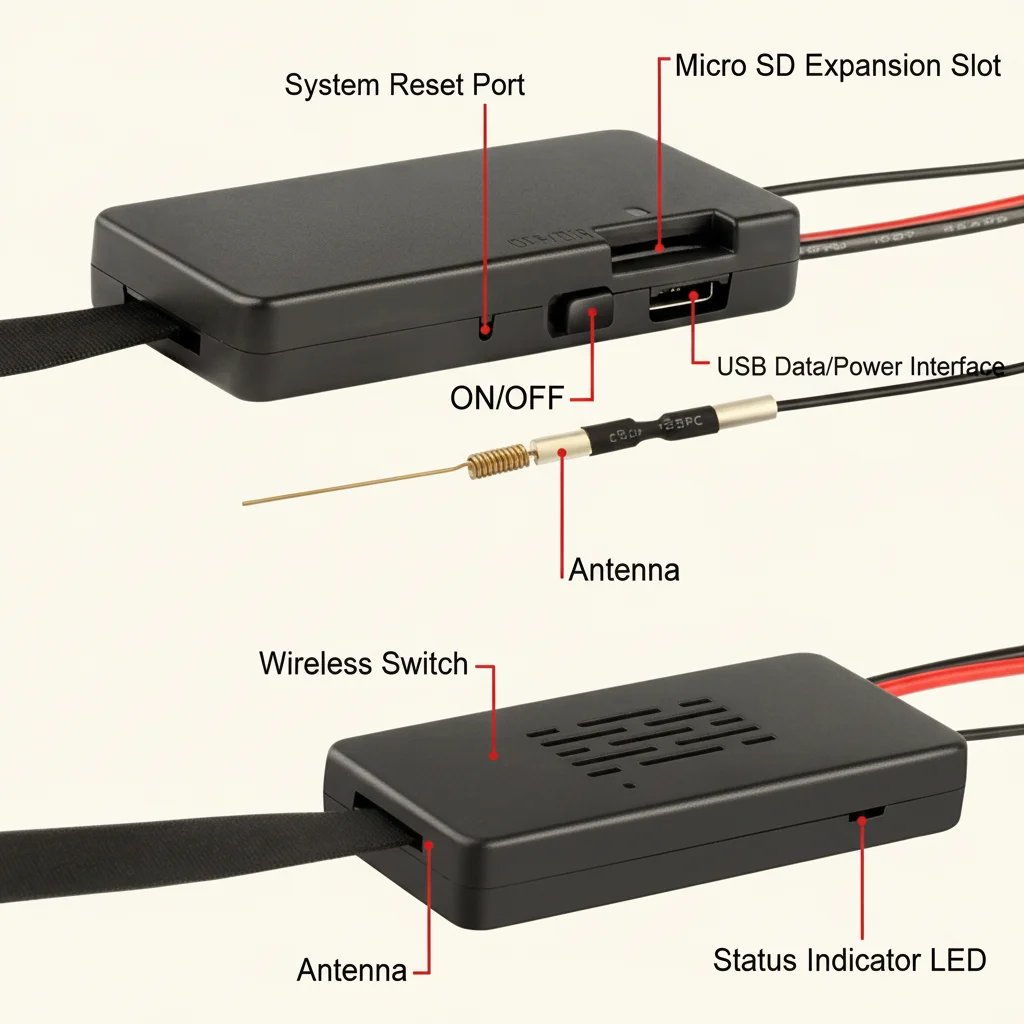
First, the camera runs a detection model to locate faces in the frame. Next, it extracts features such as the distance between the eyes, the shape of the jawline, and the position of the nose. These measurements become a face template. Finally, the template is compared to a small database of known faces.
The database is usually limited to a few dozen or a few hundred entries. That is very different from police-grade systems that search millions of records. Small-business hidden cameras need to know whether the person in the room is on the allowed list.
Storage of face templates is a privacy issue. If templates are stored in the cloud, the vendor becomes a data processor under GDPR. If they stay on the device or a local hub, compliance is simpler. European buyers should ask this question before ordering.
Kernaussage: Hidden camera face recognition creates numeric templates and compares them to a small local database.
| Schritt | What Happens | Privacy Relevance |
|---|---|---|
| Erkennung | Finds a face in the frame | Niedrig |
| Feature extraction | Creates a numeric template | Mittel |
| Comparison | Matches against stored faces | High if cloud-based |
| Alert/action | Sends notification or records | Depends on storage location |
What Is Smart Motion Detection?
Not all motion detection is smart. The difference matters for battery life and alert quality.
Smart motion detection uses AI to classify movement as human, vehicle, pet, or irrelevant motion before triggering a recording or alert.
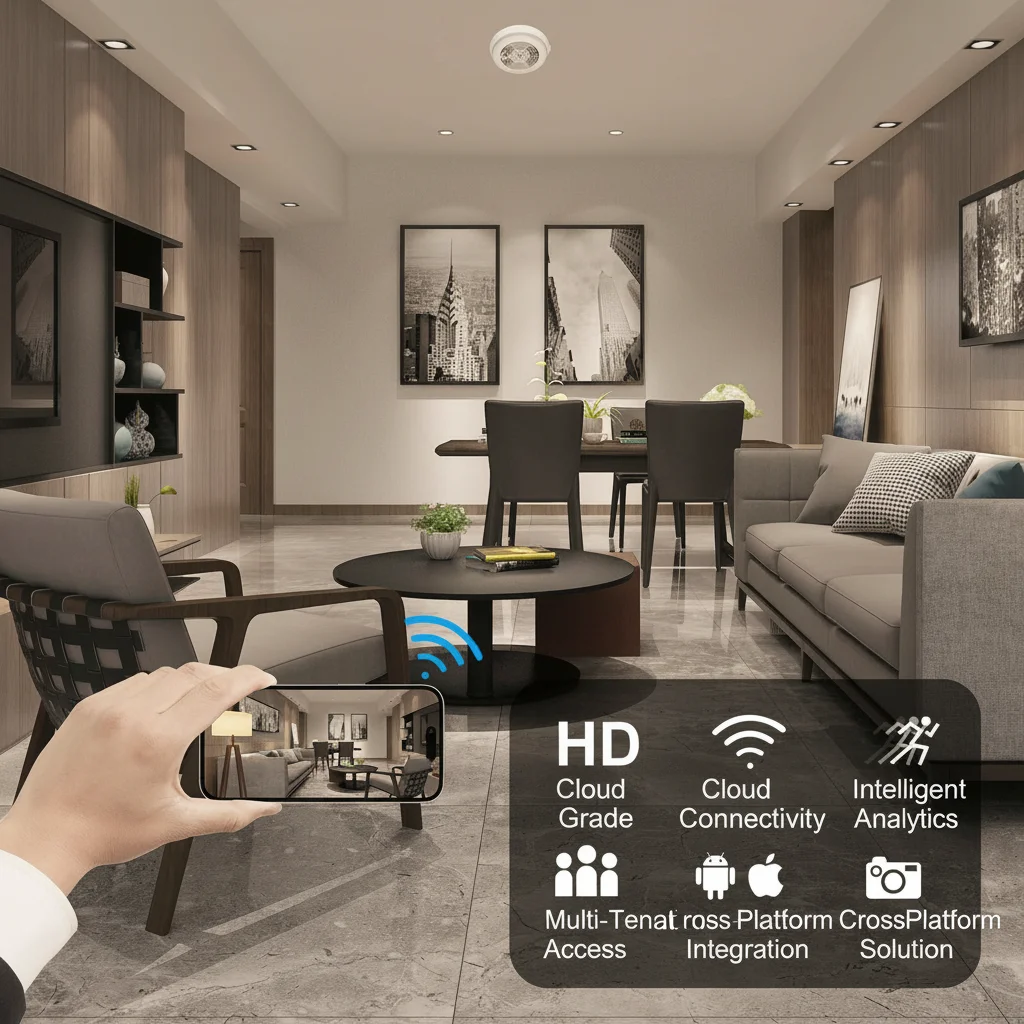
Basic motion detection measures pixel changes. A tree branch moving in front of a window can trigger it. A car headlight sweeping across a wall can trigger it. The result is dozens of false alarms per day.
Smart motion detection adds an object-classification layer. The camera decides whether the moving object is a person, an animal, or something else. Alerts become useful. Battery-powered cameras last longer because they do not wake up for every shadow. This matters for the Powerbank-Kamera, where standby time is a selling point.
Some systems also support activity zones. The user draws a box on the app and the camera only alerts when motion happens inside that area. This is useful when covering a doorway, cash register, or safe.
Kernaussage: Smart motion detection filters out false alarms and extends battery life.
| Motion Detection Type | False Alarm Rate | Bester Anwendungsfall |
|---|---|---|
| Pixel-based | Hoch | Indoor spaces with little activity |
| Human-only AI | Mittel | Offices, hallways, entry points |
| Human + vehicle AI | Niedrig | Warehouses, parking areas |
| Activity-zone AI | Sehr niedrig | Specific targets like doors or registers |
Why Are B2B Buyers Interested in AI Hidden Cameras?
Business buyers care about efficiency, not novelty.
AI hidden cameras reduce wasted storage, cut false alarms, and make post-event searches faster.

A retail shop using a standard hidden camera might record 12 hours of footage every day. Finding the moment a customer stole an item means scrubbing through all of it. An AI camera can tag recordings by person, motion type, or time. The search that used to take an hour now takes minutes.
Security teams also benefit. A camera watching a back entrance can ignore animals and delivery trucks but alert when an unrecognized person appears after hours. Facilities managers can receive a daily summary of who entered which room instead of a flood of irrelevant clips.
The business case is strongest when labor costs are high. A single guard reviewing footage costs far more over a year than the AI camera premium. That is why corporate buyers in Germany, France, and the UK are willing to pay 40-60% more for face recognition and smart alerts.
Kernaussage: AI cameras save time in review, storage, and alert management.
| Buyer Benefit | How AI Delivers It |
|---|---|
| Faster incident review | Person-based tagging and search |
| Fewer false alarms | Human/vehicle classification |
| Lower storage costs | Motion-aware recording instead of continuous |
| Better compliance | Audit trails with metadata |
How Accurate Is Face Recognition in Covert Devices?
Accuracy depends on lighting, angle, and the size of the database.
Entry-level AI hidden cameras achieve face detection accuracy above 90% in good lighting, but recognition accuracy drops when faces are partially hidden, poorly lit, or seen from extreme angles.
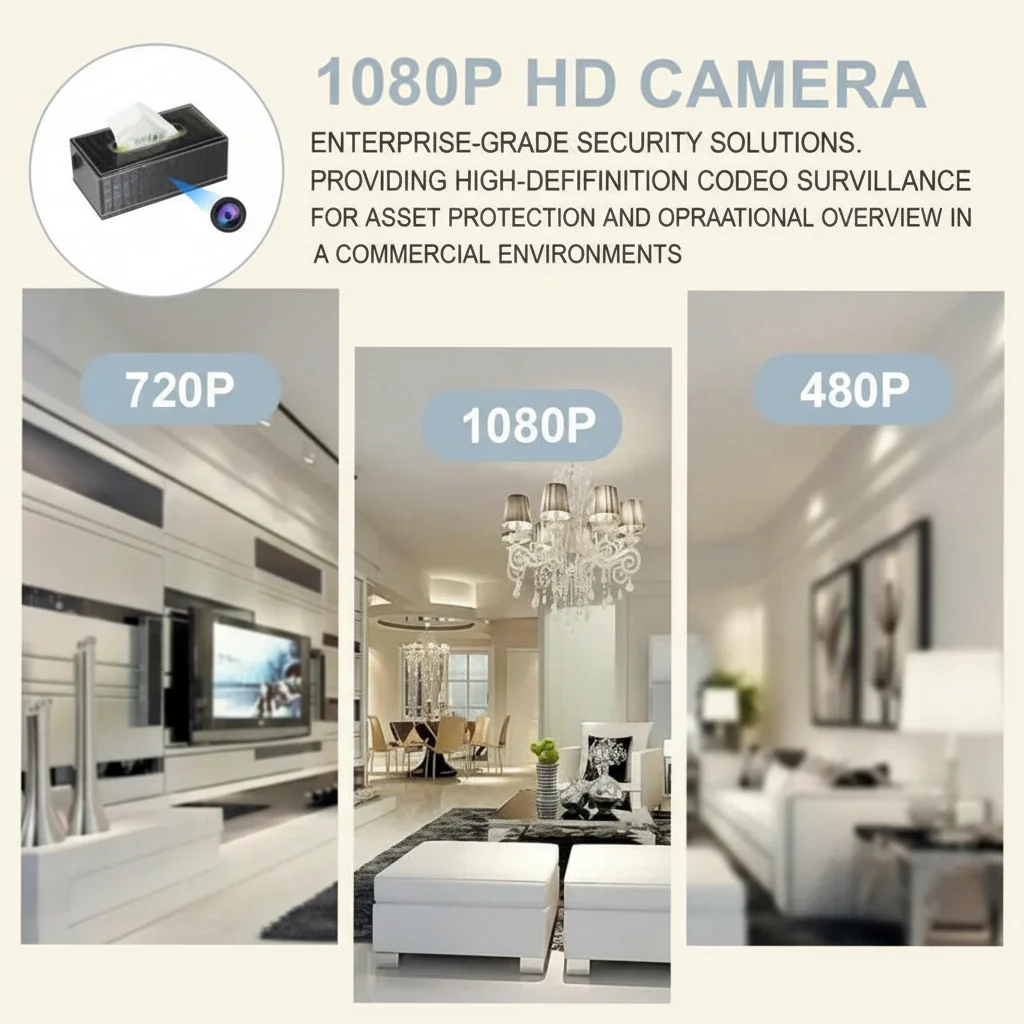
Resolution is the first factor. A 1080p camera captures enough detail for detection across a small room. Recognition at distance needs 2K or 4K. The WiFi wall clock camera with 4K resolution is better suited for AI analytics than a 720p unit.
Lighting matters just as much. Strong backlight can silhouette a face. Very low light forces the camera to rely on infrared, which produces less facial detail. Advanced units use wide dynamic range and AI-based low-light enhancement.
False positives are another concern. A system that confuses two employees quickly loses trust. Most B2B buyers should treat AI hidden cameras as screening tools, not forensic evidence systems.
Kernaussage: Good lighting and resolution matter more than marketing claims.
| Faktor | Impact on Accuracy |
|---|---|
| Auflösung | 4K > 1080p > 720p for recognition |
| Beleuchtung | Even, front-facing light is best |
| Winkel | Frontal faces work better than profiles |
| Database size | Smaller databases give fewer false matches |
What Are the Main Use Cases for AI Hidden Cameras?
AI features make the most sense when someone needs to find people quickly or filter out noise.
The strongest B2B use cases are access monitoring, loss prevention, staff verification, and restricted-area alerts.
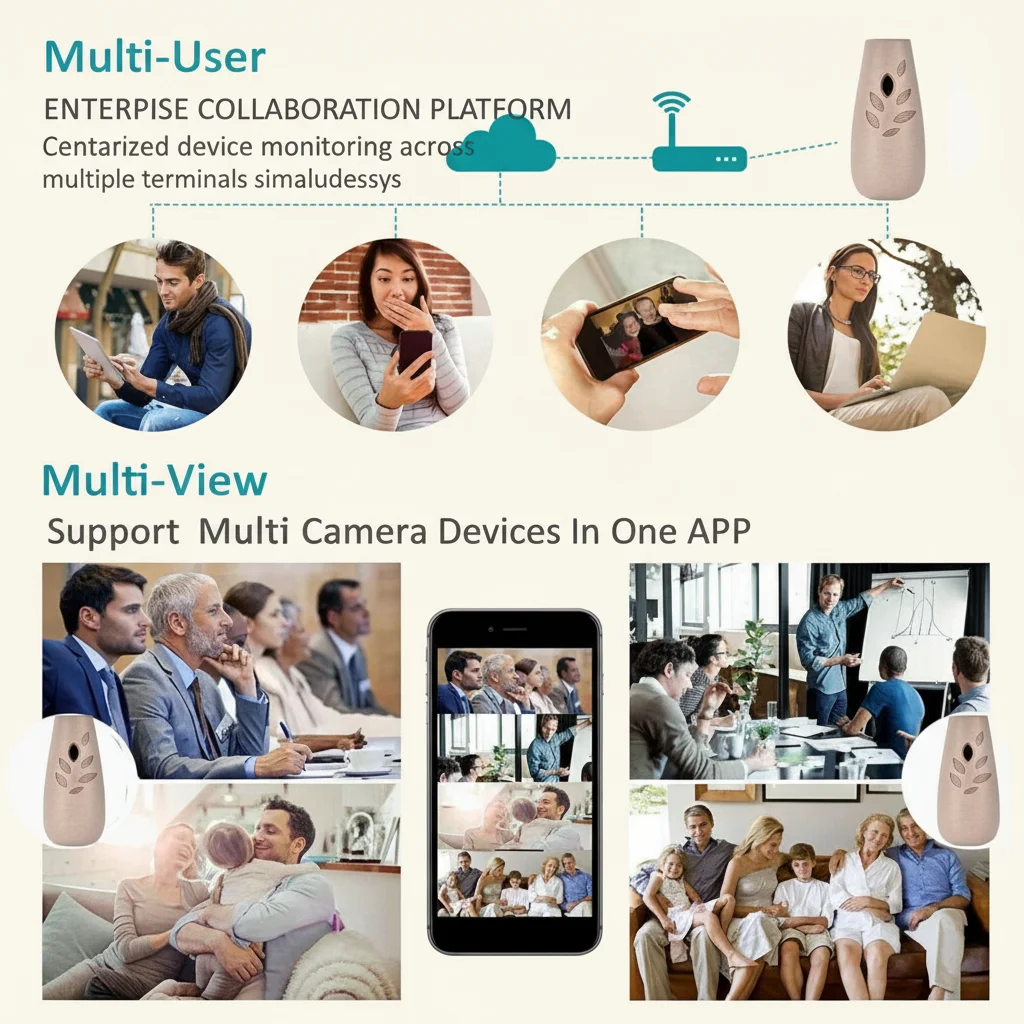
In an office, an AI camera near a server room can alert when an unauthorized person enters and log entries for compliance audits. In retail, a camera above a high-value display can flag when a known shoplifter returns. In hospitality, managers can verify staff entered a room at the scheduled time without reviewing hours of footage.
Journalists and investigators use wearable AI cameras for situational awareness, though accuracy is lower on moving subjects. Glasses cameras like the covert HD camera glasses benefit from smart recording that starts only when a person is in frame, saving battery and storage.
The wrong use case is mass surveillance of public spaces. That runs into legal trouble in most of Europe and the United States.
Kernaussage: AI hidden cameras work best for controlled, high-value monitoring tasks.
| Anwendungsfall | AI Feature Used | B2B Buyer |
|---|---|---|
| Server room access | Person detection + alerts | IT security |
| Retail loss prevention | Face matching against known list | Retail ops |
| Staff verification | Time-stamped person logs | Facilities |
| Covert evidence collection | Smart recording on person detection | Investigators |
What Legal Risks Come with AI Facial Recognition?
AI face recognition is one of the most regulated areas of surveillance technology.
The EU AI Act bans real-time biometric identification in publicly accessible spaces for most purposes, and GDPR treats biometric data as a special category requiring explicit consent or strong legal basis.
Since February 2025, Article 5 of the EU AI Act has prohibited real-time biometric identification in public spaces, with limited law-enforcement exceptions. Emotion recognition in workplaces and schools is also banned. The Act takes full effect in August 2026, and penalties can reach 7% of global annual turnover.
GDPR Article 9 classifies biometric data used to identify people as special-category data. Businesses need a lawful basis, a data protection impact assessment, and clear individual notice. Storing face templates without consent is high-risk.
For B2B sellers, the safe approach is to avoid marketing AI hidden cameras for public-space face recognition. Focus instead on private-property access control, staff verification with consent, and smart motion alerts that do not identify individuals.
Kernaussage: B2B sellers should market AI cameras for private access control, not public face recognition.
| Regulation | Key Restriction |
|---|---|
| EU AI Act Article 5 | Bans real-time biometric ID in public spaces |
| GDPR Article 9 | Biometric data is special-category data |
| UK-DSGVO | Similar rules post-Brexit |
| US state laws | Illinois BIPA and others require notice and consent |
What Hardware Specs Should B2B Buyers Check?
AI features need hardware support. A cheap chipset cannot run reliable face recognition.
B2B buyers should check processor type, resolution, low-light performance, storage, and power consumption.
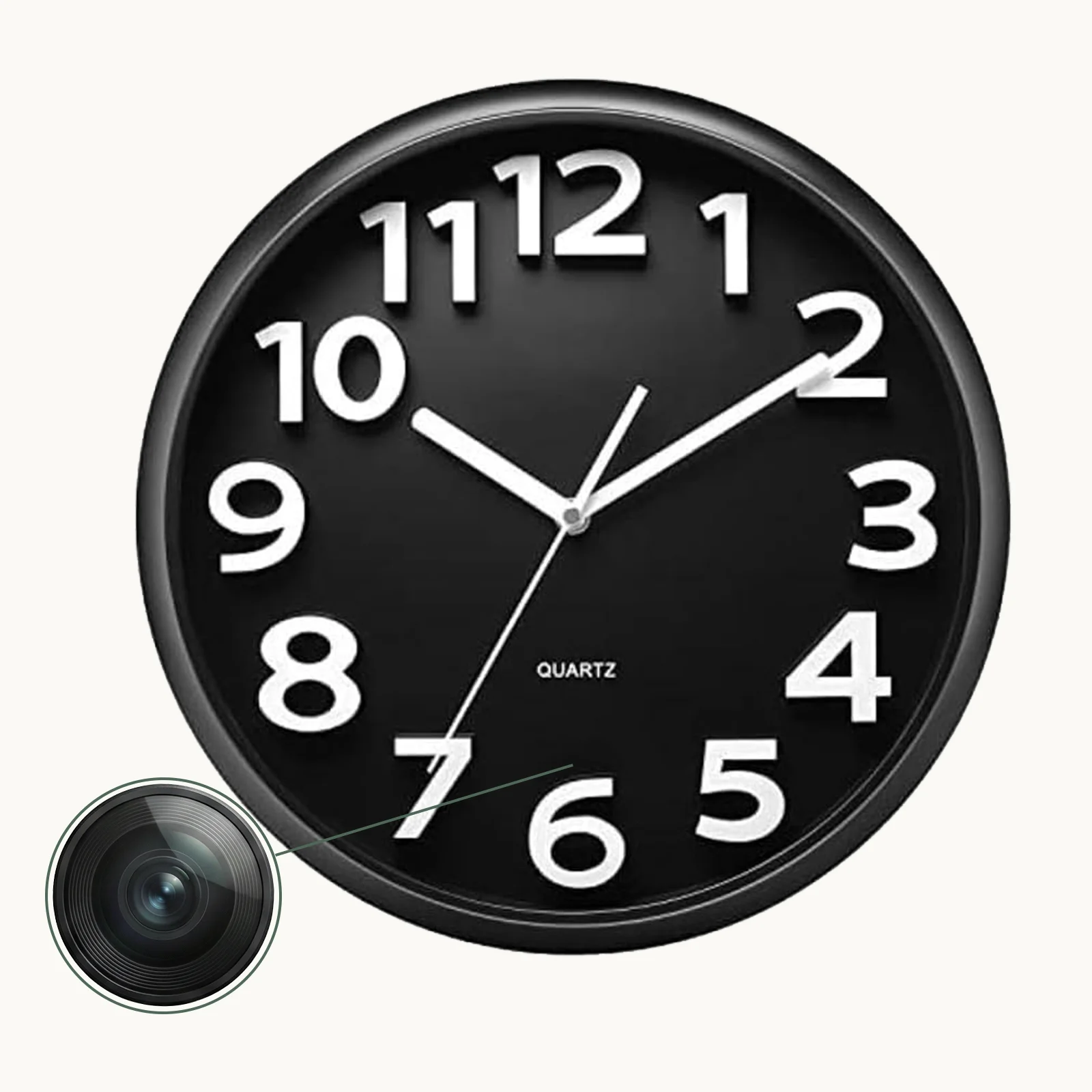
The processor is the most important spec. Look for cameras that mention a dedicated AI chip, NPU, or edge-AI processor. Generic chipsets may advertise “AI motion detection” but deliver little more than basic pixel analysis. Ask for the chipset model and whether face recognition runs locally.
Resolution should be at least 1080p for detection and 2K or 4K for recognition. Night vision should use no-glow infrared LEDs to stay covert. Local micro SD storage keeps data private; cloud storage may require GDPR compliance work.
Power consumption is higher for AI cameras. A battery-powered unit that runs for weeks in standby may last only days if face recognition is active continuously. For permanent installs, recommend AC-powered models like the USB-Ladegerät Kamera oder Steckdosenkamera.
Kernaussage: AI features need dedicated processors, good resolution, and reliable power.
| Spezifikation | Minimum for AI Detection | Minimum for AI Recognition |
|---|---|---|
| Auflösung | 1080p | 2K or 4K |
| Prozessor | Basic ARM chip | NPU or dedicated AI chip |
| Nachtsicht | Standard IR | No-glow IR |
| Leistung | Battery acceptable | AC power recommended |
How Should Distributors Source AI Hidden Cameras?
Sourcing AI cameras requires more diligence than sourcing standard cameras.
Distributors should verify the chipset, request accuracy claims in writing, test samples in realistic conditions, and confirm firmware update policies.
Start by asking which AI functions are real. Many listings use “AI” as a marketing term for basic motion detection. Request a demo video or sample that shows face recognition working in a normal office. If the supplier cannot provide one, the feature may not exist.
Next, check firmware update support. AI models improve over time, but only if the manufacturer updates them. A camera with a one-time firmware release will become outdated quickly.
Finally, protect yourself legally. Include a clause that the buyer is responsible for lawful use. Provide a data-protection note with each sale. This is especially important in the EU, Germany, France, and the UK.
Kernaussage: Verify AI claims with samples, not just datasheets.
| Sourcing Step | Was zu überprüfen ist |
|---|---|
| Chipsatz | Dedicated AI/NPU or generic processor |
| Demo | Sample showing real face recognition |
| Updates | Firmware and model update policy |
| Terms | Buyer responsibility for lawful use |
Häufig gestellte Fragen

Can a hidden camera with face recognition work without the internet?
Yes, if the AI processing runs on the device or a local hub. Cloud-based recognition needs an internet connection and raises additional privacy concerns.
Is AI face recognition in hidden cameras legal in the EU?
Real-time biometric identification in public spaces is banned under the EU AI Act. Private access control with explicit consent may be lawful, but buyers must conduct a DPIA and document their legal basis.
Does AI motion detection reduce false alarms?
Yes. AI motion detection classifies objects before alerting. It filters out shadows, pets, and weather-related movement that trigger basic pixel-based systems.
What resolution do I need for face recognition in a hidden camera?
1080p is enough for face detection in a small room. For recognition across larger spaces or at distance, 2K or 4K is better.
Should B2B distributors stock AI hidden cameras?
Yes, but selectively. AI cameras suit corporate, retail, and facilities buyers who need faster review and fewer false alarms. They are not for every customer.
Looking for AI-ready hidden cameras for your B2B catalog? Kontaktieren Sie QZT Security noch heute for 4K WiFi cameras, smart motion detection models, and EU-compliant sourcing support.

 English
  Italiano
  Deutsch
  Français
  Español
  Polski