
caméras wifi cachées dans des horloges vs cctv standard naviguer dans la nouvelle ère de la sécurité discrète 2.
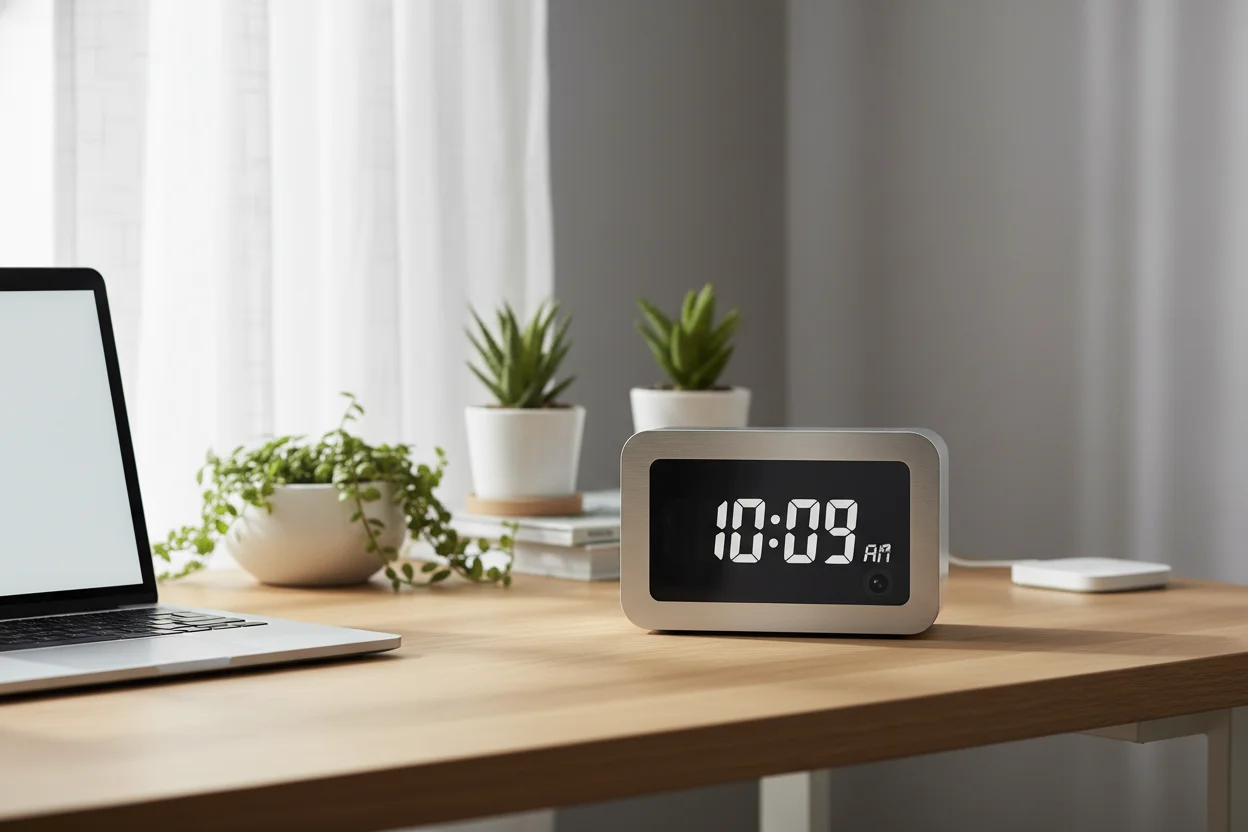
WiFi hidden clock cameras offer discreet, aesthetic surveillance ideal for retail and office spaces, whereas standard CCTV provides visible deterrence and continuous recording for high-risk areas. The choice depends on whether you need covert monitoring or an overt security presence.
As someone who has spent years navigating Shenzhen’s factory floors and now oversees QA for our European partners in Italy, I’ve seen exactly where generic security solutions fall apart. Let’s break down what actually works in the real world of B2B trade.
Which is better CCTV or Wi-Fi camera?
Frustrated by complex wiring and high installation costs of traditional CCTV? You want a plug-and-play solution, but worry that Wi-Fi cameras might lack the professional reliability your clients expect.
Wi-Fi cameras are better for rapid, non-invasive deployment and discreet monitoring, especially in retail or office environments. Conversely, standard hardwired CCTV is superior for large-scale, outdoor, or high-security areas requiring continuous, uncompromised data streams.
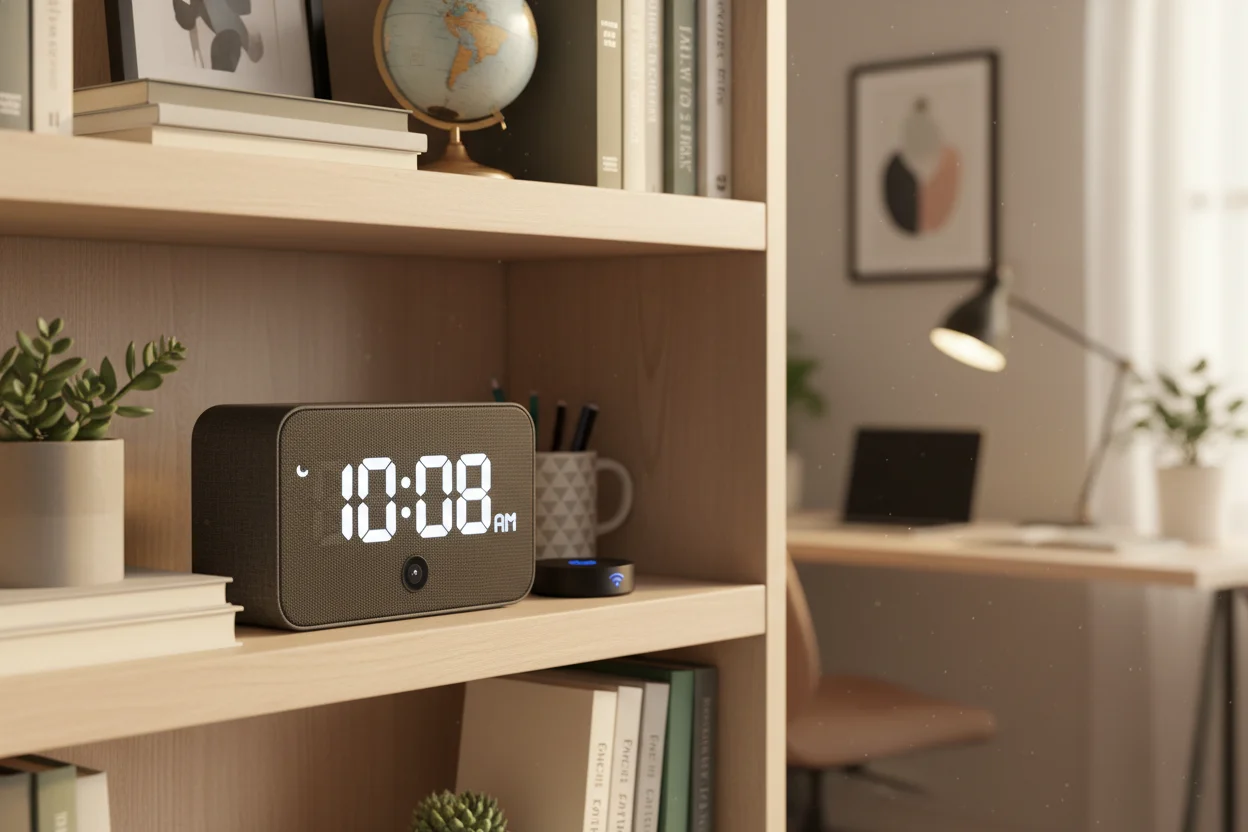
In my experience dealing with premium European markets, B2B buyers often struggle with this choice. A client recently approached us after their bulky CCTV cameras intimidated their boutique retail customers. They needed something invisible. However, switching to standard Wi-Fi cameras brought its own headaches. We frequently see buyers plagued by unstable apps and generic hardware that freezes. For instance, a common issue with standard Wi-Fi models is the video feed freezing even when the signal shows 100%, leaving only audio running. This happens because generic firmware struggles with continuous packet transmission over unstable local networks. My team addressed this by integrating specialized Tuya smart modules and rolling out localized firmware upgrades for our discreet clock models. If you are exploring our professional surveillance cameras, you’ll see how we prioritize stable app integration over mere hardware specs, ensuring your customers don’t face those dreaded “offline” notifications when they need security most.
What are the disadvantages of wireless CCTV cameras?
Worried about skyrocketing return rates because your wireless cameras keep dropping offline? Connectivity drops and power limitations can quickly turn a profitable product line into an after-sales nightmare.
The primary disadvantages of wireless CCTV cameras are their dependence on stable internet networks, susceptibility to signal interference, and reliance on battery power, which requires regular charging or battery replacement to maintain continuous surveillance.
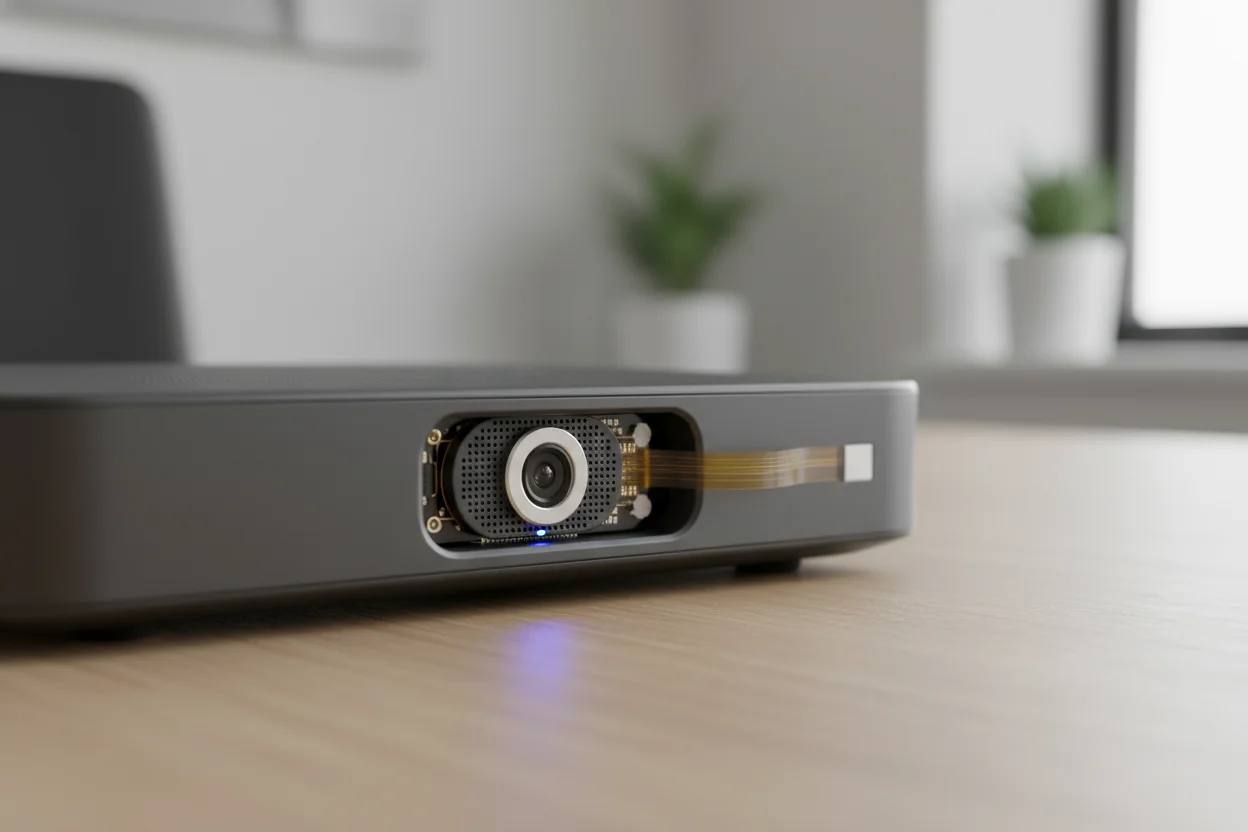
Soyons tout à fait honnêtes : le sans fil n'est pas parfait. Depuis nos centres d'assemblage en Italie, nous assurons un support après-vente en temps réel, et la plainte numéro un concernant les caméras sans fil génériques est l'instabilité du signal et les taux de retour élevés. Je me souviens d'un cas où un client grossiste a fait face à un taux de retour de 14 % sur des caméras à prise génériques en raison de coupures de connectivité et d'une mauvaise conformité européenne. Le problème n'était pas seulement le matériel ; c'était l'absence d'infrastructure localisée et le non-respect des strictes CE compliance standards which mandate specific radio frequency regulations across Europe. We solved this by offering immediate local returns, stepping in with remote installation guidance, and pushing targeted firmware upgrade packages that optimize bandwidth usage. When you rely on generic overseas factories with no local QA, you absorb that risk entirely. By partnering with a team that tests every Tuya module for stability before it hits your European warehouse, you transform a potential disadvantage into a unique, reliable selling proposition.
What kind of battery do these spy camera clocks use?
Struggling with customer complaints about battery life in covert cameras? Nothing ruins trust faster than a security device that dies after just a few hours of standby time, leaving properties vulnerable.
High-quality hidden clock cameras typically utilize rechargeable lithium-ion batteries, ranging from 1200mAh to 3000mAh. These provide sufficient power for extended standby times and continuous recording, especially when paired with motion-detection features to conserve energy.
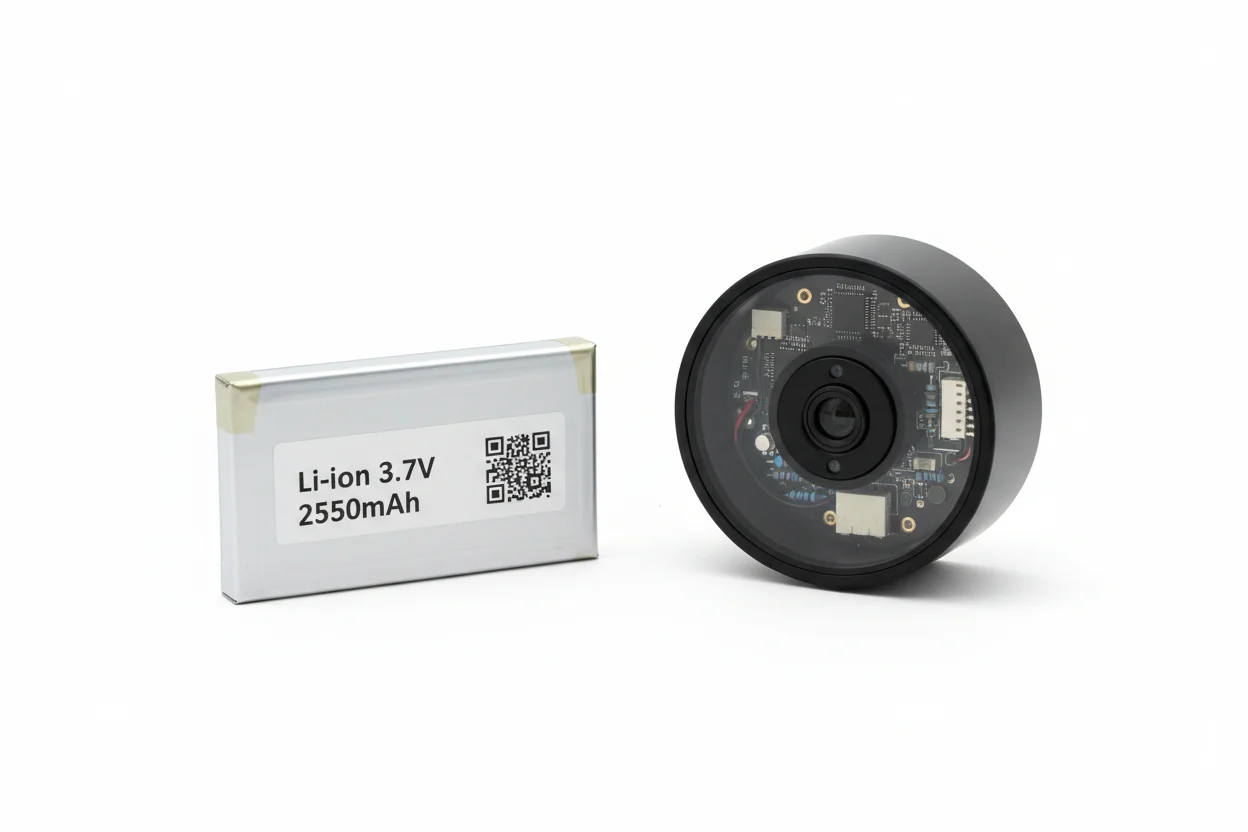
Power management is the silent killer of covert security. When you build a camera into a functional digital clock, space is at an absolute premium. You can’t just shove a massive power bank inside. In our production lines, we focus on high-density lithium-ion cells. For example, some of our top-performing covert units utilize custom-fitted batteries that balance safety with longevity. But hardware is only half the battle. A lot of our B2B partners initially complain that their previous suppliers’ batteries swelled or failed RoHS safety directives due to cheap, toxic materials. I always advise my retail buyers: don’t just ask about battery capacity; ask about thermal management. A tightly packed clock camera generating heat from continuous Wi-Fi transmission needs strict quality control. We’ve actively re-engineered our internal layouts to ensure heat dissipation, which not only extends the battery lifespan but guarantees your end-user won’t wake up to a malfunctioning device.
What recommendations does the police have regarding corporate security?
Unsure if your product offerings meet professional security standards? Selling non-compliant or easily spotted cameras can expose your clients to theft and legal liabilities.
Law enforcement generally recommends a layered security approach for corporate environments: combining visible, high-definition standard CCTV to deter crime, alongside discreet or hidden cameras to capture uncompromised evidence when primary systems are disabled or avoided by intruders.

Bien que je sois un stratège en chaîne d'approvisionnement plutôt qu'un officier de police, mes consultations régulières avec des intégrateurs de systèmes européens s'alignent parfaitement avec les conseils des forces de l'ordre. Une caméra de surveillance visible dit : « Nous vous surveillons », ce qui arrête les opportunistes. Mais les intrus organisés ciblent et aveuglent souvent ces unités visibles en premier. C'est là que les solutions cachées—comme nos horloges avec caméra cachée—deviennent inestimables. Elles fournissent l'œil caché et inébranlable qui capture les images critiques lorsque les systèmes principaux sont compromis. Un de nos partenaires grossistes a récemment partagé comment cette stratégie à double couche a permis à un client corporatif d'économiser des milliers en inventaire volé. Cependant, la conformité n'est pas négociable. Les lois sur la vie privée dans les marchés européens haut de gamme dictent comment et où l'audio et la vidéo peuvent être enregistrés. Lorsque vous approvisionnez votre inventaire, vous avez besoin d'un fournisseur qui comprend les détails concrets des réglementations locales, en veillant à ce que le firmware puisse désactiver l'enregistrement audio si la loi régionale spécifique l'exige. Il s'agit d'offrir un écosystème de sécurité intelligent, légal et impénétrable.
Conclusion
Whether your clients require the overt deterrence of standard CCTV or the subtle brilliance of WiFi hidden clock cameras, the key to scaling your B2B security business isn’t just the hardware—it’s the supply chain backing it. Secure your supply chain with a partner who understands local European challenges, offers real-time QA, and delivers products that actually work when it matters.

 English
  Italiano
  Deutsch
  Français
  Español
  Polski