
Mejores Cámaras de Bolígrafo Ocultas para Periodistas y Denunciantes en 2026: Guía de un Profesional
You are working on a story. The source says something critical — something that could change everything — and then goes quiet. The room feels heavy. You need documentation, but pulling out a phone feels like waving a red flag. That is exactly where a hidden pen camera becomes not a luxury, but a necessity.
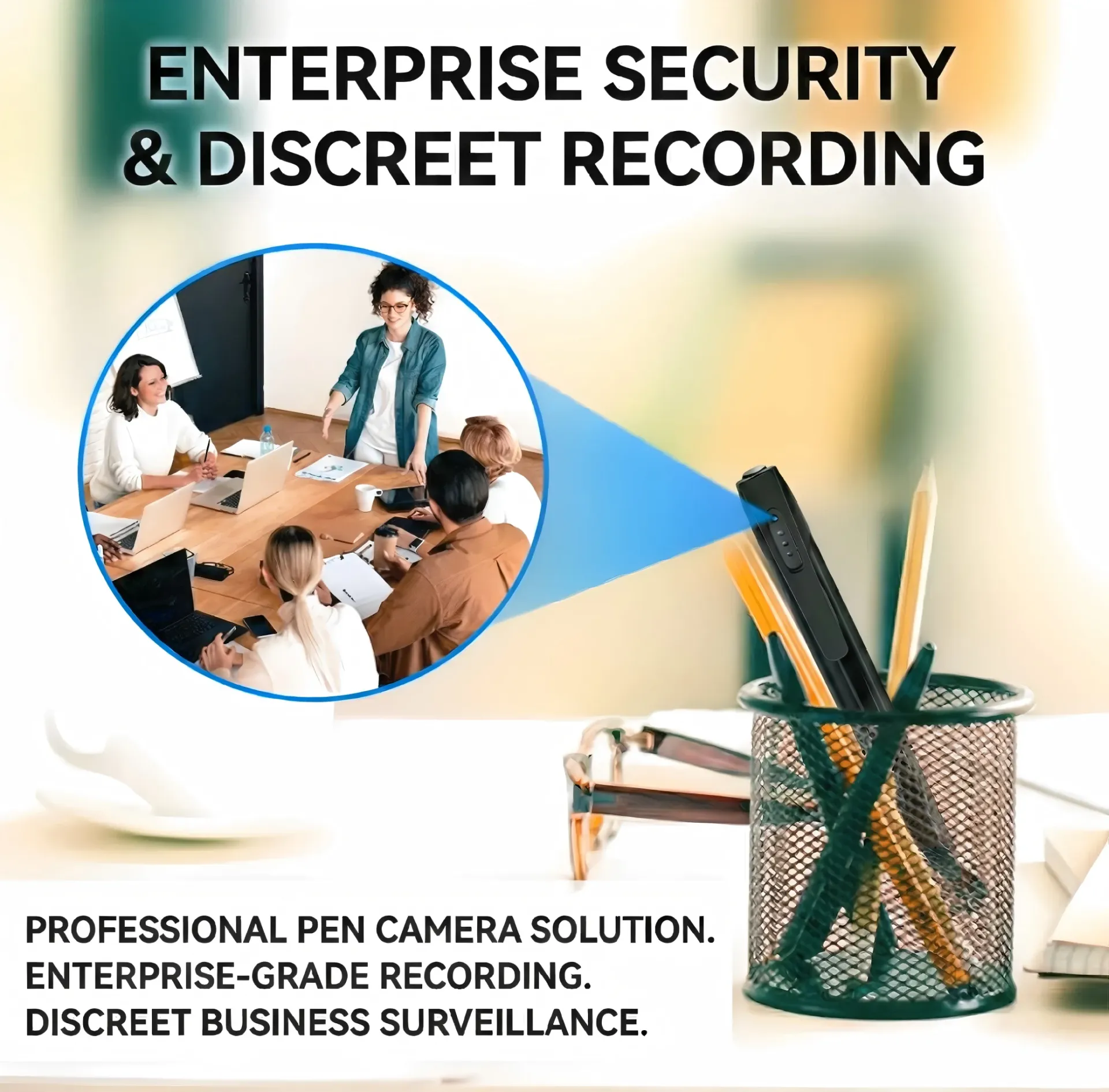
In 2026, investigative journalists, whistleblower attorneys, and independent reporters face a compressed window for gathering testimony. Sources increasingly fear retaliation. Employers coach employees on what they can and cannot say. In that environment, having a device that looks like a pen but records like a production-grade surveillance tool is a genuine competitive advantage.
This guide walks through the legitimate, professional applications of hidden pen cameras — and what separates a useful tool from a liability.
Why Traditional Recording Methods Fall Short in Investigative Work
Most journalists rely on smartphones. Here is the problem: smartphones are obvious. The moment you pull out your phone, frame it, and hit record, every person in the room recalibrates. Conversations shift. Sources self-censor. The dynamic changes in ways that contaminate the very evidence you were trying to capture.
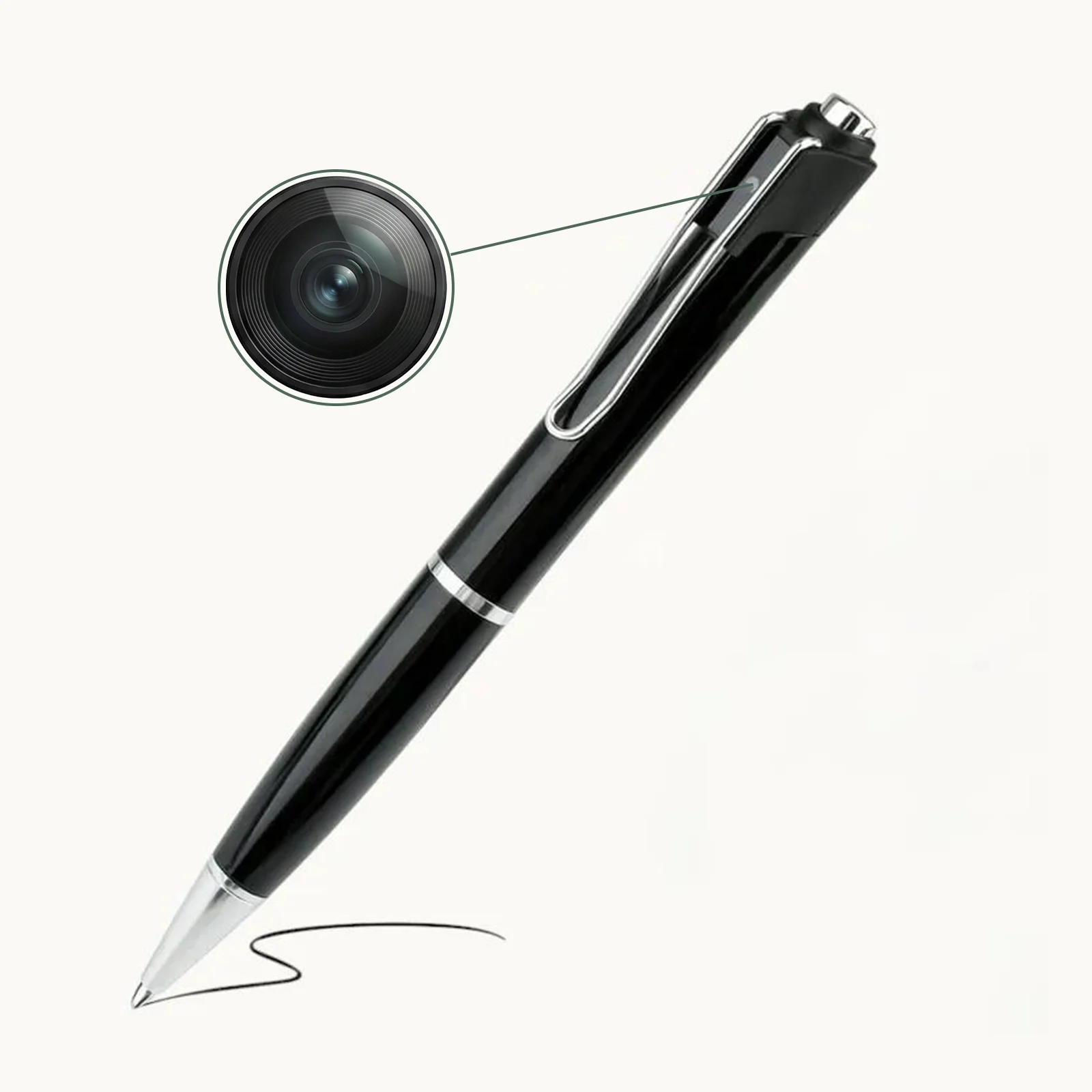
A pen camera solves this structurally. It does not require you to change your behavior. You take notes with it, you click it open, you leave it on the table — and it records. Nobody adjusts their posture because nobody registers that recording is happening.
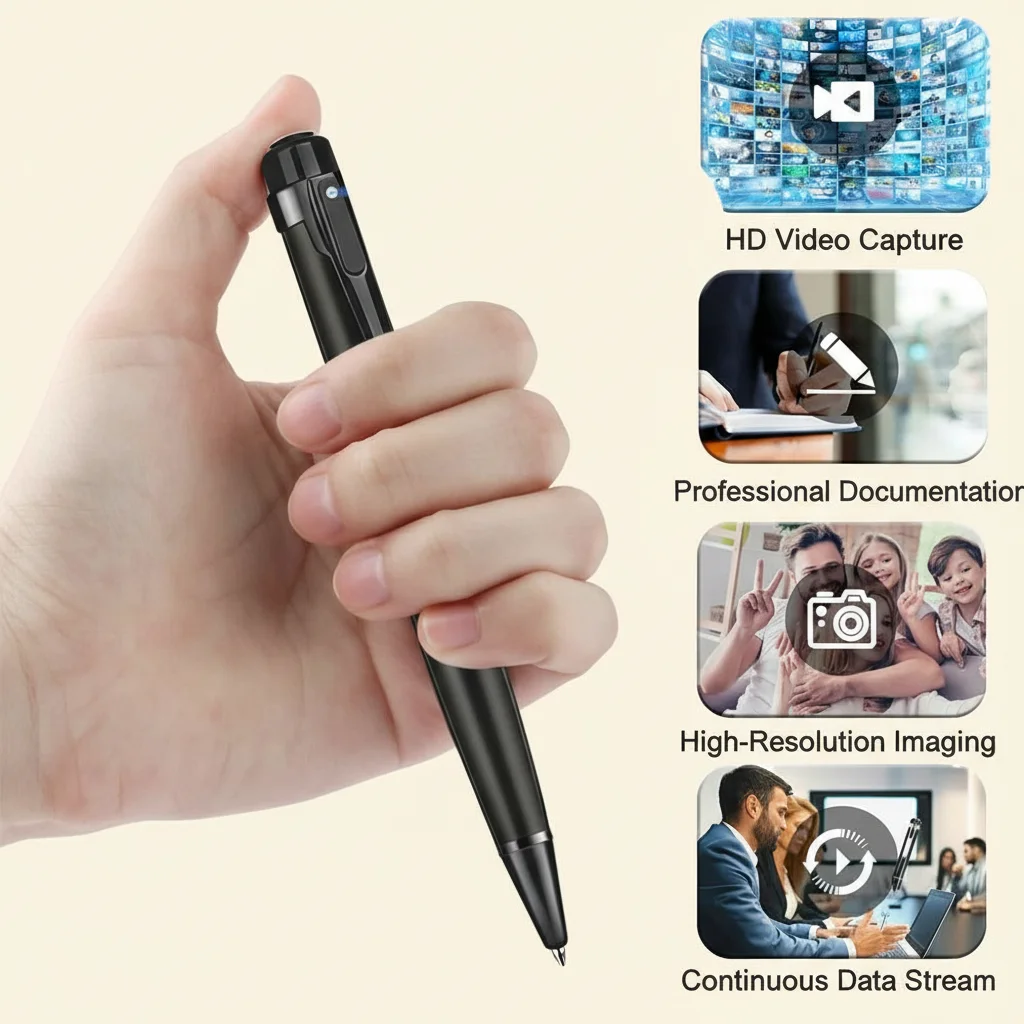
The other limitation of smartphones is battery anxiety. Journalists working long stakeouts, traveling between interviews, or operating in areas with limited power access cannot afford a device that dies at the wrong moment. Most pen cameras run 2-4 hours on a single charge, which covers the majority of interview sessions. The W9 pen camera from QZT Security offers up to 3 hours of continuous 1080P recording with a 12-megapixel still photo capability — enough for both video and frame captures when lighting is unpredictable.
What Professional-Grade Pen Cameras Actually Deliver in 2026
Here is what most product descriptions do not tell you: the real differentiator between a toy and a tool is not resolution alone. It is the combination of audio capture quality, storage reliability, and the ability to operate without drawing attention.
Audio Recording Standards
For investigative work, audio is often more valuable than video. A sharp visual frame means nothing if you cannot hear what was said. Look for pen cameras that record at 192kbps or higher — that is the threshold at which voices remain intelligible even when recorded through jacket pockets or across a conference table.
The W10 pen camera pushes further with 30-megapixel photo resolution and 128GB maximum storage. In practical terms, that is roughly 16-20 hours of 1080P video before you need to offload. For extended surveillance or multi-day reporting trips, that capacity eliminates the anxiety of running out of space mid-assignment.
The One-Button Principle
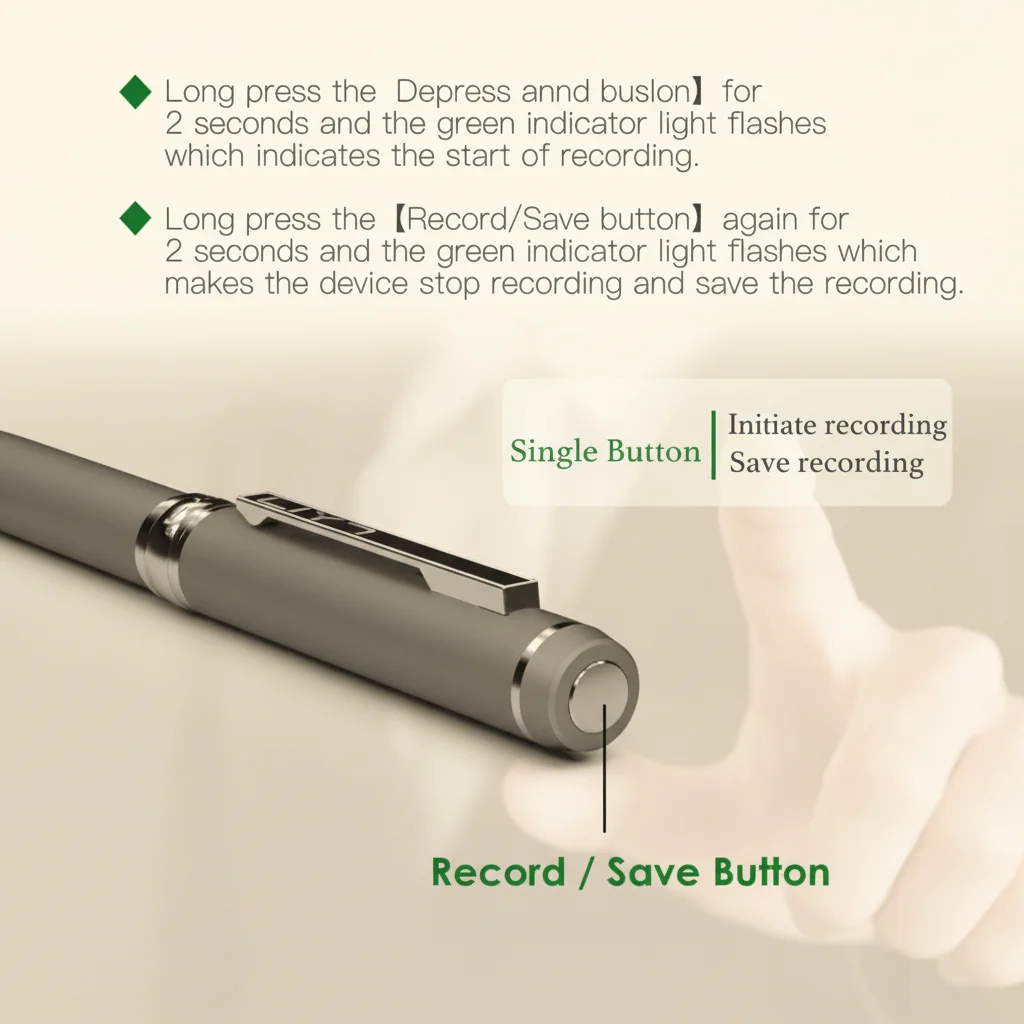
Every second you spend fumbling with settings is a second your source notices something is different. Professional-grade covert pens operate on a single button. One press to start, one press to stop. No lights, no beeps, no visible indication of recording status. The entire interaction should feel identical to picking up and putting down a pen.
Connectivity Considerations
Some pen cameras now offer WiFi connectivity for live streaming to a paired device. This is useful in scenarios where a journalist wants a colleague to monitor remotely, but it introduces a trade-off: active WiFi can produce a faint radio frequency signature that sophisticated counter-surveillance equipment might detect. For high-risk source meetings, a recording-only model with no wireless transmission is the safer choice.
Whistleblower Scenarios: When Is a Pen Camera the Right Tool?
Not every situation justifies covert recording. Here is how to think about when a pen camera genuinely serves the whistleblower or their legal representative.
Employment Disputes and HR Conversations
Employees documenting discriminatory conduct, hostile work environments, or harassment often have limited legal options if they cannot prove what was said. In the UK, the Acas Early Conciliation process and Employment Tribunal proceedings both benefit from contemporaneous records. A pen camera that captures a discriminatory comment made by a manager — recorded lawfully under one-party consent rules — can be submitted as evidence in tribunal proceedings.
The key phrase is “lawfully.” Recording a conversation you are party to, in a workplace setting where there is limited expectation of complete privacy, is lawful in the majority of EU member states and in approximately 40 US states.
Legal Consultation Documentation
Whistleblowers working with attorneys often face the challenge of communicating complex sequences of events. A pen camera recording of a follow-up meeting with a problematic supervisor — conducted openly after legal consultation — creates a reliable reference document that helps attorneys prepare claims accurately. It also protects the whistleblower against future accusations that they misrepresented what was said.
Protecting Sources in Dangerous Jurisdictions
Reporters operating in countries where press freedom is constrained face genuine physical risk. A pen camera that looks like a writing instrument is among the least provocative recording options available. It can be carried into government buildings, legal offices, and private residences without triggering the suspicion that a body camera or phone would.
This is the section that matters most, and it is where many journalists and their sources make costly assumptions.
United States Framework
The United States does not have a uniform federal wiretapping law that applies to all situations. Instead, it operates on a state-by-state framework with two broad categories:
One-party consent states (majority): You may record a conversation if you are a participant in that conversation, without informing the other parties. You do not need consent from anyone else in the room. States include New York, Texas, Florida, Ohio, and most others.
Two-party (all-party) consent states: Every person in a conversation must consent to being recorded. Recording without full disclosure is a criminal offense in these jurisdictions. California is the most prominent example, along with Illinois, Maryland, Montana, Nevada, New Hampshire, Pennsylvania, and Washington.
In California specifically, Penal Code Section 632 makes it a misdemeanor to intentionally and without consent record a confidential communication. “Confidential” has been interpreted broadly by California courts — it covers any communication conducted under circumstances that suggest the parties expect privacy, which could include many professional meetings.
European Union Framework
The EU does not have a single recording consent standard. Instead, GDPR Article 6 provides the lawful basis framework, with Article 6(1)(f) — legitimate interests — being the most commonly cited basis for workplace monitoring. However, national implementations vary significantly.
Germany is notably strict: it maintains a broad prohibition on secret audio recordings, rooted in personality rights (Allgemeines Persönlichkeitsrecht, APR). Even one-party recordings in workplace settings have been challenged in German courts.
France, the Netherlands, and Belgium are more permissive for recordings made by a participant, though employers face stricter requirements when recording employees.
The UK, post-Brexit, operates under the Investigatory Powers Act 2016 and the Data Protection Act 2018. The Information Commissioner’s Office (ICO) has taken the position that covert recording by employees in the workplace is generally lawful where there is a genuine belief that unlawful activity is occurring, though employers should seek legal advice before implementing systematic covert recording.
Específicamente para periodistas, la mayoría de los países de la UE reconocen una exención periodística cualificada bajo el Artículo 85 del RGPD que permite grabar sin consentimiento cuando sirve a un interés público legítimo.
Chain of Custody: How to Preserve Recordings for Legal Proceedings
Grabar la conversación es solo la mitad de la batalla. Si sus imágenes alguna vez necesitan usarse en un tribunal, arbitraje o procedimiento penal, deberá demostrar que no han sido alteradas.
Step 1: Do Not Touch the Original File
Después de grabar, transfiera una copia a una ubicación segura — no edite el original. Cualquier modificación al archivo fuente, incluido recortar espacios muertos, genera dudas sobre la autenticidad.
Step 2: Document the Circumstances
Cree un registro escrito inmediatamente después de la grabación: fecha, hora, ubicación, participantes (o descripción de participantes si las identidades son desconocidas) y propósito de la grabación. Esta documentación contemporánea tiene un peso probatorio significativo.
Step 3: Secure Storage
Suba el archivo original a un servicio en la nube que mantenga historial de versiones y registros de acceso. Los servicios que utilizan almacenamiento WORM (Write Once, Read Many) son ideales porque evitan modificaciones accidentales o intencionales.
Step 4: Note Any Gaps
Si la grabación se interrumpió, se vio afectada por una batería agotada o tiene cualquier otra irregularidad, documente esto. Intentar ocultar un vacío parece mucho peor que explicarlo de antemano.
How QZT Security Supports Professional Investigative Buyers
QZT Security suministra equipos de grabación encubierta a periodistas, profesionales legales e investigadores en toda la UE y el Reino Unido. Nuestra gama de cámaras de bolígrafo incluye modelos con y sin conectividad WiFi, almacenamiento de 32 GB a 128 GB y calidad de captura de audio calificada para grabación legalmente admisible.
Para periodistas y denunciantes que trabajan en entornos de mayor riesgo, ofrecemos opciones de compra al por mayor y podemos proporcionar documentación técnica adecuada para procedimientos legales. Explore nuestra gama de cámaras de bolígrafo para encontrar el modelo adecuado para tu caso de uso.
Preguntas frecuentes
Sí, en la mayoría de las circunstancias. Bajo la Ley de Protección de Datos de 2018 y la orientación de la ICO, los empleados pueden grabar conversaciones en el lugar de trabajo de manera encubierta cuando tienen una preocupación genuina sobre conductas ilegales, incluido acoso, discriminación o violaciones de seguridad. Debe documentar sus razones para grabar y buscar asesoramiento legal antes de usar las imágenes en procedimientos judiciales.
What happens if I record in a two-party consent state by accident?
En la mayoría de los casos, las imágenes no serán admisibles como prueba en procedimientos penales o civiles, y puede enfrentar cargos penales según las circunstancias. Si se da cuenta de que ha grabado ilegalmente, deténgase inmediatamente y consulte a un abogado. No comparta ni publique la grabación sin orientación legal.
How do I know if my pen camera is recording legally in another country?
Investigue las leyes específicas de interceptación o privacidad del país antes de viajar internacionalmente con equipo de grabación. El marco de la UE bajo el RGPD varía según la implementación nacional. EE. UU. opera con reglas de consentimiento a nivel estatal. En todos los casos, si usted es participante en la conversación, tiene una posición legal más sólida que si es un observador externo.
Can a pen camera recording be used in an Employment Tribunal?
Sí, bajo las condiciones adecuadas. Los Tribunales de Empleo del Reino Unido han admitido grabaciones encubiertas en el lugar de trabajo cuando son relevantes para la disputa y cuando el demandante tenía una razón legítima para grabar. El tribunal evaluará el valor probatorio de la grabación frente a cualquier preocupación de privacidad caso por caso.
What audio quality do I need for a recording to be legally admissible?
No existe un estándar mínimo de calidad obligatorio, pero las grabaciones deben ser inteligibles — un juez o panel judicial debe poder entender lo que se dijo. Como referencia práctica, una tasa de bits de 192 kbps con frecuencia de muestreo de 48 kHz es ampliamente aceptada como suficiente para procedimientos legales. Las grabaciones de menor calidad pueden admitirse pero enfrentan un escrutinio mayor.
Final Thoughts
Una cámara de bolígrafo oculta es un instrumento de precisión. Sirve al periodista que la usa con intención, preparación y conciencia legal — y expone al usuario que la toma casualmente sin comprender la jurisdicción en la que opera.
Si eres un periodista de investigación, defensor de denunciantes o profesional legal, la cámara de bolígrafo vale la pena dominarla. La diferencia entre una herramienta que te protege y una que crea responsabilidad a menudo se reduce a saber qué modelo elegir, cómo operarlo y qué exige la ley antes de presionar el botón de grabación.

 English
  Italiano
  Deutsch
  Français
  Español
  Polski