
App LookCam: riesgos de seguridad y qué sucede si los servidores se apagan
La aplicación LookCam puede conectar un teléfono a cámaras P2P de bajo costo para visualización en vivo, configuración y almacenamiento en la nube. El problema es que investigadores independientes encontraron graves debilidades de seguridad en el sistema de cámara que probaron: comprobaciones de contraseña ineficaces, tráfico de red mal protegido, acceso a la nube vinculado principalmente a un ID de dispositivo y ninguna vía práctica de actualización de firmware.
LookCam sigue disponible en julio de 2026. No ha cerrado. El riesgo a más largo plazo proviene de cómo está construido el sistema. El acceso remoto depende de servidores P2P centrales, mientras que el hardware se vende a través de una red difícil de rastrear de fabricantes de módulos, ensambladores, marcas y vendedores de marketplaces. Si los servidores desaparecen o se retira la aplicación, una cámara que funciona puede perder las funciones que hicieron que el cliente la comprara.
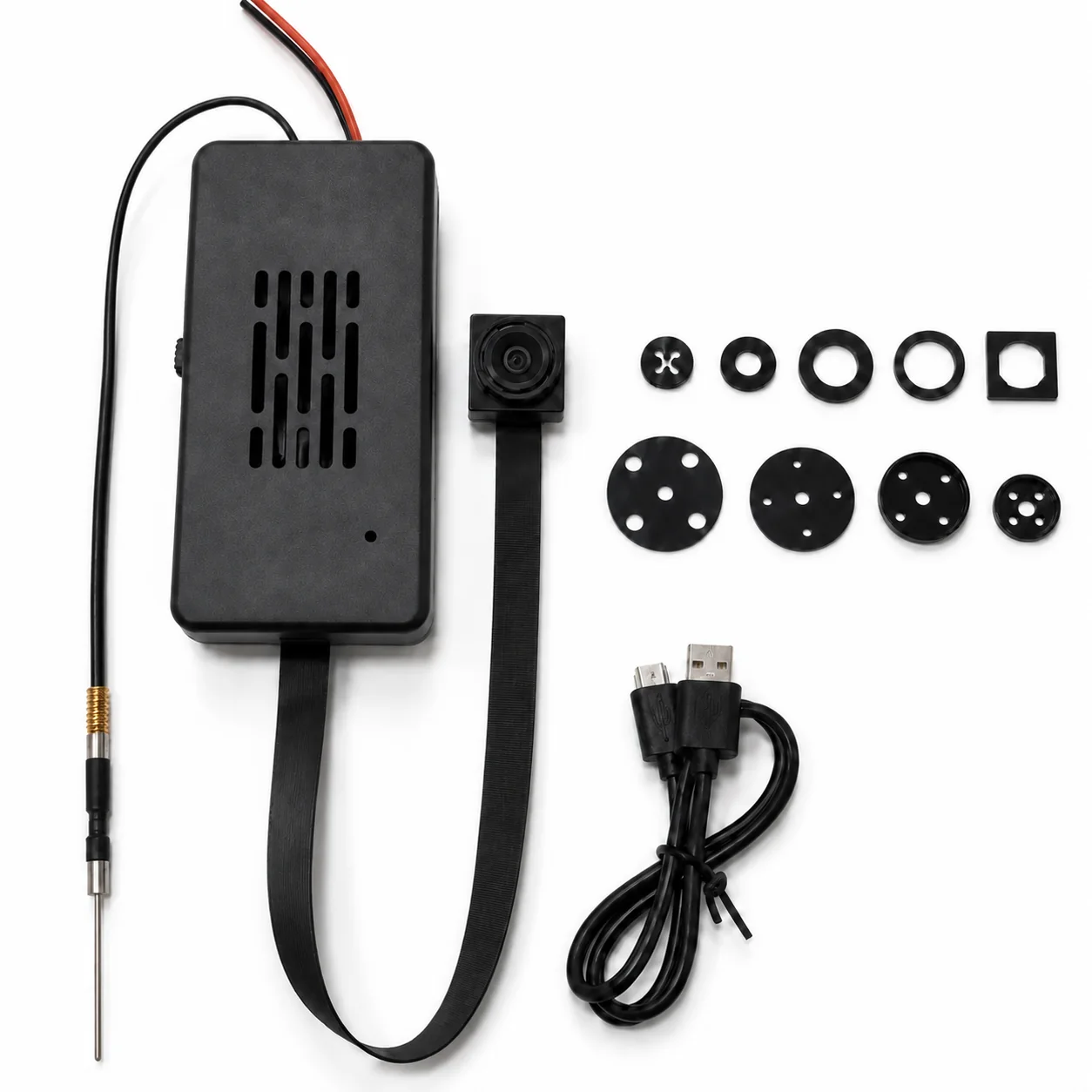
¿Sigue funcionando la app LookCam en 2026?
Yes. The Ficha de LookCam en Google Play muestra más de un millón de descargas y una actualización con fecha del 29 de junio de 2026. La ficha nombra a un desarrollador individual en China, proporciona una dirección de soporte de Hotmail y enlaces a lookcam.cn. Google Play también indica que la aplicación puede compartir la ubicación y los identificadores del dispositivo con terceros.
En Ficha en la Apple App Store nombra a un vendedor individual diferente. Indica la versión 1.6.8, con fecha del 2 de diciembre de 2025, y señala que la ubicación y los identificadores pueden usarse para el rastreo. La app también vende suscripciones de almacenamiento en la nube mediante compras dentro de la aplicación.
Esos anuncios demuestran que LookCam se distribuye actualmente. No establecen quién posee la plataforma completa, quién opera cada servidor P2P, cuánto tiempo continuará el servicio ni qué empresa es responsable de cada cámara vendida bajo una marca diferente.
LookCamPro no debe tratarse como el mismo sistema. El investigador de seguridad Wladimir Palant descubrió que LookCamPro parece similar pero es técnicamente diferente de la aplicación LookCam examinada en su investigación.
¿Qué encontraron los investigadores en las cámaras compatibles con LookCam?
Dos investigaciones independientes llegaron a conclusiones preocupantes.
En 2023, los investigadores Samuel Herodotou y Feng Hao de la Universidad de Warwick publicaron Espiando al espía: análisis de seguridad de las cámaras ocultas. Examinaron un módulo de cámara genérico controlado a través de LookCam y encontraron vulnerabilidades en autenticación, firmware, gestión de sesiones y comunicación remota. Su prueba de concepto demostró que un atacante que conociera el número de serie de una cámara podía tomar el control desde fuera de la red local.
Los investigadores revelaron los hallazgos al fabricante. Según el documento, el fabricante reconoció el trabajo pero no mostró intención de solucionar los problemas. Los investigadores tampoco encontraron un mecanismo de actualización remota viable. Una vez que los módulos habían pasado por mayoristas, ensambladores y vendedores de marketplaces, se consideró poco práctico parchearlos o retirarlos.
La misma investigación condujo a CVE-2023-30400, una vulnerabilidad de inyección de comandos en la plataforma Anyka AK3918EV300. La Base de Datos Nacional de Vulnerabilidades de EE. UU. le otorga actualmente una puntuación CVSS 3.1 de 9.8, clasificada como crítica.
En 2025, Palant probó otra cámara compatible con LookCam y publicó un análisis técnico detallado. Informó que el firmware probado no aplicaba correctamente la contraseña de acceso, gran parte de la comunicación no estaba cifrada, las solicitudes a la nube carecían de autenticación significativa más allá del ID del dispositivo y la cámara no tenía un proceso de actualización de firmware utilizable.
Estos hallazgos no prueban que todas las cámaras que se hayan emparejado con LookCam tengan hardware o firmware idénticos. Sí demuestran por qué un logotipo de aplicación y una prueba exitosa de visualización en vivo de cinco minutos no son suficientes para aprobar un producto.
¿Por qué una cámara LookCam depende de servidores P2P centrales?
Las cámaras LookCam utilizan conectividad P2P para que el cliente pueda ver una cámara desde fuera de la habitación sin configurar manualmente el reenvío de puertos en el router. A pesar del nombre, la conexión sigue dependiendo de servidores centrales. La cámara informa su ubicación de red a esos servidores, y el teléfono pregunta a los servidores dónde encontrarla.
Eso facilita la configuración. También otorga al operador de la plataforma un papel importante en cada conexión remota.
Palant descubrió que su cámara de prueba requería una respuesta del servidor. Cuando se bloqueó el acceso a internet, el dispositivo entró en un bucle de reinicio en lugar de seguir funcionando como una cámara local estable. Una revisión de hardware diferente puede comportarse de otra manera, por lo que esto debe probarse en la muestra exacta que se va a pedir.
La dependencia del servidor crea varios puntos de fallo posibles:
– La visualización remota en vivo puede detenerse si los servidores P2P se apagan.
– Un teléfono nuevo puede no poder instalar la aplicación si la ficha de la tienda desaparece.
– Las grabaciones en la nube pueden volverse inaccesibles si la cuenta en la nube o el servicio de pago cierra.
– Las alertas de movimiento pueden detenerse incluso cuando la cámara sigue grabando en la MicroSD.
– Es posible que algunos firmware no funcionen con normalidad cuando no pueden contactar con el servidor.
La grabación local en MicroSD reduce parte del riesgo, pero solo si la cámara puede seguir grabando después de eliminar el acceso a internet. Ese comportamiento necesita una prueba real. Una hoja de especificaciones no puede responderlo.
¿Hay una sola fábrica LookCam detrás de todas estas cámaras?
No se puede verificar una única fábrica LookCam claramente identificada a partir de la evidencia pública.
Palant descubrió que las cámaras compatibles con LookCam que encontró no tenían marca y aparecían en múltiples carcasas, incluyendo relojes, cargadores, enchufes y portalámparas. No pudo identificar a las empresas que las fabricaban todas y sospechaba que varios proveedores de hardware utilizaban un módulo o plataforma de software común.
El documento de Warwick describe el mismo patrón de cadena de suministro. Un fabricante de módulos vende al por mayor. Otras empresas colocan el módulo en diferentes carcasas, añaden un nombre comercial y venden a través de distribuidores o marketplaces online. Cuando el cliente recibe el producto, es posible que el fabricante original del módulo no sepa qué marca está impresa en la caja.
Los registros de las tiendas de aplicaciones añaden otra capa de incertidumbre. Actualmente, Google Play y Apple listan diferentes desarrolladores individuales para LookCam. Esto puede reflejar cuentas de publicación separadas o acuerdos comerciales, pero no ofrece al importador una empresa claramente documentada que sea propietaria conjunta del hardware, el firmware, los servidores P2P y la responsabilidad posventa.
No encontramos ningún registro público fiable que demuestre que una “fábrica LookCam” con nombre haya sido objeto de redadas repetidas o haya desaparecido con los depósitos de los clientes. Presentar esa acusación como un hecho sería inexacto. El problema verificado es la ausencia de un propietario de plataforma claro y responsable en una cadena de suministro fragmentada.
¿Podría la aplicación de la ley en China interrumpir a un proveedor de cámaras ocultas?
Sí, esta categoría de productos enfrenta un riesgo real de aplicación de la ley en China, especialmente cuando los productos están diseñados o se venden como equipos ilegales de escucha o grabación encubierta. Esto no significa que todas las fábricas de cámaras en miniatura sean ilegales, ni prueba que un proveedor específico de LookCam haya sido objeto de redadas.
En 2021, la Administración del Ciberespacio de China, el Ministerio de Industria y Tecnología de la Información, el Ministerio de Seguridad Pública y el regulador del mercado anunciaron una campaña contra el comercio ilegal de cámaras para voyeurismo. El aviso pedía acciones contra la modificación ilegal de cámaras, su venta, las herramientas de hacking y las plataformas en la nube de cámaras mal protegidas.
A Caso de 2024 publicado por la Fiscalía Popular de Baoshan de Shanghái describió la producción ilegal de más de 2.000 dispositivos de grabación encubiertos disfrazados de relojes, baterías externas y altavoces. La policía incautó más de 170 dispositivos terminados y docenas de cajas de piezas, y los responsables fueron procesados.
Estos casos explican por qué un ensamblador anónimo o un proveedor de marketplace puede desaparecer de repente. Una acción policial es una posibilidad. Un vendedor también puede cambiar los nombres de la empresa, dejar de responder tras una queja en la plataforma, perder el acceso a una cuenta de aplicación o simplemente abandonar un chipset antiguo cuando las devoluciones se vuelven costosas.
Para un importador, el resultado es el mismo: el hardware sigue en stock, pero la persona que prometió soporte de firmware ya no está.
¿Qué le sucede a la cámara si LookCam cierra?
No hay un cierre de LookCam anunciado en el momento de escribir esto. La pregunta correcta es qué puede seguir haciendo la cámara comprada si la aplicación o los servidores no están disponibles más adelante.
| Función | Efecto probable del cierre de una aplicación o servidor | Pruebe antes de hacer el pedido |
|---|---|---|
| Vista en vivo remota | Puede detenerse porque el teléfono y la cámara dependen de servidores de descubrimiento P2P | Bloquee el acceso a internet y pruebe la visualización remota y local por separado |
| Grabación local en MicroSD | Puede continuar en algunos modelos | Grabe durante varias horas con el router desconectado y luego inspeccione la tarjeta |
| Instalación de la aplicación | Los teléfonos existentes pueden conservar la app, mientras que los nuevos podrían no encontrarla | Mantenga el nombre oficial del paquete, los enlaces a las tiendas y las versiones de sistema operativo compatibles en el archivo del producto |
| Almacenamiento en la nube | Puede volverse no disponible con escasa posibilidad práctica de recuperación | No trate el almacenamiento en la nube de pago como la única copia de las grabaciones importantes |
| Notificaciones de movimiento | Puede detenerse cuando los servicios push o en la nube no estén disponibles | Probar alertas tras reinicio del router, reinicio del teléfono y simulación de pérdida del servidor |
| Inicio de la cámara | Algunos firmware pueden reiniciarse o fallar cuando no se puede alcanzar el servidor | Reinicie la muestra mientras el acceso a internet está bloqueado |
Un importador también necesita un plan para los clientes que cambian de teléfono dos años después. Conservar un archivo de instalación antiguo no es una respuesta completa: los sistemas operativos móviles cambian, los certificados de firma caducan y una aplicación antigua puede que ya no se instale ni reciba notificaciones.
¿Qué debe preguntar antes de comprar una cámara LookCam?
No acepte “compatible con LookCam” como especificación completa de la aplicación. Solicite el nombre exacto del paquete y descárguelo de la tienda oficial antes de pagar por el stock. Verifique el nombre del desarrollador, la fecha de la última actualización, la declaración de privacidad y si el contacto de soporte responde a una pregunta técnica.
Luego pruebe la cámara como un sistema:
1. Cambie la contraseña de la cámara y confirme que la contraseña antigua ya no puede abrir el stream.
2. Elimine el acceso a internet dejando activa la red WiFi local.
3. Confirme si la grabación en MicroSD, las marcas de tiempo y la grabación en bucle continúan sin conexión.
4. Reinicie el router, el teléfono y la cámara en diferentes órdenes.
5. Empareje la cámara con un segundo teléfono y compruebe cómo se puede revocar el uso compartido del dispositivo.
6. Elimine la cámara de la cuenta y realice un restablecimiento de fábrica antes de revenderla.
7. Pregunte quién opera los servidores P2P y quién los paga después del primer año.
8. Solicite un plan de sustitución por escrito si se retira la aplicación o finaliza el servicio del servidor.
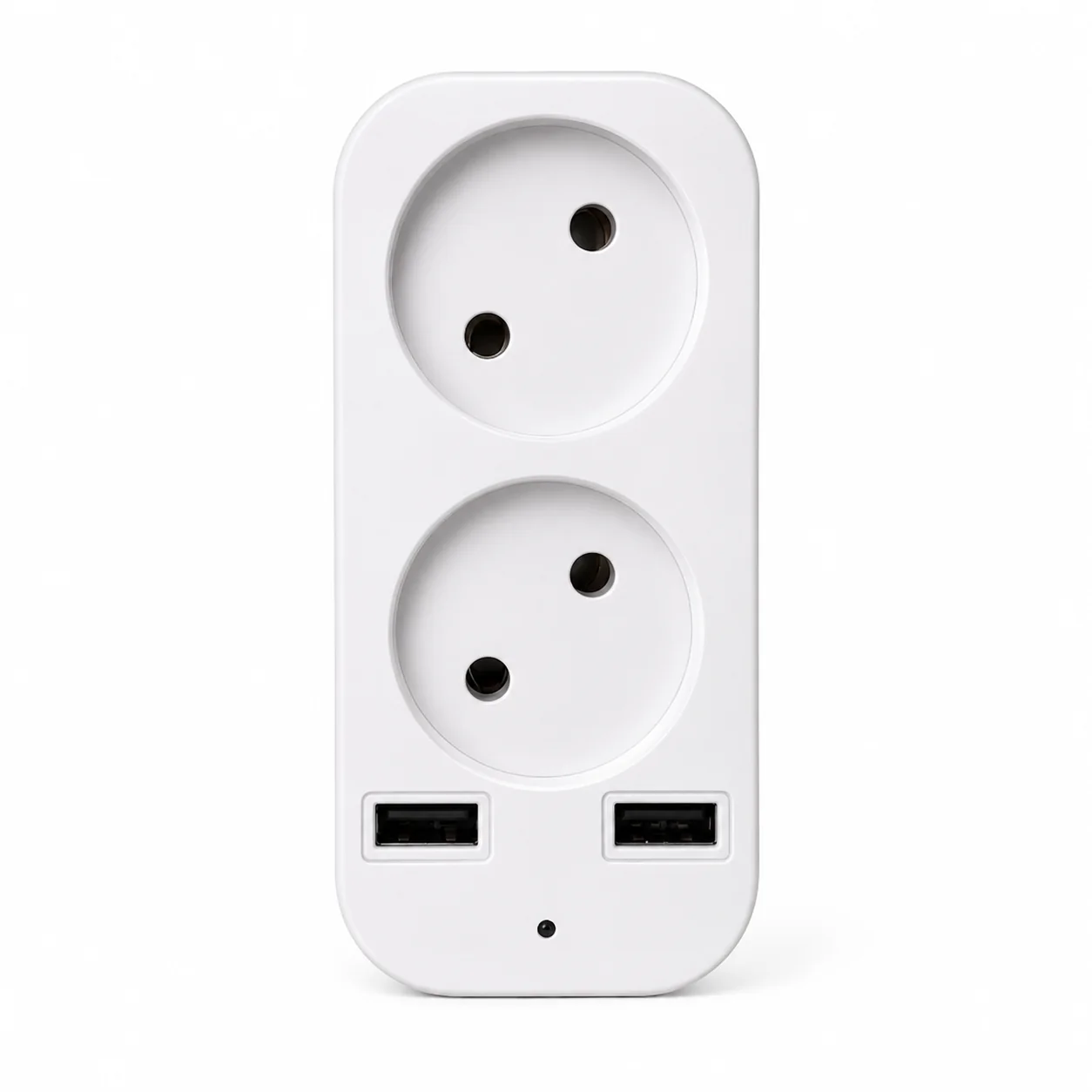
Para pedidos recurrentes, incluya la continuidad de la app en la especificación de compra. Una garantía de hardware de doce meses no ayuda mucho si la cámara enciende pero la app requerida ya no se conecta.
¿Debería seguir usando una cámara LookCam?
No coloque una cámara compatible con LookCam en un dormitorio, habitación infantil, vestidor o cualquier ubicación donde la exposición de las imágenes cause un daño grave. Los hallazgos publicados son demasiado graves como para tratar el sistema como una plataforma privada de seguridad para el hogar sin más pruebas independientes y una corrección de firmware confirmada.
Si ya se está usando una cámara LookCam, evite compartir capturas de pantalla que revelen el ID del dispositivo. No confíe en la nube como única copia de las grabaciones. Sustituir la cámara por un modelo con un propietario de plataforma identificado, firmware mantenido y grabación local probada es la opción más segura.
Para un proyecto mayorista, pregunte por un ecosistema de aplicaciones alternativo antes de aprobar la carcasa. QZT puede comentarlo Módulos de cámara basados en Tuya y opciones de cámaras con grabación local. Estas alternativas siguen requiriendo pruebas de muestra, revisión de privacidad y uso legal; cambiar solo el nombre de la aplicación no demuestra que una cámara sea segura.
Preguntas frecuentes
¿Es seguro usar la app LookCam?
La aplicación LookCam no puede describirse como segura según las investigaciones publicadas. Las pruebas en cámaras compatibles con LookCam encontraron una aplicación de contraseña ineficaz, cifrado débil o inexistente, grabaciones en la nube expuestas y ninguna vía práctica de actualización de firmware. Las diferentes versiones de hardware pueden variar, pero debe evitarse el uso indoor sensible a menos que el modelo exacto cuente con evidencia de seguridad independiente.
¿Está cerrando la aplicación LookCam?
La aplicación LookCam no está cerrando actualmente. Google Play muestra una actualización con fecha del 29 de junio de 2026, y Apple lista la versión 1.6.8 del 2 de diciembre de 2025. El cierre sigue siendo un riesgo de compra porque el acceso remoto depende de servidores P2P centrales y no hay documentado claramente ningún compromiso público de servicio a largo plazo.
¿Quién fabrica las cámaras LookCam?
Las cámaras LookCam no parecen provenir de una única fábrica con responsabilidad pública. La investigación describe módulos genéricos vendidos a múltiples ensambladores, marcas y vendedores de marketplaces. Google Play y Apple también listan diferentes desarrolladores individuales. Pida al vendedor que identifique por escrito al fabricante del módulo, al propietario del firmware, al operador del servidor y a la empresa de garantía antes de realizar un pedido repetido.
¿Grabará una cámara LookCam si los servidores se desconectan?
Una cámara LookCam puede seguir grabando en la MicroSD, pero el comportamiento depende del firmware. La cámara probada por Palant entró en un bucle de reinicio cuando no pudo alcanzar el servidor. Desconecte el acceso a internet durante las pruebas de muestra, reinicie la cámara y revise los archivos de la MicroSD antes de confiar en la grabación offline para una instalación de cliente.
¿Se registran con frecuencia las fábricas de cámaras LookCam en China?
Las autoridades chinas sí procesan la producción y venta ilegal de equipos de grabación encubierta, incluidos talleres que ensamblan cámaras dentro de relojes y baterías portátiles. Ninguna evidencia pública fiable vincula redadas repetidas con una fábrica LookCam con nombre. La preocupación documentada es una cadena de suministro fragmentada y anónima donde un vendedor o ensamblador puede volverse inalcanzable sin asumir la responsabilidad del servicio de la aplicación.

 English
  Italiano
  Deutsch
  Français
  Español
  Polski