
A distributor’s breakdown of unit costs, subscription traps, certification expenses, and the real total cost of ownership when sourcing nanny cameras at volume.
What Is the Real Price Range for Nanny Cameras?
Retail websites advertise nanny cameras from $20 to $200. Those numbers are meaningless for distributors because they hide the true cost structure.
At factory-gate level, nanny camera units cost between $8 and $55 depending on form factor, sensor quality, and connectivity. The retail markup typically ranges from 3x to 8x, with subscription-based models pushing lifetime customer value above $400 per unit.
The $20 TP-Link Tapo C210 you see on Amazon carries a factory cost of approximately $12-14. The $95 Google Nest Cam Indoor costs around $35-40 at the OEM level. The difference is not component quality — it is brand premium, cloud infrastructure, and certification.
But here’s the thing. Factory unit cost is only the first line of a much longer invoice. A distributor ordering 500 units from a Shenzhen factory faces additional costs that retail price tags never disclose: CE/FCC/RCM certification ($3,000-8,000 per SKU), customs duties (5-15% depending on destination), freight ($2.50-4.50 per unit for sea freight to Europe or Australia), and warranty reserve (typically 2-3% of landed cost).
For B2B buyers, the relevant question is not “what does this cost on Amazon?” It is “what does it cost me to land this product in my warehouse, compliant and sellable, with a margin that sustains my business?”
| Cost Layer | Consumer Price (Retail) | Factory-Gate Price | Landed Cost (Distributor) |
|---|---|---|---|
| Budget WiFi camera (1080p) | $20-35 | $8-14 | $18-28 |
| Mid-range 2K camera | $50-95 | $18-35 | $35-55 |
| Premium AI camera (2K + PTZ) | $100-200 | $35-55 | $60-90 |
| Hidden form factor (clock/smoke/pen) | $40-120 | $15-40 | $32-65 |
| Certification per SKU | Incluido | N / A | $3,000-8,000 |
| Freight (per unit, sea) | Incluido | N / A | $2.50-4.50 |
Conclusión clave: Retail prices are 3-8x factory cost. Distributor landed cost is approximately 2.5-3.5x factory cost after certification and freight.
Factory-Gate Pricing by Form Factor
Not all nanny cameras cost the same to manufacture. The form factor drives component selection, assembly complexity, and yield rates.
Standard dome and bullet nanny cameras cost $8-25 at factory gate. Disguised form factors — clock cameras, smoke detector cameras, pen cameras, and power bank cameras — cost $15-45 due to custom housing design and miniaturisation.
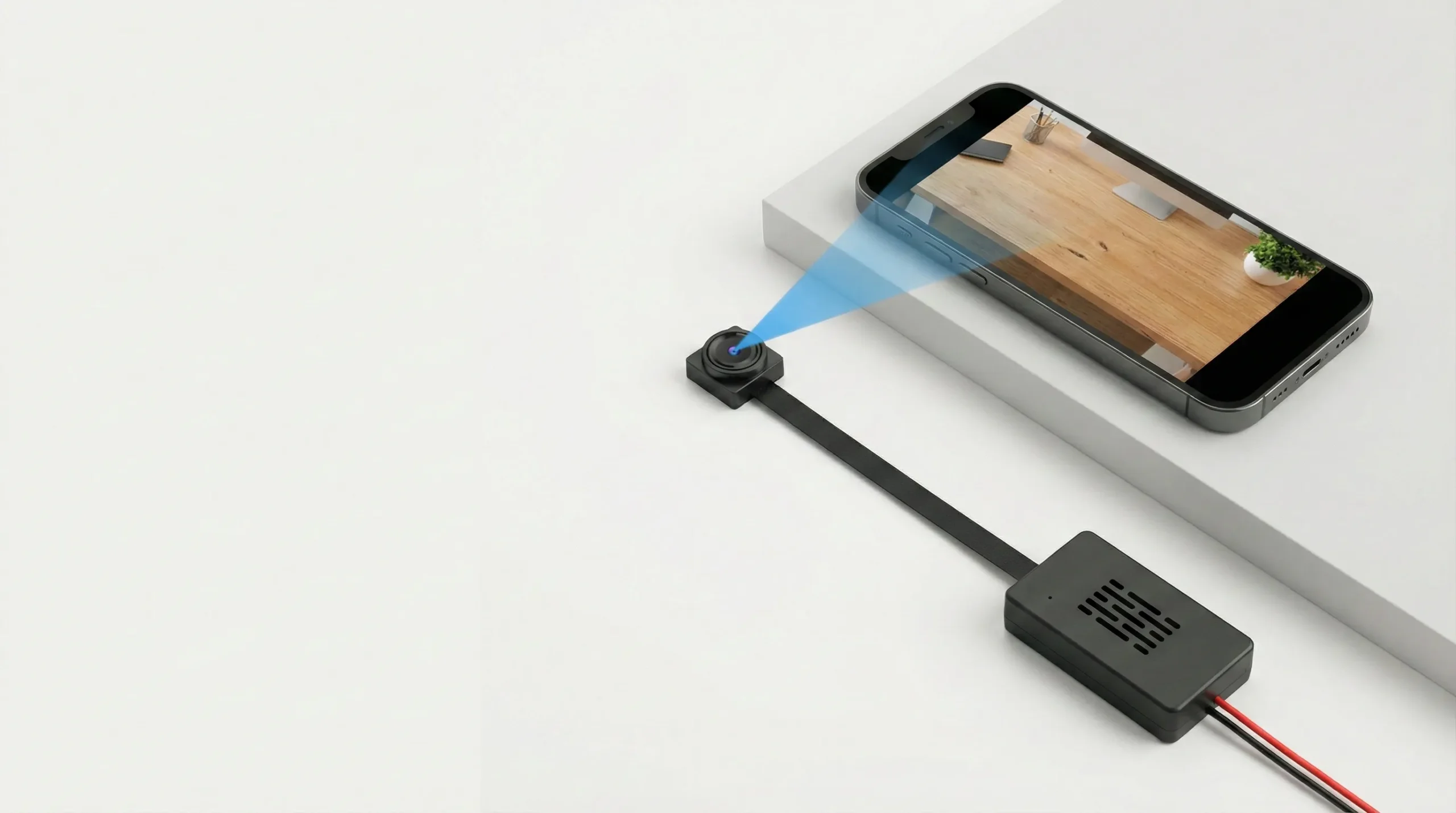
The C10 WiFi camera module — a bare board with lens, IR cut filter, and WiFi chipset — represents the lowest cost entry point at approximately $8-12 per unit at 500-piece MOQ. It requires the buyer to design their own housing. This makes sense for distributors with industrial design capability or those targeting the DIY market.
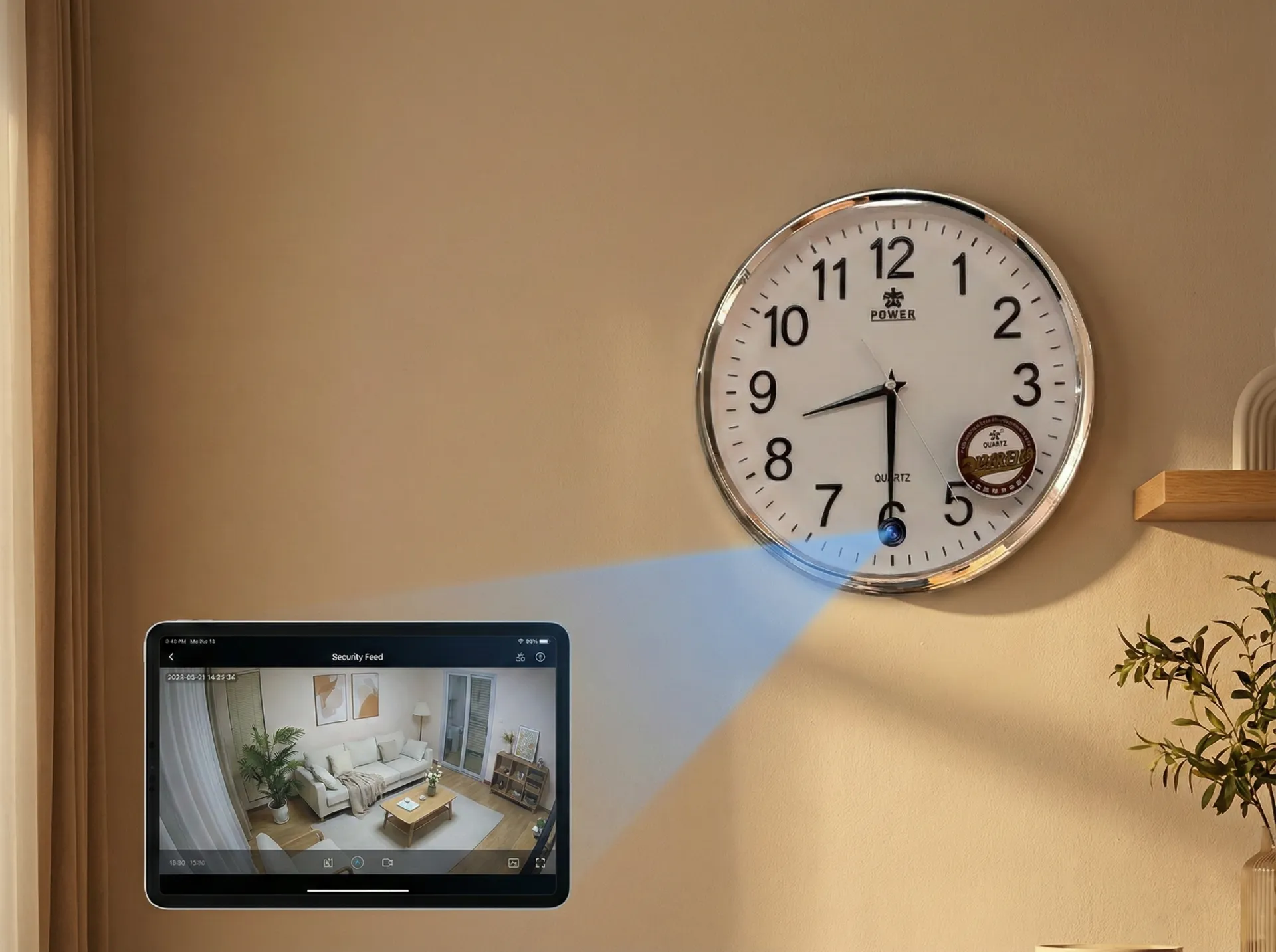
At the next tier, the Z10 clock camera ships as a finished product. The factory cost of $18-25 reflects the custom clock housing, internal bracket design, and the need to maintain clock functionality alongside camera electronics. Assembly yield is lower than standard cameras because the housing limits access during testing.
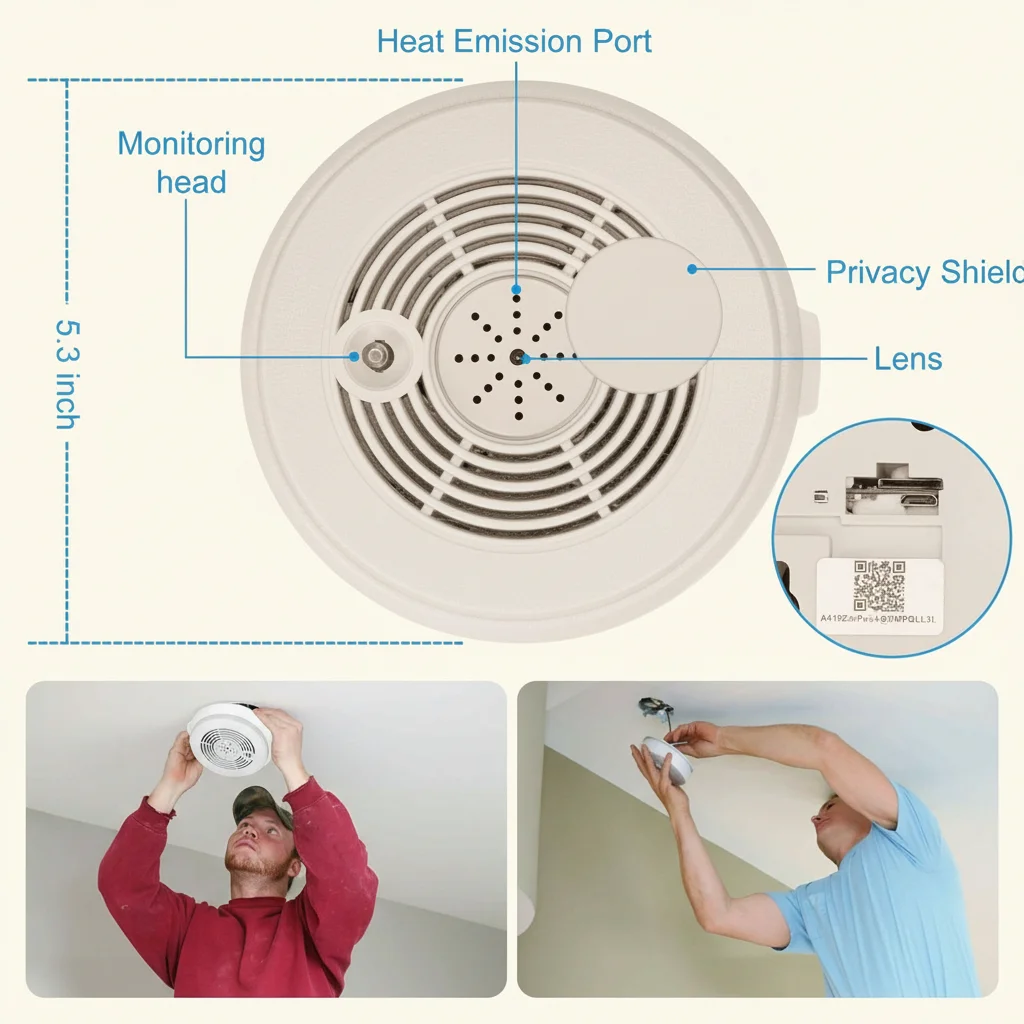
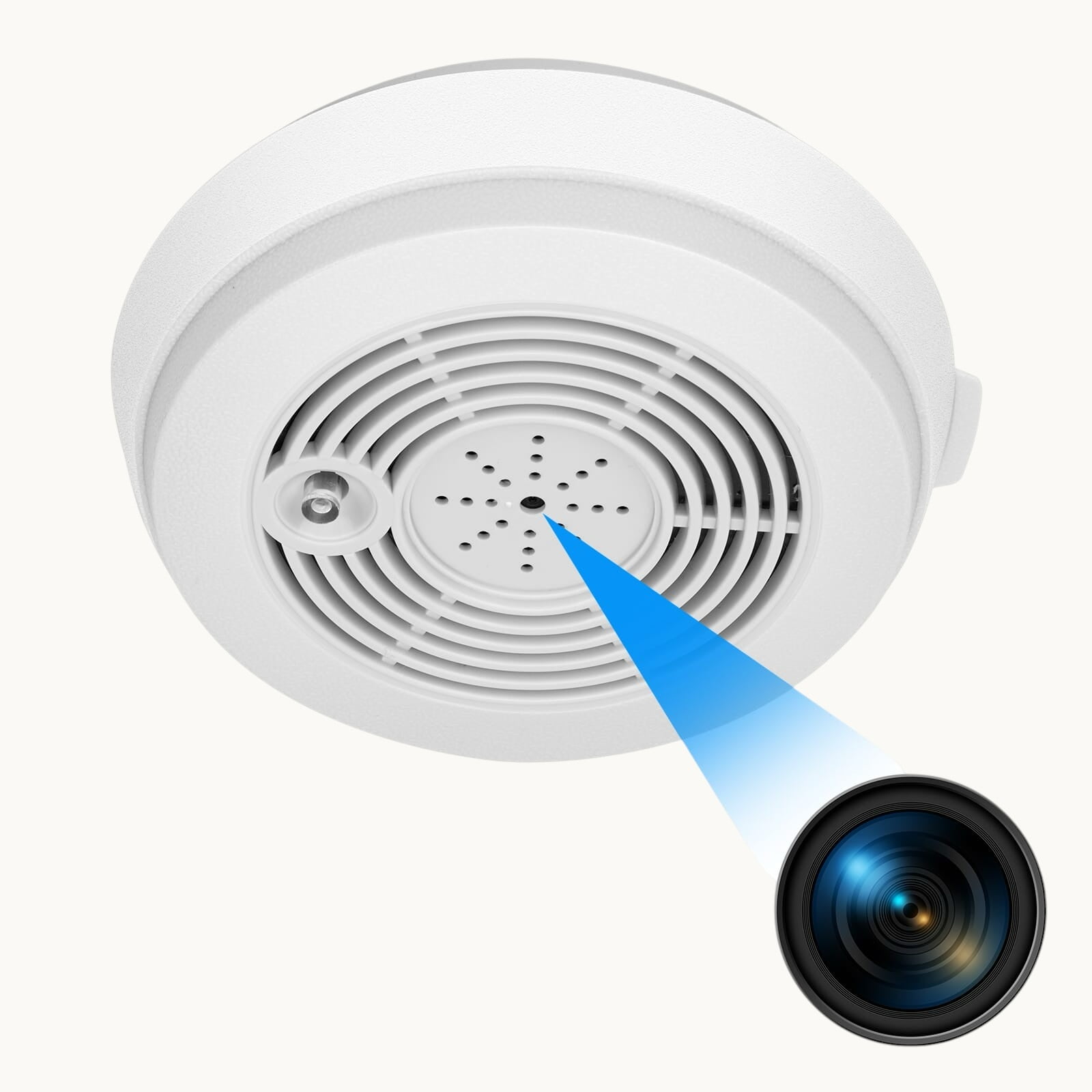
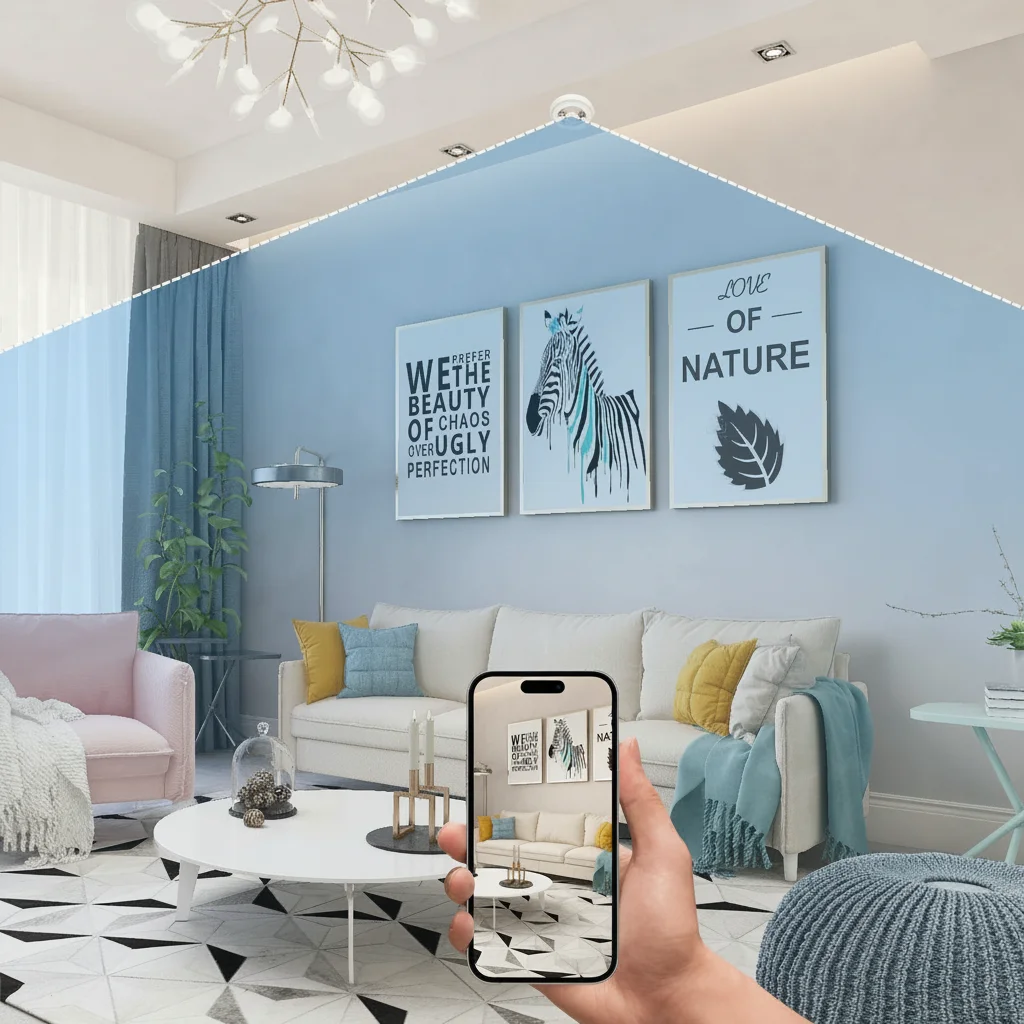
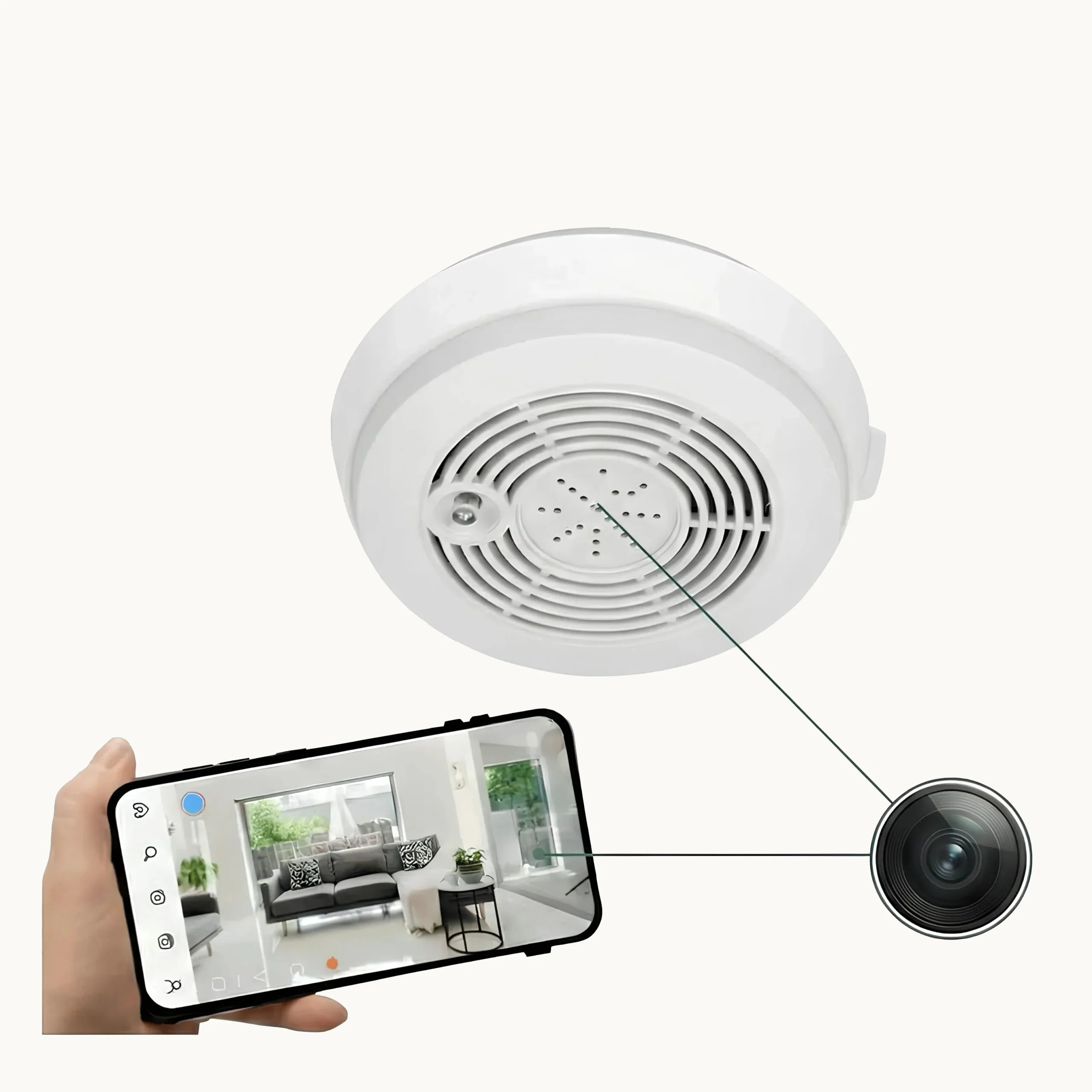
Smoke detector cameras command a factory price of $22-35. The housing must accommodate both camera components and a mock smoke detector shell that passes casual visual inspection. UV-stabilised ABS plastic adds $1.50-2.00 per unit compared to standard camera housings.
Pen cameras sit at $20-32 factory cost. The constraint is diameter — the housing must accommodate standard pen mechanisms alongside a 5-8mm camera module. Battery capacity is typically 200-350mAh, limiting recording time to 60-90 minutes continuous. The premium pen models with removable ink cartridges and metal barrels push costs toward the upper end.
| Factor de forma | Factory Price (500 MOQ) | Key Cost Driver | Typical Retail Markup |
|---|---|---|---|
| WiFi module (bare board) | $8-12 | No housing, minimal assembly | 4-6x |
| enchufe espía con cámara | $12-18 | Standard housing, mains power | 3-5x |
| Cámara reloj | $18-25 | Custom housing, dual function | 3-4x |
| Cámara detectora de humo | $22-35 | Mock safety shell, UV plastic | 3-4x |
| Cámara bolígrafo | $20-32 | Diameter constraint, metal option | 4-5x |
| Cámara con batería externa | $25-40 | Battery integration, 10,000mAh cell | 3-4x |
Conclusión clave: Disguised form factors cost 1.5-2x more than standard cameras at factory level due to custom housing and miniaturisation constraints.
The Subscription Trap: Hidden Costs Consumers Never See
CNET reviews highlight features. They rarely highlight the true cost of owning those features.
Cloud-dependent nanny cameras carry a subscription cost of $3-10 per month. Over a three-year product lifecycle, subscription fees add $108-360 — often exceeding the original hardware purchase price.
The Arlo Essential Pan/Tilt Indoor Cam retails for $40-50. Its Arlo Secure subscription costs $9.99 per month for a single camera. Three-year total cost of ownership: $399.64. The hardware represents 10-12% of that total.
Google Nest Cam Indoor at $95 requires Google Home Premium at $10 per month for AI features and extended storage. Three-year TCO: $455. The hardware is 21% of total cost.
For distributors, this subscription dependency creates a structural problem. The hardware margin — typically 30-50% for wholesale — is attractive. But the customer relationship is captured by the platform vendor (Arlo, Google, Amazon), not by the distributor. The distributor makes margin on the first sale. The platform vendor makes margin for three years.
The alternative is local-storage cameras. The Lorex 2K Indoor Pan/Tilt ships with a 16GB microSD card and no subscription requirement. Factory cost is approximately $30-38. Retail is $70. The distributor captures the full hardware margin, and the customer owns the data.
For the Australian and European markets specifically, local storage is not merely a cost advantage — it is a compliance requirement. GDPR Article 32 mandates that personal data processing must implement appropriate security measures. Storing nanny camera footage on servers located in the United States creates a data sovereignty risk that EU resellers increasingly refuse to accept.
| Modelo | Hardware Price | Monthly Subscription | 3-Year TCO | Subscription as % of TCO |
|---|---|---|---|---|
| TP-Link Tapo C210 | $20 | $0 (SD card) or $3.50 | $20-146 | 0-86% |
| Arlo Essential Pan/Tilt | $45 | $9.99 | $404.64 | 89% |
| Google Nest Cam Indoor | $95 | $10.00 | $455.00 | 79% |
| Lorex 2K Pan/Tilt | $70 | $0 | $70.00 | 0% |
| Ring Outdoor Cam Plus | $100 | $4.99 | $279.64 | 64% |
Conclusión clave: Subscription fees dominate three-year TCO. Local-storage cameras offer distributors higher lifetime margins and stronger customer retention.
Certification Costs: The Expense Retail Reviews Ignore
No CNET review mentions certification because consumer products ship with certification already included. Distributors buying factory-direct face this cost directly.
CE marking for EU entry costs $3,000-5,000 per SKU. FCC certification for US entry costs $4,000-8,000. RCM marking for Australia costs $2,500-4,500. These are fixed costs that must be amortised across the first production run.

CE marking is not a single test. It is a conformity assessment process that covers electrical safety (EN 62368-1), electromagnetic compatibility (EN 55032/55035), and radio equipment directive (RED 2014/53/EU) for WiFi-enabled devices. The total cost for a nanny camera with 2.4GHz WiFi is typically $3,500-5,000 when using a notified body in Shenzhen or Hong Kong. European-based certification bodies charge 40-60% more for the same scope.
FCC Part 15 certification for the US market requires radiated and conducted emissions testing. The cost is $4,000-8,000 depending on whether the device operates in the 5GHz band (which requires additional DFS testing). Distributors targeting the US market should confirm that their factory’s existing FCC grant covers the specific model variant they plan to import — many Shenzhen factories hold blanket grants that can be referenced without additional testing.
RCM marking for Australia is structurally similar to CE but requires registration with the Electrical Equipment Safety System (EESS) database. The certification cost is $2,500-4,500. Australian customs will not clear electrical goods without evidence of RCM compliance.
For a distributor ordering 500 units across three SKUs (clock camera, smoke detector camera, pen camera), certification represents $9,000-15,000 in fixed costs — $18-30 per unit if amortised evenly. At 2,000 units, this drops to $4.50-7.50 per unit. The economics improve rapidly with volume.
| Proceso de dar un título | Cost per SKU | Typical Timeline | Validity |
|---|---|---|---|
| CE (EU) | $3,000-5,000 | 3-4 weeks | Indefinite (with technical file maintenance) |
| FCC (US) | $4,000-8,000 | 4-6 weeks | Permanent (for tested model) |
| RCM (Australia) | $2,500-4,500 | 2-3 weeks | Indefinido |
| RoHS (EU) | $500-1,500 | 1-2 weeks | Indefinido |
| UKCA (UK post-Brexit) | $2,000-3,500 | 2-3 weeks | Indefinido |
Conclusión clave: Certification is a fixed cost of $3,000-8,000 per SKU. At 500-unit MOQ, it adds $6-16 per unit. At 2,000 units, it drops below $4.
MOQ and Volume Pricing: How Order Size Affects Unit Cost
Factory pricing is never static. It scales with commitment.
Nanny camera factory prices drop 12-25% between 100-unit and 1,000-unit MOQ, and a further 8-15% between 1,000 and 5,000 units. Beyond 5,000 units, marginal savings diminish to 3-5%.
The pricing curve follows manufacturing economics. At 100 units, the factory runs the product on a general assembly line with changeover time between orders. At 500 units, the line can be dedicated for a half-day run. At 2,000 units, the factory assigns a dedicated team and negotiates component bulk pricing with their own suppliers.
For the C10 WiFi module — the entry-level bare board — pricing typically breaks as follows:
– 100 units: $14-16 per unit
– 500 units: $10-12 per unit
– 1,000 units: $8-10 per unit
– 5,000 units: $6.50-8 per unit
For the Z10 clock camera — a finished product with custom housing — the curve is steeper because housing mould amortisation dominates at low volumes:
– 100 units: $32-38 per unit
– 500 units: $22-26 per unit
– 1,000 units: $18-22 per unit
– 5,000 units: $15-18 per unit
The mould cost for a custom clock housing is typically $4,000-6,000. At 100 units, this adds $40-60 per unit. At 1,000 units, it drops to $4-6 per unit. Distributors should negotiate mould ownership — some factories include mould amortisation in the unit price indefinitely, while others transfer mould ownership after a threshold volume (typically 3,000-5,000 units).
Sea freight adds a per-unit cost that does not scale with product value. A 20-foot container holds approximately 3,500-4,000 nanny camera units. At $3,500-5,500 per container from Shenzhen to Rotterdam or Sydney, the freight cost is $0.90-1.60 per unit. At 500 units shipped by LCL (less than container load), freight jumps to $2.50-4.50 per unit because the consolidator charges a premium for partial container space.
| Order Volume | C10 Module Unit Price | Z10 Clock Unit Price | Sea Freight per Unit |
|---|---|---|---|
| 100 unidades | $14-16 | $32-38 | $2.50-4.50 (LCL) |
| 500 unidades | $10-12 | $22-26 | $2.50-4.50 (LCL) |
| 1.000 unidades | $8-10 | $18-22 | $1.50-2.50 (LCL/FCL) |
| 3,000 units | $7-9 | $16-20 | $1.00-1.60 (FCL) |
| 5.000 unidades | $6.50-8 | $15-18 | $0.90-1.30 (FCL) |
Conclusión clave: The 500-to-1,000 unit threshold is the sweet spot for most distributors — sufficient volume for meaningful price breaks without excessive inventory risk.
ODM vs OEM: When Custom Branding Changes the Price
Distributors reach a point where white-label products no longer differentiate them. Customisation becomes necessary. The question is what it costs.
OEM sourcing (factory brand, no customisation) adds $0 to unit cost. ODM sourcing (custom housing, custom firmware, custom packaging) adds $2,000-15,000 in NRE costs and $1.50-8 per unit in incremental manufacturing cost.
OEM is the starting point. The factory ships units with their own branding, generic packaging, and standard firmware. The distributor applies their own label and sells. No engineering cost, no tooling cost, no timeline risk. This is how most distributors begin.
ODM moves up the value chain. The distributor specifies custom housing colours, logo placement, firmware splash screens, and packaging design. The factory charges a one-time NRE (non-recurring engineering) fee and a per-unit premium for custom work.
For a typical nanny camera ODM project:
– Custom packaging (box design, manual, insert): $800-1,500 NRE, $0.50-1 per unit
– Custom firmware (logo, language pack, default settings): $1,500-3,000 NRE, $0.30-0.50 per unit
– Custom housing colour or finish: $2,000-4,000 mould modification, $0.50-1.50 per unit
– Custom mobile app skin: $3,000-8,000 NRE (if using factory’s existing app framework)
The total ODM entry cost for a single SKU is typically $5,000-12,000 in NRE, with a $2-4 per-unit premium. For a distributor selling 1,000 units annually, this adds $7-16 per unit in year one, dropping to $2-4 by year two.
Some distributors skip ODM and go straight to OBM (original brand manufacturing) — designing the product from scratch. This is a $30,000-80,000 commitment for a nanny camera project and makes sense only at volumes above 10,000 units annually.
| Sourcing Model | NRE Cost | Unit Premium | Ideal para |
|---|---|---|---|
| OEM (factory brand) | $0 | $0 | New distributors, market testing |
| ODM light (packaging + firmware) | $2,000-5,000 | $0.80-1.50 | Established distributors building brand |
| ODM full (housing + packaging + firmware) | $5,000-12,000 | $2-4 | Distributors with 2,000+ annual volume |
| OBM (full custom design) | $30,000-80,000 | $0 (designed to target cost) | Large distributors with 10,000+ volume |
Conclusión clave: ODM light (packaging + firmware customisation) is the optimal entry point for distributors doing 1,000+ units annually — sufficient brand differentiation without excessive capital commitment.
Warranty and Returns: The Cost Nobody Quotes
Factory quotes include a standard 12-month warranty. What they do not include is the cost of honouring it.
Warranty and return costs typically run 2-5% of landed product value for nanny cameras. Returns cluster in the first 90 days and are driven by connectivity issues, app compatibility problems, and user error.
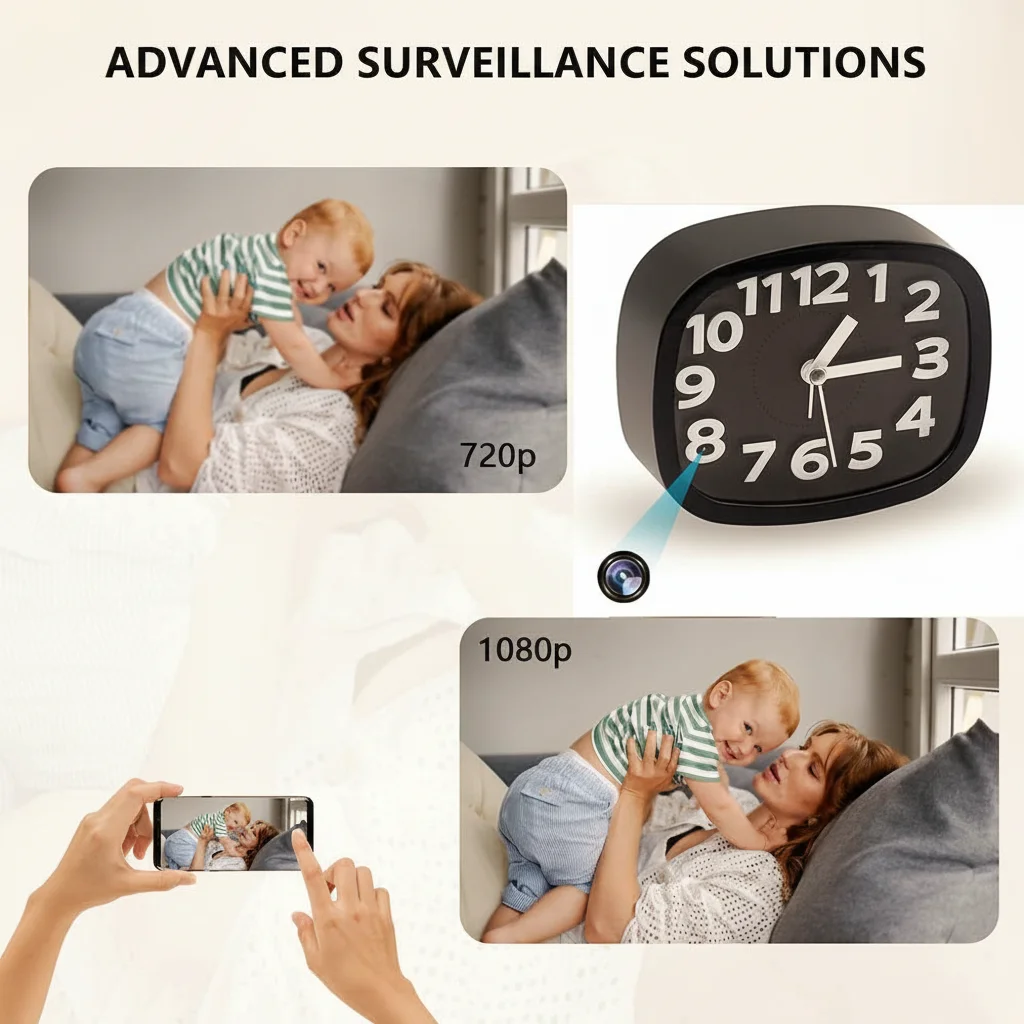
The return rate for nanny cameras varies by price tier. Budget cameras ($20-40 retail) see 4-6% return rates, primarily due to WiFi connectivity issues and poor night vision performance. Mid-range cameras ($50-100 retail) see 2-3% returns. Premium cameras ($100+ retail) see 1.5-2% returns — not because they are more reliable, but because buyers at this price point are more technically capable and less likely to attribute user error to product defect.
For distributors, the warranty cost structure matters. Factory warranty typically covers replacement units only — not freight, not labour, not customer service. A distributor replacing a $25 landed-cost unit under warranty faces:
– Replacement unit cost: $25
– Outbound freight to customer: $3-5
– Inbound freight of defective unit: $2-4 (if customer returns it)
– Customer service time: $5-10 equivalent
– Total warranty cost per claim: $35-44
At a 3% return rate on 1,000 units, this is $1,050-1,320 in annual warranty exposure — 3.5-4.4% of landed revenue.
Factories offer extended warranty coverage at 1-2% of unit cost for an additional 12 months. For distributors targeting the EU market, this is essentially mandatory under the Consumer Sales and Guarantees Directive, which imposes a two-year conformity guarantee on all consumer goods sold in the European Union.
| Warranty Scenario | Cost per Claim | Annual Exposure (1,000 units, 3% rate) | Mitigation Strategy |
|---|---|---|---|
| Standard 12-month factory warranty | $35-44 | $1,050-1,320 | Build 3% reserve into pricing |
| Extended 24-month warranty | $35-44 | $1,050-1,320 | Purchase factory extension at 1-2% of unit cost |
| EU mandatory 24-month guarantee | $35-44 | $1,050-1,320 | Mandatory compliance — no option |
| No warranty (B2B only sales) | $0 | $0 | Sell only to business customers with their own warranty terms |
Conclusión clave: Budget 3-5% of landed revenue for warranty and returns. EU distributors must factor in the mandatory two-year conformity guarantee.
How Do QZT Nanny Cameras Compare on Price?
The preceding analysis applies to the nanny camera market generally. Here is how QZT Security’s product line maps to these cost structures.
QZT nanny cameras range from $12 landed cost (C10 WiFi module) to $55 landed cost (G3000 camera glasses), with the core clock, smoke detector, and pen camera SKUs clustering at $28-42 landed.
The C10 module at $8-12 factory / $18-22 landed is positioned for distributors who want maximum margin flexibility. It is a bare board — the distributor adds value through housing design, packaging, and branding. The 1080p sensor, 2.4GHz WiFi, and IR night vision are standard specifications that compete with TP-Link and Wyze at the consumer level.
The Z10 clock camera at $22-26 factory / $32-38 landed sits in the mid-market sweet spot. It ships as a finished product with CE, FCC, and RCM pre-certified. The clock function is real — not a dummy display — which matters for end-users who want the device to blend into a home environment. The 3,000mAh battery supports 8-10 hours of continuous recording or 30 days of standby with motion-activated wake.
The S3 socket camera at $18-22 factory / $28-34 landed offers the lowest total cost of ownership for permanent installations. It draws power from the wall socket — no battery replacement, no charging cycles, no downtime. This form factor is particularly popular in the Australian market where landlords installing surveillance in rental properties favour mains-powered devices for reliability.
The W10 pen camera at $20-25 factory / $30-36 landed targets the professional investigator and corporate security market. The 1080p sensor supports 30fps recording, and the 128GB microSD capacity stores approximately 24 hours of footage. The integrated microphone is software-switchable — a critical compliance feature for jurisdictions requiring audio consent.
| Modelo QZT | Factory Price | Landed Price (est.) | Diferenciador clave |
|---|---|---|---|
| C10 WiFi Module | $8-12 | $18-22 | Bare board, maximum customisation |
| Cámara reloj Z10 | $22-26 | $32-38 | Real clock function, 3,000mAh battery |
| Cámara en Enchufe S3 | $18-22 | $28-34 | Mains powered, zero battery maintenance |
| Cámara bolígrafo W10 | $20-25 | $30-36 | 128GB capacity, software-switchable audio |
| Cámara power bank H3 | $25-32 | $38-48 | 10,000mAh battery, doubles as phone charger |
| Gafas con Cámara G3000 | $38-45 | $55-65 | Hands-free recording, outdoor sports use |
Conclusión clave: QZT’s core nanny camera SKUs cluster at $28-42 landed — competitive with Lorex and Reolink wholesale tiers, with form factor differentiation that standard dome cameras cannot match.
Preguntas frecuentes
What is the minimum order quantity for factory-direct nanny cameras?
Most Shenzhen factories accept 100-unit MOQs for standard products. Custom housings or firmware typically require 500-1,000 units. At 100 units, expect to pay 20-30% above the 500-unit price.
How much does shipping add per unit?
Sea freight to Europe or Australia is $2.50-4.50 per unit at 500-unit LCL volume, dropping to $0.90-1.60 at 3,000-unit FCL volume. Air freight is $4-8 per unit and only makes sense for urgent restocks or high-value products.
Are certification costs included in factory quotes?
Usually not. Factory quotes for OEM products typically include CE marking because the factory holds the certificate. But FCC, RCM, and UKCA are often excluded. Always confirm which certifications are included and which require additional payment.
Can I avoid subscription fees for cloud storage?
Yes. Choose cameras with local microSD storage or ONVIF/NVR compatibility. QZT’s Z10, S3, and W10 models all support local storage up to 128GB. At 1080p/30fps, this stores approximately 24-36 hours of continuous footage or 7-14 days of motion-activated recording.
What margin should a distributor target?
For B2B sales to retailers, a 30-40% margin on landed cost is standard. For direct-to-consumer sales, 50-80% margin is typical. The margin must cover warranty reserve (3%), marketing (10-20%), operations (5-10%), and profit (10-20%).
Ready to Source Nanny Cameras at the Right Price?
Nanny camera pricing is not about the sticker price. It is about landed cost, subscription structure, certification amortisation, and warranty exposure. A $20 retail camera and a $70 retail camera may have nearly identical factory costs. The difference is what happens after the sale.
QZT Security manufactures a full range of nanny cameras, clock cameras, smoke detector cameras, pen cameras, and power bank cameras for the wholesale market. Every product ships with CE, FCC, and RCM certification. Local storage is standard — no mandatory subscriptions, no data sovereignty risks, no customer lock-in.
Contáctenos hoy for volume pricing, ODM customisation quotes, and certification documentation for your target market.

 English
  Italiano
  Deutsch
  Français
  Español
  Polski