
Cómo ocultar una mini cámara: guía profesional de colocación para 2026
Saber cómo ocultar una mini cámara de forma efectiva es la diferencia entre una instalación de seguridad encubierta que funciona y un dispositivo obvio que es descubierto, manipulado o destruido. Ya sea que estés instalando una cámara nanny en una guardería, protegiendo un pequeño negocio del robo de empleados, monitoreando las visitas a residencias de un familiar mayor, o desplegando una red de puntos de vigilancia de propiedad, las decisiones de colocación que tomes en los primeros cinco minutos determinan todo sobre la efectividad del sistema. Esta guía cubre metodología de colocación, consideraciones de energía, técnicas de integración en objetos, geometría del campo de visión y el marco legal que todo instalador necesita entender antes de colocar un solo dispositivo.
Por qué falla la colocación de mini cámaras: los errores más comunes
Antes de explicar lo que funciona, merece la pena catalogar lo que no funciona, porque estos errores aparecen repetidamente en instalaciones amateur y semiprofesionales.
Colocar la cámara demasiado alto: La parte superior de estanterías, armarios y posiciones cercanas al techo son los primeros lugares donde mira una persona recelosa. Más importante aún, una cámara orientada hacia abajo desde 2,5 metros capta la coronilla y muy poco del rostro. Para obtener imágenes con calidad de identificación —rostros, manos, objetos—, la altura óptima de la cámara es de 1,5 a 1,8 metros, a la altura media de los ojos o ligeramente por encima. Las colocaciones más bajas entre libros, cajas u objetos decorativos a esta altura ofrecen resultados de reconocimiento muy superiores a las posiciones altas en estanterías.
Obstrucción de la lente: Una cámara oculta dentro de un objeto necesita una abertura clara; incluso una tela fina o una cubierta de plástico esmerilado reduce significativamente la calidad de la imagen y crea halos de reflexión infrarroja en el modo de visión nocturna. Pruebe la vista real a través de cualquier material de cobertura antes de finalizar la ubicación.
Posiciones a contraluz: Colocar una cámara frente a una ventana es el error de principiante más común. La luz ambiental exterior supera el rango dinámico del sensor, dejando todo en el encuadre a contraluz. Coloque siempre las cámaras de modo que el sujeto esté mejor iluminado que el fondo, o utilice cámaras con sensores de Rango Dinámico Amplio (WDR) de 120 dB o más.
Gestión de cables: Los cables de alimentación visibles que salen de un objeto supuestamente "inalámbrico" son un indicio inmediato. Cualquier instalación de cámara con cable requiere pasar los cables por dentro de las paredes, a través de los muebles o por debajo de las alfombras, o bien cambiar a una unidad alimentada por batería que realmente no requiera gestión de cables.
Zonas muertas con una sola cámara: Una sola cámara tiene limitaciones de campo de visión. Confiar en una única cámara para cubrir toda una habitación crea inevitablemente puntos ciegos que cualquiera puede aprovechar tras observar el espacio un momento. Para zonas críticas de monitorización, la cobertura superpuesta de dos cámaras (incluso económicas) proporciona una redundancia que una sola unidad de gama alta no puede ofrecer.
Estrategia de colocación habitación por habitación
Cada habitación tiene diferentes patrones de tránsito, puntos focales y limitaciones ópticas. Aquí está el análisis para cada espacio principal:
Sala de estar y zonas comunes
Los puntos focales en un salón son la zona de asientos (sofá, sillas) y la entrada de la habitación. Aquí es donde ocurren las interacciones, donde los visitantes pasan tiempo y donde se observará a un cuidador interactuando con un niño o una persona mayor. La ubicación óptima para una cámara oculta en el salón es un objeto decorativo colocado sobre una mesa auxiliar o estantería, a 1,5–1,7 metros de altura, orientado hacia el grupo de asientos desde un ángulo de 30–45°. Este ángulo captura tanto los rostros como el lenguaje corporal.
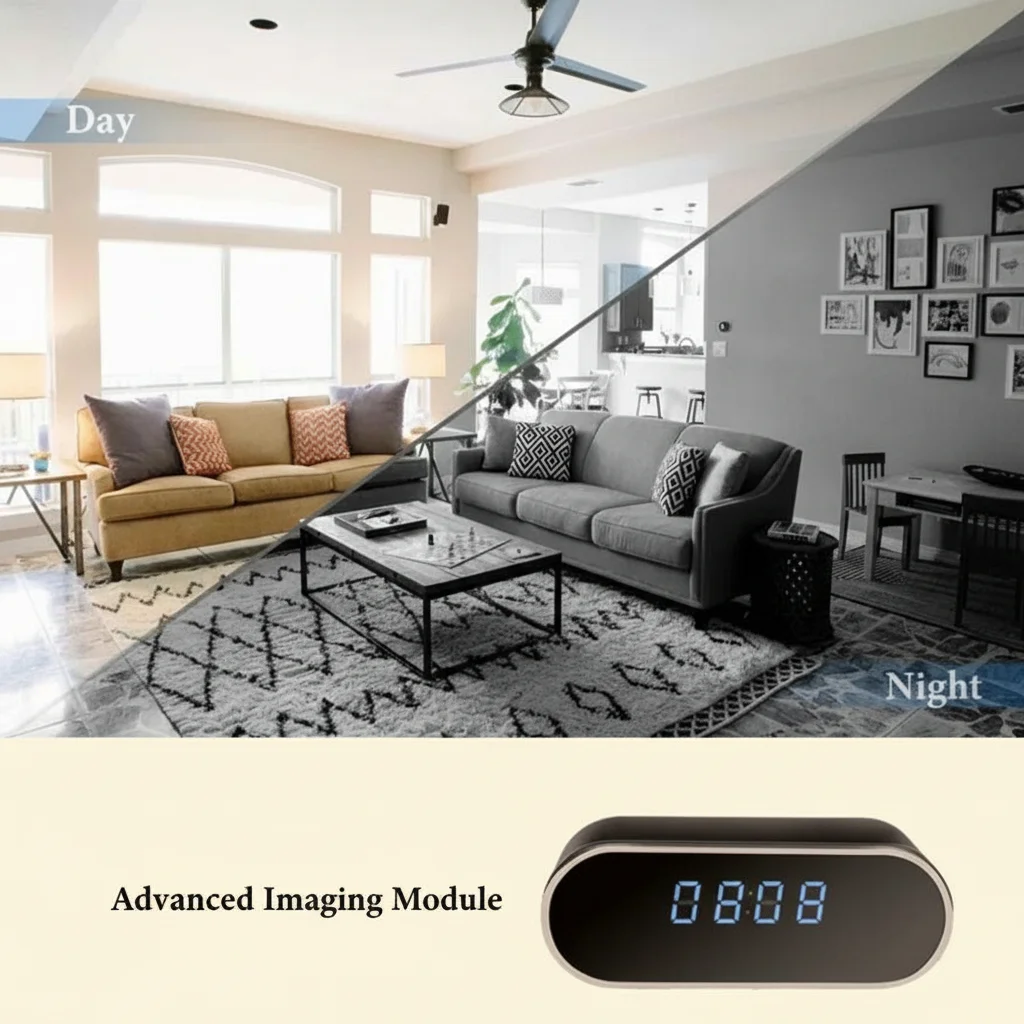
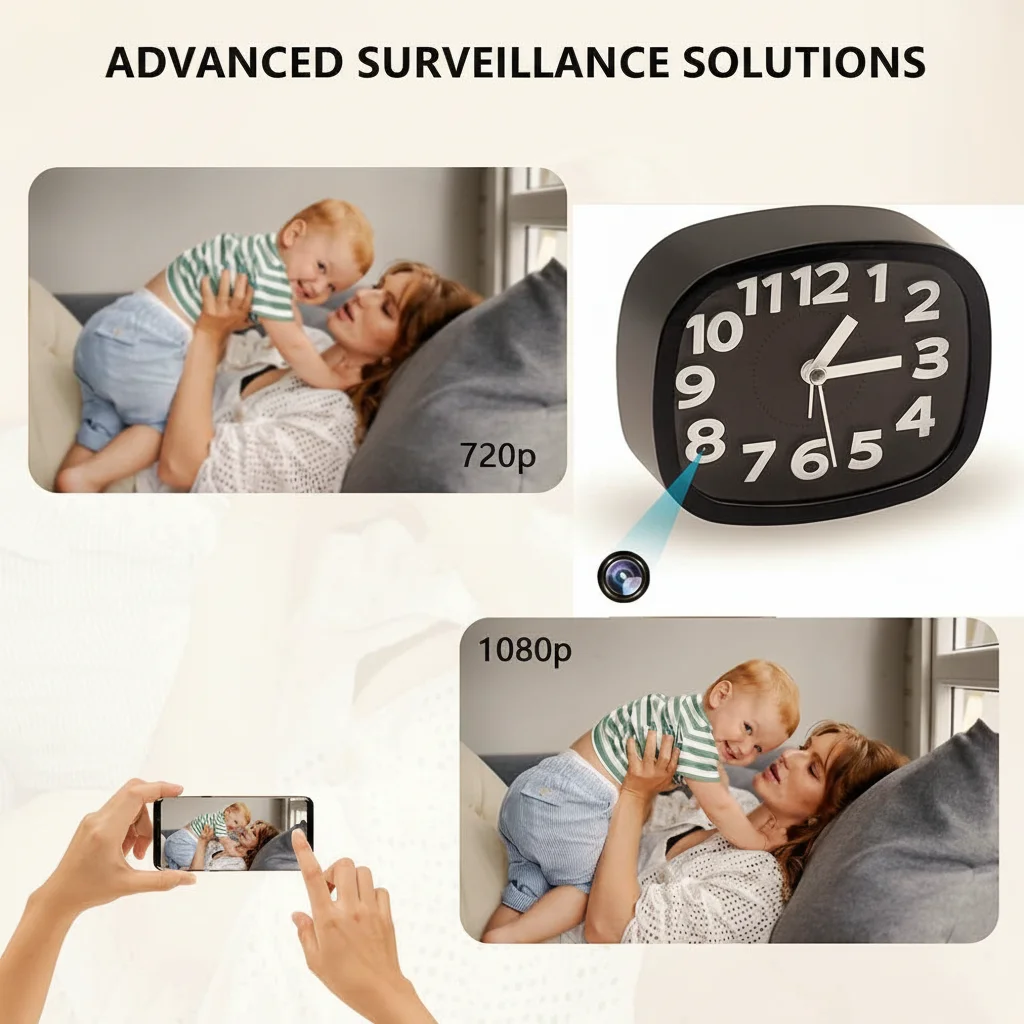
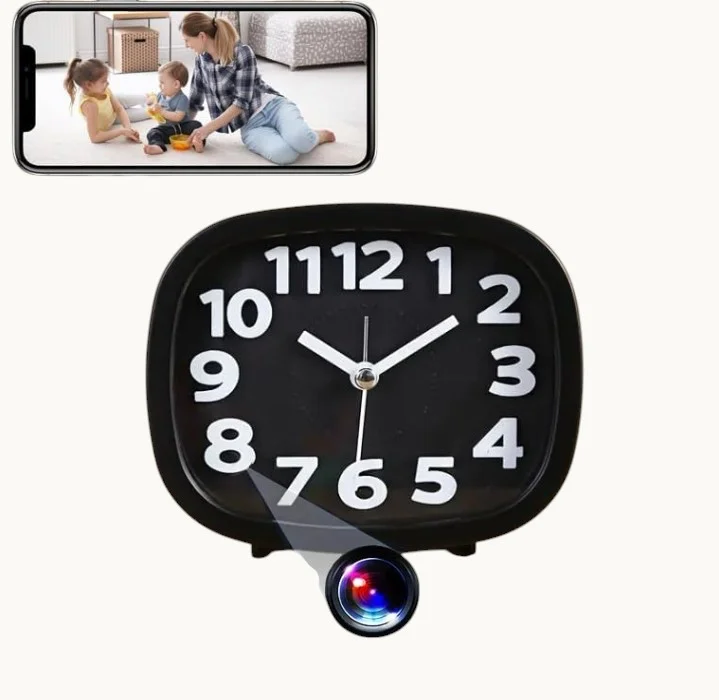
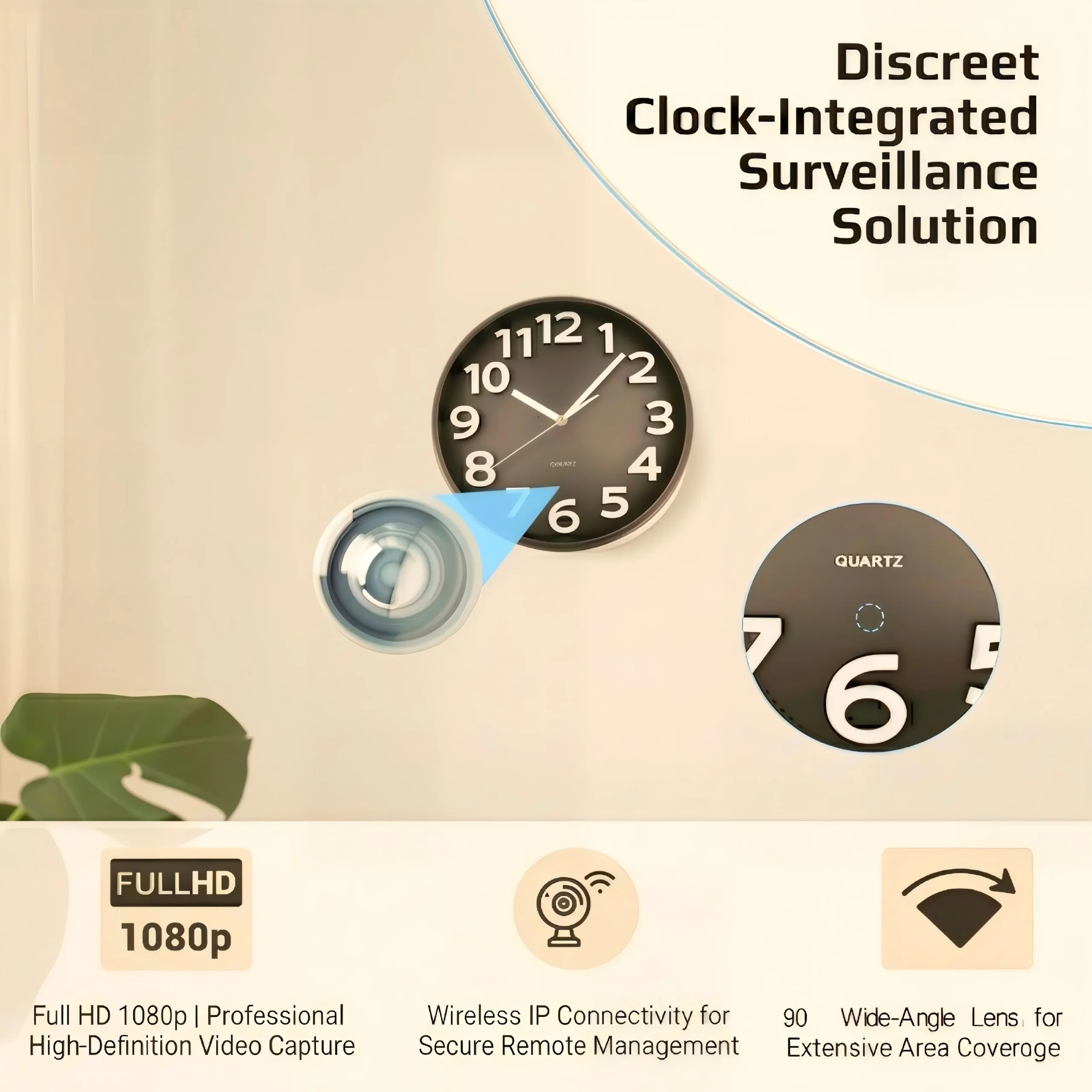
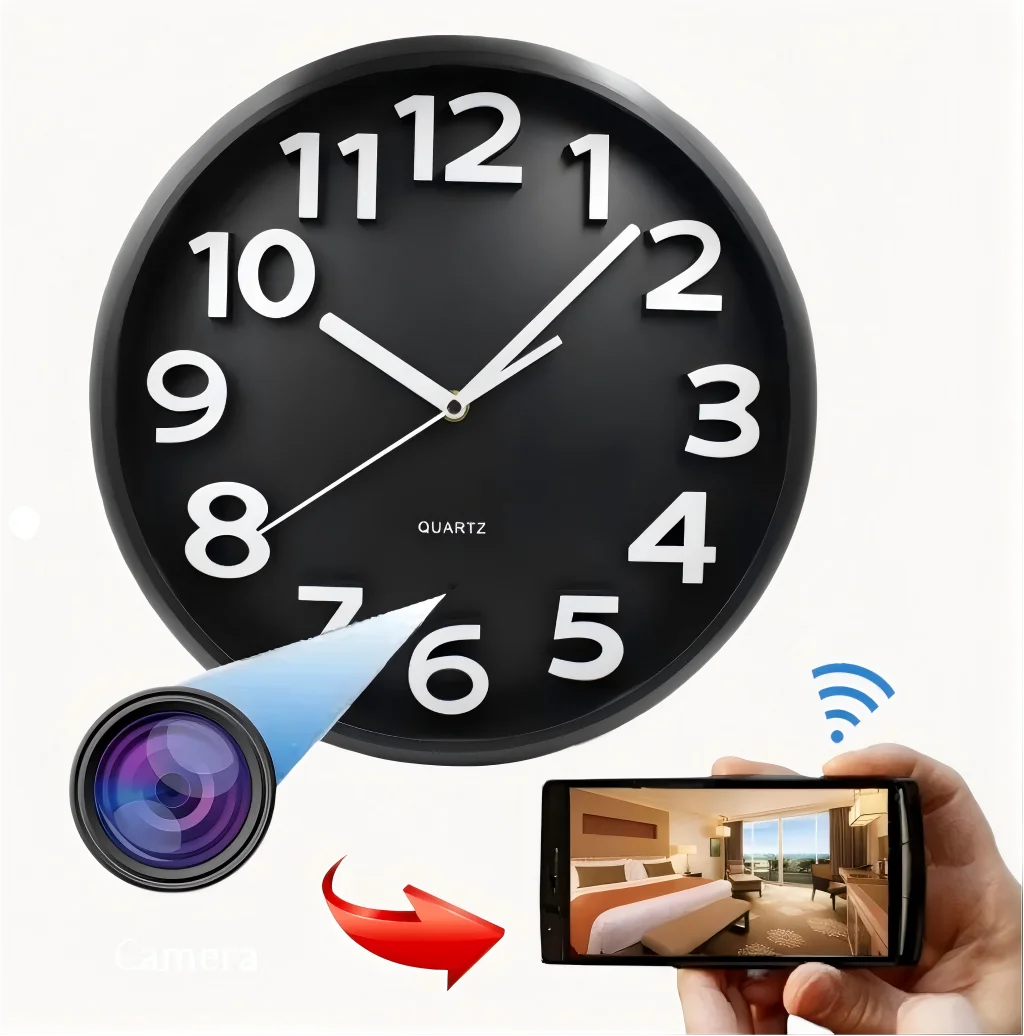
En Z10 Cámara Espía WiFi de Reloj 1080P está diseñado específicamente para este escenario de colocación. Funciona como un reloj digital totalmente operativo (visualización precisa de la hora, función de alarma) mientras captura video 1080P con una lente gran angular de 120° que cubre una sala de estar completa desde una única posición en un escritorio o estante. El activador de detección de movimiento reduce el consumo de almacenamiento y envía notificaciones móviles cuando se detecta actividad.
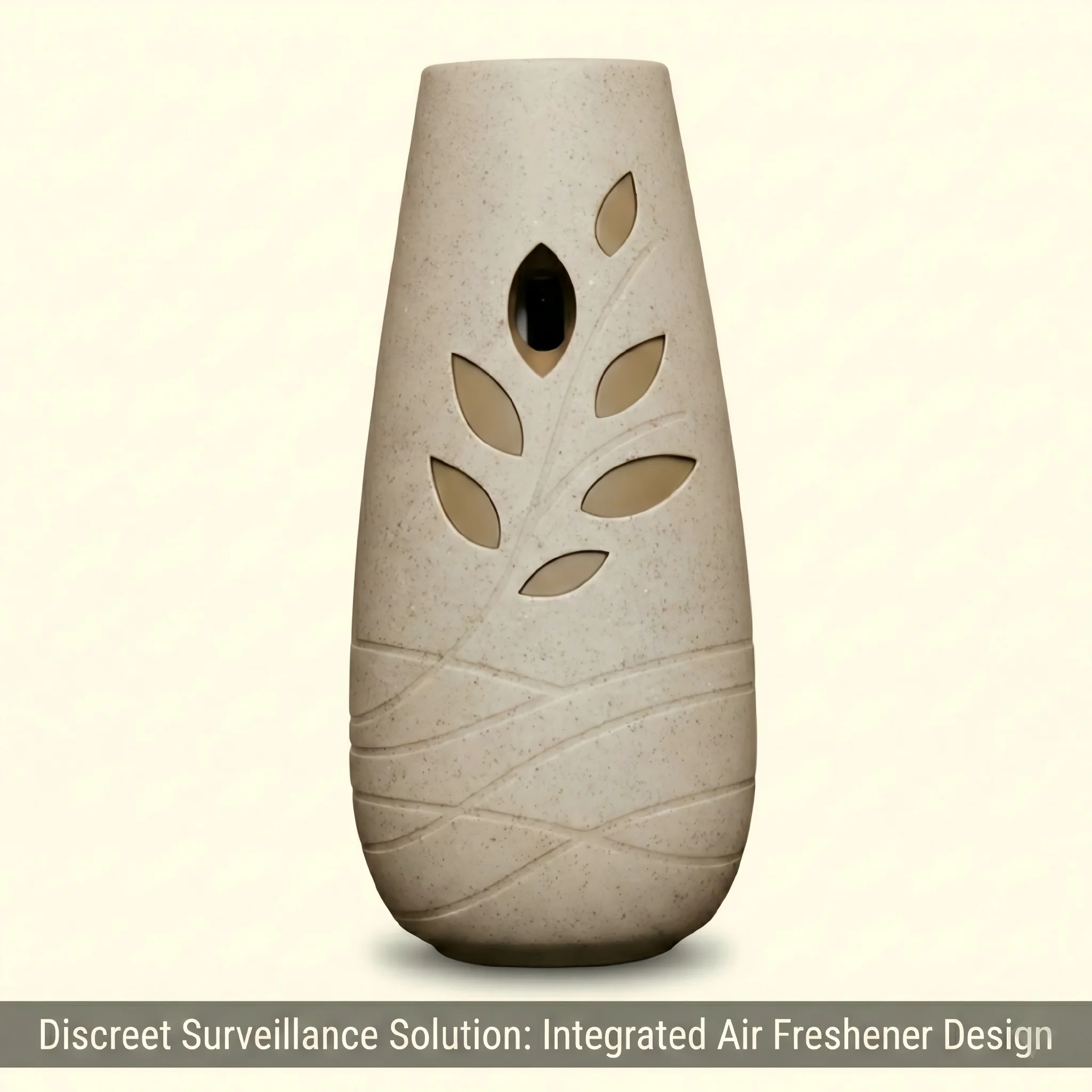
Objetos que funcionan bien para ocultar: despertadores, organizadores de escritorio, marcos de fotos, purificadores de aire, lámparas de mesa con base opaca, jarrones decorativos y arreglos de plantas artificiales. Objetos que no funcionan: artículos de vidrio transparente, artículos orientados hacia ventanas, objetos demasiado altos o demasiado bajos.
Entradas y Pasillos
Los puntos de entrada tienen un requisito específico: necesitas capturar los rostros de las personas que entran, lo que significa que la cámara debe mirar hacia la dirección de entrada, aproximadamente a la altura del rostro, con iluminación adecuada sobre el sujeto. Una cámara de pasillo colocada al final del pasillo, mirando hacia la puerta principal, captura a todos los que entran de perfil. En su lugar, colócala a un lado de la entrada, ligeramente hacia atrás, mirando hacia la puerta — esto proporciona una vista de tres cuartos del rostro de cualquiera que entre.
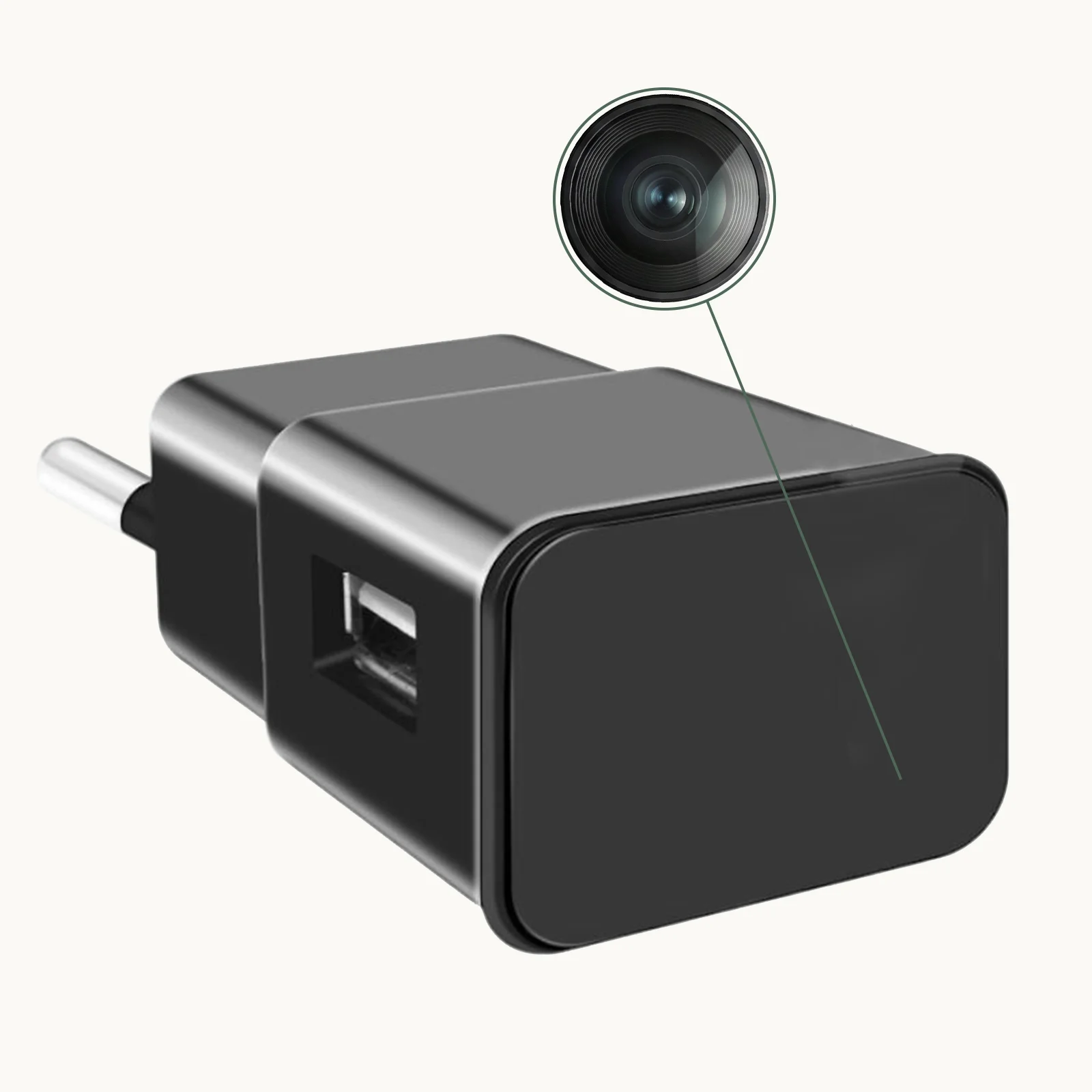
En Cámara oculta en enchufe EU WiFi 1080P destaca en su instalación en entradas. Se instala en un enchufe de pared estándar de la UE, ocupando una posición universalmente presente y nunca cuestionada. La lente de la cámara está oculta dentro del cuerpo del enchufe, capturando imágenes a la altura exacta de la entrada. La alimentación se toma directamente de la pared: sin gestión de batería, sin programa de carga, operativa indefinidamente.
Este es un punto crítico para la instalación en pasillos: la disponibilidad de energía y la autonomía de la cámara deben desvincularse. Las cámaras con batería son apropiadas para espacios sin tomacorrientes accesibles, pero para posiciones de vigilancia fijas donde se requiere confiabilidad a largo plazo, un dispositivo alimentado por red eléctrica como una cámara de enchufe es la elección correcta.
Cuartos de bebés y niños
La colocación de una nanny cam en habitaciones infantiles debe equilibrar la visibilidad para los cuidadores (se desea ver toda la habitación y la zona de la cuna/cama) con la neutralidad visual (la cámara no debe ser evidente para el niño a medida que crece, ni para un cuidador que podría manipularla si sospecha que está siendo monitorizado). La ubicación recomendada es un reloj u objeto decorativo sobre una cómoda o cambiador, a 1,5 metros de altura, inclinado para cubrir la cuna, la zona de cambio y la entrada de la habitación.
La capacidad de visión nocturna no es negociable en las guarderías: la mayor parte del valor del monitoreo se produce durante las horas de sueño con poca luz. La visión nocturna por infrarrojos de hasta 5 metros cubre una guardería estándar sin iluminar la habitación con luz visible que altere el sueño. La Z10 Cámara Espía WiFi de Reloj 1080P incluye iluminadores infrarrojos activos a 850nm — invisibles al ojo humano, con capacidad de visión nocturna completa.
Oficina en casa y estudio
Las cámaras para oficina en casa cumplen principalmente dos propósitos: monitorear el acceso a documentos y equipos sensibles (para seguridad de la propiedad) y grabar reuniones o llamadas (con fines de cumplimiento o evidencia). Para el monitoreo de la propiedad, una cámara integrada en una estantería — orientada hacia el escritorio, el archivador y la entrada de la habitación — cubre las principales áreas de riesgo. Para la grabación de reuniones, una cámara de bolígrafo orientada hacia delante o un dispositivo colocado en el escritorio captura el espacio de trabajo desde la perspectiva del ocupante.
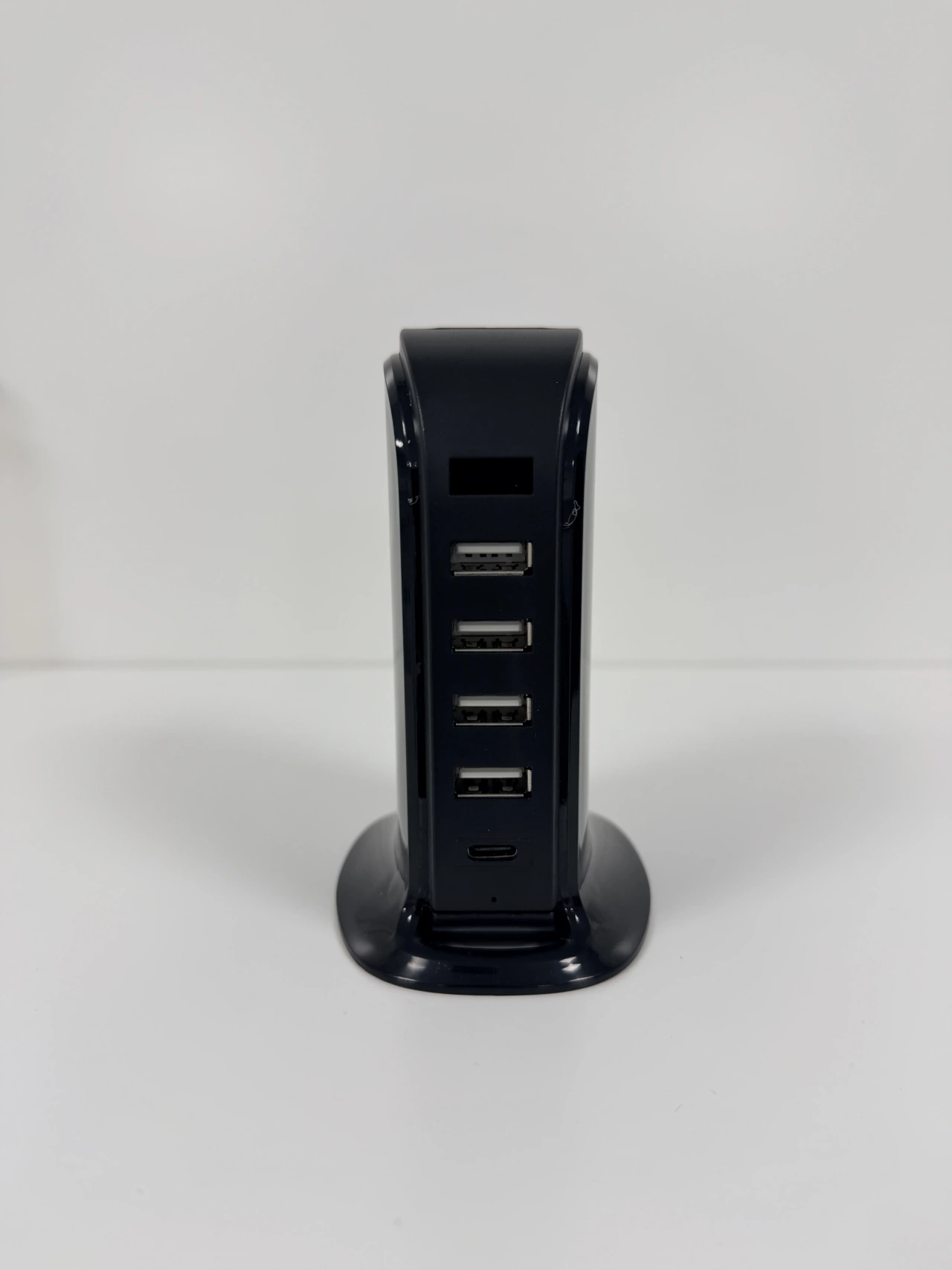
Para el caso de uso de monitoreo a nivel de escritorio, el Cargador USB con cámara espía WiFi 1080P se coloca en cualquier enchufe de pared USB disponible a la altura del escritorio, grabando la habitación frente a él. Toma energía continuamente de la toma de corriente y se conecta por WiFi a la red doméstica para monitoreo remoto. Cualquiera que entre a la oficina ve un cargador USB: un dispositivo universal y poco llamativo.
Dormitorio y zonas de alta privacidad
Aquí es donde los requisitos legales deben entenderse explícitamente antes de cualquier instalación. En los estados miembros de la UE, Artículo 6(1)(f) del RGPD (intereses legítimos) rige el uso privado de cámaras de vigilancia. La grabación en espacios privados como dormitorios —especialmente de trabajadores domésticos, invitados o personal del hogar sin su conocimiento— probablemente constituya una violación de la privacidad independientemente de quién sea el propietario. La guía del ICO del Reino Unido sobre CCTV doméstico señala explícitamente que las cámaras no deben colocarse para captar zonas privadas del dormitorio. Existen excepciones legítimas: la monitorización de una persona vulnerable que ha dado su consentimiento, la vigilancia de seguridad de propiedades desocupadas y la grabación de la propia actividad. Consulte asesoramiento legal local antes de colocar cualquier cámara oculta en un dormitorio o baño.
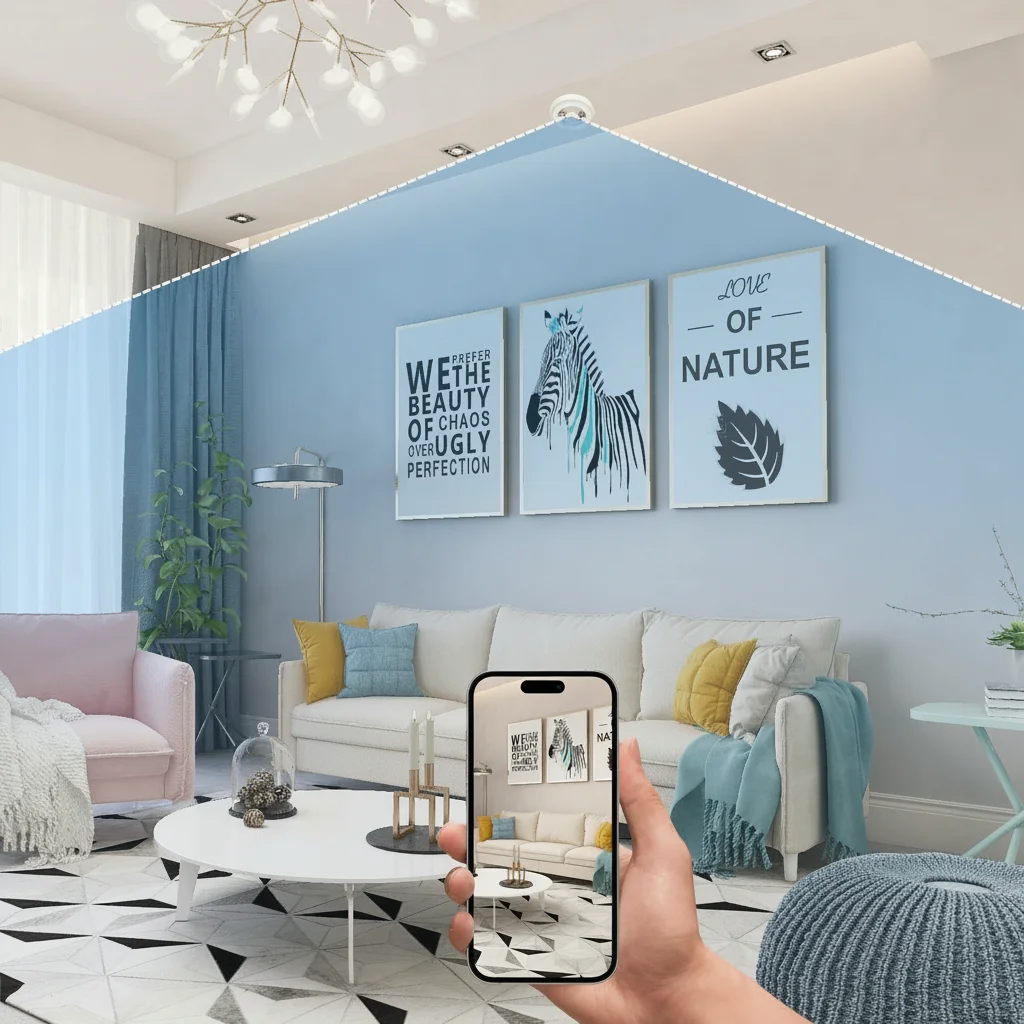
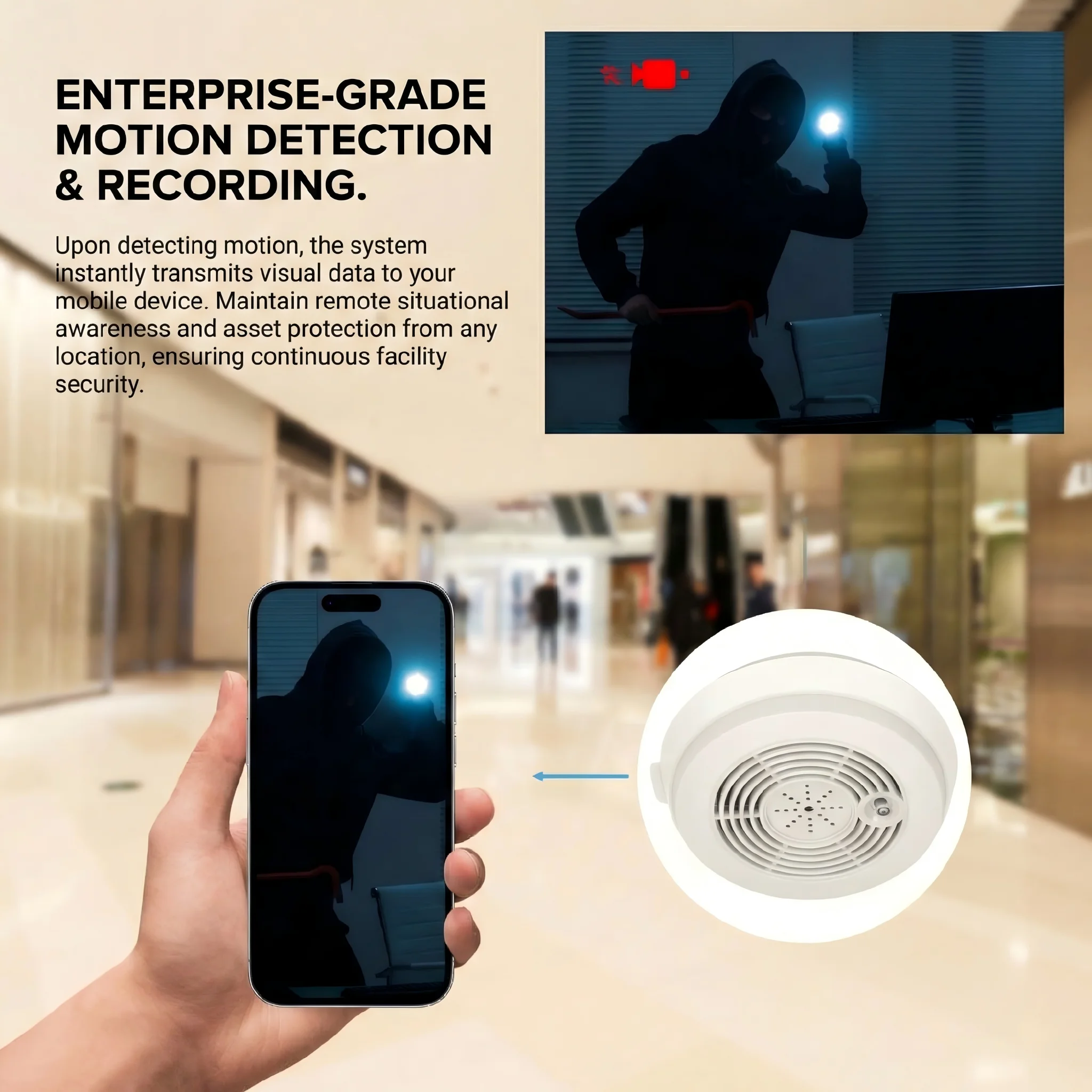
Para la vigilancia de propiedades en espacios desocupados (grabar mientras usted está fuera), las normas son más permisivas en la mayoría de las jurisdicciones. Una Cámara oculta en detector de humo WiFi 1080P montada en el techo de un pasillo o rellano captura el movimiento a través de cualquier puerta de dormitorio sin colocarse dentro del propio dormitorio — legalmente más limpio y con una cobertura eficaz.
Alimentación de Mini Cámaras: Cableado vs. Batería vs. Solar
La estrategia de alimentación tiene un impacto mayor en la fiabilidad operativa que casi cualquier otra decisión de instalación. Las tres opciones tienen perfiles operativos fundamentalmente diferentes:
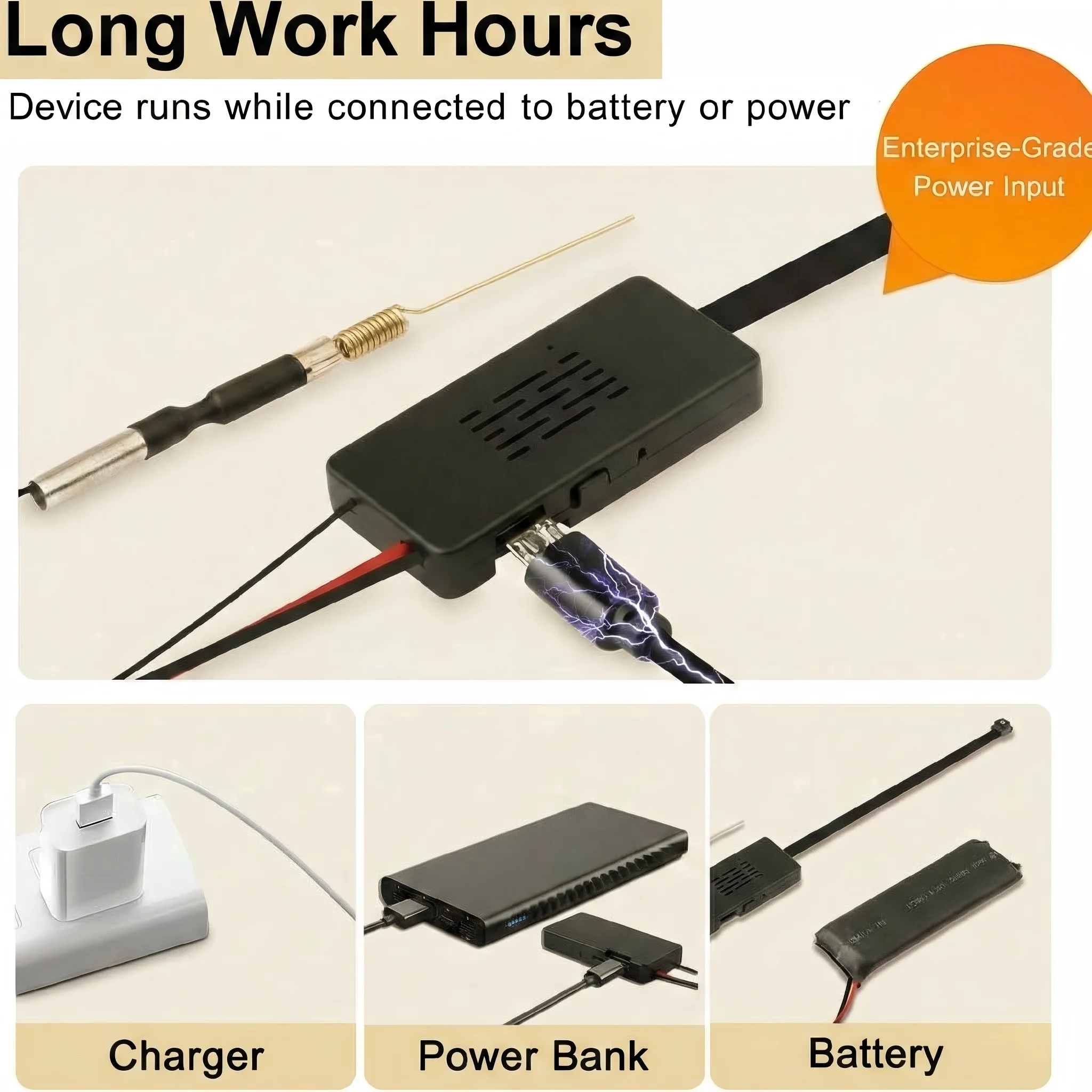
Alimentación por red eléctrica (cámaras de enchufe/cargador): Funcionamiento infinito, mantenimiento cero. La contrapartida es que está limitado a posiciones cercanas a tomas de corriente, y el encaminamiento del cable desde una toma hasta un objeto oculto a distancia requiere planificación. Las cámaras de enchufe que son el propio enchufe —como la Cámara oculta en enchufe EU WiFi 1080P — resuelva esto elegantemente: la cámara ES el enchufe, a la altura del enchufe, sin cable que gestionar.
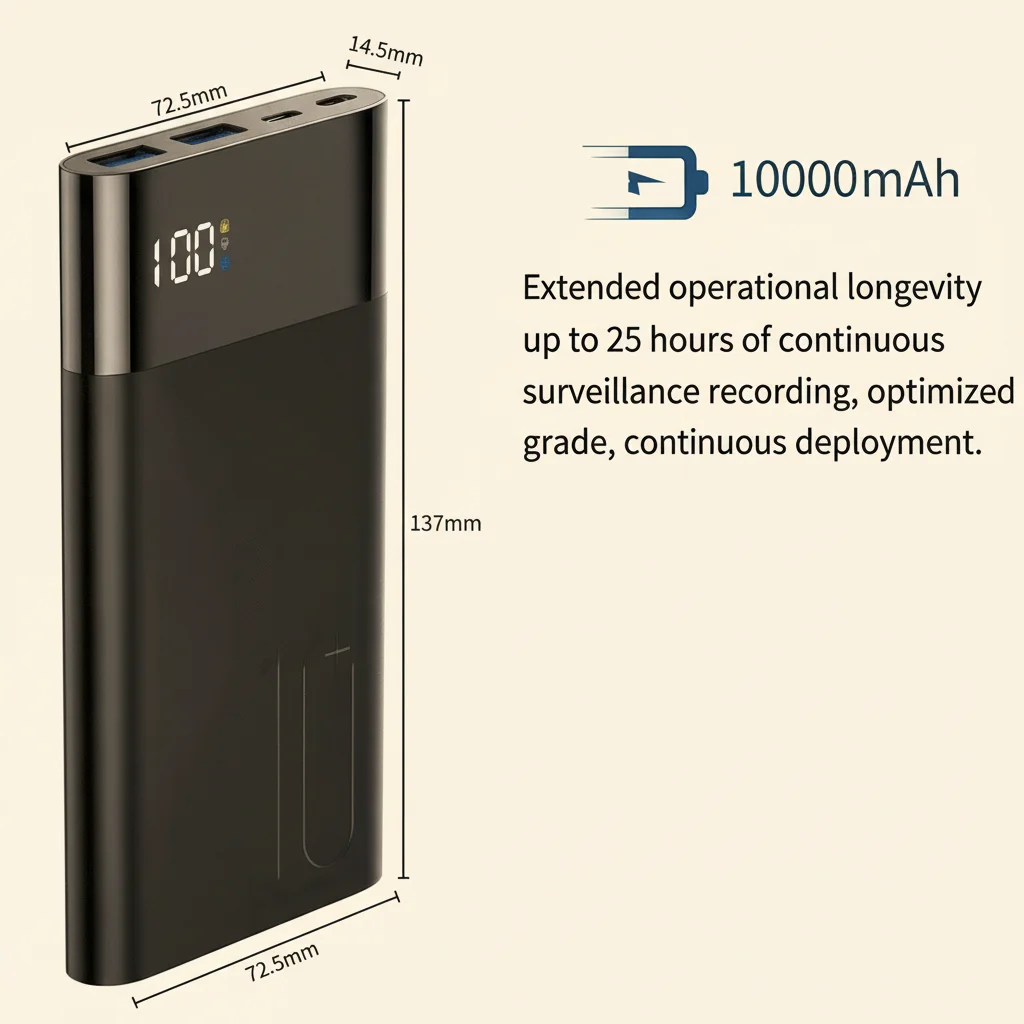
Alimentación por batería (cámaras en power bank): Colocación flexible en cualquier lugar de la habitación, sin necesidad de gestión de cables. La limitación es la duración de la batería: la mayoría de las mini cámaras ofrecen de 8 a 24 horas de grabación activa, o varios días en modo de espera con detección de movimiento. La Cámara oculta en power bank WiFi 1080P con visión nocturna utiliza un factor de forma de banco de energía de 10,000 mAh: creíble como un dispositivo de escritorio normal, proporcionando más de 96 horas de capacidad de monitoreo en espera con grabación activada por movimiento.
Carga lenta por USB desde dispositivos existentes: Algunas mini cámaras admiten ser alimentadas a través de USB desde un dispositivo existente (una PC de escritorio, un concentrador USB con alimentación, un puerto USB de un televisor inteligente) — aprovechando la infraestructura existente sin requerir un tomacorriente dedicado. Esto funciona bien en entornos de oficina donde ya están presentes múltiples dispositivos con alimentación.
Geometría del campo de visión: por qué el ángulo de la lente lo determina todo
El campo de visión (FOV) de una cámara determina cuánto de la escena captura a una distancia dada. La mayoría de las mini cámaras espía utilizan lentes gran angular en el rango de 90°–130°. Comprender cómo esto se proyecta en un plano de planta ayuda a seleccionar correctamente las posiciones de colocación:
Con un campo de visión de 120° (común en cámaras de enchufe y reloj):
– A 2 metros de distancia: cubre aproximadamente 4.6 metros de ancho
– A 3 metros de distancia: cubre aproximadamente 6.9 metros de ancho
– A 5 metros de distancia: cubre aproximadamente 11.5 metros de ancho
Esto significa que una cámara de 120° colocada en la esquina trasera de una habitación de 5×5 metros captura todo el ancho de la habitación en la pared opuesta. La misma cámara montada en el centro de la habitación cubre un arco más pequeño en relación con los límites de la habitación.
La implicación práctica: para habitaciones mayores de 20 metros cuadrados, una sola cámara de 120° posicionada en una esquina proporciona una cobertura general mejor que una cámara más estrecha colocada en el centro. Para habitaciones pequeñas (guarderías, baños, oficinas en casa menores de 15 metros cuadrados), la colocación en el centro de la pared con un lente de 90°–100° es suficiente y evita la distorsión de perspectiva del gran angular extremo a cortas distancias.
Uso de objetos como soportes de cámara: qué funciona y qué no
El desafío del ocultamiento es emparejar una cámara con un objeto anfitrión de manera que resista una inspección cercana. El objeto debe ser:
1. Contextualmente apropiado para la ubicación — se espera un detector de humo en el techo; un detector de humo en un estante es sospechoso
2. Posicionado naturalmente — a una altura y ángulo consistentes con su función declarada
3. Operacionalmente convincente — una cámara reloj que no muestra la hora correcta es una señal de alerta
Categorías de objetos que funcionan bien con cámaras integradas:
| Objeto | Ubicación | Calidad de Ocultamiento | Notas |
|---|---|---|---|
| Reloj despertador digital | Dormitorio, sala de estar, cuarto de niños | Excelente | Debe mostrar la hora correcta |
| Detector de humo | Techo, pasillo | Excelente | Debe incluir comportamiento de LED parpadeante |
| Enchufe de pared/Enchufe europeo | Cualquier pared | Excelente | Debe parecer funcional |
| Ambientador | Pared, baño | Bien | Inspección frecuente durante los rellenos |
| Marco de fotos | Pared, escritorio | Bien | Evitar enfrentar ventanas |
| Jarrón decorativo | Estante, escritorio | Bien | Debe posicionar la apertura en el ángulo correcto |
| USB charger | Escritorio, oficina | Excelente | Universal, discreto |
| Banco de energía | Escritorio, bolso | Bien | Lo suficientemente grande para alojar óptica + batería |
| Libro (ahuecado) | Estantería | Moderado | El lomo debe mirar hacia la habitación, no hacia la pared |
Módulos de cámara DIY: Creación de soluciones de ocultación personalizadas
Para instaladores que necesitan un ocultamiento verdaderamente personalizado — incrustar una cámara dentro de un objeto específico no disponible como unidad preconstruida, o integrarla en elementos arquitectónicos como luminarias o rejillas de ventilación — los módulos de cámara DIY ofrecen el hardware sin la carcasa preconstruida.
En Kit de Cámara Espía Oculta de Bricolaje proporciona: un sensor CMOS 1080P en una PCB miniatura, módulo WiFi integrado, procesador de detección de movimiento, circuito de gestión de batería y conectividad con la app Tuya — todo lo necesario para integrar en cualquier objeto anfitrión. El módulo del lente tiene 12mm de diámetro, adecuado para perforar objetos tan delgados como la cubierta de un libro o el respaldo de un marco de fotos. Toda la pila de electrónica tiene 8mm de grosor en su punto más delgado.
En Módulo de cámara espía WiFi oculta DIY va más allá, proporcionando un módulo sensor probado previamente con capacidad 4K, transmisión en vivo e integración de almacenamiento en la nube. Para instaladores profesionales que construyen soluciones a medida o para compradores B2B que desean integrar capacidad de cámara en sus propias líneas de productos, este es el punto de partida correcto.
Marco legal: lo que debe saber antes de instalar
El panorama legal para cámaras ocultas en espacios privados varía significativamente según la jurisdicción. Principios clave:
UE/RGPD: Debajo Considerando 10 del RGPD, el tratamiento de datos personales mediante cámaras de vigilancia en hogares privados para actividades puramente personales está exento del RGPD. Sin embargo, si las imágenes captan espacios utilizados por empleados, invitados o visitantes que tienen una expectativa razonable de privacidad, se aplica el cumplimiento del RGPD —incluida la base jurídica, los límites de conservación de datos y las obligaciones de información. El Directrices del Comité Europeo de Protección de Datos sobre videovigilancia proporcionan la referencia definitiva.
: Mantenga niveles óptimos de batería para estar preparado: The ICO’s Guía de CCTV para el hogar señala que las cámaras que cubren áreas más allá del límite de tu propia propiedad — capturando el jardín de un vecino, una acera pública o una entrada compartida — están sujetas a la ley de protección de datos y requieren un manejo adecuado.
EE. UU.: La ley federal de escuchas telefónicas permite grabar en cualquier lugar donde, como instalador, no tenga una expectativa razonable de que se vulnere su privacidad. Las leyes estatales varían: California exige el consentimiento de todas las partes para la grabación de audio. Consulte los recursos específicos de cada estado antes de desplegar cámaras con audio.
El principio más claro en todas las jurisdicciones: las cámaras que monitorizan espacios de su propiedad, para sus propios fines legítimos de seguridad, sin captar espacios privados de terceros, se encuentran en el territorio legal más claro. Las cámaras en dormitorios, baños o utilizadas para monitorizar empleados sin su conocimiento conllevan un riesgo legal significativo.
Lista de verificación previa a la instalación
Antes de colocar cualquier cámara, confirme:
– [ ] Autoridad legal: Usted es propietario o controla la propiedad, o cuenta con permiso explícito del propietario
– [ ] Sin grabación de audio en jurisdicciones que exigen el consentimiento de todas las partes unless all parties consent
– [ ] La cámara no apunta a la propiedad de un vecino, espacio público o área donde terceros tienen expectativas de privacidad
– [ ] Estrategia de alimentación decidida: red eléctrica, batería o USB — y ruta planificada si va cableado
– [ ] Intensidad de señal WiFi probada en la posición prevista (mínimo -65 dBm para transmisión estable)
– [ ] Firmware de la cámara actualizado before placement — post-placement firmware updates require physical access
– [ ] App y visualización remota probadas desde fuera de la red local antes de finalizar la posición
– [ ] Zona de detección de movimiento configurada para evitar activaciones falsas por cortinas, ventiladores o el movimiento de mascotas
– [ ] Tarjeta SD formateada y modo de grabación en bucle activado
– [ ] Visión nocturna probada in actual room lighting conditions at target distance
FAQ: Preguntas frecuentes de instaladores primerizos
P: ¿Puede funcionar una cámara oculta sin WiFi?
Sí. Las cámaras con grabación en tarjeta microSD funcionan completamente sin conexión: almacenan las imágenes localmente y requieren extracción física para su reproducción. El WiFi añade monitoreo en vivo y alertas remotas, pero no es necesario para la grabación básica. La Kit de Cámara Espía Oculta de Bricolaje admite ambos modos: WiFi cuando está disponible y grabación solo en SD cuando no lo está.
P: ¿Cómo compruebo si una cámara tiene una visión clara a través de su carcasa?
Pruebe conectando la cámara a la vista en vivo (mediante app o WiFi) y observe la transmisión de video real mientras cubre y descubre el material de ocultación. Cualquier material que reduzca el brillo en más del 20% en la transmisión afectará significativamente el rendimiento de visión nocturna y la claridad en condiciones de poca luz.
P: ¿Cuál es el tamaño máximo de tarjeta SD que admiten la mayoría de las mini cámaras?
La mayoría de las mini cámaras actuales admiten hasta 128 GB de microSD (algunas unidades más recientes admiten 256 GB). A 1080P con compresión H.265, 128 GB almacena aproximadamente 150–200 horas de grabación en modo de grabación en bucle, sobrescribiendo continuamente el material más antiguo.
P: Mi señal WiFi no llega a la ubicación objetivo. ¿Cuáles son mis opciones?
Instale un repetidor de señal WiFi (nodo mesh) colocado entre el router y la cámara. Como alternativa, utilice un adaptador puente Ethernet a WiFi de corta longitud. Si ninguna de las dos opciones es práctica, use una cámara con conectividad 4G LTE: varios modelos QZT admiten la inserción de tarjeta SIM para un funcionamiento conectado a la red celular, independientemente del WiFi doméstico.
P: ¿Cómo evito que la cámara sea detectada por escáneres de RF?
Los dispositivos de detección de RF encuentran cámaras WiFi y celulares detectando sus señales de transmisión. Durante la transmisión activa, una cámara WiFi es detectable. Durante la grabación solo en SD con WiFi desactivado, no hay emisión de RF. Si la detección de RF es una preocupación específica, utilice cámaras en modo solo SD con WiFi desactivado, subiendo las grabaciones solo durante una breve ventana designada de extracción.
P: ¿Cómo evito que la lente de la cámara se empañe en entornos fríos?
Las mini cámaras en carcasas selladas en salas frías (garajes, paredes interiores orientadas al exterior) pueden desarrollar condensación en la lente debido a los diferenciales de temperatura. Soluciones: utilice bolsitas de gel de sílice en la carcasa si realiza una instalación DIY, o seleccione cámaras con rangos de temperatura de funcionamiento que incluyan su entorno. La mayoría de las cámaras tienen un rango de funcionamiento de 0°C–40°C.

 English
  Italiano
  Deutsch
  Français
  Español
  Polski