
Cómo las Cámaras Espía de Bajo Presupuesto de Temu Están Cambiando el Mercado Europeo
Si vendes equipos de vigilancia encubierta en cualquier parte de Europa hoy, has sentido el efecto. Un cliente entra a un instalador de equipos de seguridad en Birmingham, pregunta sobre una mini cámara 1080p, y el instalador le da una cotización de £85. El cliente abre Temu en su teléfono. Encuentra una “cámara encubierta 1080p” a £11. Sale de la tienda. El instalador nos llama frustrado — preguntando si la unidad de £11 es “basicamente lo mismo.”
Este artículo examina los datos reales: qué vende realmente Temu, cómo se compara con los productos certificados CE, cuáles son las consecuencias regulatorias para los revendedores europeos y, crucialmente, cómo los distribuidores establecidos pueden competir sin entrar en una guerra de precios destructiva para los márgenes que no pueden ganar.
1. ¿Qué está vendiendo realmente Temu?
Temu opera con un modelo fundamentalmente diferente de la distribución tradicional B2B. Los productos se envían directamente desde fabricantes en China a consumidores europeos, evitando completamente importadores, distribuidores y revendedores locales. Los productos no están certificados CE. No cumplen con el GDPR. No cumplen con las directivas de equipos radioeléctricos (RED) de la UE. La mayoría no tiene nombre de fabricante o dirección de contacto — un requisito legal bajo la Regulación de Vigilancia del Mercado de la UE 2019/1020.
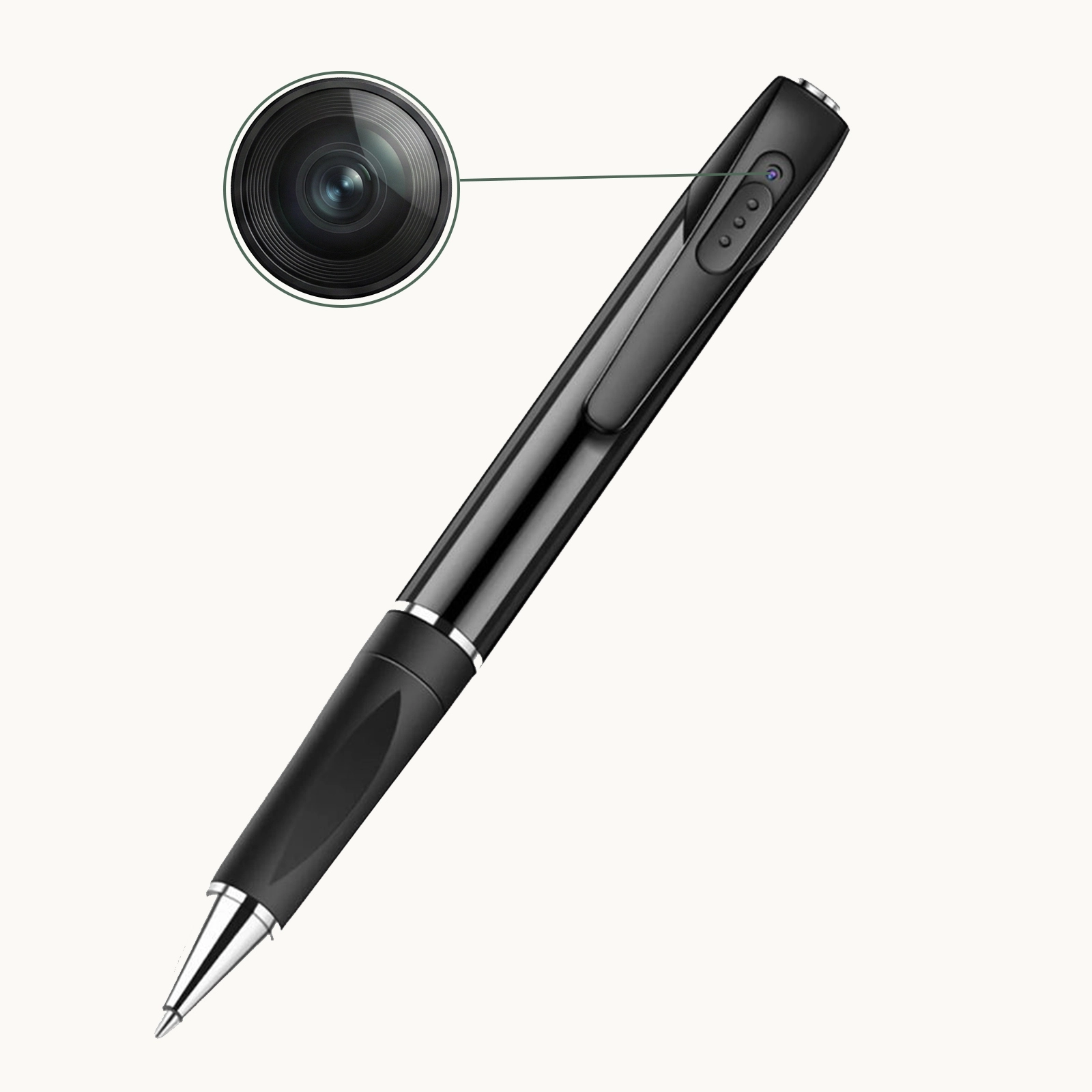
Cuando un consumidor europeo compra una “mini cámara espía” en Temu por 12 €, lo que recibe es:
– Un módulo de cámara de baja especificación de 720p o 1080p (a menudo con publicidad engañosa de “4K” o “12MP” en el anuncio)
– Un cargador USB genérico y un manual en chino (a veces con traducción burda al inglés)
– Sin marcado CE, o una marca CE falsa impresa sin número de organismo notificado
– Sin política de privacidad, sin información de protección de datos y sin importador o fabricante identificable
– Una aplicación que el cliente descarga de un sitio de APK de terceros (porque la aplicación es frecuentemente eliminada de Google Play y la App Store de Apple)
Este no es un producto convencional. Es un punto oscuro regulatorio.
2. La Brecha de Cumplimiento CE — Por qué Importa para Revendedores Europeos
La diferencia más importante entre una cámara Temu y una cámara certificada CE de un proveedor legítimo no es la calidad de imagen, la vida de la batería o el precio. Es la posición legal del producto en el mercado de la UE.
Bajo el sistema de marcado CE de la UE, cualquier producto electrónico vendido en la Unión Europea debe:
– Tener un archivo técnico que demuestre el cumplimiento de las directivas aplicables (EMC, RoHS, RED para equipos de radio, LVD para seguridad eléctrica)
– Ser probado por, o declarado por, un organismo notificado (para equipos de radio, debe intervenir un organismo notificado)
– Tener una Declaración de Conformidad (DoC) firmada por el fabricante o un representante autorizado dentro de la UE
– Mostrar la marca CE en el formato correcto, con el número de cuatro dígitos del organismo notificado (cuando sea aplicable)
– Tener un fabricante o importador identificable con nombre y dirección dentro de la UE
Los productos de Temu no cumplen con la mayoría de estos requisitos.
Lo que esto significa para los revendedores europeos: Si vendes una cámara oculta sin certificación CE a un cliente que la despliega en su negocio, y sigue una investigación de una autoridad de protección de datos, la responsabilidad fluye a través de la cadena de suministro. El cliente final puede intentar reclamar daños y perjuicios a ti como su proveedor. El certificado CE es tu principal defensa.
Los compradores de Temu no tienen esa protección.
3. Comparaciones de productos reales — Unidades económicas de Temu frente a stock de distribuidores certificados
| Característica | Cámara espía “1080p” de Temu por 12 €” | Cámara de Bolígrafo Certificada QZT 1080p | Impacto |
|---|---|---|---|
| Resolución | Usualmente 720p escalado a 1080p | Sensor CMOS verdadero de 1080p | La unidad de Temu muestra artefactos visibles en movimiento |
| Calidad de construcción | Plástico ABS, mecanismo de botón frágil | ABS + clip de metal, internos reforzados | Unidad Temu se rompe en promedio en 2–4 semanas |
| Calidad de la aplicación | APK de terceros, desconexiones frecuentes | App verificada con soporte del proveedor | La unidad de Temu requiere la instalación lateral de aplicaciones Android |
| Certificación CE | Ninguno o falso | Certificación CE + RED genuina | Responsabilidad civil y potencial penal para el usuario final |
| Garantía | Sin garantía | Garantía de 12 meses con reemplazo | Compra Temu es final |
| Privacidad de datos | Ubicación del servidor de la aplicación desconocida; los datos pueden procesarse en China | Servidores de aplicación en UE/auditados por terceros | Riesgo de cumplimiento GDPR con unidades Temu |
| Battery life | Frecuentemente sobreclim a 200–400% de capacidad real | Rangos documentados de 2 a 5 horas | Las afirmaciones sobre la batería de Temu son sistemáticamente falsas |
El patrón es claro: el producto de Temu cuesta menos porque recorta cada esquina que requieren la certificación, el control de calidad y el cumplimiento legal. El precio de 12 € no incluye ninguno de esos costos.
4. Impacto en el Mercado — Lo que Reportan los Distribuidores
We have interviewed distributors across six European markets. The pattern is consistent.
Italy. A security installer in Milan reports that residential customers increasingly mention Temu prices during consultations. His response is to focus on CE certification, warranty terms, and — critically — GDPR compliance. For customers deploying cameras in residential settings (condomini, rental apartments), the Garante’s enforcement activity has made CE certification and documented compliance a genuine selling point. He has successfully migrated price-sensitive customers upward by explaining the liability risk of unidenfied electronic equipment.
Germany. German distributors report a more sophisticated market response. German buyers (B2B customers, not end consumers) are generally aware of the CE marking requirements and the BDSG implications of non-compliant surveillance equipment. The Temu impact is primarily in the consumer DIY segment, which was never a high-margin market for professional distributors anyway. The competitive moat for German distributors is technical competence, works council compliance guidance, and professional certification — things Temu cannot provide.
France. The CNIL has been increasingly active in enforcement actions related to covert surveillance in professional settings. French distributors who proactively provide CNIL compliance documentation with their products have largely insulated themselves from Temu competition in the B2B segment. The consumer segment is more exposed, but this was always a low-margin, high-churn market.
United Kingdom. The ICO has been less active than the CNIL or Garante in covert surveillance enforcement, but Brexit has not changed the fundamental legal requirements for data protection in the workplace. UK distributors who sell to SMEs and tradespeople are reporting that Temu pricing is making price-led conversations more frequent. The successful response is to talk about visible signage packets, employee consent templates, and ICO audit trails — services that come with a properly sourced product and cannot be downloaded from a €12 listing.
5. Customer Complaints About Temu Spy Cameras — And What They Tell Us
Distibutors who have tested Temu units against their own stock report consistent failure patterns.
“The image quality is nothing like the listing.” The most common complaint from end customers who tried a Temu unit first. A €12 “4K” camera records at 720p upscaled. The difference is visible immediately on a laptop screen. The distributor who can show a side-by-side comparison wins the sale.
“The app does not work after a phone update.” Temu camera apps are frequently delisted from Google Play and the App Store. After an OS update, the app may stop working entirely, and because it cannot be re-downloaded, the camera becomes unusable. Certified products have maintained app support and documented update paths.
“The battery died after six charges.” Lithium cells in uncertified budget products frequently fail before 20 charge cycles. There is no warranty, no support channel, and no recourse. The total cost of ownership over 12 months is often higher for a €12 unit that is replaced three times than for a €55 unit with a 12-month warranty.
“I got a letter from the Garante.” We have received three separate reports from Italian end customers who used Temu cameras and later received compliance inquiries from the Garante per la protezione dei dati personali. The camera had no CE marking and no identifiable manufacturer — making the user fully liable. Each case concluded with a fine or a formal warning. None of this happens with properly sourced equipment.
6. Competitive Strategy — How to Respond Without Destroying Your Margins
You cannot win a price war with Temu. Their cost structure is fundamentally different from yours, and attempting to match €12 pricing will destroy your business. Here is what does work.
Lead with compliance. Make CE certification, GDPR guidance, and warranty terms the first thing your customers see. A customer who understands that using a non-CE camera can result in a €20 million fine (GDPR maximum) will pay €55 for a compliant product. A customer who does not understand this will buy the €12 unit and learn the hard way. Your job is education, not price matching.
Bundled services, not bundled discounts. Instead of lowering the product price, bundle services: a free GDPR compliance guide, a signage template, a 15-minute phone consultation on deployment options, or a free microSD card with every unit. These have high perceived value and low cost to you, and they differentiate your product in ways a €12 listing cannot.
Target the B2B segment specifically. Temu sells to consumers. Your advantage is in B2B sales: security installers, HR departments, small business owners, property managers. These buyers care about liability, documentation, and warranty. They are not buying on Temu.
Use the Temu comparison as a sales tool. Order two or three of the most common Temu-listed covert cameras. Test them. Document the failures. Show your customers a side-by-side comparison of a €12 unit and your €55 unit. Let the quality difference sell the product. Distributors in Germany and Italy who do this report significantly higher close rates.
7. Regulatory Risk for European Marketplaces — Temu’s CE Problem
This is an evolving area. The EU’s new General Product Safety Regulation (GPSR), fully applicable from December 2024, imposes stricter requirements on online marketplaces to verify that products sold to EU consumers comply with applicable safety standards. Temu, like AliExpress and Shein, is under increasing pressure to enforce CE compliance — but enforcement is inconsistent, and many non-compliant products continue to be available.
What this means for distributors. The regulatory environment is moving in your favour. As the EU increases enforcement on online marketplaces, non-compliant products will face more barriers to entry. Your CE-certified, fully documented products will become more valuable, not less, as the market clears low-quality imports.
What to watch. The European Commission has launched multiple investigations into Temu’s product safety practices in 2024–2025. If the EU moves to require marketplace platforms to verify CE certification before listing, the Temu advantage in the surveillance equipment category will erode significantly. Distributors who have built compliance-first value propositions will be well positioned.
8. The Long-Term Outlook for the European Covert Camera Market
The Temu phenomenon is not permanent in its current form. Several forces are converging:
– Regulatory enforcement is increasing. The EU GDPR enforcement has been stepped up since 2023, with multiple €10M+ fines issued against companies for non-compliant data processing. The Garante, CNIL, and ICO are all more active than they were five years ago.
– Marketplace liability is expanding. The EU’s Digital Services Act (DSA) and the new GPSR create obligations for online marketplaces to police non-compliant products. Temu’s ability to ship non-CE goods into the EU will face increasing friction.
– Corporate and professional buyers (the highest-margin segment for distributors) are becoming more compliance-aware, not less. The trend is toward documented, auditable supply chains, which is incompatible with anonymous marketplace purchases.
For distributors who position correctly — compliance-first, service-bundled, B2B-focused — the Temu wave is a short-term challenge and a long-term competitive advantage. The distributors who try to match Temu on price will not be in business to see the regulatory pendulum swing back.
Preguntas frecuentes
Is it legal to buy a spy camera on Temu and use it in the UK?
Purchasing is not prohibited, but deploying a non-CE-certified surveillance device, particularly in a workplace or rental property, carries significant legal risk. The ICO’s Employment Practices Code requires that covert monitoring be authorised under RIPA in the UK — and one of the factors the ICO considers is whether the surveillance equipment meets recognised technical standards. A non-CE camera may undermine the lawfulness of the monitoring.
What is the Garante’s position on non-CE camera equipment?
The Garante has taken the position that using surveillance equipment without proper CE marking and without a manufacturer or importer identifiable within the EU constitutes a violation of both the Privacy Code and GDPR. Fines have been issued for this category of violation. Distributors selling into Italy should provide a compliance statement with every product, confirming CE status and the identity of the EU-based responsible person.
How do I explain to a price-sensitive customer why they should not buy the €12 Temu camera?
Ask them two questions: (1) “If this camera captures footage that you need for legal purposes, are you confident the app and the device will still be functional in 12 months?” (2) “If the Garante or ICO investigates your use of surveillance equipment, do you have a CE certificate and a responsible supplier to produce in your defence?” Most customers who understand the liability will pay for compliance.
Is Temu’s impact the same across all European markets?
No. Los mercados con culturas de aplicación más fuertes (Alemania, Italia, Francia) muestran más resiliencia entre los distribuidores B2B porque los compradores corporativos son conscientes del cumplimiento. Los mercados con tradiciones de aplicación más débiles, o con economías informales más grandes, muestran más erosión en los segmentos de consumidores y pequeñas empresas. El Reino Unido se sitúa en el medio: la aplicación de la ICO es activa pero no al nivel del Garante o la CNIL.
¿Preocupado por la competencia de Temu en su mercado? Contacte a nuestro equipo de distribuidores para paquetes de documentación CE, guías de cumplimiento y soporte de posicionamiento competitivo adaptado a su país.

 English
  Italiano
  Deutsch
  Français
  Español
  Polski