
Cómo usar un detector de lentes:
Privacy concerns in short-term accommodations have grown significantly. Reports of hidden cameras found in hotel rooms, Airbnb rentals, and vacation properties continue to surface worldwide. Knowing how to detect and identify covert recording devices before you settle in is an essential skill for modern travelers.
Why Hidden Cameras Are Found in Rental Properties
The vast majority of hotels are completely safe, and reputable platforms like Airbnb have strict policies against unauthorized cameras. However, isolated incidents do occur — often in rooms managed by individual hosts rather than large hotel chains, or in properties with inadequate oversight.
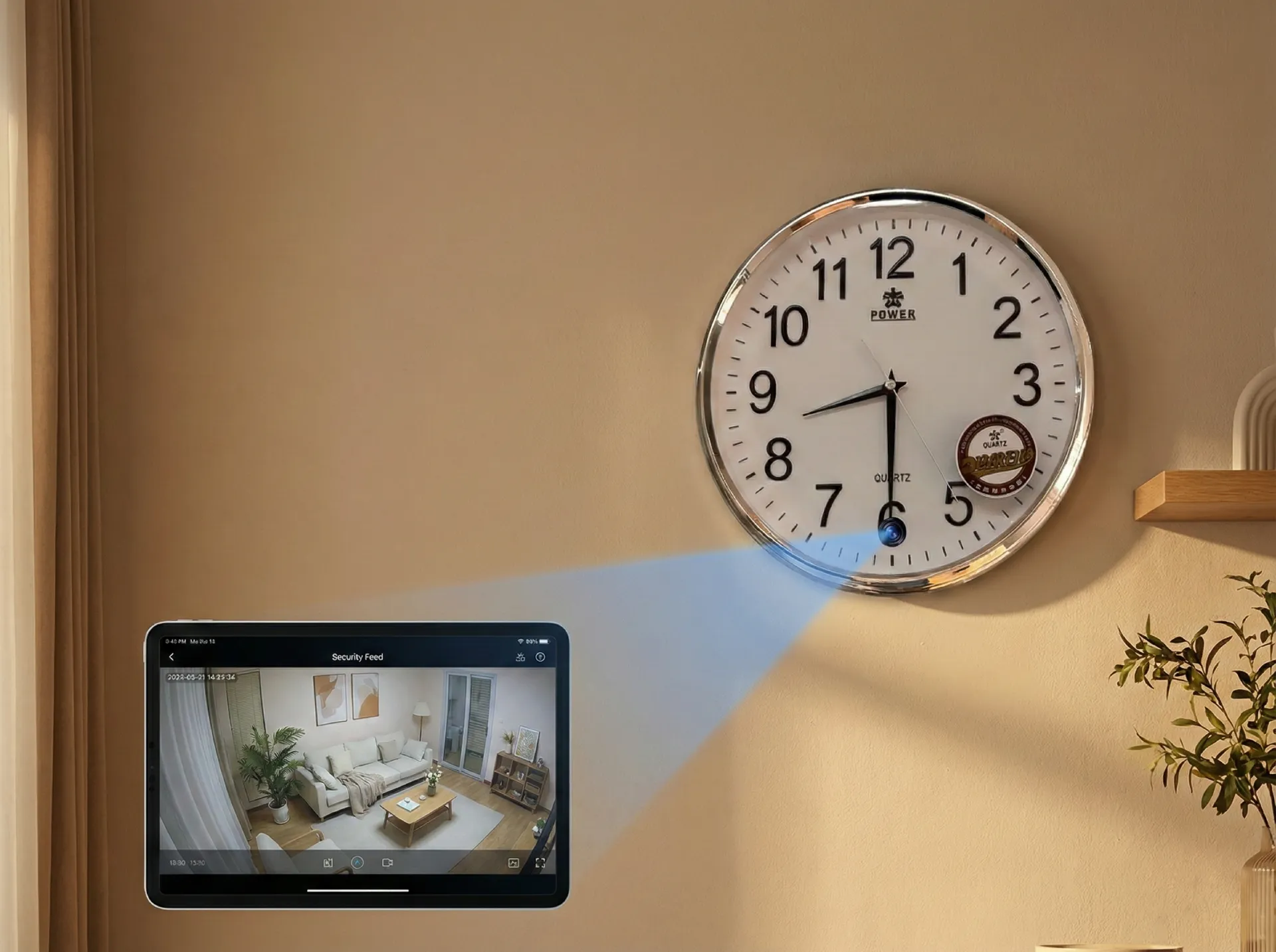
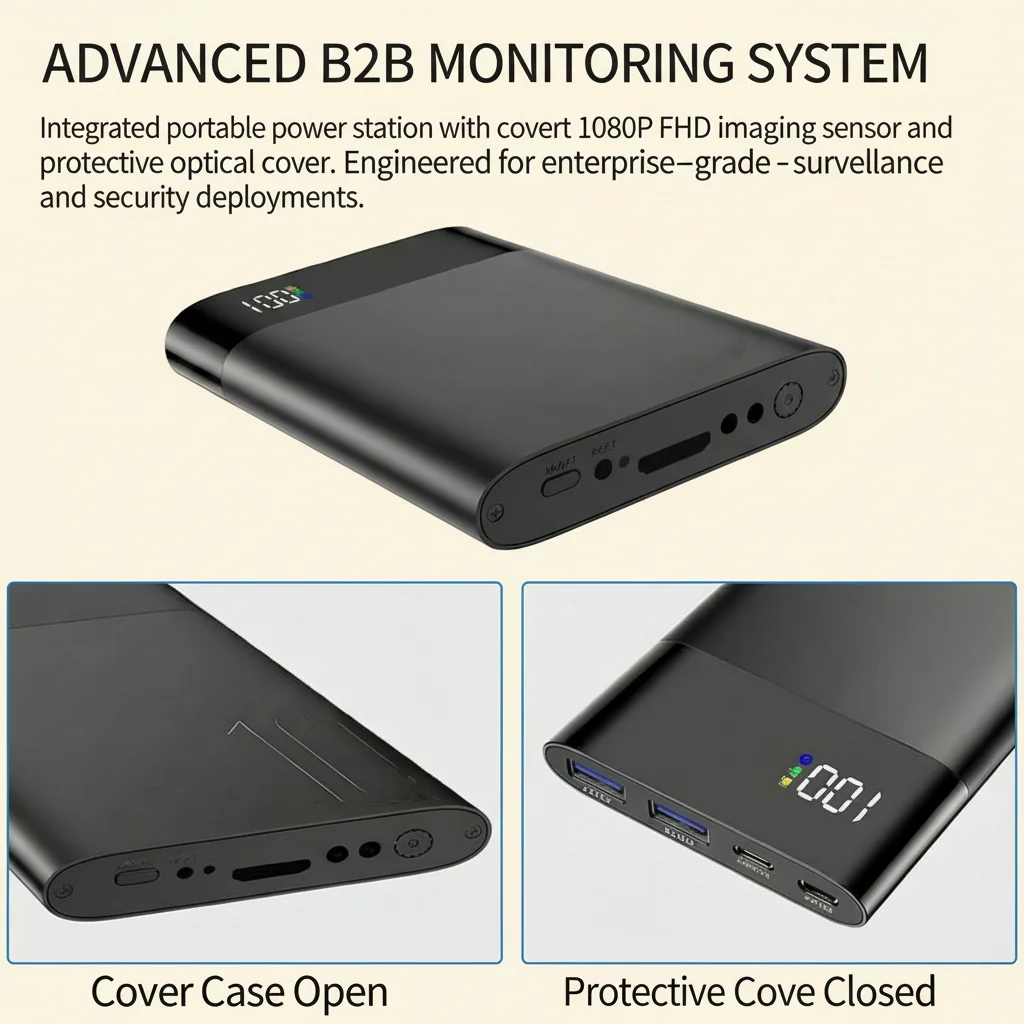
Las ubicaciones comunes donde se han encontrado cámaras ocultas incluyen detectores de humo, despertadores, cargadores de teléfono, enchufes de pared, espejos, purificadores de aire y objetos decorativos. Estos dispositivos están diseñados para integrarse en el entorno y son difíciles de detectar sin una búsqueda sistemática. Si le preocupan los dispositivos de grabación encubiertos en su hogar u oficina, consulte nuestra guía de grabadora de voz espía oculta para más información sobre cómo funcionan estos dispositivos.
Method 1: Physical Inspection of the Room
The simplest starting point is a careful visual inspection:
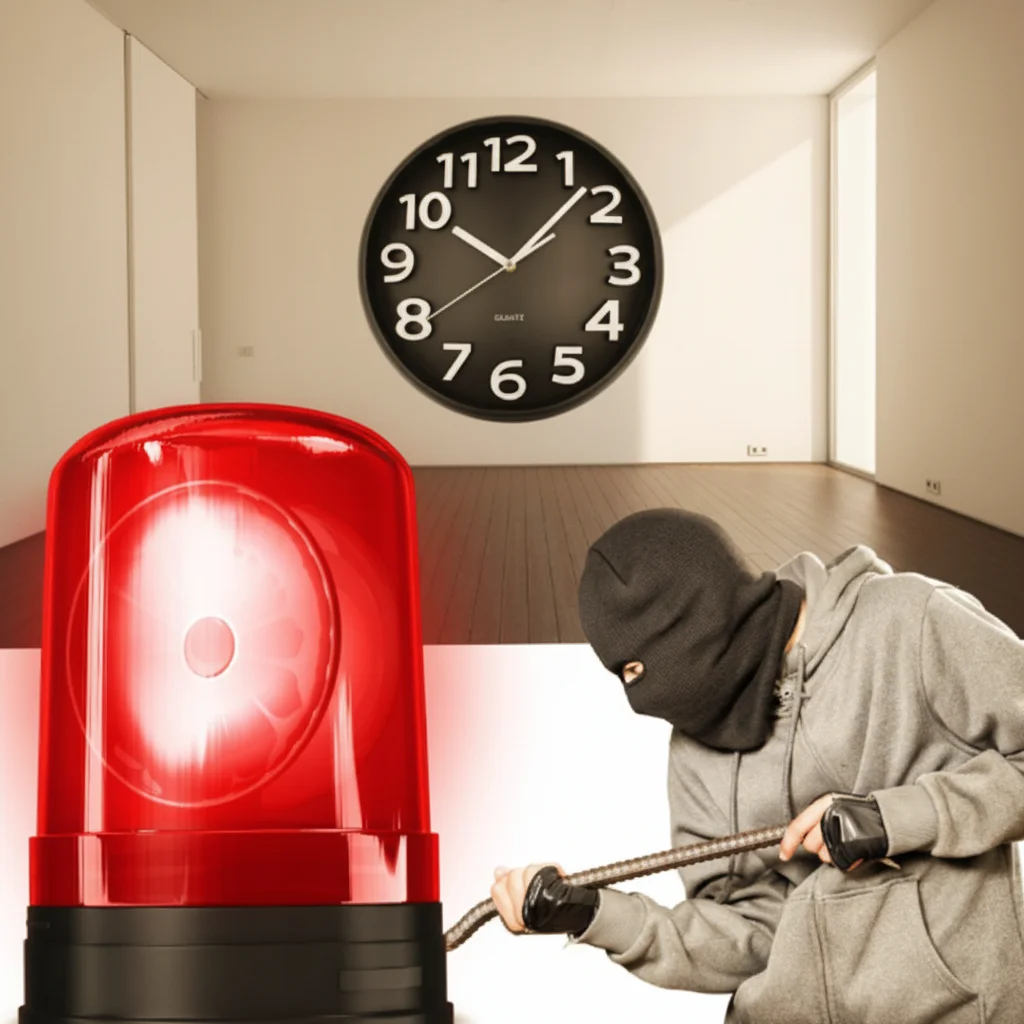
Check common hiding spots first. Smoke detectors, alarm clocks, USB chargers, picture frames, wall outlet covers, and decorative items are the most common locations for hidden cameras.
Look for misaligned objects. If a smoke detector or clock looks slightly off-center compared to others in the room, or if a screw appears to have been recently disturbed, investigate further.
Look for small holes. Camera lenses require a line of sight. Look for tiny holes (2–4mm) in walls, objects, and fixtures pointing toward sleeping areas, bathrooms, or changing areas.
Check mirrors carefully. Los espejos bidireccionales pueden ocultar cámaras detrás de ellos. La “prueba de la uña” no es completamente confiable, pero colocar el dedo contra el espejo y verificar si hay un espacio entre la punta del dedo y su reflejo puede ser indicativo: la ausencia de espacio puede sugerir un espejo bidireccional.
Inspect USB chargers and wall adapters. Los cargadores con cámaras ocultas están ampliamente disponibles comercialmente. Si ves un cargador de pared que no trajiste, examínalo de cerca — busca un pequeño orificio de lente en la parte frontal.
Method 2: Use Your Smartphone Camera to Detect IR LEDs
Many hidden cameras use infrared LEDs for night vision. These LEDs emit light in the near-infrared spectrum — invisible to the human eye but visible to most smartphone cameras.
How to use this method:
1. Apaga todas las luces de la habitación para que esté completamente oscura
2. Abre la aplicación de cámara de tu teléfono inteligente (usa la cámara frontal, ya que normalmente carece de filtro IR)
3. Slowly scan the room, pointing the camera at suspicious objects
4. Look for a white or purple glow on your camera screen — this indicates IR LEDs that are invisible to your naked eye
5. Repeat from different angles, especially toward smoke detectors, clocks, and chargers
This method is highly effective for detecting active cameras with night vision that may be running while the room is dark.
Method 3: WiFi Network Scanning
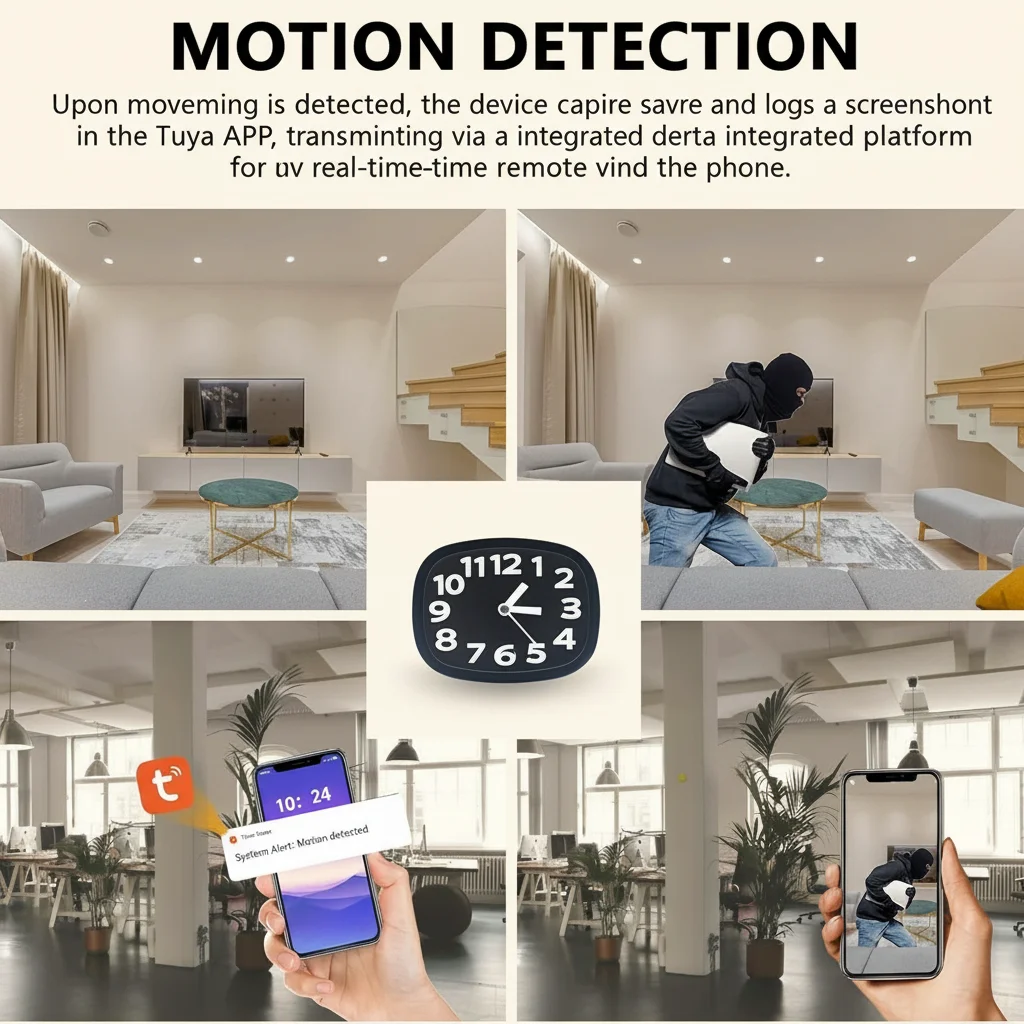
Most modern hidden cameras require a WiFi connection to stream footage remotely. You can scan the WiFi network in a hotel or rental to identify unexpected devices.
Steps:
1. Conecta tu teléfono a la red WiFi de la propiedad
2. Download a network scanner app such as Fing (iOS/Android) — free to use
3. Run a scan to see all devices connected to the network
4. Busca dispositivos desconocidos, especialmente aquellos etiquetados como “cámara IP”, “DVR” o con nombres de fabricante inusuales
5. If you find a suspicious device, it may indicate a hidden camera connected to the same network
Nota: Algunas cámaras ocultas operan en una conexión de datos celular separada en lugar del WiFi de la propiedad, por lo que este método puede no detectar todas las cámaras.
Method 4: Use a Radio Frequency (RF) Detector
RF detectors are handheld devices that detect radio frequency emissions from wireless cameras, listening devices, and transmitters.
How to use an RF detector:
1. Set the detector to its most sensitive setting
2. Slowly walk around the room, holding the detector at various heights
3. Pay special attention to corners, smoke detectors, alarm clocks, and air vents
4. The detector will beep or vibrate when it detects RF signals nearby
5. Investigate the source of strong readings further with visual inspection
RF detectors are available for $20–$150 and are worth carrying when traveling frequently to rental accommodations. They detect both hidden cameras and audio recording devices.
Method 5: Use a Lens Detection Device
Camera lens detectors use a flashing red LED and an optical viewfinder to detect the characteristic reflective flash from camera lenses — even passive lenses with no active electronics or WiFi.
How to use a lens detector:
Absolutamente. Verificar tu propio alojamiento por cámaras es legal en todas partes. Operar cámaras ocultas en espacios privados sin consentimiento es lo que es ilegal.
2. Look through the viewfinder while pressing the LED flash button
3. Slowly scan the room, directing the flashing light at objects
4. Any camera lens will produce a distinctive sparkle or reflective flash through the viewfinder
5. A strong, repeating flash pattern indicates a camera lens
This method is effective even for cameras that are turned off, unplugged, or not transmitting any signal.
Where to Look in a Hotel or Airbnb Room
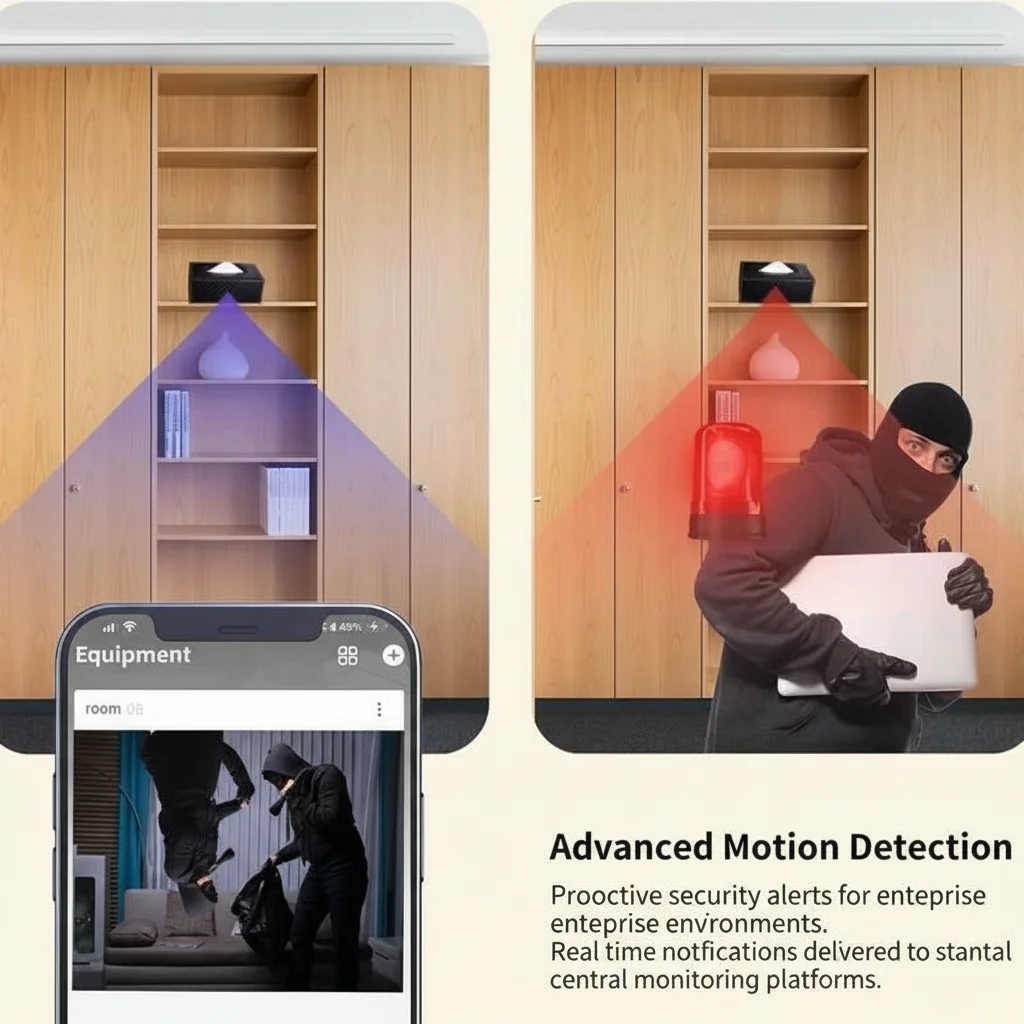
Based on documented finds, these are the highest-priority areas to check:
Dormitorio:
– Relojes despertadores y radios despertador
– Detectores de humo directamente sobre la cama
– Purificadores de aire o humidificadores orientados hacia la cama
– Objetos decorativos en estanterías o cómodas
– Espejos — tanto espejos de pie como espejos de pared
Bathroom:
– Cabezales de ducha
– Carcasas de ventiladores de extracción
– Espejos
– Artículos de tocador dejados en el baño (especialmente cualquier objeto inusual)
– Ganchos de pared o toalleros
Common areas:
– cargadores de pared USB y adaptadores de enchufe. Consulte nuestra guía sobre cómo usar una cámara de memoria USB para entender cómo se ven estos dispositivos USB encubiertos.
– Estanterías con objetos orientados hacia las zonas de asiento
– Marcos de cuadros
– Routers Wi-Fi (los routers legítimos a veces tienen cámaras en configuraciones comprometidas)
What to Do If You Find a Hidden Camera
If you discover what appears to be a hidden camera:
1. Do not disturb it — avoid moving or unplugging it, as this may alert the operator
2. Document with photos — photograph the device and its location before taking any action
3. Contactar con la policía — hidden recording in private accommodation spaces is illegal in virtually all jurisdictions; this is a criminal matter
4. Report to the platform — if staying through Airbnb, VRBO, or a similar service, report immediately through their trust and safety team
5. Request a different room or leave — do not remain in a compromised space
Prevention Tips for Regular Travelers
If you travel frequently and take privacy seriously:
Use the physical check as a routine. A 5-minute inspection of smoke detectors, clocks, and chargers before unpacking takes little time and provides significant peace of mind.
Bring your own RF detector. Compact RF detectors fit easily in a carry-on bag and provide an additional layer of detection beyond visual inspection.
Request a room change if anything seems off. No necesitas pruebas: si algo se siente mal en la configuración de una habitación, solicita un cambio sin dudar.
Stay in established chain hotels for sensitive situations. Large chain hotels have strong brand reputation incentives to maintain strict privacy standards.
Conclusión
Finding a hidden spy camera in a hotel room or rental property requires a systematic approach combining visual inspection, smartphone IR detection, WiFi scanning, and optionally RF and lens detection devices. While the vast majority of accommodations are safe, a quick inspection before unpacking takes only a few minutes and provides essential peace of mind. If you do find a hidden camera, treat it as a criminal matter and contact local authorities immediately.
Para proteger su propiedad contra vigilancia no deseada, explore nuestra mejores cámaras ocultas para seguridad en el hogar para entender cómo se ven estos dispositivos desde el otro lado.
Preguntas frecuentes
Can a smartphone camera really detect IR light from hidden cameras?
Yes — most smartphone front cameras lack the infrared filter present in rear cameras, making them sensitive to near-IR light. This is a widely-used and effective detection technique.
Are free WiFi scanner apps reliable for detecting cameras?
Pueden detectar cámaras conectadas a la misma red WiFi. Sin embargo, las cámaras que usan datos celulares o grabación fuera de línea no aparecerán. Usa el escaneo WiFi como uno de varios métodos.
Is it legal to check for hidden cameras in a rental?
Absolutamente. Revisar tu propio alojamiento en busca de cámaras es legal en todas partes. Operar cámaras ocultas en espacios privados sin consentimiento es lo que es ilegal.
¿Qué debo hacer si sospecho que hay una cámara pero no puedo encontrarla?
Si no puedes confirmar una cámara visualmente pero tienes fuertes razones para sospechar vigilancia, contacta a la administración de la propiedad o a la plataforma y solicita un cambio de habitación o un reembolso, documentando tus preocupaciones.
Do hotels have cameras in rooms?
Reputable hotels strictly prohibit cameras in guest rooms. Cameras in hotel lobbies, hallways, and common areas are legal and standard. Any camera inside a guest room without conspicuous disclosure is a serious violation.

 English
  Italiano
  Deutsch
  Français
  Español
  Polski