
A distributor-facing legal breakdown covering all eight Australian states and territories, with practical compliance advice for bulk buyers shipping into the Australian market.
What Does Australian Law Actually Say About Nanny Cameras?
Most Australian parents assume a hidden camera in their own home is automatically legal. That assumption can be expensive.
The short answer: video-only recording in your own home is broadly legal across Australia, but audio recording and placement restrictions vary dramatically by state.
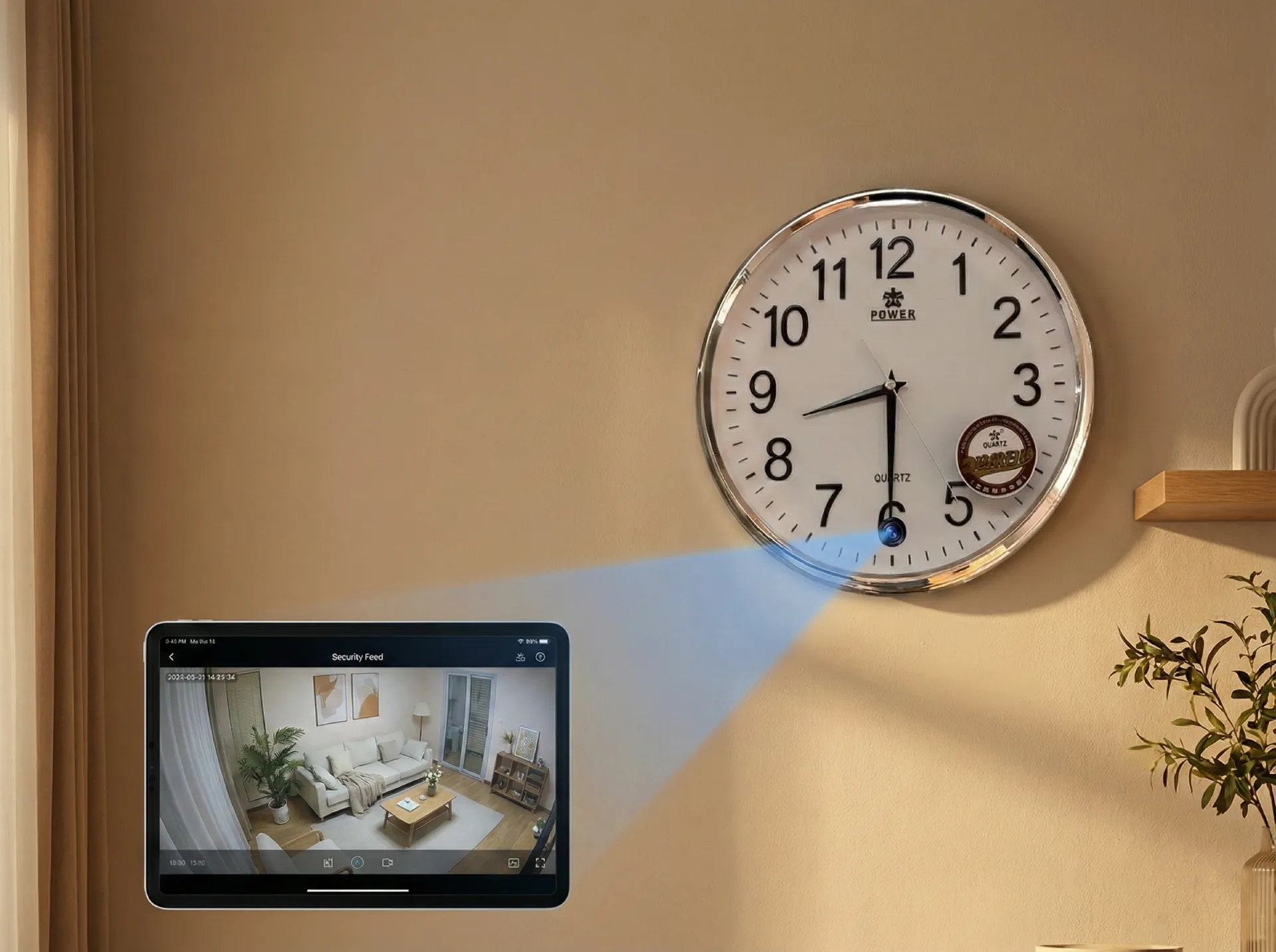
Australian law does not have a single federal statute governing nanny cameras. Instead, each state and territory maintains its own surveillance devices legislation. The common thread is the concept of “reasonable expectation of privacy” — a principle drawn from English common law that Australian courts have applied consistently since the 1990s.
But here’s the thing. What feels “reasonable” to a parent in Sydney may not match what a magistrate in Perth considers reasonable. The penalty for getting it wrong ranges from a $2,000 fine in Tasmania to two years’ imprisonment in Western Australia.
For distributors, this legal patchwork creates a compliance headache. A cámara oculta that ships without proper documentation in Victoria may expose your Australian reseller to criminal liability in South Australia. The product itself is not illegal — but how it is marketed, configured, and documented determines whether the end-user stays on the right side of the law.
| Legal Aspect | Federal | State Level |
|---|---|---|
| Video recording in private home | No specific law | Regulated by state Surveillance Devices Acts |
| Grabación de audio | No specific law | Varies: VIC/QLD allow one-party consent; all others require all-party consent |
| Vigilancia en el lugar de trabajo | Fair Work Act 2009 (limited) | State-specific workplace surveillance laws |
| Penalties | Ninguno | $2,000 fine to 2 years imprisonment depending on state |
Conclusión clave: Nanny cameras are legal in Australia, but state laws differ sharply on audio recording and placement.
New South Wales: The Surveillance Devices Act 2007
NSW represents the largest Australian market for imported surveillance equipment. Getting the law wrong here affects more end-users than any other state.
In NSW, it is illegal to install a surveillance device on private property without the consent of the occupier, and audio recording of private conversations requires consent from all parties.
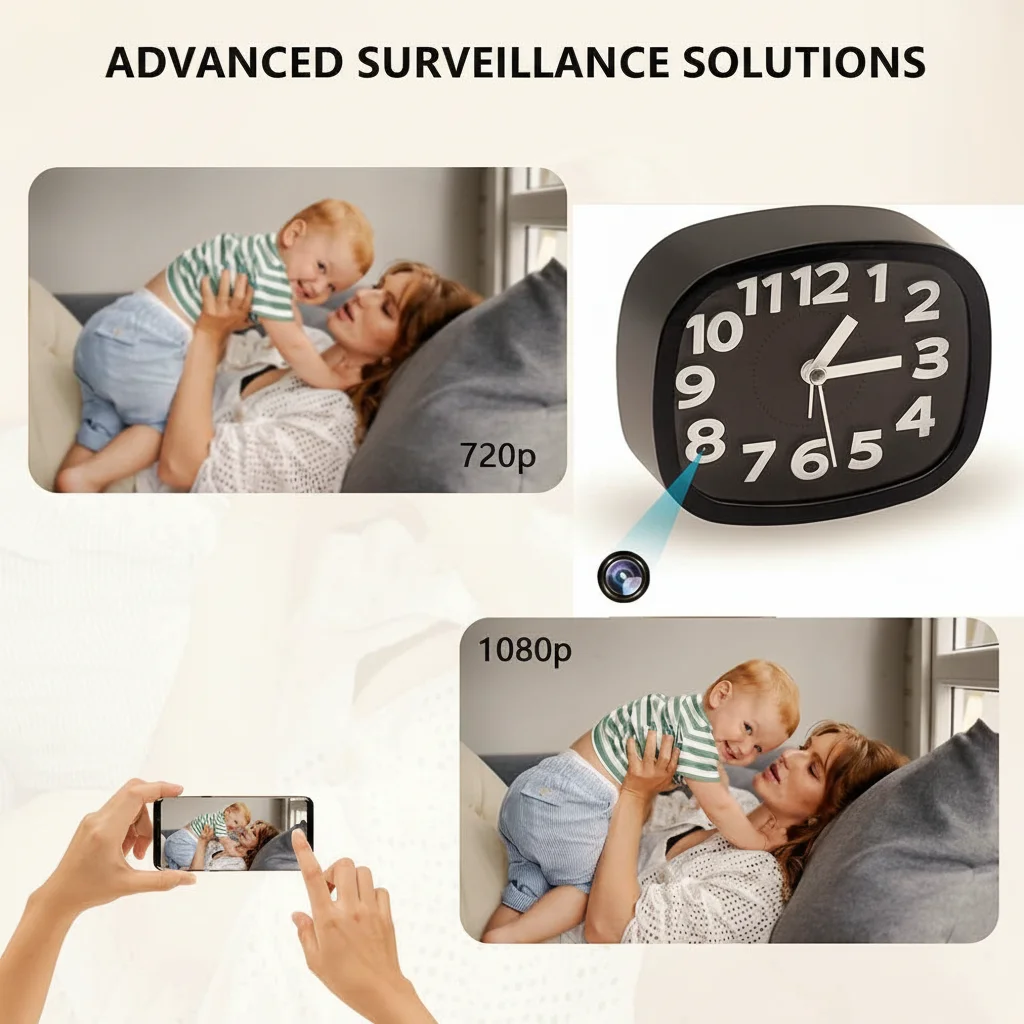
Section 7 of the Surveillance Devices Act 2007 (NSW) prohibits the installation of listening devices to record private conversations without the express or implied consent of all principal parties. The definition of “listening device” is broad enough to capture any camera with an integrated microphone — which covers most cámaras reloj y WiFi modules on the market.
Section 8 adds a further layer: it is illegal to install an optical surveillance device on private premises without the consent of the occupier. For a nanny camera installed by a homeowner, this is straightforward — the homeowner is the occupier and consents. But complications arise in rental properties, shared housing, and short-term accommodation.
Here’s what most people get wrong. A nanny camera in a living room or kitchen is generally permissible in NSW because these are common areas with no reasonable expectation of privacy. Move that same camera into a bathroom or the nanny’s designated bedroom, and the offence shifts from grey-area to criminal.
The maximum penalty for a first offence under Section 7 is 50 penalty units — approximately $11,000 AUD at 2025 rates. For a corporation, the multiplier is fivefold.
For distributors, the practical implication is clear: any product shipped to NSW resellers should include a clear warning that audio recording without all-party consent is illegal, and that cameras must not be installed in areas where individuals have a reasonable expectation of privacy.
| NSW Requirement | Detalles | Penalty |
|---|---|---|
| Grabación de audio | All-party consent required (Section 7) | Up to $11,000 AUD (50 penalty units) |
| Video in private areas | Occupier consent required (Section 8) | Up to $11,000 AUD |
| Bathroom/bedroom placement | Generally illegal regardless of consent | Criminal offence |
| Corporate liability | 5x individual penalty | Up to $55,000 AUD |
Conclusión clave: NSW requires all-party audio consent and occupier consent for installation — penalty up to $55,000 AUD for corporations.
Victoria: One-Party Consent Rules
Victoria operates under a fundamentally different framework from its northern neighbour. This matters because Melbourne is Australia’s fastest-growing market for smart home surveillance.
In Victoria, a participant in a private conversation may legally record audio with their own consent alone — no need to inform other parties.

Section 6 of the Surveillance Devices Act 1999 (Vic) creates this one-party consent exception. It is the most permissive audio-recording regime in Australia. A parent may legally record audio of a conversation with their nanny without disclosing the recording, provided the parent is a participant in that conversation.
But here’s the catch. The exemption applies only if the recorder is a participant. A hidden camera in a room where the parent is not present — for example, a living room camera capturing a conversation between the nanny and a visiting friend — falls outside the exemption. That recording becomes illegal unless all parties consent.
Victoria also imposes specific workplace surveillance requirements under the Workplace Privacy Act 2011. Employers must provide 14 days’ written notice before installing surveillance devices in workplaces. For families employing a nanny through a formal agency, this notice period may technically apply — though domestic employment arrangements are rarely litigated under this Act.
The penalty structure in Victoria is lighter than NSW: a maximum of $39,652 AUD or two years’ imprisonment for individuals, with no specific corporate multiplier.
Distributors should note that Victorian resellers can legally sell nanny cameras with audio recording capability, provided the product documentation explains the one-party consent limitation. This is a meaningful market differentiator from NSW.
| VIC Requirement | Detalles | Penalty |
|---|---|---|
| Grabación de audio | One-party consent if participant (Section 6) | Up to $39,652 AUD or 2 years imprisonment |
| Non-participant recording | Se requiere consentimiento de todas las partes | Same as above |
| Workplace notice | 14 days’ written notice required | Civil penalty |
| Bathroom/bedroom | Illegal regardless of consent | Criminal offence |
Conclusión clave: VIC allows one-party audio consent for participants, making it the most permissive state for nanny camera use.
Queensland: Similar One-Party Framework
Queensland mirrors Victoria in its audio consent approach but adds distinctive real-world complications for distributors.
In Queensland, a participant in a private conversation may record audio with single-party consent, but publishing or sharing that recording without consent is a separate offence.
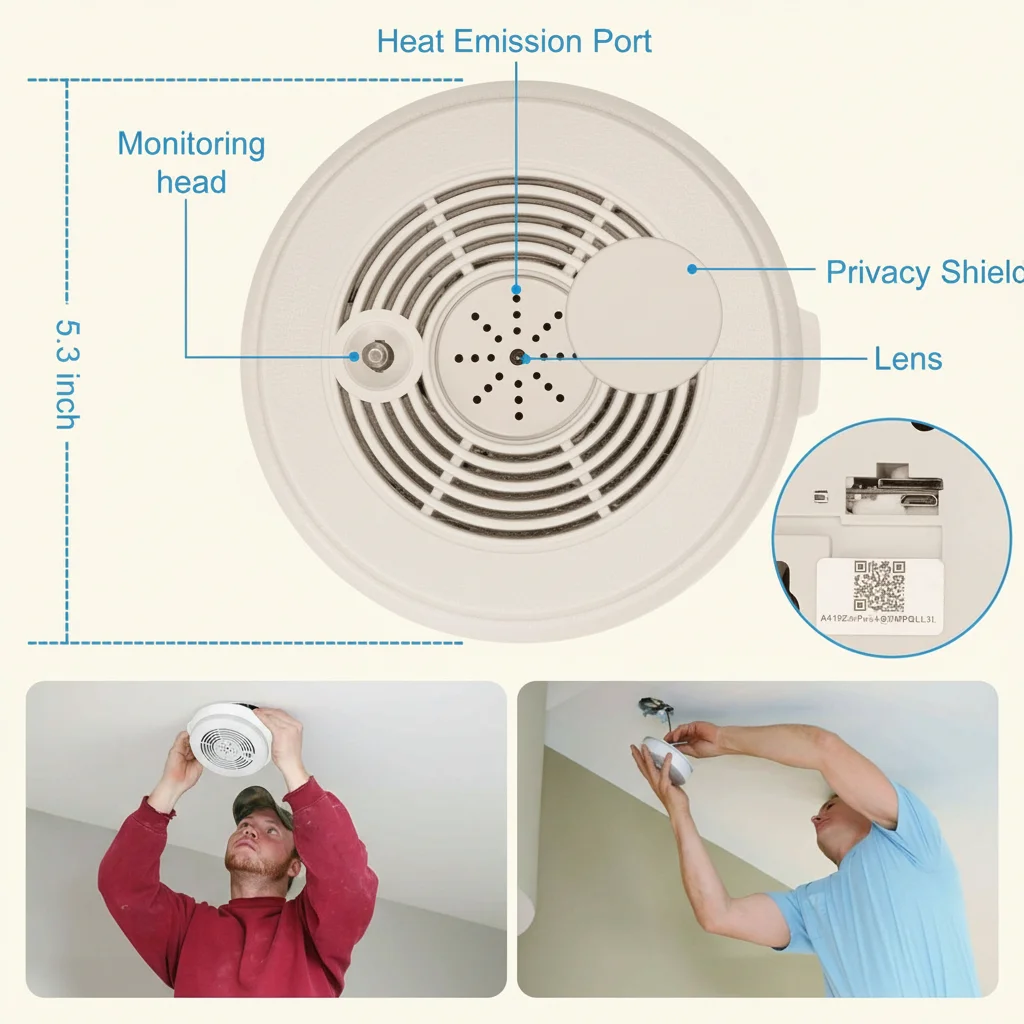
Section 43 of the Invasion of Privacy Act 1971 (Qld) permits a person who is a party to a private conversation to record it. This aligns Queensland with Victoria as the second of only two Australian jurisdictions allowing one-party audio consent.
The distinction lies in Section 45: it is an offence to publish or communicate a private conversation recorded under Section 43, unless the publication is for a lawful purpose or with consent. For a parent who records a nanny mistreating a child, this exemption protects them when submitting evidence to police. But a parent who posts footage on social media — even with the best intentions — commits a separate offence.
Queensland’s maximum penalty for unauthorised recording is 40 penalty units (approximately $6,192 AUD as of 2025). The real risk is not the fine itself but the civil liability: Queensland courts have awarded damages for breach of privacy in nanny camera cases since the 2016 decision in Grosse v Purvis.
For distributors, Queensland resellers face the same product liability question as Victorian resellers. The key documentation point is to warn users that recording is legal but publication requires additional consent.
| QLD Requirement | Detalles | Penalty |
|---|---|---|
| Grabación de audio | One-party consent if participant (Section 43) | Up to $6,192 AUD (40 penalty units) |
| Publication of recording | Separate offence without consent (Section 45) | Same penalty |
| Video in common areas | Generally legal with occupier consent | No specific penalty |
| Civil liability | Breach of privacy claims possible | Damages awarded since 2016 |
Conclusión clave: QLD allows one-party audio consent but prohibits publication without consent — a critical distinction for end-users.
Western Australia: The Strictest Privacy Protections
Western Australia maintains the harshest surveillance penalties in the country. Any distributor shipping to Perth or regional WA needs to understand this.
In Western Australia, installing a surveillance device to record private activity without consent is punishable by up to two years’ imprisonment or a $24,000 AUD fine.
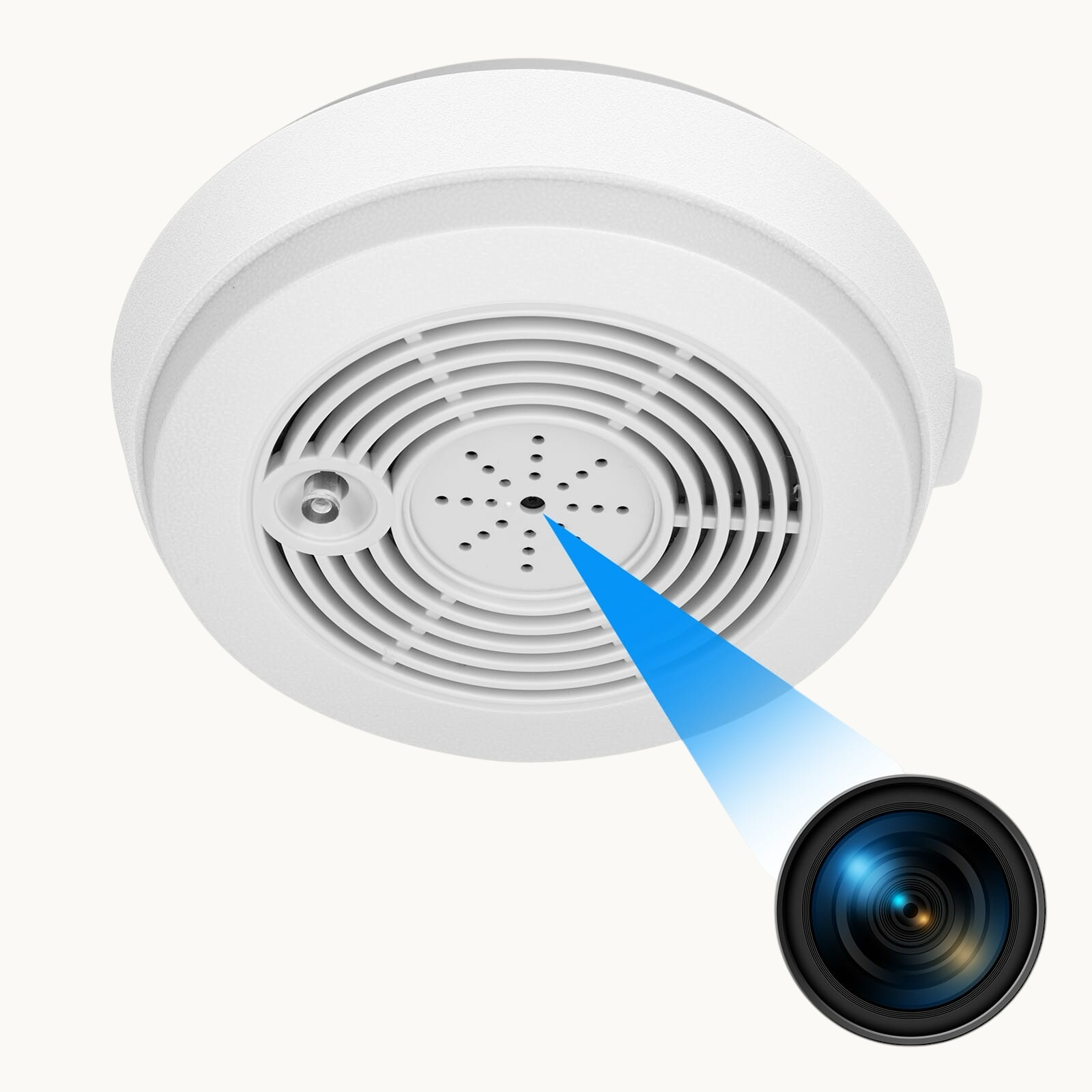
Section 6 of the Surveillance Devices Act 1998 (WA) creates a broad prohibition: it is illegal to install, use, or maintain a surveillance device to record private activity in a private place, without the express or implied consent of each party.
The phrase “private place” is defined expansively. It includes not just bathrooms and bedrooms but also any part of premises where a person might reasonably expect to be undressed or engaged in intimate activity. A living room where a nanny changes a baby’s nappy could, in some circumstances, qualify as a private place under this definition.
Western Australia does not distinguish between audio and video in the same way as eastern states. Both are treated as “private activity” and both require consent. The absence of a one-party consent exemption makes WA the most restrictive jurisdiction for nanny camera use.
The penalties reflect this severity: two years’ imprisonment or $24,000 AUD for individuals, with a $120,000 AUD maximum for corporations. Western Australian courts have imposed imprisonment for surveillance offences in domestic contexts — not merely fines.
Distributors should treat WA as a high-risk market. Products should ship with comprehensive legal warnings, and resellers should be advised to obtain legal review before marketing nanny cameras with audio recording capability.
| WA Requirement | Detalles | Penalty |
|---|---|---|
| Grabación de video | All-party consent required (Section 6) | Up to $24,000 AUD or 2 years imprisonment |
| Grabación de audio | All-party consent required (Section 6) | Same as above |
| Private place definition | Broader than other states — includes areas where undressing may occur | Same penalty |
| Corporate liability | 5x individual penalty | Up to $120,000 AUD |
Conclusión clave: WA has the strictest nanny camera laws in Australia, with no one-party consent exemption and penalties up to $120,000 AUD for corporations.
South Australia, Tasmania, ACT and Northern Territory
The remaining four jurisdictions follow the all-party consent model, with variations in penalty and scope that distributors need to track.
In SA, TAS, ACT and NT, audio recording of private conversations requires the consent of all parties, and video recording in private areas requires occupier consent.
South Australia
En Listening and Surveillance Devices Act 1972 (SA) prohibits the use of listening devices to record private conversations without consent. Section 4 creates the all-party consent requirement. Maximum penalty: $15,000 AUD or two years’ imprisonment.
South Australia adds a specific workplace surveillance provision under the Workplace Surveillance Act 2006. Employers must provide 14 days’ notice and display clear signs before installing surveillance. For domestic nanny arrangements, this Act does not technically apply — but agency-managed nanny services may fall within its scope.
Tasmania
En Listening Devices Act 1991 (Tas) follows the standard all-party consent model. Section 5 prohibits recording private conversations without consent. Maximum penalty: $2,000 AUD or 12 months’ imprisonment — the lightest in Australia.
Tasmania’s small population means distributor volume is typically low, but the legal framework is straightforward: no audio recording without all-party consent, no cameras in bathrooms or bedrooms.
Australian Capital Territory
En Listening Devices Act 1992 (ACT) mirrors the NSW framework. Section 4 prohibits recording private conversations without consent. Maximum penalty: $32,000 AUD or two years’ imprisonment.
The ACT’s small geographic size and high-income demographic make it a premium market for surveillance equipment. Resellers in Canberra typically serve government contractors and diplomatic staff who have specific security requirements.
Northern Territory
En Surveillance Devices Act 2007 (NT) prohibits the installation of surveillance devices without consent. Section 5 creates the all-party consent requirement for audio. Maximum penalty: $77,000 AUD or two years’ imprisonment.
The NT’s penalty is surprisingly high given its small population. This reflects the territory’s history of privacy concerns in remote communities.
| Jurisdicción | Ley Principal | Audio Consent | Max Individual Penalty | Max Corporate Penalty |
|---|---|---|---|---|
| South Australia | Listening and Surveillance Devices Act 1972 | All-party | $15,000 AUD or 2 years | $75,000 AUD |
| Tasmania | Listening Devices Act 1991 | All-party | $2,000 AUD or 1 year | $10,000 AUD |
| ACT | Listening Devices Act 1992 | All-party | $32,000 AUD or 2 years | $160,000 AUD |
| Northern Territory | Surveillance Devices Act 2007 | All-party | $77,000 AUD or 2 years | $385,000 AUD |
Conclusión clave: SA, TAS, ACT and NT all require all-party audio consent, with penalties ranging from $2,000 to $77,000 AUD for individuals.
Audio Recording: The Hidden Trap Most Distributors Miss
The single most common compliance failure in the Australian nanny camera market is not video placement. It is audio.
Most nanny cameras sold in Australia include integrated microphones, but six out of eight jurisdictions prohibit audio recording without all-party consent.
Here’s what most people get wrong. A distributor assumes that because the camera records video legally, the audio function is equally permissible. It is not. The audio recording laws are stricter than video laws in every Australian jurisdiction except Victoria and Queensland.
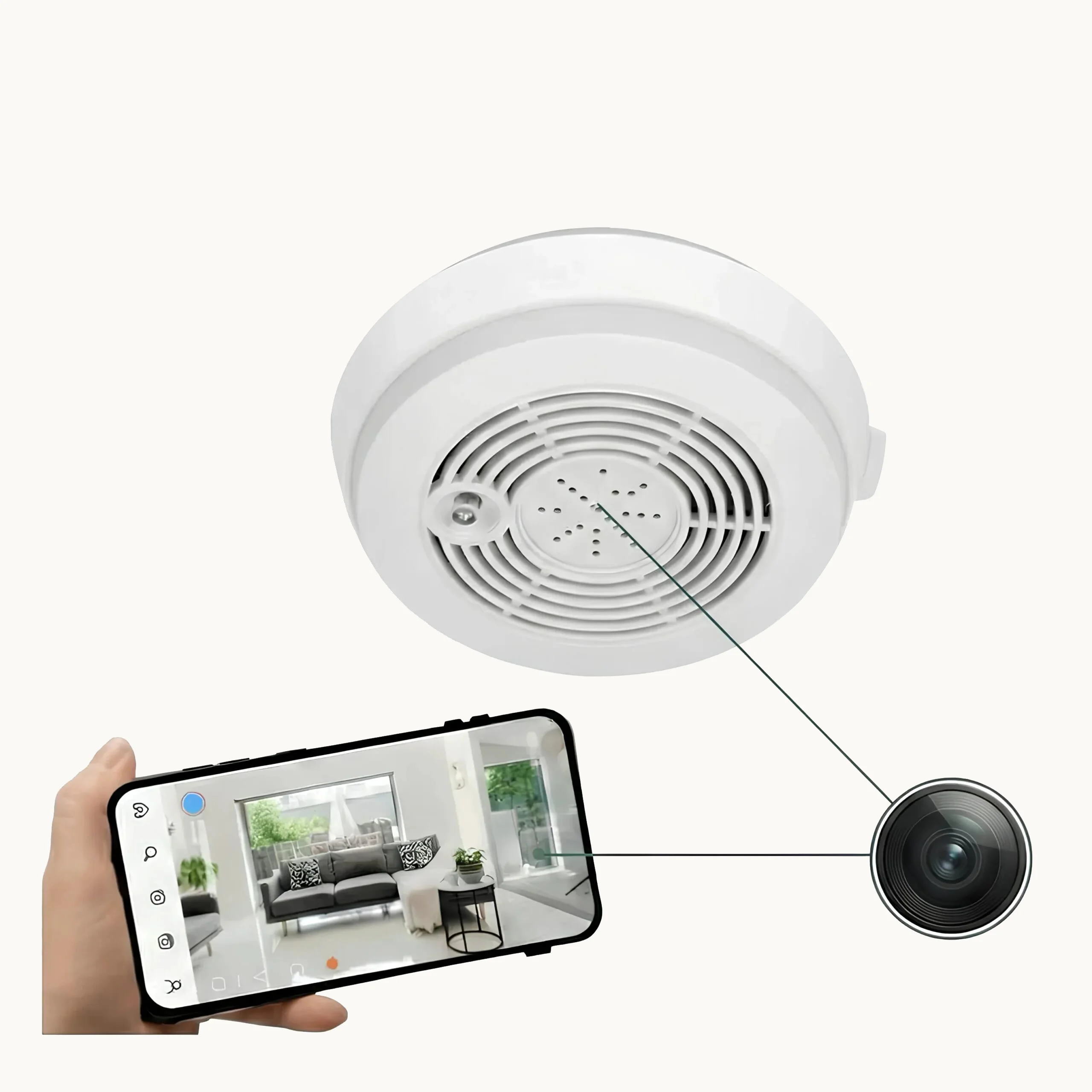
The practical implication for product design is significant. A Cámara oculta en detector de humo WiFi or cámara de reloj with an always-on microphone exposes the end-user to criminal liability in six states and territories.
The solution is not to remove audio functionality. It is to document it properly. Products should ship with clear instructions explaining:
– Which states allow one-party audio consent (VIC, QLD)
– Which states require all-party consent (NSW, WA, SA, TAS, ACT, NT)
– How to disable the microphone if required
– The legal risks of recording audio without consent
Some distributors have begun shipping nanny cameras with a physical microphone disable switch. This is a sensible risk-mitigation feature that Australian resellers increasingly demand.
| Característica | VIC/QLD | All Other States |
|---|---|---|
| Grabación de audio | Legal with one-party consent | Illegal without all-party consent |
| Always-on microphone | Permissible | High risk |
| Microphone disable switch | Recomendado | Esencial |
| Documentation requirement | Estándar | Enhanced warning required |
Conclusión clave: Audio recording is the highest-risk feature in Australian nanny cameras — six of eight jurisdictions require all-party consent.
Where Can Nanny Cameras Be Legally Installed?
Placement determines legality more than device choice. A perfectly compliant camera becomes illegal the moment it points at the wrong space.
Nanny cameras may be legally installed in common areas of a private home where no individual has a reasonable expectation of privacy. Bathrooms, bedrooms, and change areas are prohibited in all jurisdictions.
The “reasonable expectation of privacy” test is the universal standard across Australian common law. It originates from English decisions such as R v Bassett (2008) and has been adopted consistently by Australian state courts.
Common areas where nanny cameras are generally legal:
– Living rooms and lounges
– Kitchens and dining areas
– Hallways and entryways
– Playrooms and nurseries (with limitations)
Prohibited areas in all jurisdictions:
– Bathrooms and toilets
– Bedrooms (including the nanny’s designated room)
– Change rooms or areas where undressing occurs
– Any area where a person has a reasonable expectation of solitude
The nursery is a grey area. A camera monitoring a crib is generally permissible because the baby is the parent’s own child and has no independent privacy rights. But if the camera captures the nanny changing the baby’s nappy — an activity during which the nanny may be partially undressed — the footage may cross into prohibited territory in Western Australia and other strict jurisdictions.
For distributors, the practical advice is to include a placement guide with every product. The guide should specify approved and prohibited locations in plain language, with reference to the “reasonable expectation of privacy” principle.
| Ubicación | Legal Status | Key Consideration |
|---|---|---|
| Salón | Generalmente legal | Common area, no privacy expectation |
| Cocina | Generalmente legal | Common area |
| Nursery/crib | Generalmente legal | Baby is parent’s child; no independent privacy rights |
| Hallway | Generalmente legal | Transitional space |
| Bathroom | Illegal in all jurisdictions | Universal prohibition |
| Nanny bedroom | Illegal in all jurisdictions | Expectativa razonable de privacidad |
| Change area | Illegal in all jurisdictions | Potential undressing captured |
Conclusión clave: Common areas are legal; bathrooms, bedrooms, and change areas are universally prohibited across all Australian jurisdictions.
What Documentation Should Distributors Provide?
Australian consumer law imposes specific obligations on suppliers of surveillance equipment. Meeting these obligations is not optional.
Distributors must provide clear legal warnings, placement guidance, and jurisdiction-specific compliance information with every nanny camera sold into Australia.
En Australian Consumer Law (Schedule 2 of the Competition and Consumer Act 2010) requires that goods be of acceptable quality, fit for purpose, and match their description. A nanny camera marketed as “legal in Australia” that fails to comply with state surveillance laws may breach these guarantees, exposing the distributor to refund obligations and penalties from the Australian Competition and Consumer Commission (ACCC).
The minimum documentation package for Australian-bound nanny cameras should include:
1. Legal Warning Insert: A clear statement that audio recording laws vary by state, with a summary table of the eight jurisdictions.
2. Placement Guide: Visual diagrams showing approved and prohibited installation locations.
3. Consent Form Template: A template that end-users can adapt to notify household members, nannies, and contractors of surveillance.
4. Microphone Disable Instructions: Step-by-step guidance on disabling audio recording for jurisdictions that require it.
5. CE/RCM Compliance Certificate: Evidence that the product meets Australian electrical safety and electromagnetic compatibility standards.
The RCM (Regulatory Compliance Mark) is the Australian equivalent of the CE mark. All electrical products sold in Australia must display the RCM. Distributors should ensure their products carry this mark before shipment.
For resellers, additional documentation requirements may apply under state-specific workplace surveillance laws. In NSW and SA, for example, commercial resellers who install nanny cameras for clients must provide written notice to all affected parties.
| Documento | Propósito | Required By |
|---|---|---|
| Legal warning insert | Informs end-user of state-specific audio laws | Best practice / ACL compliance |
| Placement guide | Prevents illegal installation in prohibited areas | Best practice |
| Consent form template | Supports lawful notification to affected parties | Workplace surveillance laws (NSW, SA) |
| Microphone disable instructions | Enables compliance in all-party consent states | Essential for risk mitigation |
| RCM compliance certificate | Demonstrates Australian electrical safety compliance | Mandatory for all electrical products |
Conclusión clave: Documentation is a legal requirement under Australian Consumer Law, not an optional extra.
Penalties by State: What Happens When the Law Is Broken?
The financial and criminal consequences of illegal nanny camera use vary by an order of magnitude across Australian jurisdictions. Distributors need this data to advise resellers accurately.
Penalties for illegal nanny camera use range from $2,000 AUD in Tasmania to $120,000 AUD for corporations in Western Australia, with imprisonment possible in every state except Tasmania.
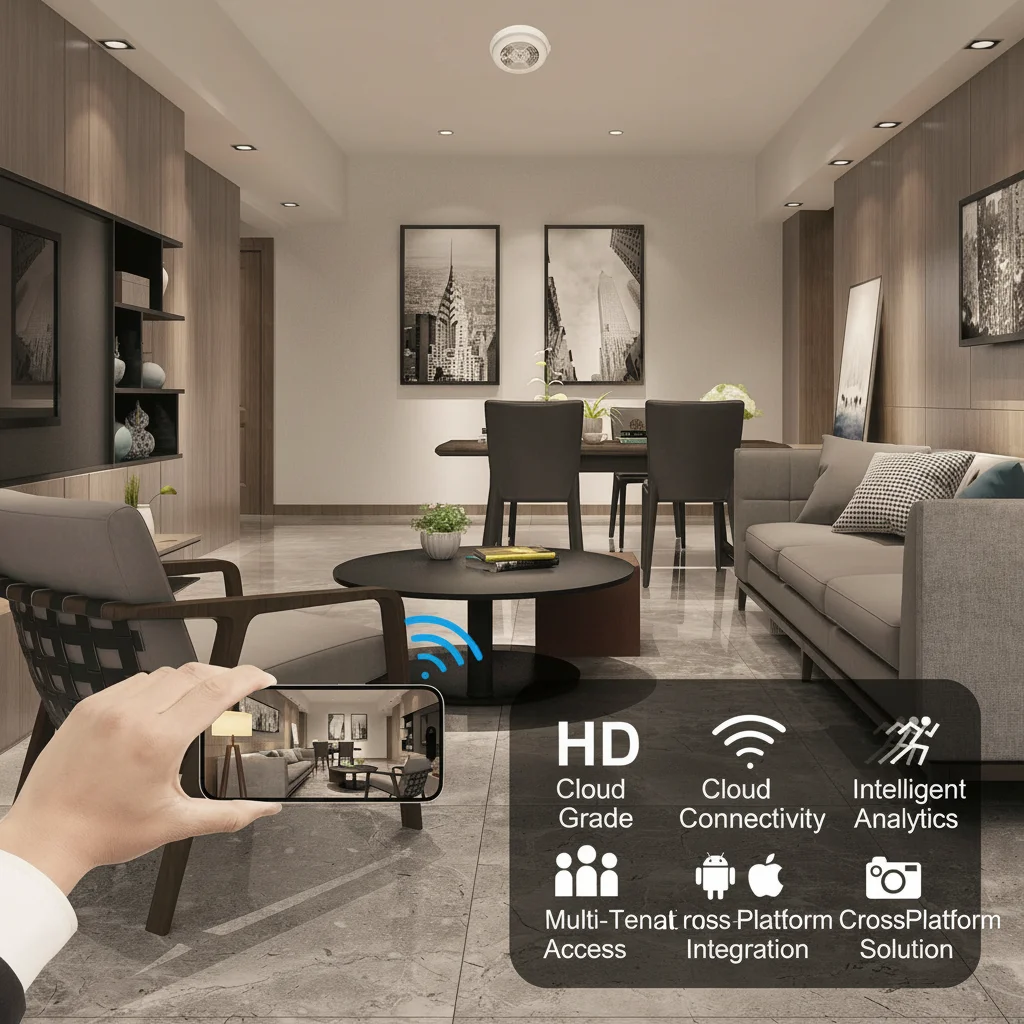
The penalty disparities reflect different legislative philosophies. Western Australia’s high penalties reflect its history of strict privacy enforcement. Tasmania’s lower penalties reflect its smaller scale and more conciliatory legal culture.
Imprisonment is not merely theoretical. Western Australian courts have imposed actual custodial sentences for domestic surveillance offences. In R v Bartz (2019), a Perth man received six months’ imprisonment for installing hidden cameras in his ex-partner’s home — a case that, while not involving a nanny, established the sentencing baseline for domestic surveillance offences in that state.
Civil liability adds another layer. Since the Australian Law Reform Commission‘s 2008 recommendation for a statutory tort of privacy, Australian courts have increasingly awarded damages for serious invasions of privacy. The 2016 Queensland decision in Grosse v Purvis awarded $178,000 AUD in damages for unauthorised surveillance — a precedent that applies across Australian common law jurisdictions.
For distributors, the risk calculation is straightforward. A product that ships without adequate legal warnings exposes the entire supply chain to product liability claims. The cost of including a warning insert is negligible. The cost of defending a civil claim is not.
| State/Territory | Max Individual Fine | Max Imprisonment | Max Corporate Fine | Key Risk Factor |
|---|---|---|---|---|
| New South Wales | $11,000 AUD | None specified | $55,000 AUD | Corporate multiplier (5x) |
| Victoria | $39,652 AUD | 2 years | $39,652 AUD | One-party consent creates false sense of security |
| Queensland | $6,192 AUD | None specified | $6,192 AUD | Civil liability risk (post-2016 precedents) |
| Western Australia | $24,000 AUD | 2 years | $120,000 AUD | Harshest penalties; actual imprisonment imposed |
| South Australia | $15,000 AUD | 2 years | $75,000 AUD | Workplace surveillance notice requirements |
| Tasmania | $2,000 AUD | 1 año | $10,000 AUD | Lightest penalties but still criminal |
| ACT | $32,000 AUD | 2 years | $160,000 AUD | High corporate multiplier |
| Northern Territory | $77,000 AUD | 2 years | $385,000 AUD | Highest corporate penalty in Australia |
Conclusión clave: WA and NT carry the highest penalties, while VIC and QLD offer the most permissive frameworks — but civil liability applies nationwide.
Preguntas frecuentes
Can I sell nanny cameras with audio recording to Australian customers?
Yes, but you must provide jurisdiction-specific warnings. Audio recording is legal with one-party consent in Victoria and Queensland, but requires all-party consent in the other six jurisdictions. Products should include clear instructions on how to disable the microphone.
Do Australian customers need a licence to install a nanny camera?
No licence is required for private domestic installation. Commercial installations — such as nanny agencies monitoring staff — may require compliance with state workplace surveillance laws, including notice periods and signage requirements.
What is the “reasonable expectation of privacy” test?
It is the common-law standard applied across all Australian jurisdictions. An individual has a reasonable expectation of privacy in areas where they would ordinarily expect to be free from observation — primarily bathrooms, bedrooms, and change areas. Common areas like living rooms and kitchens do not meet this standard.
Can footage from an illegally installed nanny camera be used as evidence?
Generally no. Australian courts have discretion to exclude evidence obtained illegally under the Evidence Act provisions in each state. The 2019 NSW decision in R v Milford confirmed that surveillance footage obtained in breach of the Surveillance Devices Act is presumptively inadmissible.
What compliance marks must nanny cameras carry for the Australian market?
All electrical products sold in Australia must display the RCM (Regulatory Compliance Mark). CE marking alone is not sufficient. Distributors should ensure their products are tested to Australian standards (AS/NZS 3820) before shipment.
Ready to Supply Nanny Cameras to the Australian Market?
The Australian nanny camera market is growing — driven by rising dual-income households, ageing populations, and increasing awareness of childcare safety. But the legal framework is complex, with eight different sets of state laws that your resellers must navigate.
QZT Security manufactures a full range of nanny cameras, cámaras reloj, cámaras detectoras de humo, y WiFi modules suitable for the Australian market. Every product ships with RCM-compliant documentation, state-specific legal warnings, and microphone disable instructions.
Contáctenos hoy to discuss bulk pricing, custom branding, and Australia-specific compliance documentation for your next shipment.

 English
  Italiano
  Deutsch
  Français
  Español
  Polski